Source Unisex Anime Cosplay Costume for Events Parties and Shows
Find 30 Unisex Anime Cosplay Costume options for events, parties, and promotional shows. Buyers can compare features like quick dry fabric, anti-wrinkle properties, and customization availability across multiple models and suppliers.
Key considerations
Products List


Animatronic Human Cosplay Life Size Realistic Wearing Walking Dinosaur Costume Suits
$1580.00 - $2200.00
MOQ: 1 Pieces


Hot Sale 2.7m Tall Adult LED Robot Cosplay Costumes with Microphone Speaker
$350.00 - $450.00
MOQ: 1 Pieces


Halloween Wolverine Cosplay Costume Uncle Wolverine Jumpsuit Movie Same Style
$8.99 - $9.99
MOQ: 10 Pieces


Mask Halloween Cosplay Costume for Adult Mask for Halloween Game Party Costume
$0.10 - $8.00
MOQ: 500 Pieces
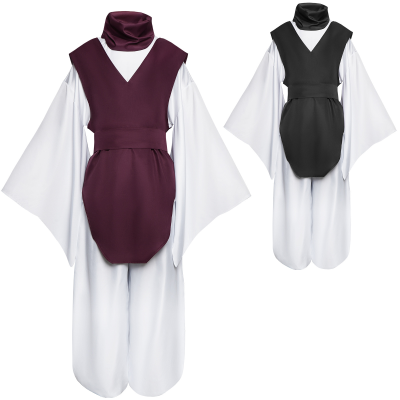
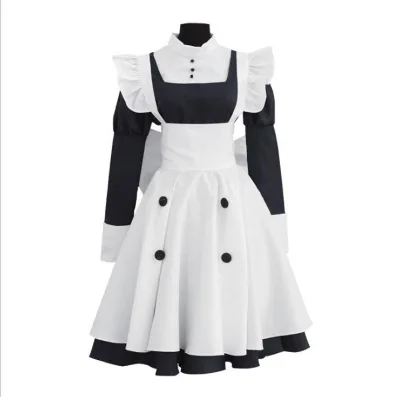

Customized Cosplay Role Party Cosplay Halloween Cosplay for Men and Children
$8.00 - $20.00
MOQ: 10 Pieces

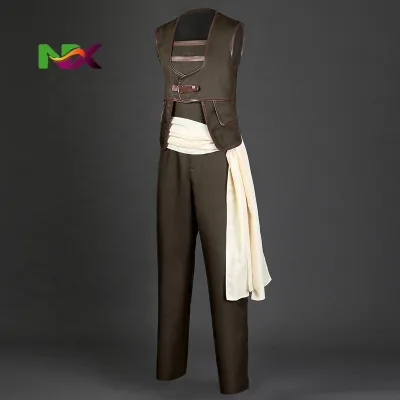
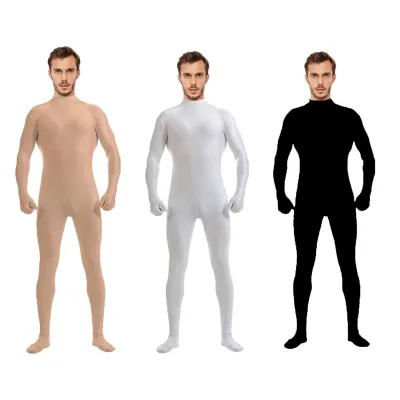
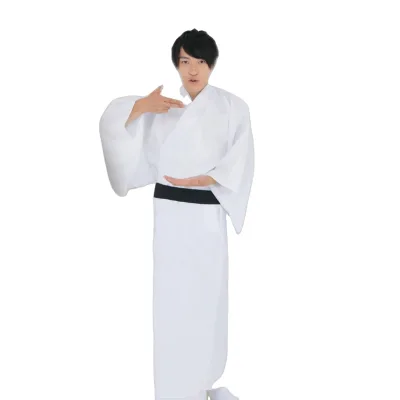
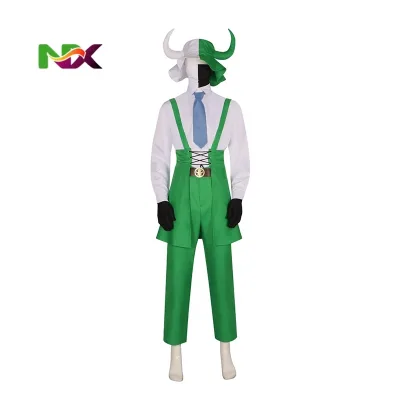
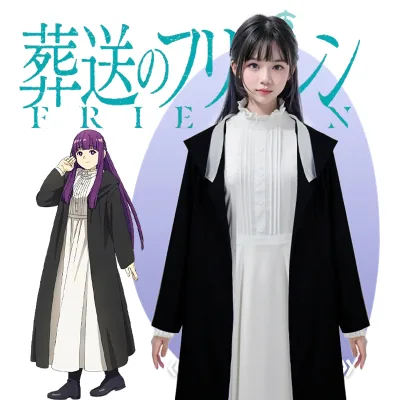
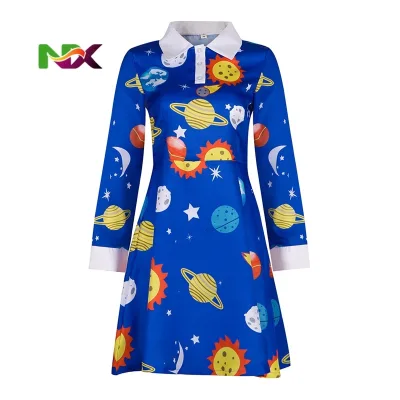



Comprehensive Sourcing Guide
Strategic Sourcing Guide for Unisex Anime Cosplay Costumes
The global market for unisex anime cosplay costumes has expanded significantly, driven by the growing popularity of conventions, gaming culture, and digital content creation. For B2B buyers, sourcing these items requires a nuanced understanding of the intersection between performance wear, costume design, and mass manufacturing capabilities. This guide provides a structured approach to evaluating suppliers, verifying technical specifications, and managing procurement risks without relying on unverified claims. The focus remains on objective analysis of product attributes, supply chain logistics, and quality assurance protocols essential for successful international trade.
Technical Specifications and Product Attributes
When sourcing unisex anime cosplay costumes, buyers must first distinguish between standard uniform-style garments and specialized performance costumes. The product landscape includes items categorized as "Tops & Bottom" sets, which often feature specific technical fabrics designed for durability and comfort during extended wear. A critical observation in the current market is the prevalence of "Open Fronted" structures, which facilitate easy donning and doffing, a necessity for performers who may need to change quickly between scenes or events.
Material composition is a primary determinant of performance. The supply chain frequently utilizes blends of Polyester and Cotton, offering a balance between the structural integrity required for complex designs and the breathability needed for human comfort. For costumes intended for winter events or outdoor performances, the "Winter" season specification becomes a key filter. Furthermore, the "Unisex" gender classification implies a design philosophy that prioritizes fit versatility over gender-specific tailoring, often resulting in adjustable or one-size-fits-most constructions.
Technical features often cited in high-performance cosplay inventory include "Anti-Wrinkle," "Quick Dry," and "Anti-Static" properties. These attributes are not merely marketing terms but functional requirements for costumes worn in high-energy environments where perspiration and friction are common. Additionally, "Rip-Stop" technology is frequently integrated into the fabric weave to prevent small tears from propagating, a vital feature for costumes subjected to physical activity. The "Handmade" production technique is another significant differentiator, suggesting that certain elements of the costume, such as intricate detailing or assembly, require manual intervention rather than fully automated machinery, which can impact both lead times and unit costs.
Compliance, Certification, and Safety Standards
In the B2B sector, compliance is as critical as the product itself. Buyers must verify that suppliers possess recognized quality management certifications. The supply chain data indicates that reputable manufacturers often hold certifications such as SGS, BV, and ISO9001. These standards serve as third-party validations of the supplier's ability to maintain consistent quality control processes. ISO9001, specifically, confirms that the supplier adheres to international standards for quality management systems, which is essential for large-scale orders where consistency across thousands of units is mandatory.
While some background knowledge suggests the existence of OEKO-TEX or ISO 27001:2022 standards, buyers should not assume these are present unless explicitly confirmed in the supplier's documentation. Instead, the procurement strategy should involve a direct request for current certification copies. For costumes intended for children or specific age groups, verifying material safety is paramount. Although the observed data points to "Adults" as the primary age group for many of these specialized costumes, buyers sourcing for broader markets must ensure that all dyes, adhesives, and fabrics meet local safety regulations regarding chemical content and flammability.
The "Supply Type" of OEM (Original Equipment Manufacturer) service implies that the supplier is capable of customizing products according to the buyer's specifications. However, this customization capability must be balanced against the supplier's adherence to safety standards. A supplier offering "OEM Service" must still demonstrate that their customization processes do not compromise the structural integrity or safety compliance of the final product. Buyers should request a compliance matrix that maps specific product features to relevant safety standards before placing an order.
Cost Drivers and Pricing Dynamics
Understanding the cost structure of unisex anime cosplay costumes is essential for budgeting and negotiation. The observed price range in the market spans from $0.10 to $2,900 USD, a variance that reflects the immense diversity in product complexity. At the lower end, prices likely correspond to simple, mass-produced fabric sets with minimal detailing. At the higher end, costs are driven by factors such as the "Inflatable Mascot Costume" category, which involves complex engineering, motors, and battery systems, or the "Robot Costume" category, which may require specialized materials and extensive manual assembly.
Several specific factors drive these costs. The "Handmade" nature of certain items significantly increases labor costs compared to fully automated production. Similarly, the "Workers" count of a supplier, observed at 200 people, indicates the scale of their operation and their capacity to handle large orders without compromising quality. Suppliers with larger workforces may offer better economies of scale but might also have higher overheads.
The "MOQ" (Minimum Order Quantity) is another critical cost driver. The data shows an MOQ range of 1 to 500 pieces, with specific instances of 200 and 300 pieces. Higher MOQs generally correlate with lower unit prices, as the fixed costs of setup and tooling are spread over a larger volume. Buyers must carefully calculate the total cost of ownership, including the MOQ requirement, to ensure it aligns with their inventory turnover rates. Additionally, the "Production Time" of 25-35 working days must be factored into the financial planning, as longer lead times can impact cash flow and market responsiveness.
Typical Applications and Usage Scenarios
The versatility of unisex anime cosplay costumes allows for a wide range of applications beyond simple personal wear. The "Usage" category of "Body" indicates that these are full-body garments designed for comprehensive coverage. The "Application" field highlights "School" as a specific use case, suggesting that some designs are suitable for school events, cultural festivals, or educational theater productions. However, the broader market application extends to "Events, Party, Promotion, and Rental Business."
The "Type" classification of "Cosplay Costume" and "Mascot Costume" points to a dual market: the enthusiast market and the commercial entertainment market. For the commercial sector, "Performance" is a key feature, indicating that the costumes are designed to be worn by performers in public spaces. The "Occasion" data lists "Events, Party, Promotion, Rental Business," which underscores the commercial viability of these items. Suppliers often provide "Accessories" such as badges, which can be crucial for branding or character identification in promotional campaigns.
For rental businesses, the durability of the costume is paramount. Features like "Rip-Stop" and "Anti-Wrinkle" are not just aesthetic choices but functional necessities for items that will be worn, removed, and worn again by multiple users. The "Structure" being "Open Fronted" is particularly beneficial for rental scenarios, as it simplifies the dressing process for staff and reduces the risk of damage during rapid changes. Buyers targeting this sector should prioritize suppliers who demonstrate experience in producing high-turnover inventory.
Supplier Evaluation and Operational Capacity
Evaluating a supplier for unisex anime cosplay costumes requires a deep dive into their operational capabilities. The "Workers" count of 200 people suggests a mid-to-large-scale operation, which is generally preferable for B2B buyers requiring consistent quality and volume. However, the number of workers is less important than the ratio of skilled labor to total staff, especially given the "Handmade" production technique noted in the data. Buyers should inquire about the training and experience of the workforce regarding costume assembly and finishing.
The "Supply Type" of "OEM Service" indicates flexibility, but buyers must verify the supplier's ability to handle custom designs. This includes assessing their design team's capability to translate anime concepts into wearable costumes. The "Transportation" options of "by Sea, by Air, Express" provide flexibility in logistics, but the choice of method will impact both cost and delivery speed. For urgent orders, "Express" shipping may be necessary, while bulk inventory replenishment is best suited for "by Sea" transport to minimize costs.
The "Port" locations of Guangzhou and Ningbo are strategic hubs in China, known for their robust logistics infrastructure. Buyers should confirm that the supplier has established relationships with freight forwarders at these ports to ensure smooth customs clearance and timely delivery. Additionally, the "Payment Way" options of TT (Telegraphic Transfer), Paypal, and Cash offer varying levels of security. For large orders, TT is typically the standard, providing a secure and traceable payment method, while smaller transactions might utilize other options.
Quality Control and Long-Term Procurement
Quality control (QC) is the backbone of successful procurement in the costume industry. Given the "Handmade" nature of many items, visual inspection is critical. Buyers should implement a rigorous QC protocol that checks for stitching integrity, color consistency, and the functionality of any mechanical components, such as those found in "Inflatable Mascot Costumes." The "Standard" of "2.7 M High" for certain costumes indicates that dimensional accuracy is a key quality metric. Deviations from these specifications can render a costume unusable for its intended purpose.
The "Packing" specifications, ranging from "1PC/PP Bag" to "Carton" and "Woonden Case," play a significant role in protecting the product during transit. For fragile or high-value items like "Robot Costumes," a "Wooden Case" is essential to prevent damage. Buyers must verify that the packaging meets the "Standard" of "554936 cm 23kgs" for shipping efficiency and that the internal packing prevents creasing or crushing.
Long-term procurement considerations involve building a relationship with a supplier who can scale with the buyer's needs. The "Production Time" of 25-35 working days suggests a lead time that requires advance planning. Buyers should negotiate terms that allow for flexibility in production scheduling to accommodate unexpected demand spikes. Furthermore, the "Feature" set of "Anti-Wrinkle" and "Quick Dry" should be validated through sample testing to ensure they hold up over multiple uses, which is crucial for rental businesses and long-term event contracts.
| Feature Category | Observed Attribute | Procurement Verification Point |
|---|---|---|
| Structure | Open Fronted | Verify ease of donning/doffing in samples. |
| Material | Polyester/Cotton | Confirm blend ratio and breathability. |
| Certification | SGS, BV, ISO9001 | Request current certificates and audit reports. |
| MOQ | 200-300 PCS | Negotiate based on order volume and frequency. |
| Lead Time | 25-35 Working Days | Plan inventory cycles accordingly. |
| Packing | Carton / Wooden Case | Ensure packaging matches product fragility. |
| Transport | Sea, Air, Express | Select based on urgency and cost constraints. |
In conclusion, sourcing unisex anime cosplay costumes requires a methodical approach that balances technical specifications, compliance requirements, and logistical realities. By focusing on verified data points such as certification status, material composition, and production capacity, buyers can mitigate risks and secure high-quality inventory. The diversity of the market, from simple "Tops & Bottom" sets to complex "Inflatable Mascot Costumes," demands a tailored strategy for each product category. Ultimately, successful procurement hinges on clear communication, rigorous quality control, and a partnership with suppliers who demonstrate transparency and reliability in their operations.
FAQs
What customization options are available for unisex anime cosplay costumes?
Customization is available for these costumes through OEM service. Buyers can request specific designs while the supplier maintains quality standards like ISO9001 and SGS certification for consistent production.
Which certifications do the manufacturers hold for these costumes?
Manufacturers hold recognized certifications including SGS, BV, and ISO9001. These standards validate the supplier's quality management systems and ensure the costumes meet international safety and production requirements.
How long does production take for a bulk order?
Production time typically ranges from 25 to 35 working days. This lead time accounts for the handmade techniques used and the scale of operations involving 200 workers to ensure quality.
Can I order small quantities of unisex anime cosplay costumes?
Minimum order quantities vary, with observed MOQs starting at 200 or 300 pieces. Some suppliers may accept lower quantities, but bulk orders generally secure better pricing and production efficiency.
What materials are used for winter cosplay costumes?
Materials often include a blend of Polyester and Cotton for durability and comfort. These fabrics are selected to support features like anti-wrinkle and quick-dry properties suitable for winter events.
How are large costumes like robots packed for shipping?
Large costumes such as robots are packed in wooden cases or cartons to prevent damage. This packaging ensures the 2.7-meter high structures remain intact during sea, air, or express transportation.
Which payment methods are accepted for international orders?
Accepted payment methods include TT, Paypal, and Cash. These options provide flexibility for different order sizes while ensuring secure transactions between buyers and suppliers in China.
What are the shipping ports for these costumes?
Shipping is handled from major ports in Guangzhou and Ningbo. These locations offer robust logistics infrastructure for sea, air, and express delivery to global destinations.