Source Unisex Black Cotton Oversized Hoodie for brands, events, and retail
Find 30 suppliers offering a Unisex Black Cotton Oversized Hoodie with custom logos and fabric weights. Buyers can compare specs like sleeve length, fit type, and printing methods to match their sourcing needs.
Key considerations
Products List


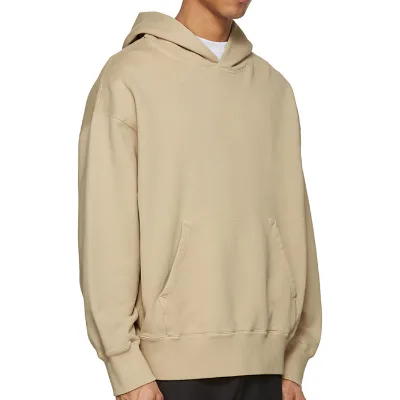
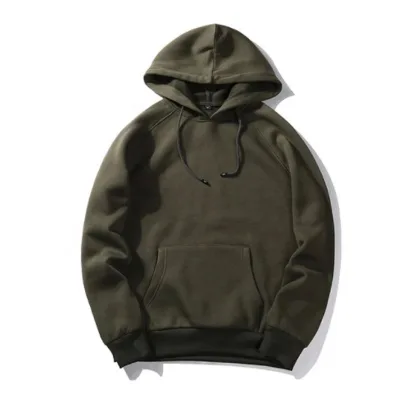
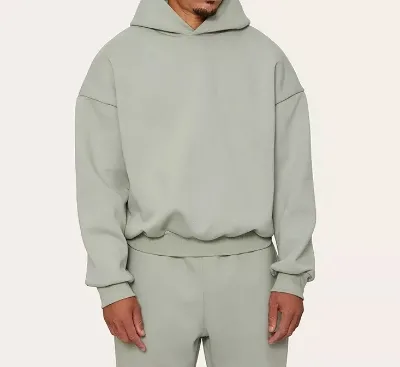


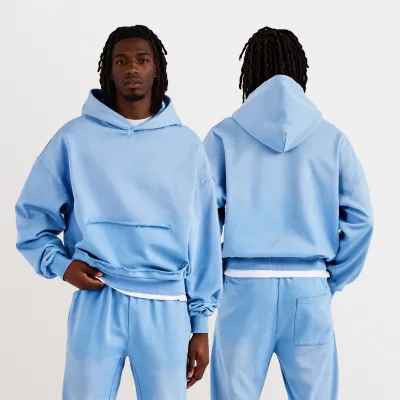


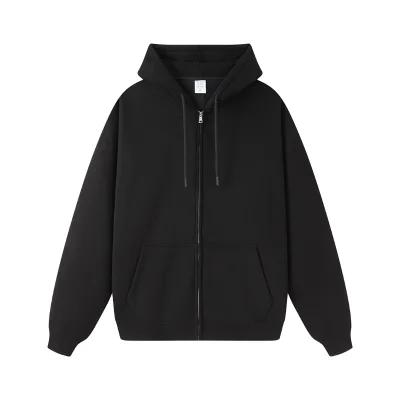


Autumn Casual Style 100% Cotton Heavyweight Oversized Custom Logo Print Hoodie
$5.00 - $13.00
MOQ: 100 Pieces

Streetwear Casual Custom Pattern Printed Men Oversized 100% Cotton Pullover Hoodies
$8.00 - $15.00
MOQ: 100 Pieces


Custom High Quality Men's Casual Sweatshirt Long Sleeve Cotton Hoodies Pullover
$9.90 - $10.90
MOQ: 100 Pieces


Comprehensive Sourcing Guide
Strategic Sourcing Guide for Unisex Black Cotton Oversized Hoodies
Procuring unisex black cotton oversized hoodies requires a disciplined approach that balances aesthetic specifications with technical performance and supply chain reliability. The global market for casual wear, particularly streetwear staples like hoodies, has seen a surge in demand for customizable, high-quality basics. For buyers, the challenge lies in navigating a fragmented supplier landscape where product attributes often vary significantly between listings. This guide synthesizes observed market data and technical requirements to provide a framework for sourcing these specific garments effectively. The focus remains on verifying claims, understanding cost drivers, and establishing quality control protocols without relying on unverified supplier assertions.
Technical Specifications and Material Verification
The foundation of a successful procurement order for an oversized hoodie lies in the precise definition of material and construction. The core keyword specifies "cotton," yet market observations indicate that "100% Cotton" is a common but not universal claim. Buyers must verify the exact fiber composition, as some listings suggest blended fabrics or fleece constructions that may alter the hand feel and drape. In the context of the observed product data, specific entries highlight a fabric weight of 430 grams, while others list a range including 410, 440, 450, 460, 480, 550, and 580 grams. This variance is critical; a 430-gram fleece offers a different thermal profile and structure compared to a 580-gram heavy-weight cotton.
The "oversized" fit is a primary design requirement. Observed data confirms the availability of "Oversized" and "Loose" fit types, alongside "Slim Fit" and "Normal" options. To ensure the product meets the "oversized" criteria, buyers must explicitly request garment measurements rather than relying solely on size labels (S, M, L, XL). The observed size ranges extend from XXS to 6XL, with some listings offering "one size" or "free sizes." This flexibility suggests a need for detailed size charts that define chest width, body length, and sleeve length. The "Long Sleeve" and "Regular" sleeve style are standard, but the "Long" length specification observed in some models indicates that body length can vary independently of the sleeve cut.
Construction details further define the product. The "Hooded" collar is a mandatory feature, and the "Fixed" hood type observed in some listings suggests a non-detachable design. The "Pullover" style is the dominant silhouette, distinguishing it from zip-front variations. Buyers should also note the "Unlined" design attribute found in specific records, which impacts the garment's warmth and layering potential. If a lined or fleece-backed interior is desired for winter applications, this must be a specific procurement requirement, as "Unlined" and "Fleece" are distinct attributes in the current market data.
Customization Capabilities and Branding Options
One of the most significant advantages of sourcing this category is the extensive customization available. The observed data confirms that "Customization" is available, with suppliers offering OEM services for logos, labels, sizes, and colors. The "Logo" attribute lists multiple methods including "Printing," "Embroidery," and "Different Logo Method." This diversity allows buyers to select techniques that align with their brand identity and budget.
The "Printing Methods" observed are particularly robust, ranging from traditional "Silk Screen Printing" to advanced "Digital Printing" and "Ready-Made Apparel Direct Digital Printing." Other specialized techniques include "Discharge Printing," "Tie-dye," "Puff Printing," "Embossed," "Heat-Transfer Printing," and "Injection Heat-Transfer Printing." The presence of "Raised rubber print" and "DRIPPING" effects suggests a capability for textured and artistic finishes. For a "black" hoodie, buyers must consider how these methods interact with the dark background. Discharge printing, for instance, removes the dye to create a print, which works well on dark fabrics, whereas standard plastisol inks may require a white underbase to appear vibrant.
The "Logo position" is frequently listed as "Front," but buyers should confirm if side, back, or sleeve placements are available. The "Brand Name" is typically listed as "OEM," indicating that the supplier acts as a manufacturer for other brands rather than selling under their own label. This is a crucial distinction for buyers seeking private label production. The "Fabric Weight" is also customizable, with the specific note that it can be adjusted "According to Your Needs." This flexibility allows for the creation of different product tiers, such as a lighter weight for spring collections and a heavier weight for autumn or winter lines.
Compliance, Certification, and Quality Standards
Navigating compliance and certification is essential for B2B procurement, especially when dealing with international supply chains. The observed data mentions "Needle detection: Yes" as a specific attribute. This is a critical quality control measure, particularly for garments intended for children or general retail, ensuring that no metal fragments remain in the finished product. Buyers should verify that this needle detection is part of a broader quality assurance protocol, not just an isolated step.
Regarding certifications, the provided context lists "BSCI" and "OEKO-TEX" as low-confidence background items. This means these certifications cannot be assumed as standard for all suppliers in this category. Buyers must explicitly request proof of certification status. If social compliance (BSCI) or chemical safety (OEKO-TEX) is a requirement for the buyer's market, the supplier must provide valid, up-to-date certificates. Relying on the mere presence of these terms in a general description is insufficient. The "prod_standard" is listed as "customized," which implies that specific standards may need to be negotiated and agreed upon prior to production.
The "Place of Origin" is consistently noted as "Jiangxi, China" or generally "China." While this provides a geographic baseline, it does not guarantee a specific factory's capability. Buyers should request detailed factory audits or third-party inspection reports to verify the actual production environment. The "Single package size" varies between 15x20x20 cm and 15x20x10 cm, indicating that packaging density and efficiency can vary by supplier. This impacts shipping costs and should be factored into the total landed cost calculation.
Cost Drivers and Pricing Dynamics
Understanding the cost structure of unisex black cotton oversized hoodies is vital for budgeting and margin analysis. The observed price range in the market is between 2 and 25 USD. This wide disparity is driven by several factors, primarily material quality, customization complexity, and order volume. A hoodie priced at the lower end of this spectrum likely utilizes standard cotton blends, minimal customization, and high-volume production efficiencies. Conversely, a price point near 25 USD suggests premium 100% cotton, heavy fabric weights (e.g., 580 grams), complex printing techniques like puff or raised rubber prints, and potentially lower MOQs.
The "MOQ" (Minimum Order Quantity) observed ranges from 1 to 100 units. This flexibility is beneficial for startups or brands testing new designs, as it lowers the barrier to entry. However, buyers should be aware that lower MOQs often come with a higher unit price. The "Selling Units" are listed as "Single item," which supports the low-MOQ model. For larger orders, buyers should negotiate tiered pricing structures.
Other cost drivers include the "Fabric Weight." Heavier fabrics, such as the 550-580 gram options, naturally cost more due to increased material usage. The "Technics" also play a role; "embroidered" logos generally cost more than screen-printed ones due to the time and labor involved. Additionally, the "Lead time" for sample orders is noted as "7 days," which is a competitive advantage for rapid prototyping. However, bulk production lead times are not explicitly defined in the data and must be clarified during negotiations. The "Single gross weight" of the package (0.850 kg to 0.980 kg) also influences shipping costs, especially for air freight.
Supplier Evaluation and Operational Due Diligence
Evaluating suppliers for this category requires a focus on their ability to meet the specific technical and customization requirements. The "Supply Type" is identified as "OEM service," confirming that these suppliers are set up for contract manufacturing. Buyers should verify the supplier's capacity to handle the specific "Fitting" requirements, such as "Oversized" or "Loose," and ensure their pattern-making capabilities align with the desired silhouette.
The "Season" attribute varies, with "Autumn" and "Spring" listed. This indicates that suppliers may have different production lines or fabric stocks for different seasons. Buyers sourcing for specific seasonal launches should confirm the supplier's inventory readiness for the relevant season. The "Feature" list includes attributes like "Anti-wrinkle," "Quick Dry," "Waterproof," "Anti-pilling," "Breathable," "Eco-Friendly," "Windproof," and "Anti-Shrink." While these are listed as attributes, buyers must treat them as claims that require verification. Not every product in this category will possess all these features. For instance, "Waterproof" and "Windproof" are not inherent to standard cotton; they usually require specific treatments or coatings that must be explicitly requested and tested.
The "Weaving method" is noted as "knitted," which is standard for hoodies. However, the "Fabric Type" is also listed as "Fleece." Buyers should clarify if the fleece is a brushed cotton interior or a synthetic blend, as this affects the "Comfortable" and "Breathable" claims. The "Design" being "Unlined" in some records suggests that the fleece might be the primary fabric layer rather than a separate lining. Clear communication on these construction details is necessary to avoid receiving a product that does not match the intended use case.
Quality Control Protocols and Long-Term Procurement
Establishing a robust quality control (QC) protocol is essential for maintaining brand integrity. The "Needle detection: Yes" attribute provides a baseline for safety, but a comprehensive QC plan should include checks for fabric weight consistency, color fastness, and print durability. Given the "Customized Fabric Weight" option, buyers should implement a tolerance range (e.g., +/- 5%) to ensure consistency across the production run. The "Feature" list includes "Anti-Shrink," which is a critical performance claim for cotton garments. Buyers should request shrinkage test results to verify that the garment will maintain its "Oversized" fit after washing.
For long-term procurement, building a relationship with suppliers who offer "Ready-made apparel direct digital printing" and "Injection Heat-Transfer Printing" can streamline the production process. These technologies allow for faster turnaround times and lower setup costs for complex designs. The "7 days sample order lead time" is a significant operational advantage, enabling rapid iteration and market testing. Buyers should leverage this to validate designs before committing to large bulk orders.
The "Packing" method, described as "Each PCS Will Be Packed in One Plastic Bag," is standard but should be evaluated for sustainability. If "Eco-Friendly" is a brand value, buyers should inquire about biodegradable or recyclable packaging options. The "Single package size" variations (15x20x20 cm vs. 15x20x10 cm) also suggest that packaging optimization is possible. Standardizing packaging dimensions can reduce shipping costs and improve warehouse efficiency.
Finally, buyers must remain vigilant about the "Low-confidence" certifications mentioned in the background data. Do not assume BSCI or OEKO-TEX compliance without documentation. Instead, treat these as areas for due diligence. By systematically verifying material composition, customization capabilities, and quality control measures, buyers can secure a reliable supply of unisex black cotton oversized hoodies that meet their specific brand and operational requirements. The flexibility observed in the market regarding fabric weight, fit, and printing methods offers significant opportunities for differentiation, provided that these variables are managed with precision and clear communication.
FAQs
Can I customize the fabric weight for this hoodie?
Yes, the fabric weight is fully customizable according to your specific needs. You can select from observed weights ranging from 410 to 580 grams to match your seasonal requirements.
What printing methods are available for logo customization?
Multiple printing methods are available including silk screen, digital, puff, and heat-transfer printing. You can also choose embroidery or discharge printing depending on your design complexity.
How long does it take to receive a sample order?
A sample order lead time of 7 days is supported for this product. This allows for rapid prototyping before committing to larger bulk production quantities.
Which fit types are offered for this oversized hoodie?
The product is available in Oversized, Loose, Slim Fit, and Normal fit types. You must explicitly request the desired fit to ensure the garment measurements match your brand standards.
What is the minimum order quantity for this item?
The minimum order quantity ranges from 1 to 100 units depending on the supplier. Lower MOQs are available for single item selling units, while bulk orders may vary.
Are there quality control measures like needle detection?
Yes, needle detection is a confirmed attribute for this product line. This ensures that no metal fragments remain in the finished garment for safety compliance.
What colors are available for the unisex black cotton hoodie?
Available colors include Black, Blue, White, Brown, Silver, Gray, Beige, Pink, Gold, Red, and Orange. You can select from this range to match your specific collection needs.