Source zero-compression-drift hydraulic piston rod seal for pumps, cylinders, and presses
Compare 30 listings for the zero-compression-drift hydraulic piston rod seal from Chinese manufacturers. Buyers can evaluate PU and NBR options, single or composite lip designs, and customized sizes for hydraulic cylinder applications.
Key considerations
Products List







Comprehensive Sourcing Guide
Strategic Sourcing Guide for Zero-Compression-Drift Hydraulic Piston Rod Seals
Understanding the Technical Architecture of Piston Rod Seals
The procurement of a zero-compression-drift hydraulic piston rod seal requires a precise understanding of the component's mechanical architecture and material science. In hydraulic systems, the piston rod seal serves as the primary barrier preventing fluid leakage across the piston assembly while maintaining pressure integrity. The term "zero-compression-drift" implies a design philosophy where the seal maintains its sealing force and geometric profile over extended operational cycles, resisting the degradation that typically leads to extrusion or permanent deformation under high pressure.
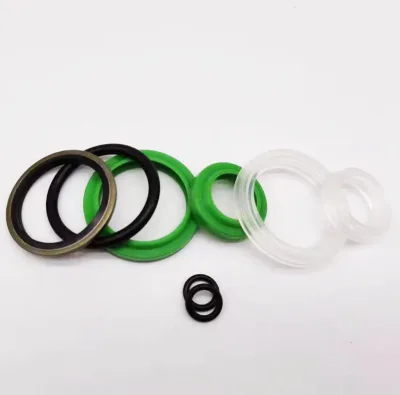
Based on available market data, these seals are frequently constructed from Polyurethane (PU) or Nitrile Butadiene Rubber (NBR), materials selected for their distinct mechanical properties. PU is often favored for its high abrasion resistance and ability to withstand high pressures, while NBR offers excellent oil resistance and cost-effectiveness for general applications. The physical configuration of these seals is critical; observed market offerings include "Single Lip" and "Composite Lip" designs. The lip geometry directly influences the friction characteristics and the seal's ability to track the rod surface without inducing drag that could lead to the "drift" phenomenon mentioned in the core keyword.
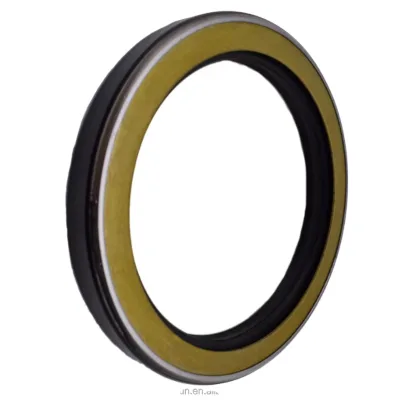
Furthermore, the structural integrity of the seal is often reinforced by specific assembly methods. The "Assembled" type indicates a multi-component construction, potentially combining a metal or plastic carrier with the elastomeric sealing element. This assembly approach allows for the integration of features like "Tc Tb Htcr Htcl Sc" structures, which refer to specific cross-sectional profiles or internal reinforcement layers designed to distribute stress evenly. The hardness of these components, typically ranging from 20 to 90 Shore A, is a vital specification. A hardness value that is too low may result in extrusion under pressure, while a value that is too high may compromise the seal's ability to conform to surface irregularities, leading to leakage. Buyers must verify that the selected hardness aligns with the specific pressure ratings of their hydraulic system.
Compliance Verification and Standard Alignment
When sourcing industrial sealing components, verifying compliance with established standards is non-negotiable for ensuring system reliability. The market for hydraulic seals often references specific dimensional standards and material certifications. For instance, certain product listings indicate adherence to standards such as "355010" or "8511012mm," which represent critical dimensional tolerances. These figures are not merely suggestions but are indicative of the precise fit required to prevent compression drift. A seal that does not meet these dimensional standards will fail to seat correctly, leading to immediate leakage or premature wear.
Buyers must also scrutinize the origin of the product, as manufacturing capabilities vary significantly by region. Products originating from "Hebei China" or "Xingtai City, China" are common in the global supply chain, but the specific factory's quality management system determines the consistency of the output. While specific certification bodies are not universally mandated for every listing, the presence of a "Standard" classification suggests that the product meets baseline industry expectations. However, for high-performance applications requiring "High Performance" attributes, buyers should request detailed documentation proving that the material batch meets the specified hardness and temperature resistance criteria.
The "Standard or Customized" nature of the product models, such as "KR Piston Rod Seal" or "Hydraulic Seal," indicates that while off-the-shelf solutions exist, custom engineering is often necessary to achieve true zero-compression-drift performance. Customization is explicitly listed as an available attribute, allowing buyers to tailor the seal's geometry to their specific cylinder bore and rod diameters. When evaluating compliance, the buyer should ensure that the supplier can provide traceability for the material batch, confirming that the NBR or PU used matches the declared specifications for oil resistance and temperature tolerance.
Cost Drivers and Pricing Dynamics in the Seal Market
The pricing of hydraulic piston rod seals is influenced by a complex interplay of material costs, manufacturing complexity, and order volume. The observed price range in the market spans from $0.01 to $99, a variance that reflects the difference between standard off-the-shelf components and highly engineered, custom-molded solutions. The "Competitive" pricing attribute suggests that the market is saturated with suppliers, but the lowest price point often correlates with standard sizes and basic material grades, whereas the higher end of the spectrum typically involves specialized materials, custom tooling, or low-volume production runs.
Minimum Order Quantity (MOQ) is a significant cost driver, with observed ranges extending from 1 to 1000 units. For buyers seeking to minimize inventory costs, suppliers offering low MOQs are advantageous, particularly for testing new designs or maintaining just-in-time inventory. However, larger orders often unlock better unit economics. The "Rich in Size and Quantity" stock attribute indicates that some suppliers maintain extensive inventories, which can reduce lead times and potentially lower costs for standard sizes. Conversely, custom orders may require higher MOQs to justify the setup costs for new molds or tooling.
Material selection is another primary determinant of cost. Seals made from high-performance Polyurethane (PU) generally command a premium over those made from NBR due to the superior durability and pressure resistance of PU. Additionally, the complexity of the seal structure, such as "Composite Lip" designs or multi-component "Assembled" units, increases manufacturing time and cost. Buyers should also consider the "After Sale Service" terms, such as the "12 Months" warranty offered by some suppliers. While this may not directly impact the unit price, it represents a value-added component that reduces the total cost of ownership by mitigating the risk of premature failure.
Typical Applications and Operational Environments
The versatility of hydraulic piston rod seals is evident in their application across a wide range of industrial sectors. The primary application identified is the "Hydraulic Cylinder," where these seals are critical for maintaining the integrity of the hydraulic fluid system. The "Engine" and "Transmission" usage attributes further highlight the seal's role in power transmission systems where fluid dynamics and pressure management are paramount. In these environments, the seal must withstand not only high pressures but also the dynamic forces generated by the reciprocating motion of the piston rod.
Operational conditions vary significantly, necessitating seals with specific resistance properties. The "Working Temperature" range of -35 to +120 degrees Celsius is a critical specification that defines the seal's suitability for different climates and industrial processes. Seals intended for outdoor or cold-storage applications must maintain flexibility at the lower end of this spectrum, while those used in high-temperature environments, such as near engines or in hot climates, must resist thermal degradation. The "Oil-Resistant" and "Heat Resistant" features are essential for these applications, ensuring that the seal does not swell, crack, or harden when exposed to hydraulic fluids and elevated temperatures.
Furthermore, the "Dustproof" attribute indicates that these seals are designed to protect the hydraulic system from external contaminants. In construction, mining, or agricultural machinery, the presence of dust and debris is a constant threat to seal life. A seal that effectively blocks these contaminants prevents abrasive wear on the rod and the seal itself, thereby extending the service life of the entire cylinder. The "Single Lip" or "Composite Lip" design plays a crucial role here, as the lip geometry determines the seal's ability to exclude particles while maintaining a fluid barrier. Buyers must match the seal's environmental resistance capabilities to the specific operational challenges of their machinery.
Supplier Evaluation and Quality Assurance Protocols
Selecting a reliable supplier for hydraulic piston rod seals requires a rigorous evaluation process that goes beyond price comparison. The "Brand" attribute, listed as "Doking or as Your Requirement," suggests that some suppliers offer private labeling or custom branding, which can be a sign of a mature manufacturing operation capable of meeting specific corporate standards. However, the absence of a specific brand name in other listings necessitates a deeper dive into the supplier's manufacturing capabilities and quality control processes.
Buyers should prioritize suppliers who demonstrate a commitment to quality through their product attributes. The "100% New" condition and "High Performance" claims are positive indicators, but they must be substantiated by evidence. Requesting test reports or certification documents that verify the "Hardness" and "Dimensional" tolerances is essential. The "Standard Packing" or "Box+Carton" packaging methods also provide clues about the supplier's attention to detail; proper packaging protects the seal from damage during transit, which is crucial for maintaining the integrity of the elastomeric material.
Quality control should be a collaborative effort between the buyer and the supplier. The "Customization" availability allows for the development of seals that are specifically optimized for the buyer's application, reducing the risk of failure. However, this customization must be managed through a clear specification process. Buyers should verify that the supplier has the capability to produce the "Standard or Customized" sizes required, ensuring that the "prod_standard" matches the design requirements. Additionally, the "After Sale Service" of 12 months provides a safety net, but buyers should also inquire about the supplier's response time to quality issues and their process for handling returns or replacements.
Long-Term Procurement Considerations and Lifecycle Management
Sourcing hydraulic piston rod seals is not merely a transactional activity but a strategic decision that impacts the long-term reliability and efficiency of hydraulic systems. The "Zero-Compression-Drift" characteristic is a key performance indicator that directly influences maintenance schedules and operational uptime. A seal that resists compression drift reduces the frequency of cylinder rebuilds and minimizes the risk of catastrophic failure, which can be costly in terms of both repair expenses and production downtime.
Buyers should consider the total cost of ownership (TCO) rather than just the initial purchase price. While a lower-priced seal may seem attractive, if it fails prematurely due to material incompatibility or poor design, the cost of replacement and system downtime will far exceed the savings. The "Rich in Size and Quantity" stock availability suggests that some suppliers can offer rapid replenishment, which is vital for maintaining continuous operations. However, for custom seals, lead times may be longer, and buyers must plan accordingly to avoid stockouts.
The "Market: All of The World" attribute indicates that these seals are globally traded, which offers buyers access to a wide range of suppliers. However, this global reach also introduces complexities regarding logistics, import regulations, and supply chain resilience. Buyers should evaluate the supplier's location, such as "Hebei China" or "Xingtai City, China," and consider the implications of shipping times and potential geopolitical risks. Establishing a long-term relationship with a supplier who understands the specific needs of the buyer's application can lead to better pricing, priority production, and improved technical support.
In conclusion, the procurement of zero-compression-drift hydraulic piston rod seals requires a balanced approach that considers technical specifications, material properties, supplier capabilities, and long-term operational needs. By carefully evaluating the factors outlined in this guide, buyers can make informed decisions that ensure the reliability and efficiency of their hydraulic systems. The focus should remain on selecting seals that meet the rigorous demands of the application, backed by suppliers who demonstrate a commitment to quality and performance.
FAQs
What material options are available for these seals?
Polyurethane and Nitrile Butadiene Rubber are the primary materials used. These materials offer distinct benefits such as high abrasion resistance for PU and excellent oil resistance for NBR to suit various hydraulic cylinder applications.
Can I request custom sizes for my hydraulic system?
Yes, customization is available for both standard and specific dimensions. Suppliers can produce seals with models like KR Piston Rod Seal or exact millimeter specifications to ensure a precise fit for your equipment.
What is the operating temperature range for these seals?
The seals function effectively within a temperature range of -35 to +120 degrees Celsius. This range ensures the material remains flexible in cold conditions and resistant to heat degradation in high-temperature environments.
Which hardness levels are offered for the sealing lip?
Hardness values typically range from 20 to 90 Shore A. This variability allows buyers to select a seal that balances extrusion resistance under high pressure with the ability to conform to surface irregularities.
How are these products packaged for international shipping?
Products are commonly packed in cartons, often with inner plastic film or paper protection. Some suppliers also offer box and carton combinations or customized packaging to ensure the seals arrive in 100% new condition.
What after-sale service is provided for these hydraulic seals?
A standard 12-month after-sale service is typically included with the purchase. This support covers quality assurance and provides a safety net for buyers regarding the durability and performance of the purchased components.
Where are these hydraulic seals manufactured?
Manufacturing originates from regions such as Hebei and Xingtai City in China. These locations are established hubs for producing high-performance hydraulic seals that meet global market demands for competitive pricing and quality.