Source Unisex Windproof Knitted Hooded Hat for Winter, Autumn, and Outdoor Use
Compare 30 Unisex Windproof Knitted Hooded Hat options from verified suppliers. These winter and autumn accessories feature knit materials, adjustable designs, and specialized functions like ear warming and light integration for diverse adult and child applications.
Key considerations
Products List


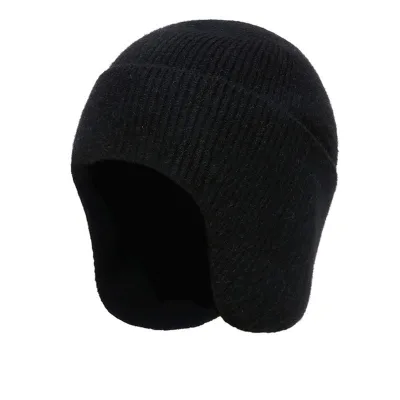
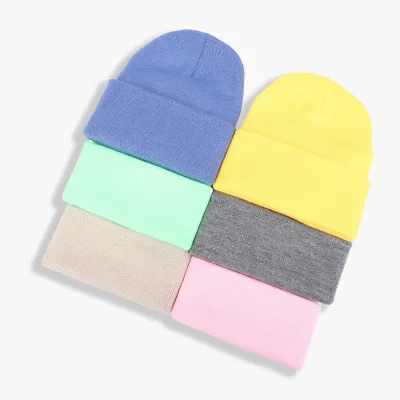


Knitted Beanie Knitted Hat Warm Hat Winter Hat with Embroidery Logo NTD014
$0.79 - $2.50
MOQ: 50 Pieces


Comprehensive Sourcing Guide
Strategic Sourcing Guide for Unisex Windproof Knitted Hooded Hats
The global market for cold-weather headwear has evolved significantly, with a distinct shift toward functional, unisex designs that prioritize thermal retention without sacrificing mobility. For procurement professionals targeting unisex windproof knitted hooded hats, the supply chain offers a complex array of options ranging from basic acrylic blends to advanced, feature-rich variants. This guide synthesizes observed market data and technical attributes to provide a disciplined framework for sourcing these specific items. The focus remains on verifying tangible product characteristics, understanding cost structures, and establishing robust quality control protocols without relying on unverified marketing claims.
Technical Specifications and Material Composition
The foundation of a successful procurement strategy lies in a precise understanding of the technical specifications that define the product. In the current market, the term "knitted" is not merely a stylistic descriptor but a critical material indicator. Observed data confirms that the primary material composition for these items is predominantly knit, with specific instances of 100% Acrylic being a standard offering. Acrylic is favored for its ability to mimic the warmth of wool while offering superior durability and resistance to moths and chemicals. However, buyers must verify the exact fiber content, as some listings indicate a standard of "knit" or "acrylic" without specifying the percentage, which necessitates a request for a mill certificate or a physical sample to confirm the blend ratio.
The construction method is equally vital. The data highlights "Weft Knitting" as a prevalent technique, which generally produces a fabric with good elasticity and comfort. This is often contrasted with "Plain Weave" methods, which may be used for specific structural elements or patches. The presence of "Woven Patches" and "Flat Embroidery" as pattern technologies indicates that customization is a key driver in this category. When sourcing, the buyer must distinguish between the base fabric construction and the decorative application. For instance, a hat may be knitted in a "Plain Dyed" fashion but feature an "Embroidered" letter theme. The "Letter" pattern theme is a specific observation from the market, suggesting a trend toward personalized or branded headwear.
Structural attributes vary significantly across the supply base. While the core keyword implies a hooded design, the observed data presents a dichotomy in crown structures. Some products are listed with a "With Crown" configuration, while others are explicitly marked as "Without Crown," which may refer to specific styles like beanies or ear warmers that lack a structured top. The "Brim" attribute is also inconsistent, with many items listed as "Without Brim," which aligns with the beanie style often associated with the "Beanies Hat" item description. Buyers must clarify whether the "hooded" aspect refers to a full hood integrated into a jacket or a separate hooded hat, as the data shows a mix of "Free Size" and "One Size" options, alongside specific "Large size" variations. The weight of the product is another critical specification, with observed standards ranging from 75g to 110g. This variance directly impacts the perceived quality and thermal capacity of the final product.
Functional Attributes and Special Features
Beyond the basic construction, the functional performance of unisex windproof knitted hats is defined by a suite of special features that differentiate standard inventory from premium offerings. The primary function observed is "Keep Warm and Windproof," which is a direct response to the "Winter" and "Autumn" seasonal requirements. The "Windproof" attribute appears repeatedly in the data, confirming it as a non-negotiable baseline for this product category. However, the market also offers advanced iterations with "Lightweight" properties, which is essential for users who require mobility without the burden of heavy gear.
A significant segment of the supply chain is introducing electronic integration. Specific listings note "with light" and "Music" as special features, suggesting the existence of smart headwear equipped with LED lighting or integrated audio components. While these features add value, they introduce complexity regarding power sources, battery life, and water resistance. The "Foldable" attribute is another notable feature, enhancing portability for travelers or outdoor enthusiasts. Additionally, the "Adjustable" feature is frequently cited, allowing the hat to fit a broader range of head sizes, which supports the "Unisex" and "Adults" or "Children" applicability. The color palette is diverse, ranging from solid options like "Gray," "Black," "White," and "Blue" to more vibrant selections such as "Yellow," "Purple," "Orange," and "Colourful." This variety allows for extensive customization, which is further supported by the "Customization: Available" status and "OEM: Welcomed" attributes found in the supply data.
Compliance, Certification, and Safety Standards
In the B2B procurement of textile goods, compliance is a critical risk management area. While the supplied data lists "prod_standard" values such as "knit," "acrylic," "100g," "75g," and "90g," these appear to be internal or descriptive standards rather than formal regulatory certifications like ISO or ASTM. Buyers must not assume that a product labeled with a weight standard automatically meets international safety requirements for children's wear or general textile safety. The distinction between "Adults" and "Children" as applicable users is crucial here. Products intended for children often require stricter compliance regarding flammability, chemical content (such as AZO dyes), and physical safety (e.g., avoiding small detachable parts that could pose a choking hazard).
The data indicates that the origin of these products is primarily "China," with specific mentions of "Fujian, China" as a production hub. While this region is known for its textile manufacturing capabilities, it does not inherently guarantee compliance with the destination market's regulations. Buyers should verify that suppliers possess valid certifications for the specific markets they serve, such as CPSIA for the United States or EN 71 for Europe. The "Sample Time" of 5-7 days suggests a responsive supply chain, but this should not replace the need for rigorous pre-shipment testing. The "prod_packing" methods vary between "Carton," "Box," and "in Bulk," which can impact the integrity of the product during transit and the efficiency of the customs clearance process. Ensuring that the packaging protects the product from moisture and crushing is essential, especially for knitted items that can lose their shape.
Cost Drivers and Pricing Dynamics
Understanding the cost drivers for unisex windproof knitted hats requires an analysis of the observed price range and minimum order quantities (MOQ). The market data indicates a listed price range of $0.15 to $15 USD. This wide disparity is not indicative of a single product type but rather reflects the spectrum from basic, unbranded beanies to high-tech, feature-laden hooded hats with electronic components. The lower end of the range likely corresponds to simple "Plain Dyed" or "Embroidered" acrylic hats with minimal features, while the higher end encompasses items with "Music," "Light," and "Foldable" capabilities.
The MOQ is another significant factor influencing unit costs. The observed MOQ range is 1 to 100 units, with a specific data point noting an MOQ of 100PCS. This flexibility allows buyers to test the market with small orders or scale up for bulk procurement. However, the unit price will inevitably decrease as the order volume increases, provided the supplier has the capacity to handle the scale. The "Sample Time" of 5-7 days is a standard lead time for customization, but the full production lead time is not explicitly stated in the data. Buyers should anticipate that complex customizations, such as specific "Woven Patches" or "Flat Embroidery," may extend the production timeline. Additionally, the "OEM: Welcomed" status implies that branding and design changes are possible, which often incurs additional setup costs that should be factored into the total landed cost.
Supplier Evaluation and Quality Control Protocols
Evaluating suppliers for this category requires a focus on their ability to deliver consistent quality across varying specifications. The data shows a mix of product models, including "45," "48," and "H-01," which suggests that suppliers may offer multiple SKUs with different attributes. A robust supplier evaluation should include a review of their production capacity, quality control processes, and ability to meet specific customization requests. The "Customization: Available" attribute is a strong indicator of a supplier's flexibility, but buyers must verify their ability to maintain quality during the customization process.
Quality control should be implemented at multiple stages. First, the raw materials must be verified to ensure they meet the specified standards, such as "100% Acrylic" or the correct weight. Second, the knitting process must be monitored to ensure the "Weft Knitting" or "Plain Weave" methods are executed correctly, preventing defects like loose threads or uneven tension. Third, the application of special features, such as "Woven Patches" or electronic components, must be tested for durability and functionality. The "Product Weight" of 110g or 75g should be verified against the agreed-upon specifications to ensure consistency. Finally, the packaging must be inspected to ensure it meets the "Carton," "Box," or "in Bulk" requirements without damaging the product.
Long-Term Procurement and Market Considerations
For long-term procurement, buyers should consider the seasonal nature of the product. The "Winter" and "Autumn" seasonal attributes indicate that demand will fluctuate throughout the year. Planning production schedules to align with these peaks is essential to avoid stockouts or overstock situations. The "Unisex" and "Adults" or "Children" applicability suggests a broad market potential, but buyers should tailor their product selection to the specific demographics of their target audience. The "Letter" pattern theme and "Colorful" options may appeal to younger demographics, while solid colors like "Gray" and "Black" may be preferred by adults.
The "OEM: Welcomed" status offers an opportunity for brand differentiation. By working closely with suppliers to develop unique designs, buyers can create a competitive advantage in the market. However, this requires a clear communication strategy and a shared understanding of the brand's quality standards. The "Sample Time" of 5-7 days is a positive indicator of a responsive supply chain, but buyers should establish clear timelines for the entire production cycle to ensure timely delivery. Finally, the "Location" of the supplier, specifically "Fujian, China," should be considered in the context of logistics and shipping costs. Establishing a long-term relationship with a supplier in this region can lead to better pricing and more reliable lead times, provided that the supplier maintains high standards of quality and compliance.
Comparative Analysis of Product Variants
To assist in decision-making, the following table summarizes the key attributes observed in the market for unisex windproof knitted hats. This comparison highlights the diversity in specifications and helps buyers identify the most suitable options for their specific needs.
| Attribute Category | Basic Variant | Premium/Feature-Rich Variant |
|---|---|---|
| Material | Knit, Acrylic | 100% Acrylic, Knit |
| Special Features | Windproof, Keep Warm | Windproof, Light, Music, Foldable, Adjustable |
| Pattern Technology | Plain Dyed, Embroidered | Woven Patches, Flat Embroidery |
| Applicable User | Adults, Children | Unisex, Adults, Children |
| Season | Winter, Autumn | Winter, Autumn |
| Weight Standard | 75g, 90g | 110g |
| Size | Free Size, One Size, Large | Free Size, One Size |
| Packing | Carton, Box, in Bulk | Carton, Box |
| Customization | Available | Available, OEM Welcomed |
| Origin | China, Fujian, China | China, Fujian, China |
This table illustrates that while the core functionality remains consistent, the value proposition varies significantly based on the inclusion of advanced features and the quality of materials. Buyers should use this framework to align their procurement strategy with their specific market requirements and budget constraints. By focusing on verified attributes and maintaining rigorous quality control, procurement professionals can successfully navigate the complexities of sourcing unisex windproof knitted hooded hats.
FAQs
What materials are used for unisex windproof knitted hooded hats?
The primary material is knit, often specified as 100% acrylic. Some listings also note a standard of acrylic without percentage details, requiring sample verification to confirm the exact fiber blend ratio for durability and warmth.
Can these hats be customized with specific patterns or logos?
Yes, customization is available with options for letter themes and embroidered designs. Suppliers support OEM requests using technologies like flat embroidery or woven patches, allowing for branded or personalized headwear designs.
What is the typical price range for these hats?
The observed price range is between 0.15 and 15 USD per unit. This variance reflects differences from basic plain dyed beanies to advanced models featuring electronic components like lights or music capabilities.
How flexible is the minimum order quantity for these products?
The minimum order quantity ranges from 1 to 100 units. Some specific listings require an MOQ of 100 pieces, while others allow for smaller trial orders to test market viability before scaling up.
Are there special features like lights or music included?
Yes, some variants include special features such as lights, music, and foldable designs. These advanced models often come with adjustable settings and lightweight properties for enhanced user mobility and functionality.
Where are these knitted hats typically manufactured?
The products originate primarily from China, with specific mentions of Fujian as a production hub. Buyers should verify that suppliers in this region meet destination market safety and compliance standards.
What sizes are available for these unisex hats?
Available sizes include free size, one size, and large size options. The construction often features a crown or no crown design, with weights ranging from 75g to 110g depending on the specific model.