Source Universal Adaptation Excavator Seat for Construction, Mining, and Agriculture
Explore 30 listings for Universal Adaptation Excavator Seat options compatible with major brands like Volvo and Caterpillar. Buyers can compare specifications, prices ranging from 10 to 556.49 USD, and customization features to find suitable parts for various machinery.
Key considerations
Products List




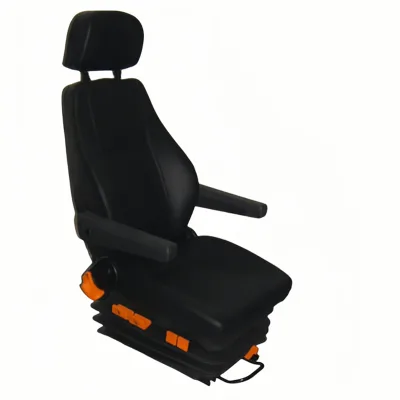
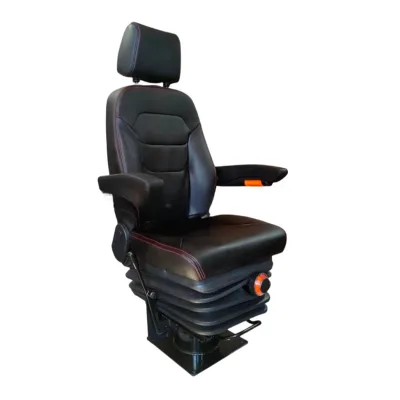
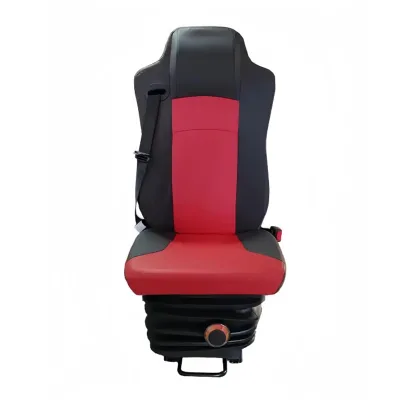
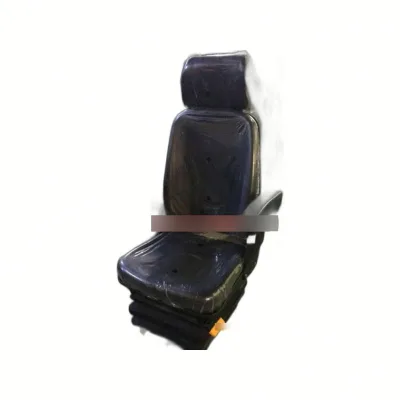




Comprehensive Sourcing Guide
Strategic Sourcing Guide for Universal Adaptation Excavator Seats
Understanding the Product Category and Core Specifications
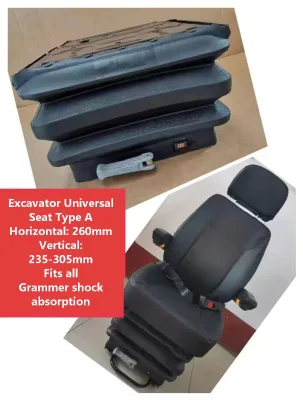
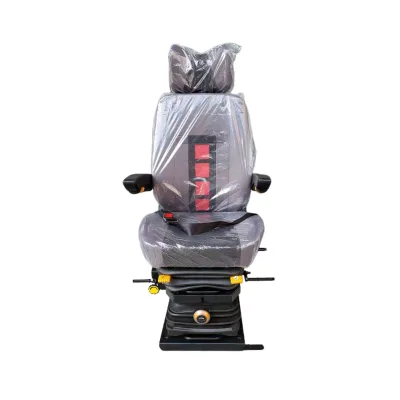
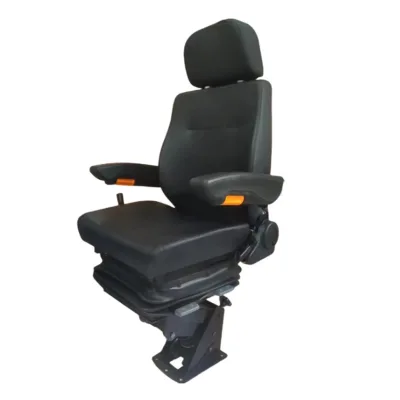
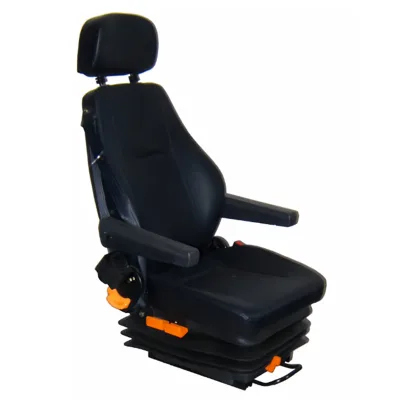
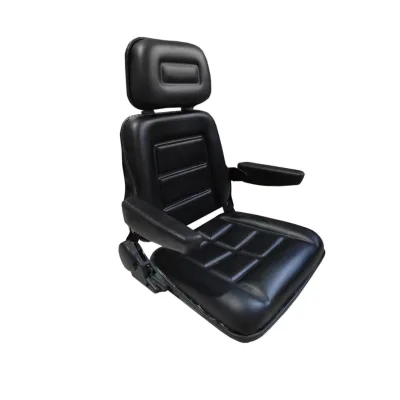
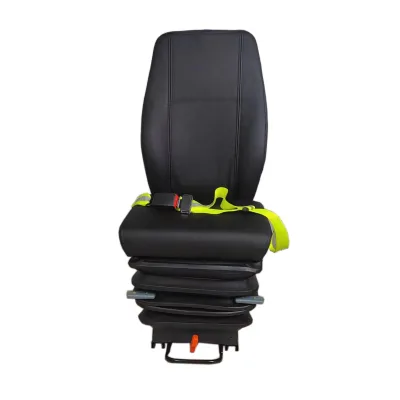
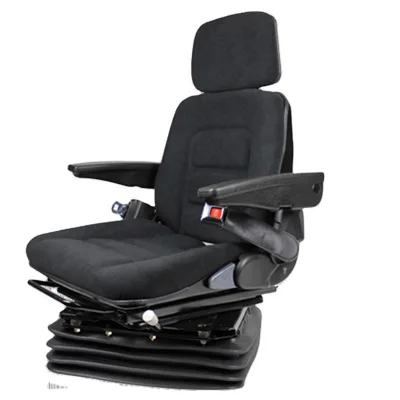
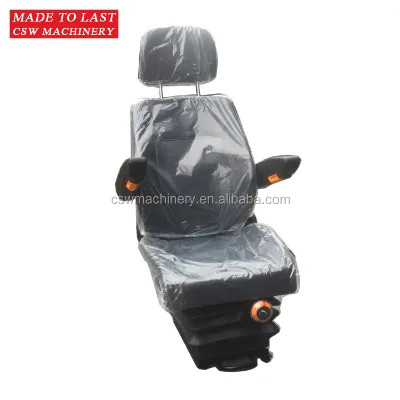
The procurement of a Universal Adaptation Excavator Seat requires a precise understanding of the product's structural definition and its intended operational environment. In the B2B market, these seats are categorized as general seats designed specifically for heavy machinery applications, with a primary focus on excavators. The core functionality revolves around providing operator comfort and safety while accommodating a wide range of machine models. The product attributes indicate that these seats are typically constructed from Polyurethane (PU) materials, which offer durability and resistance to wear in demanding industrial settings.
A critical observation in the current market is the variability in model numbers and dimensions. While the core keyword emphasizes "universal adaptation," the specific product listings reveal distinct model identifiers such as XJM-3002, XJM-1504, and SLM-10. These models often correspond to specific dimensional standards. For instance, packaging standards vary significantly, with observed single package sizes ranging from 58x58x68 cm to 66x63x68 cm. Furthermore, the physical dimensions of the seats themselves are not uniform; some listings cite standards of 85x75x60 cm, while others specify 66x56x40 cm or 600x520x650 mm. This variance underscores the necessity for buyers to verify the exact physical footprint required for their specific excavator cabin before placing an order. The seats are generally described as brand-new, with some listings explicitly stating "100% brand-new" condition, ensuring that the procurement is for fresh inventory rather than refurbished units.
Compatibility and Brand Integration
One of the most significant value propositions for the Universal Adaptation Excavator Seat is its broad compatibility with major global machinery manufacturers. The product data confirms that these seats are engineered to fit a vast array of brands, including but not limited to Volvo, Caterpillar, Komatsu, Hitachi, John Deere, Sany, and Liebherr. The list of compatible brands extends to include specialized manufacturers such as Herrenknecht, Sandvik, and Doosan, indicating that the seat design is versatile enough to meet the mounting requirements of diverse equipment types.
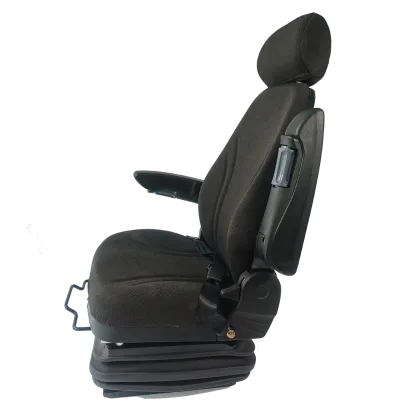
However, the term "universal" in this context should be interpreted with caution. While the seats are marketed as having "Universal Adaptation" and "Car Fitment: Universal," the specific model numbers often suggest targeted compatibility. For example, one specific listing highlights a model number explicitly designated "for volvo excavator seat," while another lists "Compatible Brand: ZOOMLION, Kubota, Herrenknecht." This suggests that while the seat may be adaptable, the mounting hardware or specific fitment might vary by brand. Buyers must cross-reference the specific model number of their excavator with the supplier's compatibility list. The presence of accessories such as handrests and headrests in some configurations further complicates the compatibility matrix, as not all universal seats include these features by default. Therefore, the procurement strategy must involve a detailed audit of the existing cabin mounting points and the specific accessory requirements of the operator to ensure a seamless integration.
Cost Drivers and Pricing Dynamics
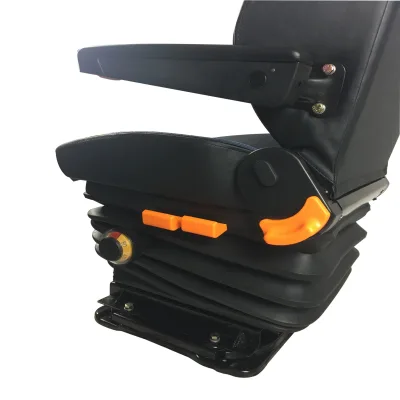
The pricing structure for universal adaptation excavator seats in the current market exhibits a wide range, with observed listed prices spanning from $10 to $556.49 USD. This significant variance is driven by several factors, including the complexity of the seat design, the inclusion of suspension systems, and the level of customization required. Some listings describe the product simply as a "General Seat," while others specify "Suspension Truck Seat," implying a higher price point for advanced ergonomic features.
The Minimum Order Quantity (MOQ) is another critical cost driver. The market data shows an MOQ range from 1 piece to 100 pieces, with specific listings indicating an MOQ of 1 piece for certain models and 2 pieces for others. This flexibility allows small fleet operators to procure single units without significant capital outlay, while larger organizations can leverage bulk purchasing to negotiate better terms. The selling units are typically listed as "Single item," which simplifies the ordering process for individual replacements.
Additionally, the packaging method influences the final landed cost. Products are shipped in cartons, with some options offering "Carton and Pallet" configurations for bulk shipments. The single gross weight of the seats is observed to be around 28.0 kg, with some listings noting a weight of 30 kg per carton. These weight figures are essential for logistics planning, as they directly impact shipping costs, particularly for international orders originating from China. Buyers should also consider the potential for custom packaging requests, as some suppliers offer "Carton or According to Customer Request" options, which may incur additional fees but provide better protection during transit.
Supplier Evaluation and Geographic Considerations
When evaluating suppliers for universal adaptation excavator seats, geographic origin plays a pivotal role in the supply chain dynamics. The majority of the observed products originate from China, with specific manufacturing hubs identified in Shandong, Guangdong, and Zhenjiang, Jiangsu. These regions are known for their robust manufacturing capabilities in the heavy machinery parts sector. The "Place of Origin" and "Country of Origin" fields consistently point to these Chinese provinces, suggesting a centralized supply chain for this product category.
Supplier reliability is further assessed through various attributes provided in the product listings. A key differentiator is the availability of video outgoing-inspection services. Some suppliers offer this service, allowing buyers to visually verify the product condition before shipment, while others indicate that this service is "Not Available." This distinction is crucial for buyers who require visual confirmation of the product quality prior to finalizing the transaction. Additionally, the brand name associated with the product varies, ranging from specific manufacturer names like "JIN DA" to generic "OEM" or "SL" branding. Buyers should be aware that OEM branding often implies that the product is manufactured to the specifications of another brand, which can be advantageous for maintaining consistency with existing fleet parts.
The delivery time is another critical factor in supplier selection. Some suppliers advertise a rapid delivery time of "Within 24h," which is highly advantageous for urgent replacement needs. However, this should be verified against the actual production lead time and shipping duration. The port of shipment is also a relevant detail, with Guangzhou Port identified as a primary shipping location. Buyers must factor in the time required for the product to travel from the port to their destination, as this can significantly impact the overall lead time.
Quality Control and Compliance Verification
Ensuring the quality and compliance of universal adaptation excavator seats is paramount for maintaining operational safety and minimizing downtime. While the product listings provide some quality indicators, such as "Condition: New" and "100% Brand-new," buyers must conduct their own due diligence regarding certifications and standards. The provided data includes references to various standards, including ISO9001:2015, ISO45001:2018, and ISO14001, although these are listed as low-confidence background information and should not be assumed to apply to every listed product without verification.
Buyers should explicitly request certification documentation from suppliers to confirm compliance with relevant safety and quality standards. The product specifications mention a "Standard" classification, but the specific technical standards for the seat's construction, such as ISO 7096 or EN 13490, require confirmation. The absence of a warranty in some listings ("Warranty: Unavailable") is a significant red flag that buyers must address. In a B2B context, a lack of warranty coverage can expose the buyer to financial risk if the product fails prematurely. Therefore, it is essential to negotiate warranty terms as part of the procurement agreement.
Furthermore, the customization options available, such as "Customizable" color and "Customization: Available," allow buyers to tailor the product to specific operational needs. However, customization can introduce variability in quality control. Buyers should establish clear quality benchmarks and inspection protocols for customized orders. The availability of video outgoing-inspection, where offered, serves as a valuable tool for verifying that the customized product meets the agreed-upon specifications before it leaves the factory.
Long-Term Procurement and Operational Considerations
For long-term procurement strategies, buyers must consider the lifecycle of the Universal Adaptation Excavator Seat. The product attributes indicate that these seats are designed for heavy-duty applications, with a focus on durability and comfort. The inclusion of accessories like handrests and headrests suggests a focus on operator ergonomics, which can contribute to reduced fatigue and improved productivity over extended shifts.
The "Universal Adaptation" feature is particularly valuable for fleet operators managing diverse machinery. By standardizing on a single seat model that fits multiple brands, operators can simplify their spare parts inventory and reduce the complexity of maintenance. However, the variability in model numbers and dimensions observed in the market necessitates a careful inventory management strategy. Buyers should maintain a detailed database of the specific seat models required for each machine in their fleet to avoid compatibility issues during replacement.
Sustainability and environmental compliance are also becoming increasingly important in B2B procurement. While the product listings do not explicitly detail environmental certifications, buyers should inquire about the materials used in the seat construction, particularly the PU material, to ensure they meet any internal sustainability goals. The "Packing: Sea worth packing" attribute indicates that the packaging is designed to withstand long-distance shipping, which is essential for maintaining product integrity during transit.
In conclusion, sourcing universal adaptation excavator seats requires a balanced approach that considers technical specifications, compatibility, cost, supplier reliability, and quality control. By leveraging the available product data and conducting thorough due diligence, buyers can secure high-quality seats that meet their operational needs while minimizing risk and maximizing value. The dynamic nature of the market, with its wide range of prices, MOQs, and customization options, offers significant opportunities for strategic procurement, provided that buyers remain vigilant in their verification processes.
FAQs
What is the condition of the Universal Adaptation Excavator Seat?
The seats are listed as new or 100% brand-new in all observed listings. Buyers should verify specific condition claims as some suppliers may not offer warranty coverage for these units.
Which brands are compatible with this excavator seat?
The seats adapt to major brands like Volvo, Caterpillar, Komatsu, and Hitachi. Compatibility extends to ZOOMLION, Kubota, and Sany, but specific model numbers must be checked for fitment.
Can I request custom packaging for the excavator seat?
Yes, customization is available for packaging options like cartons or pallets. Some suppliers offer packing according to customer requests, which may affect shipping dimensions and costs.
How does the MOQ vary for universal adaptation excavator seats?
Minimum order quantities range from 1 piece to 100 pieces depending on the supplier. Specific listings show an MOQ of 1 piece for some models and 2 pieces for others.
What is the delivery time for these excavator seats?
Some suppliers offer delivery within 24 hours for urgent orders. However, actual lead times depend on the specific factory location and shipping method chosen by the buyer.
Which materials are used to construct the excavator seat?
The seats are primarily constructed from Polyurethane (PU) material. Some listings specify other materials, so buyers should confirm the exact composition before purchasing.
Can I get a video inspection before the seat is shipped?
Video outgoing-inspection is provided by some suppliers but not available for all listings. Buyers should confirm this service availability to verify product condition prior to shipment.