Source Upper Body Workout Chest Expander for Home Gym and Fitness
Compare 30 Upper Body Workout Chest Expander options from verified Chinese suppliers. Buyers can evaluate models like IR97705 and AFT-R005 based on materials such as latex, steel, and TPE, along with customization and certification details for fitness applications; compare the available evidence and request quotations based on your requirements.
Key considerations
Products List


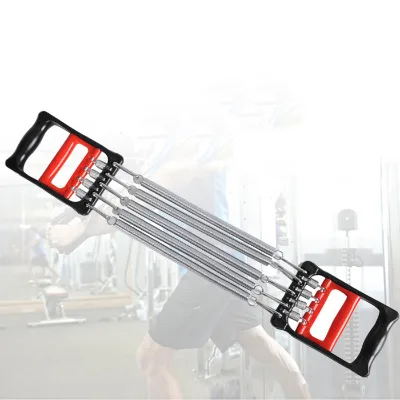


Fitness Resistance Band Tube Adjustable Exercise 5 Springs Chest Expander
$1.99 - $2.35
MOQ: 100 Pieces

Wholesale Arm Leg Stretching Slimming Gym Equipment Muscle Training Travel Chest Expander
$0.40 - $0.60
MOQ: 1700 Pieces
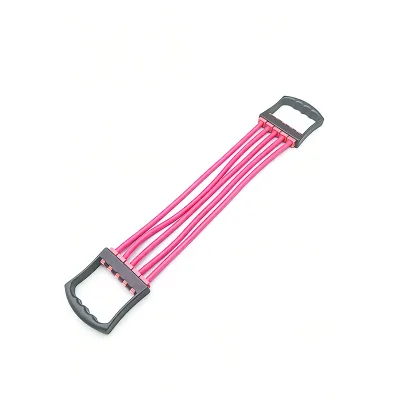


High Quality Hand Power Expander Spring Expander Chest Expander Home Use
$2.53 - $2.80
MOQ: 1000 Pieces


gym machine,Fitness equipment,Exercise Machine,Multi Hyperextension- PT-850
$239.00 - $299.00
MOQ: 1 Pieces

Fitness Equipment,Gym machine,fitness and Body Building Machine,Arm Curl- PT-803
$636.00 - $736.00
MOQ: 1 Pieces


Fitness Equipment,Body Building Machine,Gym machine,Lat Pulldown -PT-809
$800.00 - $900.00
MOQ: 1 Pieces

Comprehensive Sourcing Guide
Upper Body Workout Chest Expander Sourcing Guide
Sourcing upper body workout chest expanders requires a clear understanding of the diverse product landscape available from manufacturers, particularly those originating from major production hubs like Hebei, China. Buyers must navigate a wide array of models, including specific designations such as Chest Expander3, IR97705, and Spring Chest Expander3, each potentially offering distinct mechanical advantages or material compositions. The market signals indicate a high degree of customization, with many suppliers offering tailored solutions for branding and functional adjustments. This flexibility allows procurement teams to align product specifications closely with their target demographic’s needs, whether for home use, gym environments, or specialized fitness applications.
The observed product range spans from basic resistance bands to more complex metal-based expanders, reflecting varied consumer preferences for durability and resistance levels. Key attributes such as foldability, condition, and specific exercise parts targeted, such as the chest or arms, are critical differentiators. For instance, some units are designed to be folded for portability, while others remain unfolded for stationary use. Understanding these physical characteristics is essential for determining the appropriate packaging and shipping logistics, as well as for ensuring the product meets the specific ergonomic requirements of the end-user. Buyers should prioritize suppliers who provide detailed model numbers and clear functional descriptions to avoid misalignment between expectations and delivered goods.
Product Scope and Observed Listing Signals
The current market for chest expanders exhibits a broad spectrum of material standards, including ABS, TPR, Latex, PP, Rubber, TPE, PE, and Steel. These materials directly influence the product’s durability, resistance profile, and user comfort. For example, products utilizing TPE and foam offer a softer touch, while metal steel constructions provide robust, long-lasting resistance. The presence of certifications such as CE, RoHS, and ISO suggests that many manufacturers adhere to international quality and safety benchmarks. Buyers should verify that the specific model they intend to source matches the material composition required for their application, as mixing material types without proper verification can lead to inconsistent performance and customer dissatisfaction.
Listing signals also reveal significant variability in packaging and branding options, with suppliers offering carton, box, or OPP bag packaging. Customization is widely available, including customized logos and specific color options like silver or steel metal colors. This level of customization is particularly valuable for private label brands seeking to establish a distinct market identity. However, buyers must carefully review the sample availability and lead times, as some suppliers indicate delivery times of 3-5 days, while others may have longer production cycles. Understanding these logistical signals helps in planning inventory levels and managing customer expectations regarding delivery speeds and product availability.
Technical Specifications to Verify
When evaluating technical specifications, buyers must pay close attention to the model numbers and associated dimensions, such as the 66*11.5cm size for certain resistance bands or the 53X20X5 cm single package size for other units. These dimensions are crucial for determining storage requirements and shipping costs, especially when importing in bulk. The functional attributes, including bodybuilding fitness, gymnastics, and yoga exercise capabilities, should be cross-referenced with the physical design of the expander. For instance, a chest expander designed for arm exercises may have a different handle configuration or resistance band arrangement compared to one focused on chest development. Verifying these functional alignments ensures the product meets the intended use case.
Additionally, the condition of the product, whether new or refurbished, and its foldability status are critical technical details. Products listed as folded offer advantages in terms of space efficiency and portability, which is a key selling point for home fitness equipment. Conversely, unfolded units may offer greater stability during intense workouts. Buyers should also verify the single gross weight, such as 1.500 kg for certain items, to accurately calculate freight costs and ensure compliance with shipping carrier weight limits. Clear technical specifications reduce the risk of receiving products that do not match the ordered model, thereby minimizing returns and customer complaints.
Compliance and Safety Documentation
Compliance with international standards is paramount when sourcing fitness equipment, particularly for markets with strict regulatory requirements. Certifications such as CE and RoHS indicate that the products meet European health, safety, and environmental protection standards. Buyers should request valid certification documents from suppliers to verify that the specific models they are purchasing are covered under these certifications. ISO certification further suggests a commitment to quality management systems, which can be an indicator of consistent manufacturing practices. However, buyers must ensure that the certifications are current and applicable to the specific product variants, as outdated or generic certifications may not provide adequate legal protection or market access.
Safety documentation should also include material safety data sheets, especially for products containing latex, rubber, or chemical-based materials like TPE and ABS. These documents provide critical information on potential allergens, chemical composition, and handling instructions. For products targeting specific demographics, such as women or adults, buyers should verify that the design and material choices are appropriate for the intended user group. Additionally, clear labeling and instruction manuals in the target market’s language are essential for ensuring safe and effective use. Proper compliance documentation not only mitigates legal risks but also enhances brand trust and consumer confidence in the product’s safety and quality.
Cost Drivers and Commercial Terms
Cost drivers for chest expanders include material selection, customization levels, and order volume. Products made from premium materials like steel or specialized TPE blends may command higher prices compared to those made from basic plastics or latex. Customization options, such as logo printing or unique packaging, can also increase the unit cost. Buyers should negotiate based on the total cost of ownership, including shipping, duties, and potential returns, rather than focusing solely on the unit price. The observed MOQ range of 1-1700 pieces offers flexibility for both small-scale testers and large-volume buyers, allowing for strategic ordering based on demand forecasts and cash flow considerations.
Commercial terms such as payment methods, delivery times, and return policies are critical components of the procurement agreement. Suppliers indicating a delivery time of 3-5 days may offer faster turnaround for standard items, but customized orders may require longer lead times. Buyers should clarify these timelines upfront to avoid supply chain disruptions. Additionally, understanding the shipment options, such as DHL, UPS, FedEx, TNT, or EMS, helps in selecting the most cost-effective and reliable shipping method. Clear commercial terms reduce ambiguity and ensure that both parties have a shared understanding of their responsibilities, leading to smoother transactions and fewer disputes.
Supplier Qualification and Quality Control
Supplier qualification involves assessing the manufacturer’s production capabilities, quality control processes, and track record. Buyers should request samples to evaluate the product’s build quality, material feel, and functional performance. The availability of samples, as indicated by some suppliers, is a positive sign of confidence in their product quality. Additionally, verifying the supplier’s production location, such as Hebei, China, can provide insights into their supply chain efficiency and cost structure. Buyers should also inquire about the supplier’s quality control procedures, including inspection protocols and defect rates, to ensure consistent product quality.
Quality control should extend beyond the initial sample approval to include ongoing monitoring of production batches. Buyers may consider implementing third-party inspections or audits to verify that the manufactured goods meet the agreed-upon specifications. This is particularly important for customized orders, where deviations from the design can be costly. Establishing a clear communication channel with the supplier for addressing quality issues is also essential. By prioritizing supplier qualification and rigorous quality control, buyers can minimize the risk of receiving substandard products and maintain a high level of customer satisfaction.
Long-Term Procurement Checks
Long-term procurement success depends on continuous monitoring of supplier performance and market trends. Buyers should regularly review supplier metrics, such as on-time delivery rates, product defect rates, and responsiveness to issues. This data-driven approach helps in identifying potential suppliers for diversification or addressing underperformance in existing relationships. Additionally, staying informed about changes in material costs, regulatory requirements, and consumer preferences allows buyers to adapt their sourcing strategies proactively. For instance, a shift towards more eco-friendly materials or new fitness trends may necessitate updates to product specifications or supplier selection criteria.
Building a resilient supply chain also involves fostering strong relationships with key suppliers and exploring opportunities for collaboration. This can include joint product development, volume commitments, or shared logistics solutions. By maintaining a flexible and adaptive sourcing strategy, buyers can mitigate risks associated with supply chain disruptions and market volatility. Regularly revisiting procurement policies and ensuring alignment with broader business objectives is essential for sustaining long-term competitiveness. Ultimately, a proactive and informed approach to procurement ensures that the business remains agile and responsive to changing market conditions.
FAQs
What certifications do these chest expanders have?
These chest expanders carry CE, RoHS, and ISO certifications to ensure safety and compliance. The products are new and customized for specific needs. They are made from materials like ABS, TPR, and latex. This ensures they meet international standards for fitness equipment used in home or gym settings.
Can I get customized logos on the product?
Yes, customized logos are available for these chest expanders. The product allows for full customization including specific models and materials. Buyers can request unique branding on the packaging or the device itself. This service supports businesses looking to create their own branded fitness line.
What is the minimum order quantity for purchase?
The minimum order quantity starts at just one piece for some models. Other listings may require up to 1700 pieces depending on the specific supplier. This flexibility allows small buyers to test products while supporting larger bulk orders. Check specific listings for exact MOQ requirements before placing an order.
How long does delivery take for these items?
Delivery time is typically 3 to 5 days for these chest expanders. Shipping methods include DHL, UPS, FedEx, TNT, and EMS for fast global transport. The products originate from Hebei, China, ensuring efficient logistics. Buyers should confirm specific lead times with the supplier for accurate planning.
Which materials are used to make these expanders?
These expanders are constructed from durable materials like metal steel, TPE, foam, and rubber. Some models use ABS and PP for structural integrity. The combination of steel and rubber ensures strong adjustable resistance levels. These materials are selected for longevity and safety during intense upper body workouts.
Are samples available for testing before bulk order?
Available samples can be requested to test the product quality before committing to a bulk order. This allows buyers to verify the customization options and material strength. The single package size is compact, making sample shipping cost-effective. Buyers should contact suppliers directly to arrange sample requests.
What exercise parts do these expanders target?
These expanders primarily target the chest and arm muscles for effective upper body workouts. Some models also support leg exercises and general bodybuilding fitness. They are suitable for gymnastics and yoga exercises as well. The design ensures comprehensive muscle engagement for a complete fitness routine.