Source Urban Use Electric City Bus for Transit, BRT, and Resorts
Find 30 Urban Use Electric City Bus models with capacities from 49 to 59 seats. Compare specifications including 120kW motor power, 48V lithium iron phosphate batteries, and ranges up to 350km for diverse operational needs; compare the available evidence and request quotations based on your requirements.
Key considerations
Products List


Fashionable Electric City Bus with Good Design and EV Electric Shuttle Bus
$2980.00 - $3980.00
MOQ: 1 Pieces


Urban Transport Bus for Efficient City Commuting Solutions Eco-Friendly Urban Bus
$9500.00 - $9800.00
MOQ: 1 Pieces


Power-Saving Bus for Daily City Rides and Transit Routes Electric Bus
$43000.00 - $55900.00
MOQ: 1 Pieces

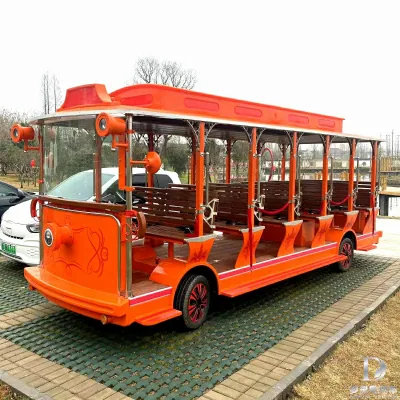
$9999.00 - $18888.00
MOQ: 1


High Quality Urban City Bus 2axle Low Floor Electric Bus for Passengers
$69900.00 - $115000.00
MOQ: 1 Sets


Comprehensive Sourcing Guide
Urban Use Electric City Bus Sourcing Guide
Procuring urban electric city buses requires a precise understanding of the specific operational profiles these vehicles are designed to serve. The observed market data indicates a strong focus on low-floor configurations optimized for high-frequency passenger boarding and alighting in dense city environments. Buyers must distinguish between models intended for standard municipal transit and those tailored for specialized applications like BRT systems or resort shuttles, as the structural and capacity requirements differ significantly.
The available inventory highlights a diverse range of battery capacities and ranges, from 50.23 kWh units with 260 km ranges to larger 85.89 kWh and 127 kWh configurations supporting up to 350 km of operation. This variance necessitates a rigorous initial assessment of the intended route length and charging infrastructure capabilities. Selecting a vehicle with insufficient range for the daily schedule can lead to operational bottlenecks, while over-specifying capacity may result in unnecessary weight and cost penalties that reduce overall fleet efficiency.
Product Scope and Observed Listing Signals
The current market listings reveal a clear segmentation based on vehicle size and seating capacity, with options ranging from compact 28-seat units to large 52-seat buses. The observed product models, such as the XML6593JEVLD and XML6532JEVLD, suggest a focus on medium-to-large capacity vehicles suitable for main arterial routes. Buyers should carefully cross-reference the listed seating configurations, such as 52/15-29 or 49/15-29, against their specific passenger volume forecasts to ensure the selected chassis can handle peak load demands without compromising safety or comfort.
Packaging and delivery standards vary significantly across the observed listings, with some units listed as "Container" packed while others are marked as "Normal Packaging" or "No Package." This distinction is critical for logistics planning, as the method of transport directly impacts the condition of the vehicle upon arrival and the associated freight costs. Procurement teams must verify whether the supplier includes necessary protective measures for the battery and bodywork during transit, especially for long-distance shipments from the observed origin in China to international destinations.
Technical Specifications to Verify
Technical due diligence must begin with the powertrain and battery architecture, as these components define the vehicle's operational viability. The observed data points to Lithium Iron Phosphate (LiFePO4) battery types, which offer distinct safety and longevity advantages over other chemistries, with specific brands like Catl appearing in the listings. Buyers should verify the exact battery capacity in kilowatt-hours and the corresponding range under real-world urban driving conditions, ensuring the 48V system architecture aligns with the vehicle's motor power output of 120 kW or similar ratings.
Chassis and dimensional specifications are equally vital for urban integration, particularly regarding the wheelbase and overall vehicle footprint. The listings indicate wheelbases ranging from 3650 mm to 4400 mm, which directly influence turning radius and maneuverability in tight city streets. Additionally, the maximum speed ratings, observed between 51 km/h and 69 km/h, must be validated against local traffic regulations and the specific speed requirements of the intended route to ensure the vehicle is neither underpowered nor exceeding safe operational limits for urban environments.
Compliance and Safety Documentation
Regulatory compliance is a non-negotiable aspect of sourcing electric city buses, with the CCC certification appearing as a key standard in the observed product attributes. This certification indicates that the vehicle meets specific Chinese national safety and quality standards, which is often a prerequisite for domestic registration and a baseline for international acceptance. Procurement teams must request full certification documentation to confirm that the specific model, such as the RT2436 or EQ series, holds valid approval for the target market's regulatory framework.
Emission standards and safety features must also be scrutinized, even for zero-emission electric vehicles. The observed listings reference EuroFuel:Electric standards, implying adherence to specific environmental protocols, though buyers should verify the exact emission compliance level required by their local jurisdiction. Furthermore, the presence of safety features like LHD steering positions and specific tire sizes, such as 215/75r17.5 or 225/70r19.5, must be confirmed to ensure the vehicle is legally compliant and safe for the specific road conditions and traffic patterns of the intended urban deployment.
Cost Drivers and Commercial Terms
The pricing landscape for urban electric buses is influenced heavily by battery capacity and vehicle size, with observed listings ranging from approximately $2,980 to $279,999. This wide disparity suggests that the final cost is driven by the specific configuration of the battery pack, the inclusion of luxury features, and the overall seating capacity. Buyers should analyze the cost-per-seat and cost-per-kilometer metrics rather than focusing solely on the sticker price to determine the true economic value of each vehicle option within their fleet strategy.
Commercial terms regarding minimum order quantities and packaging are generally flexible, with observed MOQs as low as one unit, allowing for pilot deployments or small fleet expansions. However, the packaging method, whether "Container," "Normal Packaging," or "No Package," significantly impacts the total landed cost and must be factored into the budget. Procurement teams should negotiate clear terms regarding the delivery of the vehicle in a ready-to-operate state, ensuring that any necessary accessories or charging equipment are included in the final commercial agreement.
Supplier Qualification and Quality Control
Supplier qualification should prioritize manufacturers with a proven track record in producing electric buses for urban transit applications. The observed product models and specifications suggest a concentration of manufacturers capable of producing complex electric drivetrains and large-scale battery systems. Buyers should verify the supplier's production capacity and their ability to maintain consistent quality across different batches, as the complexity of electric bus manufacturing requires rigorous assembly line controls and testing protocols.
Quality control processes must extend beyond the final inspection to include the verification of critical components like the battery and motor. The presence of specific battery brands and standardized dimensions in the listings indicates a level of supply chain maturity, but buyers should still request detailed quality assurance reports for each unit. Establishing a clear protocol for pre-shipment inspections and post-delivery testing is essential to mitigate risks associated with component failures and to ensure the vehicle meets the expected performance standards for daily urban service.
Long-Term Procurement Checks
Sourcing electric city buses is a long-term commitment that requires a strategic approach to maintenance and lifecycle management. Buyers should evaluate the availability of spare parts and the technical support infrastructure provided by the supplier, as the specialized nature of electric powertrains demands a robust after-sales network. The observed battery capacities and types suggest that battery health monitoring and replacement strategies will be a significant factor in the total cost of ownership over the vehicle's lifespan.
Future-proofing the fleet involves assessing the scalability of the charging infrastructure and the adaptability of the vehicle software. As urban transit needs evolve, the ability to update vehicle software or upgrade battery modules can extend the useful life of the asset. Procurement teams should include clauses in their contracts that address software support, battery warranty terms, and the supplier's commitment to providing updates or replacements for obsolete components to ensure the fleet remains competitive and efficient for years to come.
FAQs
What battery capacity options are available for these electric buses?
Available battery capacities include 50.23 kWh and 85.89 kWh depending on the specific model configuration. These Lithium Iron Phosphate storage batteries support ranges of 260 km or 350 km respectively. Buyers can select the capacity that best fits their urban route requirements and operational needs.
Which certification standards do these electric city buses meet?
These vehicles meet the CCC certification standard required for operation in specific regions. The models are designed to comply with logistic standards and emission requirements for electric medium buses. This ensures regulatory compliance and safety for public transport applications in urban environments.
Can buyers request customization for the electric bus specifications?
Yes, customization is available for these electric city buses to meet specific operational needs. Buyers can adjust features like seating capacity, which ranges from 15 to 59 seats depending on the model. This flexibility allows operators to tailor the vehicle for different passenger volumes and service types.
What is the maximum speed of the electric city bus models?
The maximum speed for these electric buses ranges between 51 and 70 km per hour. Specific models achieve speeds up to 69 km per hour with a motor power of 120 kW. This speed range is suitable for efficient urban transit while maintaining safety and energy efficiency standards.
How is the electric bus packed for shipping from China?
Packaging methods vary by model, with options including container shipping or normal packaging. Some units may arrive with no package depending on the specific configuration and shipping requirements. Buyers should confirm the packing details with the supplier to ensure safe transport of the vehicle.
What is the wheelbase dimension for the electric bus models?
Wheelbase dimensions vary by model, with options including 3650 mm and 4400 mm. These dimensions affect the turning radius and stability of the bus on urban roads. Selecting the correct wheelbase ensures the vehicle fits the specific infrastructure and route constraints of the intended service area.