Source USB Rechargeable Waist Heat Compress for Pain Relief
Find and compare 30 listings for USB Rechargeable Waist Heat Compress from verified factories. Buyers can evaluate heating time, material composition, and customization options to select the right supplier for rehabilitation therapy needs.
Key considerations
Products List
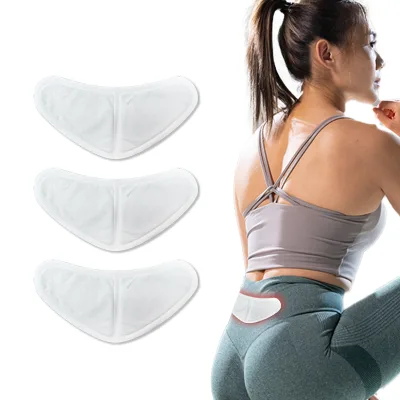
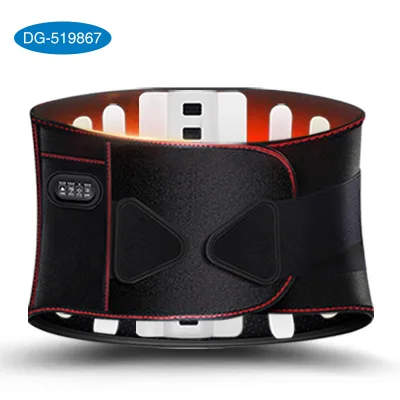


Reusable Microwavable Warm Compress Pack Moist Heat Therapy Heating Pad
$2.30 - $6.50
MOQ: 1000 Pieces


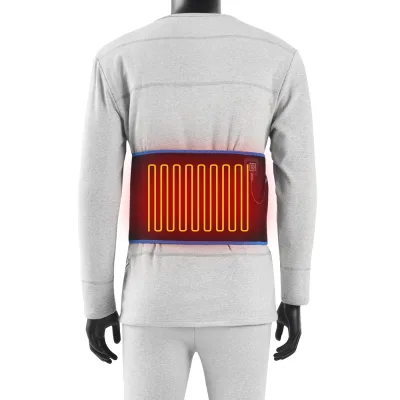
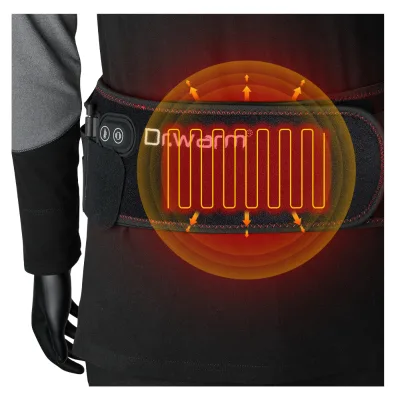


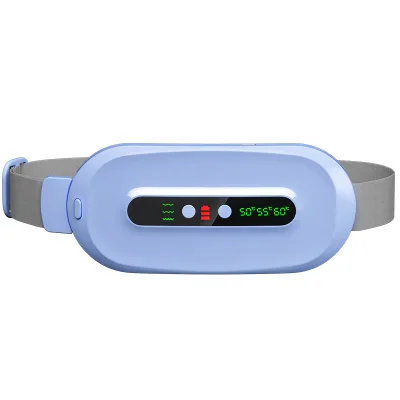
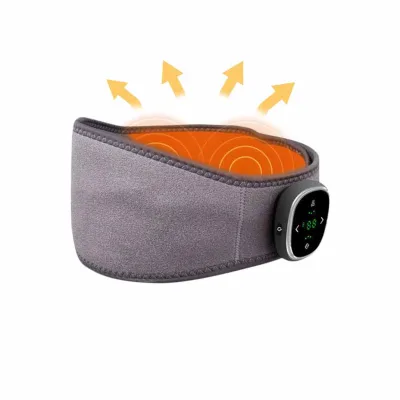


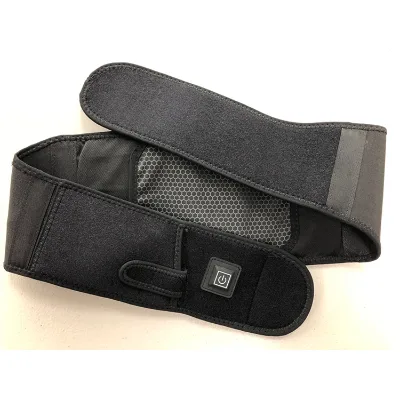
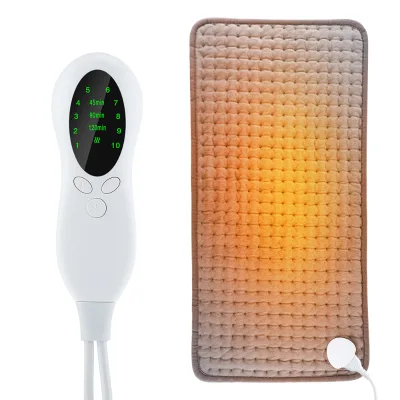
Comprehensive Sourcing Guide
Strategic Sourcing Guide for USB Rechargeable Waist Heat Compress Solutions
Navigating the B2B market for thermal therapy devices requires a disciplined approach to distinguishing between disposable chemical warmers and reusable electronic systems. While the core keyword often leads buyers to search for "USB Rechargeable Waist Heat Compress," the actual product landscape includes a diverse range of heating technologies. A comprehensive sourcing strategy must first clarify the fundamental difference between passive chemical heating elements and active electric heating units. This guide provides an evidence-based framework for evaluating suppliers, verifying technical specifications, and ensuring compliance with international safety standards for waist heating products.
Distinguishing Heating Technologies and Core Specifications
The primary challenge in sourcing waist heating solutions lies in identifying the correct heating mechanism. The market contains both single-use chemical patches and reusable electric devices. Buyers must scrutinize the product description to confirm the presence of an electric heating element rather than a chemical reaction. In the observed product data, specific attributes such as "Function: Electric heating" and "Heating time: 6 hours" indicate a reusable, active thermal device. Conversely, products listing ingredients like "Iron powder, vermiculite, activated carbon, salt, water" represent disposable chemical warmers that generate heat through oxidation.
When evaluating technical specifications, the power source is a critical differentiator. A true USB rechargeable unit must include a built-in battery and a charging interface. The product data indicates a "Model Number" system that varies significantly between manufacturers, such as "20240929" or "519867," which serves as a unique identifier for specific production batches. Buyers should verify the physical dimensions against their ergonomic requirements. Observed sizes range from specific dimensions like "20*10cm" to generic "One Size" configurations. The "Single package size" of "20X10X0.1 cm" suggests a slim profile, which is essential for discreet wear under clothing. Additionally, the "Weight" of approximately "41g" per unit is a standard metric for lightweight wearable devices, ensuring user comfort during extended wear.
Compliance Verification and Certification Standards
For medical and therapeutic devices, regulatory compliance is non-negotiable. The product data explicitly lists "Instrument classification: Class I," which typically refers to low-risk medical devices in many jurisdictions. However, buyers must independently verify if the specific model holds valid certification for their target market. The observed data includes a comprehensive list of potential certifications: "Reach, CE, ISO, En71, MSDS, USP61." These standards cover chemical safety, electrical safety, and biocompatibility.
A robust sourcing strategy requires confirming the validity of these certificates rather than accepting them as marketing claims. The "CE" mark indicates conformity with health, safety, and environmental protection standards for products sold within the European Economic Area. "ISO" certification generally refers to quality management systems, while "Reach" ensures compliance with chemical regulations in the EU. For products intended for the North American market, buyers should look for additional safety testing not explicitly listed in the general data but often required for electrical devices. The presence of "BSCI, BV Audit" in the factory audit section indicates that the supplier has undergone social compliance and business verification audits, which is a positive indicator of supply chain reliability.
Cost Drivers and Minimum Order Quantity Analysis
The pricing structure for waist heating devices is influenced by the complexity of the heating element, the battery capacity, and the level of customization. The observed price range in the market spans from "0.11-249" USD, reflecting a vast disparity between low-cost disposable chemical patches and high-end, feature-rich electric units. This wide range underscores the importance of defining the product category clearly before requesting quotes. A USB rechargeable unit with a battery and electronic control board will inherently cost more than a passive fabric patch.
Minimum Order Quantity (MOQ) is another significant cost driver. The data shows an MOQ range of "1-10001" units, with specific listings citing "100 PCS" or "1000 PCS." For buyers testing the market, suppliers offering "5pcs free sample supply" or "Free for Existing, Freight Collected" samples are valuable resources. However, the "Sample Leadtime" of "315 Days" and "Delivery Time" of "1545 Days for Mass Production" must be factored into the overall procurement timeline. High customization, such as "Customized Logo" via "Silk Printing, Offset Printing," or specific "Liquid Color" matching via "Pantone Color," often increases the MOQ and extends the lead time. Buyers should negotiate these terms based on their volume commitments to optimize the unit cost.
Supplier Evaluation and Manufacturing Capabilities
Selecting the right supplier involves assessing their business type and production capacity. The data identifies the supplier as a "factory," which implies direct manufacturing control and potentially better pricing than trading companies. The "Place of Origin" varies, with specific mentions of "Hebei, China," "Zhejiang, China," and "Shanghai." These regions are known for different manufacturing strengths; for instance, textile and fabric production is often concentrated in Zhejiang, while industrial manufacturing hubs may be located in Hebei.
The "Service" attribute listing "OEM and ODM" indicates that the supplier can offer Original Equipment Manufacturing and Original Design Manufacturing. This is crucial for buyers looking to create a branded product line. The "is_customized" attribute showing "No" in some listings suggests that certain models are off-the-shelf, while others with "Customization: Available" allow for tailored solutions. Buyers should verify the "Logo" options, which include "Customized Logo Accept," to ensure brand alignment. Furthermore, the "Material" composition, such as "OK Fabric, Mesh Fabric, Metal Spring," affects the durability and comfort of the device. A supplier with a "Factory Audit" history provides an additional layer of trust regarding their operational standards and ethical practices.
Quality Control and Material Integrity
Ensuring product quality requires a focus on the materials used and the safety features of the device. The "Feature" attributes observed include "Safe," "Adjustable," "Recyclable," and "Eco-friendly." These claims must be validated through physical testing and documentation. The "Temperature" specification of "60±5" degrees Celsius is a critical safety parameter. Buyers must verify that the heating element maintains this temperature range consistently without hot spots that could cause burns. The "Disposable: Non-Disposable" attribute confirms the reusability of the device, which necessitates a durable battery and robust heating element.
The "Single gross weight" of "41.000 kg" per package (likely referring to a master carton) versus the individual unit weight of "41g" highlights the importance of packaging efficiency. The "prod_packing" method of "OPP Bag & Carton" is standard for protecting the product during transit. Quality control checks should include testing the "Heating time" to ensure it meets the "6 hours" claim and verifying the "USB rechargeable" functionality for consistent power delivery. For products claiming "No Side Effect," buyers should request clinical or safety data to support these assertions, especially for devices used in "Health care and rehabilitation" applications.
Long-Term Procurement and Application Strategy
The application of waist heating devices spans "Health care and rehabilitation" to general comfort. The "Type" of product is categorized as "Hot Therapy" or "Rehabilitation Therapy Supplies," indicating a specific use case. Buyers should consider the "Style" of the device, such as "heating" or "bag" type, to ensure it fits the intended user demographic. The "Color" options, including "White," "Black," and "Silver," allow for aesthetic customization, which can be a differentiator in competitive markets.
Long-term procurement success depends on maintaining a relationship with a supplier capable of scaling production. The "Delivery Time" of "15~45 Days" suggests a need for advance planning to avoid stockouts. Buyers should also consider the "Selling Units" structure, which is listed as "Single item," simplifying inventory management. As the market evolves, the ability to adapt to new standards or certifications will be vital. Suppliers with "Customization: Available" and "Logo: Customized Logo Accept" are better positioned to support a growing brand's needs. Ultimately, a successful sourcing strategy balances technical performance, regulatory compliance, and supply chain reliability to deliver high-quality thermal therapy solutions to the end consumer.
FAQs
What is the heating time for the waist warmer patch?
The heating time is 6 hours for the observed waist warmer patch. This duration applies to the specific model with the 20240929 identifier and depends on the active heating element function.
Which certifications are available for the thermal therapy device?
Available certifications include Reach, CE, ISO, En71, MSDS, and USP61. These standards cover chemical safety and electrical compliance for the Class I instrument classification listed in the product data.
Can I get a free sample of the waist warmer patch?
Yes, 5pcs free sample supply is available for the waist warmer patch. However, freight is collected for existing samples, and the sample lead time ranges from 3 to 15 days.
What is the minimum order quantity for the heating device?
The minimum order quantity is 100 PCS for the specific model listed. Other listings indicate an MOQ of 1000 PCS, so the requirement depends on the specific supplier and product variant selected.
How is the temperature controlled in the electric heating unit?
The temperature is maintained at 60±5 degrees Celsius for the electric heating function. This specification ensures safe thermal therapy without exceeding the safe feature limit for the device.
What is the place of origin for the factory producing these items?
The place of origin is Hebei, China, Zhejiang, China, or Shanghai depending on the specific listing. These locations indicate the manufacturing hubs for the observed waist warmer patches and rehabilitation supplies.
Which customization options are available for the brand logo?
Customized logo options include Silk Printing and Offset Printing. The customization is available for the product, allowing for brand alignment while maintaining the standard single package size of 20X10X0.1 cm.