Source Motorcycle Clutch Center for CG150, GS125, and CBX250
Compare 30 listings for Motorcycle Clutch Center assemblies compatible with models like CG150, GS125, and CBX250. Buyers can review specifications, materials, and pricing to find suitable OEM parts from verified suppliers in China.
Key considerations
Products List
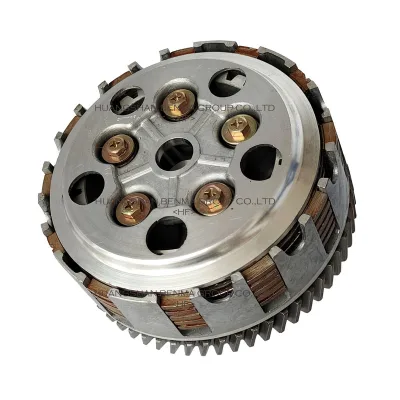


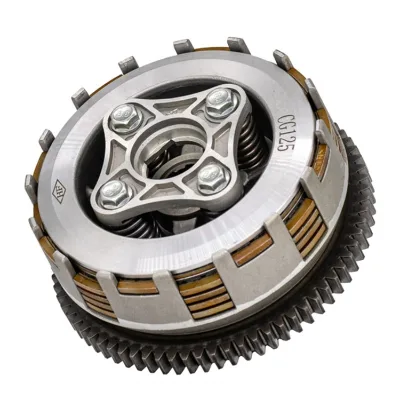
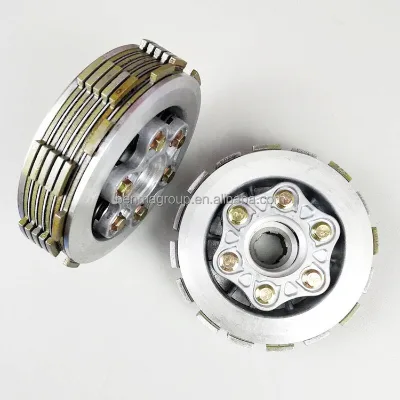
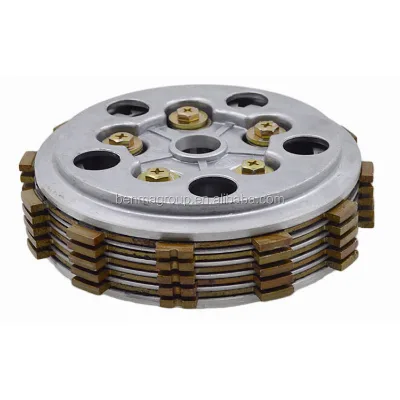


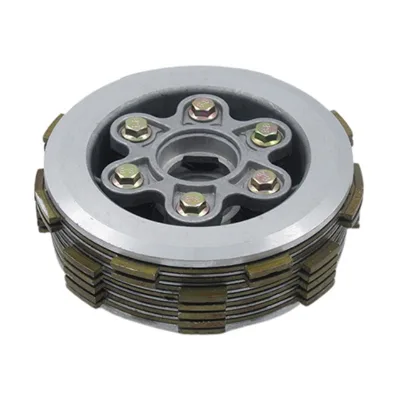


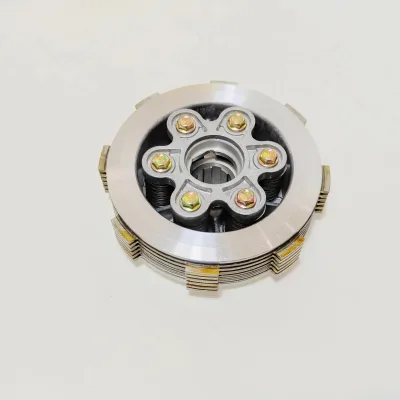
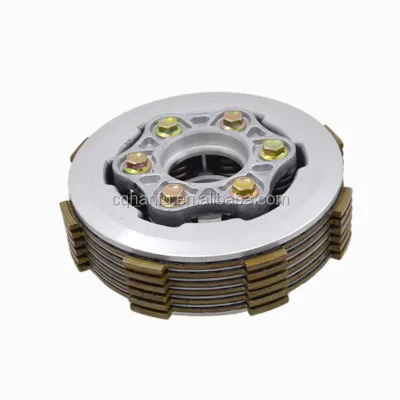

Comprehensive Sourcing Guide
Strategic Sourcing Guide for Motorcycle Clutch Center Assemblies
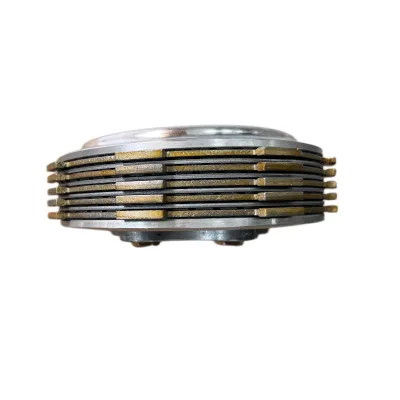
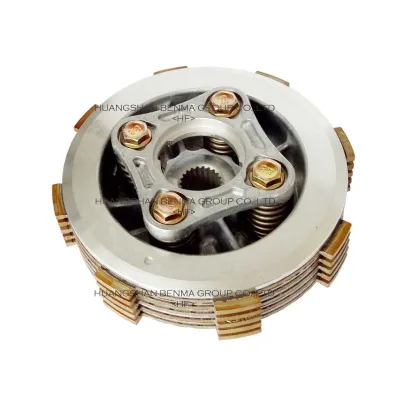
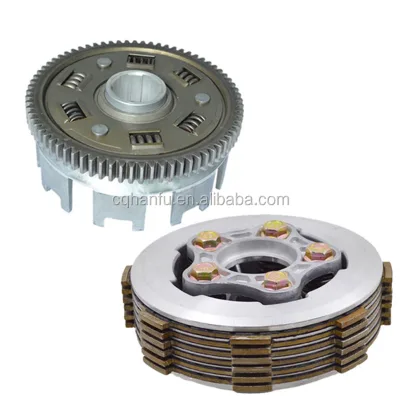
The Motorcycle Clutch Center assembly represents a critical powertrain component responsible for transmitting engine torque to the transmission while allowing for controlled disengagement during gear shifts. For procurement professionals sourcing this specific category, the market presents a diverse array of configurations ranging from single-cylinder units to multi-column designs. The core keyword "Motorcycle Clutch Center" encompasses various sub-assemblies, including friction discs, pressure plates, and center hubs, often sold as complete units or individual components. This guide provides a structured approach to evaluating suppliers, verifying technical specifications, and ensuring supply chain reliability without relying on unverified market claims.
Technical Specifications and Component Variability
When evaluating Motorcycle Clutch Center assemblies, buyers must first distinguish between the specific model requirements of the target vehicle. The product data indicates a wide spectrum of fitments, including models such as the CG150, CG200, GS125, CBX250, and TITAN150. These variations are not merely cosmetic; they dictate the internal geometry, tooth count, and mounting interfaces. For instance, specific listings highlight a "8T" (8-tooth) configuration, which is a critical dimension for engagement with the transmission input shaft. Misalignment in tooth count or diameter can lead to immediate mechanical failure or excessive wear.
The physical dimensions are equally vital. Observed specifications include an outer diameter of 119mm for certain models, while others are defined by their engine displacement standards, such as 125cc or 150cc. The material composition varies significantly across the supply base. Some assemblies utilize a composite of ADC12 aluminum alloy combined with HF Rubber and Cork for the clutch disc, a configuration designed to balance durability with friction characteristics. Other listings specify pure Aluminum construction for the housing or hub components. Procurement teams must verify that the material grade matches the thermal and mechanical stress expectations of the intended application, as the "single volume" or displacement of the engine directly correlates to the torque load the clutch center must withstand.
Furthermore, the structural design differs between "single item" sales and multi-column configurations. The "5 column clutch assy" mentioned in available data suggests a specific load-distribution design often found in higher-torque applications. Buyers should not assume that a clutch center designed for a 125cc engine is interchangeable with a 150cc unit, even if the external dimensions appear similar. The internal spline geometry and the number of cylinders (often listed as "1" for standard single-cylinder motorcycles) must align precisely with the engine block specifications.
Compliance, Certification, and Quality Standards
In the global B2B market for motorcycle components, certification serves as a primary indicator of a supplier's commitment to quality management systems. The available data references ISO9001 and ISO90001 certifications, with specific mentions of "ISO9001: Type:Motorcycle Clutch" and SGS verification. While the presence of these certifications is a positive signal, buyers must verify the scope of the certification to ensure it covers the specific manufacturing processes for clutch assemblies. A general ISO 9001 certification for a factory may not automatically validate the specific tooling and testing protocols used for clutch center production.
Quality control protocols are another essential area of verification. High-confidence facts indicate that some suppliers implement a "100% Tested Before Shipping" policy. This is a significant differentiator in a market where counterfeit or sub-standard parts are prevalent. Buyers should request evidence of this testing process, such as sample test reports or a description of the testing equipment used. The "Quality: a Class" designation found in some listings suggests a tiered internal grading system, but without a standardized industry definition, this term should be treated as an internal supplier metric rather than a universal standard.
Additionally, the "OEM" and "Custom Service" attributes indicate that suppliers are capable of producing parts to original equipment manufacturer specifications. However, buyers must clarify the extent of this customization. Does "OEM" imply the ability to replicate exact factory drawings, or does it refer to generic aftermarket parts that fit the same models? The "Quality Control" section of a supplier's profile should explicitly detail their tolerance levels, surface finish requirements, and material verification methods to ensure the part meets the rigorous demands of motorcycle performance.
Cost Drivers and Pricing Structures
The pricing for Motorcycle Clutch Center assemblies is influenced by a complex interplay of material costs, manufacturing complexity, and order volume. The observed price range in the market spans from $0.50 to $252.76 USD. This vast disparity is not indicative of a single product line but rather reflects the difference between basic friction discs, complete clutch hubs, and premium assemblies with advanced materials. The lower end of the spectrum likely corresponds to individual components or basic models, while the higher end may include complete, tested, and packaged units for larger displacement engines or specific high-performance applications.
Minimum Order Quantity (MOQ) is a primary cost driver. Data shows an observed MOQ range from 1 to 1000 units, with specific listings citing MOQs of 300 or 50 pieces. For buyers with smaller volume requirements, the unit cost will naturally be higher due to the fixed costs of setup and production runs. Conversely, buyers capable of meeting higher volume thresholds, such as the "1,000,000 pieces per Month" supply ability mentioned in some supplier profiles, can negotiate more favorable pricing structures.
Payment terms also impact the total cost of ownership. Standard industry practices observed include a "30% Deposits, 70% Balance Before Shipment" structure. This arrangement requires buyers to manage cash flow effectively, as the bulk of the payment is due prior to the receipt of goods. Buyers should also consider the cost of packaging and logistics. While some suppliers offer "Neutral Packing" or "Natural bag packing," others utilize "Kraft Paper Carton, Colour Inner Box," which may add to the unit cost but provide better protection during transit. The choice of packaging should align with the buyer's internal storage and handling capabilities.
Typical Applications and Fitment Verification
The application of Motorcycle Clutch Center assemblies is highly model-specific. The data highlights fitments for a diverse range of motorcycles, including the CG150, CG200, GS125, CBX250, and TITAN150. These models represent a significant portion of the global two-wheeler market, particularly in regions where 125cc and 150cc single-cylinder engines are dominant. However, the "Fitment" attribute must be cross-referenced with the specific engine generation and transmission type of the target vehicle. A clutch center listed for a "CG200 motorcycle clutch assy" may not be compatible with a CG150 variant if the transmission spline count or housing depth differs.
Buyers should prioritize verifying the "Model Number" against the vehicle's VIN or engine code. The data lists specific model numbers such as "GT125," "BM150," and "CG260," which serve as unique identifiers for the clutch assembly. Relying solely on the motorcycle brand or general displacement (e.g., "125cc") is insufficient for ensuring compatibility. The "Product name" field often provides additional context, such as "Motorcycle Clutch Friction DIsc Center Outer Clutch Assy," which helps distinguish between a complete assembly and a replacement part for a specific sub-component.
Furthermore, the "Single volume" of 0 cm³ listed in some data points suggests that the clutch center itself is a mechanical assembly not defined by engine displacement, but rather by its compatibility with engines of a certain displacement. Buyers must ensure that the clutch center's torque capacity matches the engine's output. A clutch center designed for a 125cc engine may fail prematurely if installed in a modified or higher-torque 150cc application.
Supplier Evaluation and Logistics Considerations
Evaluating a supplier for motorcycle clutch centers requires a holistic view of their operational capabilities. The "Place of Origin" is consistently listed as Chongqing, China, a major hub for motorcycle manufacturing. This concentration of industry expertise can be advantageous for finding specialized suppliers, but it also necessitates due diligence to ensure the supplier is a direct manufacturer or a verified distributor. The "Supply Ability" of 1,000,000 pieces per month indicates a high-volume production capacity, which is beneficial for large-scale procurement but requires careful capacity planning to ensure timely delivery.
Logistics and shipping are critical factors in the procurement process. The data lists "Sea Transport," "Air Transport," and "Air Express" as available shipping methods, with ports of dispatch including Shanghai, Shenzhen, Ningbo, and Chongqing. The choice of shipping method will depend on the urgency of the order and the total cost constraints. For standard inventory replenishment, sea freight is typically the most cost-effective option, while air express may be necessary for urgent replacements or small sample orders. The "Delivery Time" of "7 Days Accordint to Detailed Order" suggests a relatively quick turnaround for production, but this should be verified against the current production schedule and any potential supply chain disruptions.
Packaging details also play a role in supplier evaluation. Options range from "Natural bag packing" to "Kraft Paper Carton, Colour Inner Box." Buyers should assess whether the packaging is sufficient to prevent damage during long-distance shipping, especially for components with machined surfaces or delicate friction materials. "Neutral Packing" is often preferred for private label arrangements, while branded packaging may be required for retail distribution.
Long-Term Procurement and Quality Assurance
Sourcing motorcycle clutch centers is not a one-time transaction but a long-term partnership that requires ongoing quality assurance. The "Warranty" attribute, though listed as "motorcycle clutch assy" in some contexts, implies a guarantee of functionality. Buyers should seek clear warranty terms that define the coverage period, the scope of defects covered, and the process for handling returns or replacements. A supplier that offers a robust warranty demonstrates confidence in their product quality and manufacturing consistency.
Continuous quality control is essential for maintaining supply chain integrity. The "100% Tested Before Shipping" claim is a strong indicator of a supplier's quality culture, but buyers should request periodic audit reports or third-party inspection results to validate this claim over time. The "OEM: Custom Service" capability suggests that suppliers can adapt to changing design requirements, which is valuable for buyers looking to optimize their product lines or introduce new models.
Finally, buyers should consider the lifecycle of the clutch center. The use of materials like "HF Rubber& Cork" and "ADC12" aluminum suggests a focus on durability and friction performance. However, the actual lifespan of the component depends on the operating conditions of the motorcycle. Buyers should gather feedback from end-users regarding wear rates and failure modes to refine their procurement specifications over time. By maintaining a rigorous evaluation process and fostering transparent communication with suppliers, buyers can ensure a steady supply of high-quality clutch center assemblies that meet the demanding requirements of the motorcycle industry.
FAQs
What certifications do Motorcycle Clutch Center suppliers have?
Suppliers hold ISO9001 and ISO90001 certifications with SGS verification. These standards confirm quality management systems but buyers must verify the specific scope covers clutch assembly manufacturing processes.
How long is the delivery time for Motorcycle Clutch Center orders?
Delivery typically takes 7 days according to detailed order requirements. This lead time depends on order volume and specific customization needs rather than a fixed calendar date.
Which motorcycle models fit the CG200 clutch center assembly?
The CG200 clutch center assembly fits CG200 motorcycle models specifically. Buyers must verify transmission spline geometry and tooth count to ensure compatibility with their specific engine variant.
Can I order samples of Motorcycle Clutch Center assemblies?
Samples are available for purchase before committing to bulk orders. This allows buyers to verify material quality and fitment before proceeding with larger procurement volumes.
What is the minimum order quantity for Motorcycle Clutch Center parts?
Minimum order quantities range from 50 to 1000 pieces depending on the supplier. Specific listings show MOQs of 300 or 50 units based on the product configuration and packaging.
How is the Motorcycle Clutch Center packaged for shipping?
Packaging options include natural bag packing, neutral packing, or kraft paper cartons with inner boxes. The choice affects protection levels and suitability for private labeling or retail distribution.
What payment terms are standard for Motorcycle Clutch Center purchases?
Standard terms require a 30% deposit with the 70% balance paid before shipment. This structure ensures production commitment while managing cash flow for the buyer during the manufacturing cycle.