Source Washable Organic Cotton Hygiene Pads for Women, Travel, and Daily Use
Find 30 verified listings for Washable Organic Cotton Hygiene Pads designed for adult female use. Buyers can compare absorbency levels, material compositions, and customization options from manufacturers in China.
Key considerations
Products List


Organic Cotton Ladies Sanitary Pads Good Quality Period Pads Sanitary Napkins
$0.03 - $0.05
MOQ: 250000 Pieces

Biodegradable Female Cotton Sanitary Pads Lady Care Bamboo Sanitary Pad
$0.02 - $0.03
MOQ: 10000 Pieces


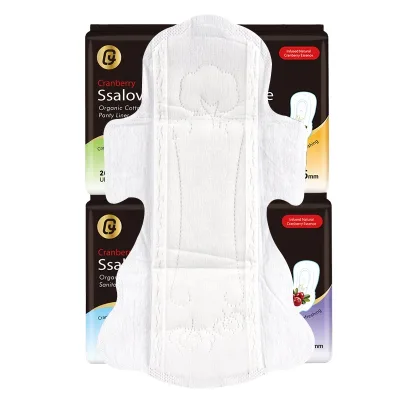
Factory Wholesale Organic Cotton Disposable Panty Liners Sanitary Pad for Womens Hygiene
$0.03 - $0.03
MOQ: 200000 Pieces




Comprehensive Sourcing Guide
Strategic Sourcing Guide for Washable Organic Cotton Hygiene Pads
The global shift toward sustainable menstrual care has elevated the demand for Washable Organic Cotton Hygiene Pads. For B2B procurement professionals, sourcing these products requires a nuanced understanding of material composition, manufacturing capabilities, and supply chain transparency. Unlike disposable alternatives, reusable pads represent a long-term investment for end-users, necessitating rigorous vetting of suppliers to ensure product durability, safety, and environmental integrity. This guide outlines the critical factors buyers must evaluate when sourcing Washable Organic Cotton Hygiene Pads, leveraging observed market data and industry standards to inform decision-making.
Material Composition and Functional Specifications
The foundation of any high-quality washable hygiene pad lies in its material composition. While the core keyword specifies "organic cotton," market observations reveal a diverse range of materials used in the broader category of reusable pads. Buyers must distinguish between products made entirely of natural fibers and those utilizing blended or synthetic layers for specific performance characteristics.
In the current supply landscape, cotton remains the primary material for the top sheet, offering a soft, skin-friendly surface that minimizes irritation. However, the internal absorbent core often varies. Some manufacturers utilize layers of bamboo, wood pulp, or non-woven fabrics to enhance absorbency and wicking capabilities. For instance, specific product listings indicate the use of wood and bamboo blends, while others rely on non-woven materials for structural integrity. The presence of Super Absorbent Polymer (SAP) is another critical variable; some pads incorporate SAP from specific regions, such as Japan, to achieve high fluid retention, whereas others rely solely on natural fiber layers.
When evaluating technical specifications, buyers should verify the following attributes:
- Top Sheet Material: Must be 100% organic cotton or a verified organic blend to ensure breathability and comfort.
- Absorbency Capacity: Ranges observed in the market vary significantly, with some products rated for specific volumes (e.g., 100ml) while others rely on layering techniques.
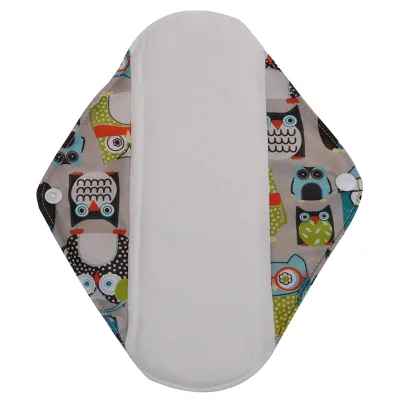
- Shape and Design: The "Winged" shape is a standard configuration for securing the pad to underwear, preventing lateral shifting. Other shapes, such as "Fan-Shape" or "Folded" configurations, may be available depending on the manufacturer's design philosophy.
- Disposability Status: A critical distinction is that these products are explicitly "Non-Disposable" and "Reusable," designed for multiple wash cycles.
Buyers must request detailed material breakdowns for each layer of the pad. The absence of synthetic fragrances ("Without Flavor") and the use of "Primary Colors" or "Customized Colors" are common observations. However, the claim of "Organic" status requires verification against recognized standards, as the term is not universally regulated in all jurisdictions without third-party certification.
Compliance, Certification, and Safety Standards
In the hygiene sector, compliance is not merely a regulatory hurdle but a cornerstone of brand trust. While the supply chain data indicates that some suppliers hold certifications such as ISO and CIQ, these are general quality management and inspection standards rather than specific guarantees of organic fiber content.
Buyers must be vigilant regarding the distinction between general manufacturing certifications and organic textile certifications. The market often references GOTS (Global Organic Textile Standard) as a benchmark for organic cotton, yet this specific certification was noted in background data with low confidence. Consequently, procurement teams cannot assume a supplier is GOTS certified based solely on marketing materials. Instead, buyers should explicitly request valid, current certificates from accredited bodies for every batch of organic cotton sourced.
Key compliance checks include:
- Organic Certification: Verify GOTS or equivalent national organic standards for the cotton used in the top sheet.
- Quality Management: Look for ISO 9001 certification to ensure consistent manufacturing processes.
- Inspection Standards: CIQ (China Inspection and Quarantine) indicates compliance with export safety standards, which is relevant for international shipments.
- Chemical Safety: Ensure the product is free from harmful chemicals, heavy metals, and synthetic dyes. The "Eco-Friendly" feature often implies a commitment to low-impact manufacturing, but this must be substantiated by test reports.
Without specific test data provided in the source material, buyers should mandate that suppliers provide third-party lab reports verifying the absence of allergens and the safety of the materials used. The "Feature" of being "Eco-Friendly" is an observation that requires validation through the supplier's environmental management system documentation.
Cost Drivers and Pricing Dynamics
Understanding the cost structure of washable organic cotton pads is essential for budgeting and margin analysis. The observed price range in the market spans from $0.02 to $1.34 per unit. This wide variance is driven by several key factors, including material quality, customization complexity, and order volume.
The primary cost driver is the raw material. Organic cotton is significantly more expensive than conventional cotton due to the rigorous farming and processing standards required. Suppliers utilizing high-grade Japanese SAP or specialized bamboo blends will command higher price points. Additionally, the "Customized" nature of the product adds cost. Options such as custom logos, unique shapes, and specialized packaging (e.g., "Paper Carton" vs. "Carton") increase production complexity and unit cost.
Order volume plays a pivotal role in pricing. The Minimum Order Quantity (MOQ) varies drastically across the supply base, ranging from as low as 1 piece to 250,000 pieces.
- Low MOQ (1-100 PCS): Ideal for sampling, startups, or small boutique brands. Unit costs are typically higher due to setup fees and lack of economies of scale.
- High MOQ (10,000-250,000 PCS): Suitable for established brands seeking to maximize margins. These orders often unlock the lower end of the price spectrum ($0.02-$0.05 range).
Buyers should also consider the cost of customization services. Many suppliers offer "Free Designs" and "OEM/ODM" services, which can reduce upfront design costs but may require higher volume commitments to amortize these expenses. The "Sample" availability is another cost factor; while some suppliers offer "Free Samples," others may charge for the product and shipping, which should be factored into the initial procurement budget.
Typical Applications and Target Markets
Washable Organic Cotton Hygiene Pads are designed for specific user demographics and usage scenarios. The primary target audience is "Adult Female," with a specific focus on "Women Monthly Period" usage. The "Reusable" and "Non-Disposable" nature of the product aligns with the growing consumer preference for sustainable, long-term menstrual care solutions.
The applications extend beyond personal use to commercial and institutional settings. Some product listings indicate "Commercial Use" and "External Use," suggesting potential markets in hotels, gyms, or eco-friendly retail stores that offer reusable pads as part of their product lines. The "Winged" design and "Leakproof" functionality make these pads suitable for active lifestyles, while the "Breathable" and "Odor Control" features address comfort and hygiene concerns.
The "Type" of product is generally classified as "Regular," but variations exist. The "Folded" configuration suggests ease of storage and transport, which is beneficial for travel or retail display. The "Feature" set, including "Super Absorbent" and "Side-Gather," caters to users with heavier flow requirements. Buyers should align their product selection with the specific needs of their target demographic, ensuring that the absorbency levels and shapes match the expected usage patterns of their customer base.
Supplier Evaluation and Service Capabilities
Selecting the right supplier is critical for maintaining product quality and supply chain reliability. The market data indicates a diverse range of supplier capabilities, from those offering basic "Without Logo Printing" options to those providing full "Customized" solutions.
Key evaluation criteria for suppliers include:
- Customization Flexibility: Look for suppliers offering "Customized Packing," "Customized Color," and "Logo Printing" services. The ability to tailor the product to brand identity is a significant competitive advantage.
- Service Models: Suppliers offering "OEM" (Original Equipment Manufacturer) and "ODM" (Original Design Manufacturer) services provide greater flexibility. Some also offer "Free Designs," which can accelerate time-to-market.
- Production Capacity: The wide MOQ range (1 to 250,000) suggests varying production scales. Buyers must ensure the supplier can scale up production to meet demand without compromising quality.
- Origin and Logistics: Most suppliers are located in "China," with specific hubs like "Fujian" noted. Understanding the logistics from these regions is essential for estimating lead times and shipping costs.
- Sample Policy: The availability of "Samples" and "Free Samples" allows buyers to physically inspect the product before committing to large orders.
Buyers should prioritize suppliers who demonstrate transparency in their manufacturing processes and are willing to provide detailed product specifications. The "Service" aspect, including "Free Designs" and responsive communication, is often indicative of a supplier's commitment to partnership and long-term collaboration.
Quality Control and Long-Term Procurement Strategy
Ensuring consistent quality in washable organic cotton pads requires a robust quality control (QC) strategy. Since these products are "Reusable," their durability over multiple wash cycles is a critical performance metric. Buyers should verify that the "Absorbency" and "Leakproof" features remain effective after repeated laundering.
Long-term procurement considerations include:
- Consistency: Ensure that the "Material" (Cotton, Bamboo, etc.) and "Function" (Washable, Absorbent) remain consistent across batches. Variations in raw material quality can affect the final product's performance.
- Packaging Integrity: The "Packing" method, whether "Paper Carton" or "Carton," must protect the product during transit. "Customized Packing" options should be evaluated for their ability to maintain product hygiene and presentation.
- Standards Verification: While specific standards like "10pcs/bag, 48bags/ctn" are observed, buyers should confirm that these packing standards align with their distribution requirements.
- Warranty and Support: Although "Warranty" periods (e.g., 3 Years) are mentioned in some contexts, they are more common for durable goods. For consumable hygiene products, the focus should be on the supplier's return policy and defect resolution process.
Developing a long-term relationship with a reliable supplier is key to managing costs and ensuring supply continuity. Buyers should establish clear communication channels and agree on quality benchmarks before placing large orders. Regular audits and sample testing should be part of the ongoing procurement process to maintain high standards.
Conclusion
Sourcing Washable Organic Cotton Hygiene Pads requires a balanced approach that prioritizes material integrity, compliance, and supplier reliability. By carefully evaluating technical specifications, verifying certifications, and understanding cost drivers, buyers can navigate the complex B2B landscape to secure high-quality products that meet both consumer expectations and sustainability goals. The diversity of the market offers opportunities for customization and innovation, but success depends on rigorous due diligence and a strategic partnership with suppliers who share a commitment to quality and transparency.
FAQs
What materials are used for the top sheet of these pads?
The top sheet is typically made of cotton to ensure softness and skin-friendliness. Some products may also incorporate non-woven fabrics or bamboo blends for enhanced structural integrity and absorbency performance.
Can buyers request customized packaging for these hygiene pads?
Yes, customized packaging is available for buyers seeking specific branding needs. Options include paper cartons or standard cartons, with some suppliers offering fully customized packing solutions to meet distinct requirements.
What is the minimum order quantity for reusable cotton pads?
The minimum order quantity varies significantly across suppliers, ranging from as low as one piece to 250,000 pieces. Many vendors set a standard MOQ of 100 pieces, while others may require 100,000 pieces for specific models.
Are these pads designed for single use or repeated washing?
These pads are explicitly designed as non-disposable and reusable for multiple wash cycles. They feature leakproof and absorbent functions to ensure durability and performance over time without being discarded after a single use.
Which certifications do suppliers typically hold for these products?
Suppliers often hold general quality certifications such as ISO and CIQ to ensure manufacturing standards. While organic status is a key feature, specific organic certifications like GOTS require direct verification from the supplier rather than being assumed.
How is the absorbency capacity measured for these reusable pads?
Absorbency capacity varies by product model, with some specific listings indicating a capacity of 100ml. The pads often utilize super absorbent polymers or layered natural fibers to achieve the required fluid retention for daily use.
What shapes are available for these washable hygiene pads?
The most common shape is winged to secure the pad to underwear and prevent shifting. Other available configurations include fan-shape and folded designs, catering to different user preferences and flow requirements.
Can suppliers provide free samples for product evaluation?
Yes, many suppliers offer free samples to allow buyers to inspect product quality before placing large orders. However, shipping costs for these samples may vary, and availability depends on the specific vendor's policy.