Find Used Engine for construction, mining, and transport applications
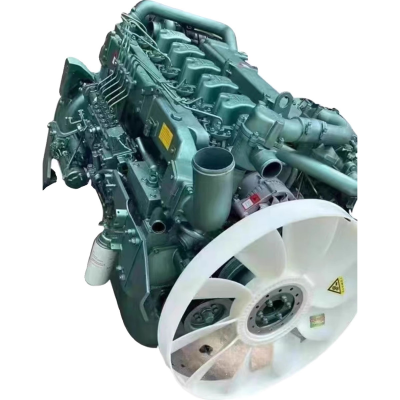
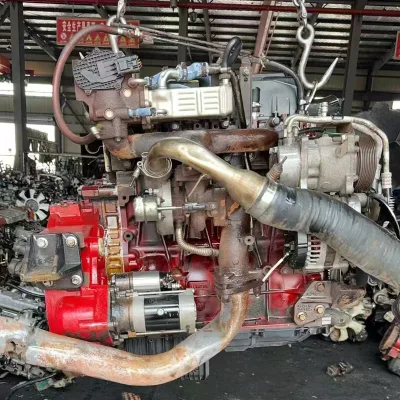
Source 30 available Used Engine units with varying specifications including diesel fuel types, cylinder counts, and cooling systems. Buyers can compare models like WP10 and WD615.69 to find suitable options for industrial machinery.
Key considerations
Products List





Comprehensive Sourcing Guide
Used Engine Sourcing Guide
Procuring a Used Engine requires a disciplined approach that balances technical verification with commercial risk management. Buyers must recognize that the secondary market for internal combustion engines is highly fragmented, ranging from light-duty automotive units to heavy-duty industrial powerplants. The core challenge lies in distinguishing between engines that are merely "used" and those that are "reconditioned" or "rebuilt" to a specific performance standard. Without rigorous due diligence, buyers risk acquiring units with hidden wear, compromised seals, or inaccurate mileage records. This guide provides a structured framework for evaluating listings, verifying technical specifications, and establishing commercial terms that protect the procurement investment.
The following sections outline the essential steps for sourcing used engines, focusing on observable listing signals, critical technical parameters, compliance documentation, cost structures, supplier qualification, and long-term operational checks. Each section is designed to help buyers make informed decisions based on available data and industry best practices. By adhering to this framework, procurement teams can mitigate the risks associated with second-hand machinery and ensure that the acquired engines meet their operational requirements.
Product Scope and Observed Listing Signals
The market for used engines exhibits significant diversity in form factors, materials, and intended applications. Listings often highlight specific model identifiers such as WP10, WD615.69, WD615.47, 6BT, and m270, which serve as primary filters for compatibility. Material composition is another key differentiator, with steel and aluminum being common body materials. Buyers should note that product attributes like color (e.g., grey) or appearance (e.g., shining and beautiful) are often cosmetic indicators rather than functional guarantees. It is crucial to interpret these visual cues as observations of the current state rather than assurances of internal mechanical integrity.
Packaging and origin details provide additional context for logistics and handling. Products are frequently described as originating from China, with packing methods ranging from wooden packages and wooden boxes to customized solutions. Some listings mention ocean freight as a packing attribute, which may imply bulk shipping or specific handling requirements. Buyers must verify these details to ensure that the packaging is suitable for the engine's weight and dimensions, preventing damage during transit. Understanding the origin and packing method is essential for calculating total landed costs and planning warehouse storage.
Technical Specifications to Verify
Technical verification is the most critical phase of sourcing used engines, as specifications can vary widely even within the same model family. Key attributes to verify include the number of cylinders, which may be listed as double-cylinder, six-cylinder, or multi-cylinder configurations. The stroke type is another vital parameter, with options ranging from two-stroke to four-stroke engines. Cooling systems are typically water-cooled, and intake methods vary between naturally aspirated, supercharged, and non-turbocharged designs. Buyers must cross-reference these attributes with their equipment's requirements to ensure compatibility.
Power output and fuel type are also essential specifications. Diesel fuel is common, with power ratings such as 115kw being observed in some listings. Ignition modes are typically electric, and piston movements can be reciprocating or rotary, depending on the engine design. Displacement ranges, such as 1.6-2.0 L or broader ranges like 1.5L--13L, indicate the engine's size and potential power output. Buyers should request detailed technical sheets that confirm these specifications, as discrepancies can lead to installation failures or performance issues.
Compliance and Safety Documentation
Compliance and safety documentation are essential for ensuring that used engines meet regulatory standards and operational safety requirements. Certifications such as ISO9001 may be claimed by suppliers, indicating adherence to quality management systems. However, buyers should verify the validity of these certifications and understand their scope, as they may not cover the specific engine unit being purchased. Discharge standards, such as Euro V, are critical for engines intended for use in regions with strict emissions regulations. Buyers must confirm that the engine meets the applicable environmental standards for their location.
Additional documentation should include maintenance records, test reports, and warranty information. These documents provide insight into the engine's history and current condition. Buyers should request evidence of any reconditioning work performed, including replaced parts and testing procedures. Safety features, such as seal capabilities and fuel system integrity, should also be verified. Ensuring that the engine complies with relevant safety standards is crucial for preventing accidents and ensuring reliable operation.
Cost Drivers and Commercial Terms
Cost drivers for used engines include the engine's condition, age, mileage, and any reconditioning work performed. Listings may show a wide price range, from low-cost units to high-value, fully rebuilt engines. Buyers should consider the total cost of ownership, including shipping, customs duties, and any necessary repairs or modifications. Minimum order quantities (MOQ) can also impact pricing, with some suppliers offering discounts for bulk purchases. Understanding these cost drivers helps buyers negotiate better terms and avoid unexpected expenses.
Commercial terms such as payment methods, delivery times, and return policies are equally important. Buyers should clarify the supplier's lead times and ensure that they align with project schedules. Payment terms should be secure, with options like escrow services providing protection against fraud. Return policies should be clearly defined, allowing buyers to return engines that do not meet the agreed-upon specifications. Negotiating favorable commercial terms can significantly reduce procurement risks and improve overall value.
Supplier Qualification and Quality Control
Supplier qualification is a critical step in ensuring the reliability of Used Engine purchases. Buyers should assess suppliers based on their experience, reputation, and track record in the industry. Certifications such as ISO9001 can be an indicator of quality management practices, but buyers should also look for evidence of consistent performance and customer satisfaction. Supplier communication and responsiveness are also important factors, as they can impact the smooth execution of the procurement process.
Quality control measures should be established to verify the condition of the engines before shipment. This may include third-party inspections, video calls for visual verification, or requesting detailed photos and videos of the engine's internal components. Buyers should also inquire about the supplier's testing procedures and any guarantees provided on the engine's performance. Establishing clear quality control protocols helps ensure that the engines meet the required standards and reduces the risk of receiving defective units.
Long-Term Procurement Checks
Long-term procurement checks involve monitoring the performance of the acquired engines and maintaining relationships with suppliers for future purchases. Buyers should track key performance indicators such as fuel efficiency, maintenance frequency, and overall reliability. This data can help identify trends and inform future sourcing decisions. Regular feedback with suppliers can also lead to improvements in product quality and service levels.
Building a long-term relationship with reliable suppliers can provide access to better pricing, priority service, and early notifications of new inventory. Buyers should also stay informed about industry developments and technological advancements that may impact engine performance and compliance requirements. By maintaining a proactive approach to procurement, buyers can ensure that their operations remain efficient and cost-effective over time.
FAQs
What materials are used for the engine body?
The engine body is constructed from steel and aluminium materials. Some models feature steel construction while others utilize aluminium for the body, depending on the specific product configuration and customer requirements.
Which cylinder configurations are available for these engines?
Available configurations include six-cylinder, double-cylinder, and multi-cylinder arrangements. The cylinder arrangement form is typically L-shaped, and the engines operate as either four-stroke or two-stroke units based on the model selected.
Can I find engines with specific power outputs?
Yes, engines are available with power ratings such as 115kw or electronic power options. Displacement ranges from 1.6 to 13 liters, allowing selection based on specific power needs and application requirements.
What fuel systems and intake methods are offered?
Engines utilize diesel fuel with either supercharged or naturally aspirated intake systems. The fuel system is described as strengthened, and ignition is achieved through electric ignition modes for reliable operation.
How are these engines packaged for shipping?
Packaging options include ocean freight, wooden packages, wooden boxes, or customized solutions. The specific packing method depends on the product model and the shipping requirements agreed upon with the supplier.
Are there customization options for the engine standards?
Customization is available to meet specific customer needs regarding standards and specifications. Products can be tailored to different discharge standards like Euro V or other requirements defined by the buyer.