Source Used SUV for touring, commercial, and family cars
Explore 30 listings for Used SUV options tailored for touring, commercial, and family vehicles. Buyers can compare specifications like displacement, seating, and drive systems to find suitable models for various road conditions.
Key considerations
Products List


High Quality SUV China Electric Car Hybrid Cars 5-Seat Gasoline Vehicle Used Car
$9999.00 - $14500.00
MOQ: 1 Pieces

High Quality SUV China Cheap Used Car Hybrid Cars Gasoline Vehicle Electric Car
$9999.00 - $14500.00
MOQ: 1 Pieces

8-Speed Integrated Manual and Automatic Gear Box Second Hand Gasoline SUV Car
$9999.00 - $13000.00
MOQ: 1 Pieces


Electric Car Sedan 5 Seat Car 2022 Version Left Hand SUV Electric Car Driving
$29360.00 - $50560.00
MOQ: 1 Pieces


Durable Chassis Secure Brake Flexible Road Adaptation Vehicle Used Gasoline Car
$1000.00 - $20000.00
MOQ: 1 Pieces


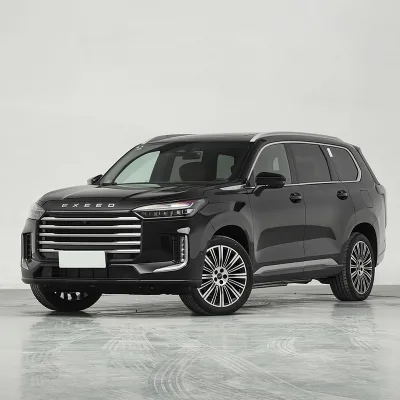
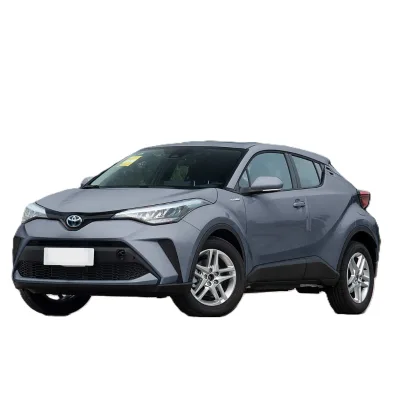
Compact SUV - Stylish Design, Advanced Safety Features Good Performance
$22300.00 - $23300.00
MOQ: 1 units
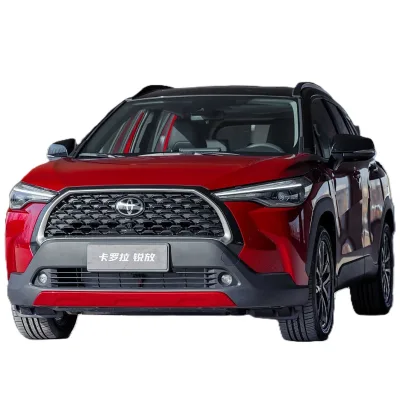
Cross 5-door 5-seat Compact SUV 2024 Model 2.0L New Car Hybrid High Power High Mileage
$18600.00 - $20000.00
MOQ: 1 units

Comprehensive Sourcing Guide
Strategic Sourcing Guide for Used SUV Procurement
Navigating the global market for used sport utility vehicles (SUVs) requires a disciplined approach that balances technical verification with supply chain reliability. Buyers in the B2B sector must distinguish between general vehicle listings and specific procurement requirements for fleet operations, resale, or specialized service applications. The available data indicates a diverse inventory ranging from compact models to larger utility vehicles, with specific configurations such as single-cavity mold designs for components and varied powertrain options including electric and gasoline systems. This guide outlines the critical factors for sourcing these assets, ensuring that procurement decisions are grounded in observable facts rather than unverified claims.
Technical Specifications and Configuration Verification
The first step in sourcing a Used SUV involves a rigorous examination of technical specifications. The market presents vehicles with varying displacement ranges, specifically noted between 1.0-1.6L and 1600-2500CC. Buyers must verify the engine displacement against their operational needs, as this directly impacts fuel efficiency and torque output. Furthermore, the fuel type is a critical differentiator; listings include vehicles powered by gasoline, electric systems, and hybrid configurations. For electric drive systems, specific configurations such as "Rwd Singe Motro" (Rear Wheel Drive Single Motor) have been observed, while other units may feature All-Wheel Drive (AWD) or Rear Wheel Drive (RWD) setups.
Transmission and braking systems also require detailed scrutiny. The observed data includes both automatic gearboxes and mechanical braking systems, alongside hydraulic braking configurations. A vehicle with a hydraulic braking system may offer different maintenance profiles compared to a mechanical one. Additionally, the seating capacity is a key specification, with common configurations including 5 seats or specific steering layouts like "Steering:Left." The body type varies as well, with some units classified as "Open" body types, which may influence their suitability for specific cargo or passenger transport roles.
To ensure clarity, buyers should compare the following technical attributes before finalizing a purchase:
| Attribute Category | Observed Variations | Verification Requirement |
|---|---|---|
| Drive System | RWD, AWD, Rear Wheel Drive | Confirm drivetrain layout matches terrain requirements. |
| Fuel Type | Electric, Gasoline | Verify fuel infrastructure compatibility at destination. |
| Braking System | Mechanical, Hydraulic | Inspect brake pad wear and fluid integrity. |
| Seats/Steering | 5 Seats, Steering:Left | Ensure seating capacity meets passenger or cargo needs. |
| Condition | New, Used | Assess wear levels based on mileage (10,000-30,000 Km). |
Compliance, Certification, and Regulatory Standards
Compliance is a non-negotiable aspect of international vehicle procurement. While specific certification statuses vary by supplier, the presence of management certifications such as ISO is a positive indicator of operational standards. Buyers must verify that the vehicle meets the regulatory standards of the destination market, particularly regarding emissions and safety. The data references specific standards like "DME" for mold components and dimensional standards such as 445018361572mm or 473518421682mm for vehicle dimensions. These dimensions are crucial for logistics planning, ensuring the vehicle fits within transport containers or warehouse spaces.
When evaluating compliance, buyers should look for explicit documentation regarding the vehicle's origin. The data indicates that products originate from China, which necessitates a review of export regulations and import duties applicable to the buyer's region. Furthermore, the "Original Parts" attribute is highlighted as a key selling point, suggesting that vehicles sourced with original components may offer better longevity and easier maintenance. However, buyers must confirm that "Original Parts" claims are backed by serial numbers or manufacturer documentation to avoid counterfeit components.
Cost Drivers and Pricing Dynamics
The pricing landscape for used SUVs is highly variable, with observed ranges spanning from $9.5 to $64,000 USD. This wide disparity is driven by multiple factors, including the vehicle's condition (New vs. Used), mileage, age, and specific configuration. Vehicles with lower mileage, such as those in the 10,000-30,000 Km range, typically command higher prices than those with higher usage. The service life is another significant cost driver, with some units offering a service life of 1-3 years, which influences the total cost of ownership calculation.
Beyond the base purchase price, buyers must account for ancillary costs such as shipping, insurance, and customs duties. The packaging method, whether "Naked" or "Carton," can impact shipping costs and the risk of damage during transit. For instance, vehicles shipped in cartons may require less protective handling but could incur higher packaging material costs. Additionally, the lead time, observed as "One Week" for certain models, affects cash flow and inventory planning. Buyers should factor in potential delays due to customs clearance or logistics bottlenecks, especially when sourcing from international origins.
Typical Applications and Market Segmentation
Used SUVs serve a broad spectrum of applications, ranging from personal transportation to commercial fleet operations. The data identifies specific use cases such as "Touring Car," "Commercial Vehicle," "Family Car," "Experience Car," and "Novice Car." This diversity suggests that the market caters to both individual buyers and corporate entities. For commercial applications, vehicles with robust braking systems and durable service lives are preferred. In contrast, "Novice Car" listings may target entry-level drivers or training programs, requiring specific safety features and ease of operation.
The main market distribution is global, with significant demand in South America, North America, Eastern Europe, Southeast Asia, Africa, and various regions in Europe and Asia. This global reach implies that buyers must be aware of regional preferences and regulatory environments. For example, electric drive systems may be more suitable for markets with strict emissions regulations, while gasoline-powered vehicles might remain dominant in regions with limited charging infrastructure. Understanding the target market's specific needs is essential for selecting the right vehicle configuration.
Supplier Evaluation and Due Diligence
Selecting a reliable supplier is critical for mitigating procurement risks. Buyers should evaluate suppliers based on their ability to provide accurate product descriptions, including the "prod_model" and "prod_standard" details. The data lists various model identifiers such as "used cars-3," "C-7," "Ultimate / Smart Leading," and "RAV4." These identifiers help in cross-referencing vehicle specifications with manufacturer records. Suppliers who provide detailed information about the vehicle's condition, mileage, and service history are generally more trustworthy.
Furthermore, the availability of customization options is a valuable indicator of supplier flexibility. The data confirms that customization is available, which can be crucial for adapting vehicles to specific fleet requirements. Buyers should also verify the supplier's track record in handling logistics, particularly regarding the "Delivery Time" and "prod_packing" methods. A supplier that consistently meets delivery timelines and provides secure packaging reduces the risk of damage and delays. It is advisable to request references or case studies from previous B2B transactions to validate the supplier's reliability.
Quality Control and Inspection Protocols
Quality control is paramount when purchasing used vehicles, as the condition can vary significantly even within the same model year. Buyers should implement a multi-stage inspection protocol that includes a visual assessment, a mechanical check, and a verification of documentation. The "Condition" attribute, ranging from "New" to "Used," provides a baseline, but a physical inspection is necessary to confirm the actual state of the vehicle. Key areas to inspect include the engine, transmission, brakes, and suspension systems.
For vehicles with electric drive systems, the battery health and charging port functionality should be tested thoroughly. Similarly, for gasoline-powered units, a compression test and fluid analysis can reveal internal wear. The "Surface Finish Process" of components, such as polishing, can also indicate the level of care taken in maintenance. Buyers should consider engaging third-party inspection services to conduct a comprehensive evaluation, ensuring that the vehicle meets the agreed-upon specifications. This step is particularly important for high-value transactions where the cost of a faulty vehicle could be substantial.
Long-Term Procurement Considerations
Sourcing used SUVs is not merely a transactional activity but a strategic decision that impacts long-term operational efficiency. Buyers should consider the total cost of ownership, including maintenance, fuel, and potential replacement costs. The "Service Life" of 1-3 years suggests that these vehicles may require frequent maintenance or eventual replacement, which should be factored into the budget. Additionally, the availability of spare parts is a critical factor; vehicles with "Original Parts" are generally easier to maintain, reducing downtime and repair costs.
As the market evolves, buyers should stay informed about emerging trends in vehicle technology, such as the shift towards electric and hybrid powertrains. This foresight can help in making future-proof procurement decisions. Finally, maintaining a strong relationship with suppliers can lead to better terms, priority access to inventory, and support during the vehicle's lifecycle. By adopting a disciplined, evidence-based approach to sourcing, buyers can navigate the complexities of the Used SUV market and secure assets that meet their operational needs effectively.
FAQs
What is the observed price range for used SUVs?
The observed price range spans from 9.5 to 64000 USD. This wide disparity is driven by factors including vehicle condition, mileage, and specific configuration options available from various suppliers.
Which fuel types are available for these used SUVs?
Available fuel types include gasoline and electric systems. Specific electric configurations observed feature rear wheel drive single motor setups, while others utilize standard gasoline engines for varied operational needs.
Can I find used SUVs with a one-week delivery time?
Yes, certain models offer a delivery time of one week. Buyers should verify this lead time against specific supplier capabilities and packaging methods to ensure timely arrival at their destination.
What customization options are available for these vehicles?
Customization is available for many listed products. Buyers can request specific adaptations to meet fleet requirements, provided the supplier confirms the feasibility of modifying the vehicle's existing specifications.
Which certification standards apply to the manufacturing of these parts?
Management certifications such as ISO are present for some suppliers. Additionally, specific product standards like DME are referenced for mold components, indicating adherence to defined manufacturing and quality protocols.
What is the typical service life of these used SUVs?
The typical service life ranges from 1 to 3 years. This duration influences the total cost of ownership and should be factored into long-term procurement budgets and maintenance planning strategies.