Source UV Printed Ceramic Poker Chips for Clubs, Gifts, and Home Play
Compare 30 listings for UV Printed Ceramic Poker Chips featuring custom logos, UV marks, and various materials like acrylic and plastic. Options include 40mm round chips with RFID tags or unique inlays for clubs, gifts, and home play; compare the available evidence and request quotations based on your requirements.
Key considerations
Products List
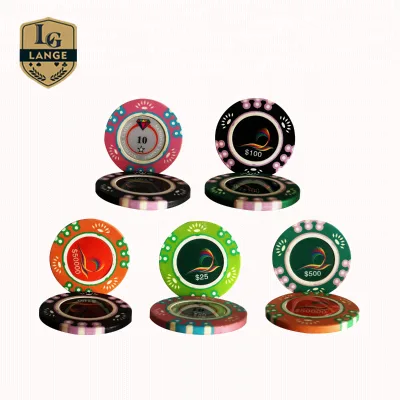
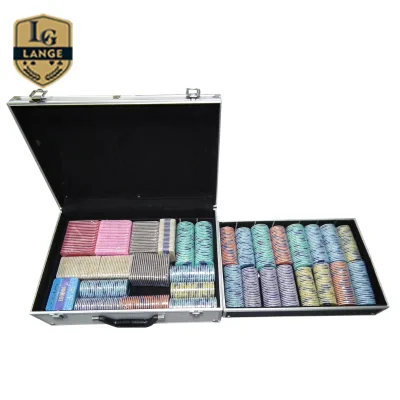

45mm Clay Composite Poker Chips Designed for UV Printed for Poker Events
$0.25 - $0.50
MOQ: 5000 Pieces


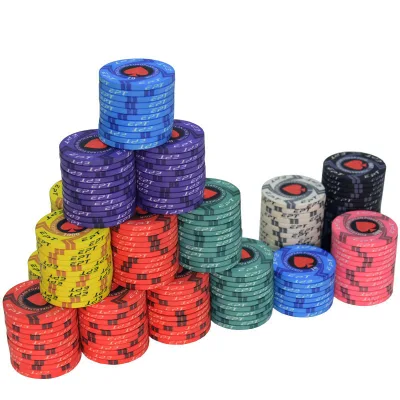


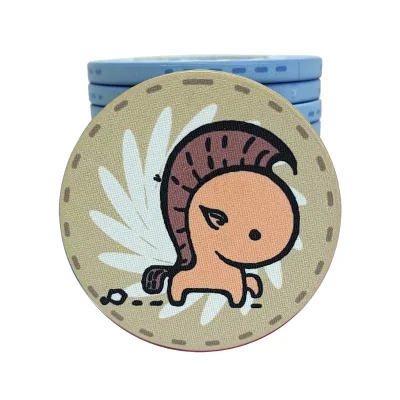
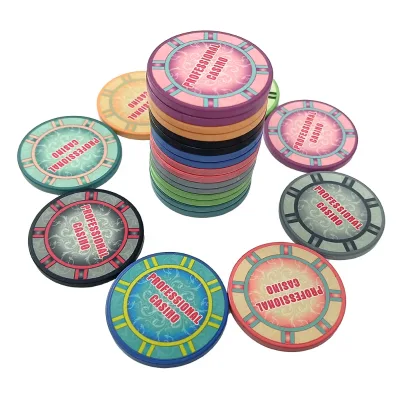
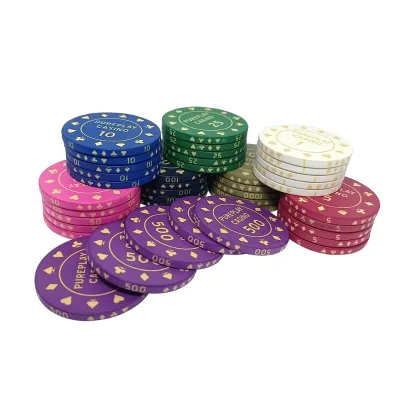
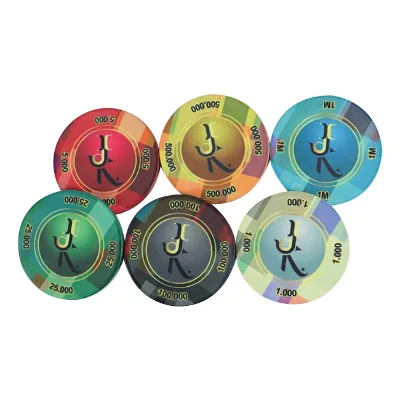
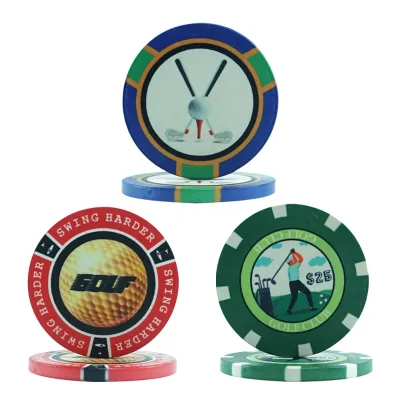



Comprehensive Sourcing Guide
UV Printed Ceramic Poker Chips Sourcing Guide
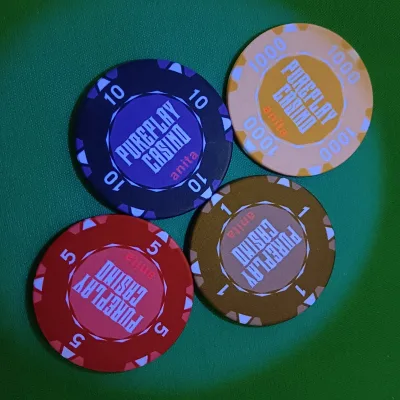
Buyers evaluating UV Printed Ceramic Poker Chips must first distinguish between genuine ceramic composites and standard acrylic or plastic alternatives often listed under similar search terms. The observed market data indicates a specific product variant featuring a new type ceramic material with coin inlay, designed to offer a premium tactile experience distinct from cheaper plastic options. Procurement teams should verify that the material specification explicitly states "ceramic" rather than generic plastic or acrylic to ensure the desired weight and sound characteristics are met.
The listing signals reveal a diverse range of customization capabilities, including custom logos, unique UV marks, and serial numbers, which are critical for high-end casino or club applications. While some entries mention acrylic materials, the core value proposition for this keyword lies in the ceramic composite construction that supports advanced printing techniques. Buyers must carefully cross-reference the material description against the visual evidence of the product to avoid purchasing standard acrylic chips that merely mimic the appearance of ceramic without the underlying performance benefits.
Product Scope and Observed Listing Signals
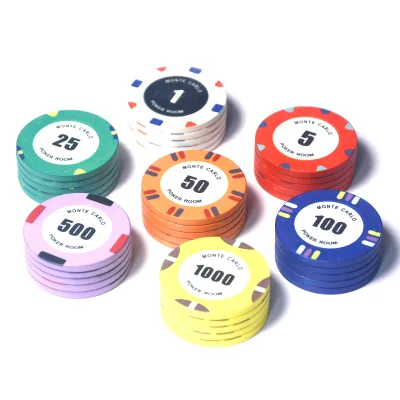
The product scope for UV Printed Ceramic Poker Chips encompasses a variety of customization options, ranging from multi-color tones to specific golden painting patterns and unique UV markings. Observed listings highlight a diameter of 40mm as a standard specification, ensuring compatibility with existing chip racks and handling equipment used in professional settings. The shape is consistently round, and the packaging details suggest bulk handling capabilities with 50 pieces per shrink wrap and 1200 pieces per carton, facilitating efficient logistics for large orders.
Market signals indicate that suppliers often offer flexible minimum order quantities, with some listings starting as low as a single set while others require volumes up to 10,000 pieces. This variance requires buyers to align their procurement strategy with their immediate volume needs, as the "ready to ship" advantage may only apply to specific stock configurations. The presence of custom sticker options and printed logos suggests that these chips are frequently sourced for promotional events, private clubs, or branded entertainment sets rather than standard retail distribution.
Technical Specifications to Verify
Verification of the physical dimensions is paramount, as the standard diameter for these chips is observed at 40mm, though thickness can vary between 3.3mm and other unspecified values depending on the specific model. Buyers must confirm the exact thickness and weight specifications, as the single gross weight of 0.014 kg per unit suggests a lightweight profile that may differ from traditional heavy ceramic chips. Ensuring the thickness aligns with the intended use case, whether for home play or professional club environments, is essential for maintaining the correct feel and stackability.
The material composition requires strict scrutiny to distinguish between new type ceramic with coin inlay and standard acrylic or plastic constructions. Listings explicitly mentioning "new type ceramic" offer superior durability and a distinct sound profile, whereas acrylic options may be more prone to scratching or fading over time. Buyers should request detailed material certificates or samples to validate the "coin inlay" feature, which is a key differentiator for premium ceramic chips and directly impacts the perceived quality and longevity of the product.
Compliance and Safety Documentation
While specific certification documents are not explicitly detailed in the provided listings, buyers must ensure that all materials used, particularly the ceramic composite and inks, comply with international safety standards for toys and gaming equipment. The usage context includes home play and entertainment, which necessitates that the chips are non-toxic and free from hazardous substances that could pose risks during handling or accidental ingestion. Procurement teams should request Material Safety Data Sheets (MSDS) to verify that the UV printing process and the ceramic base meet relevant environmental and safety regulations.
Documentation regarding the manufacturing origin is also critical, as the observed place of origin is Guangdong, China, a major hub for gaming accessories. Buyers should verify that the supplier adheres to local and international export standards, ensuring that the finished goods are free from defects that could arise from the manufacturing process. Although specific test results are not listed, the claim of "Best Touch New Ceramic" implies a quality standard that should be backed by internal quality control records or third-party testing reports upon request.
Cost Drivers and Commercial Terms
The cost structure for UV Printed Ceramic Poker Chips is influenced heavily by the level of customization, including the complexity of the UV logo printing, the inclusion of serial numbers, and the specific material composition. Listings indicate a price range of 0.1 to 1.7 USD, but this variance likely reflects differences in order volume, material quality, and the extent of the custom branding applied. Buyers must understand that lower price points may correspond to standard acrylic materials or minimal customization, whereas premium ceramic options with advanced features will command higher unit costs.
Commercial terms often include a 50% deposit requirement with the balance payable after goods are accomplished, a standard practice for custom manufacturing orders. The supply ability of 800,000 pieces per month suggests that suppliers can handle large-scale production, but lead times may vary based on the complexity of the custom design and the current production queue. Buyers should negotiate clear payment terms and delivery schedules, ensuring that the "ready to ship" status is accurately defined to avoid delays in receiving their customized inventory.
Supplier Qualification and Quality Control
Supplier qualification should focus on verifying the factory location and production capacity, with observed data pointing to Guangzhou, Guangdong, as a primary manufacturing hub. Buyers must assess the supplier's ability to maintain consistent quality across large batches, given the high supply ability of 800,000 pieces per month. The presence of features like unique UV marks and serial numbers indicates a sophisticated production line capable of precision printing, which is a strong indicator of a qualified supplier for high-end gaming accessories.
Quality control measures should include a rigorous inspection of the chip edges, surface finish, and the durability of the UV printing. The observed feature of "aligned edges" and "easily cleaned" surfaces suggests that the manufacturing process prioritizes precision and user experience. Buyers should implement a sampling protocol to test the "Best Touch" claim and verify that the coin inlay is securely embedded, ensuring that the final product meets the expected standards for professional use and long-term durability.
Long-Term Procurement Checks
Establishing a long-term procurement relationship requires regular audits of the supplier's quality control processes and consistency in material sourcing. Buyers should monitor the stability of the "new type ceramic" supply chain to prevent any shifts in material quality that could affect the tactile feel or visual appearance of the chips. Continuous verification of the UV printing quality is essential, as fading or peeling over time can significantly diminish the value of the customized branding and the overall product lifespan.
Strategic planning for future orders should account for the variability in minimum order quantities and the potential need for rapid restocking of popular designs. The "ready to ship" advantage observed in some listings can be leveraged for emergency replenishment, but buyers must maintain a buffer stock to mitigate potential supply chain disruptions. Regular communication with the supplier regarding production schedules and inventory levels will ensure a steady supply of high-quality, UV Printed Ceramic Poker Chips for ongoing entertainment and gaming operations.
FAQs
What materials are used for these poker chips?
The chips are made from new type ceramic with coin inlay. Some sets use acrylic or plastic materials. The ceramic option offers the best touch quality. Acrylic versions provide a different aesthetic. Plastic options are also available for budget needs. Choose based on desired feel and durability.
What is the standard diameter for these chips?
The standard diameter is 40mm. This size is consistent across ceramic and acrylic models. It matches standard casino chip dimensions. The 40mm specification ensures compatibility with chip racks. Buyers should verify this measurement for their specific needs. It is a key specification for uniformity.
Can I customize the logo on the chips?
Yes, customized logo printing is available. Buyers can request unique designs or brand marks. This service applies to ceramic and acrylic chips. Customization allows for personal or corporate branding. The process supports various design requirements. Contact suppliers to discuss specific logo placement options.
What is the minimum order quantity for these chips?
The MOQ varies by supplier and material. Some suppliers require 1000 pieces as a minimum. Others may accept orders starting from 5000 pieces. Certain options allow for lower MOQs like one set. Buyers should check specific supplier requirements. MOQs depend on the chosen material and customization level.
Where are these poker chips manufactured?
These chips are manufactured in Guangdong, China. The factory location is often Guangzhou. This region is known for production capabilities. Buyers can expect efficient logistics from this port. The origin ensures access to established supply chains. Verify specific factory locations with individual suppliers for accuracy.
What features do the ceramic chips include?
Ceramic chips often feature unique UV marks. They may include serial numbers or RFID tags. The surface offers a high-quality touch. Golden painting patterns are available for aesthetic appeal. These features enhance security and visual appeal. Buyers should confirm specific feature availability with suppliers.