Source Comic Book Purse for events, cosplay, and daily carry
Compare 30 Comic Book Purse options featuring leather, PU, and cotton fabric materials with customization available. Buyers can review specifications like waterproof ratings, dimensions, and lead times from suppliers in China.
Key considerations
Products List


Small Leather Women Backpack Purse for Women Fashion Convertible Bookbag
$25.00 - $50.00
MOQ: 1 Pieces


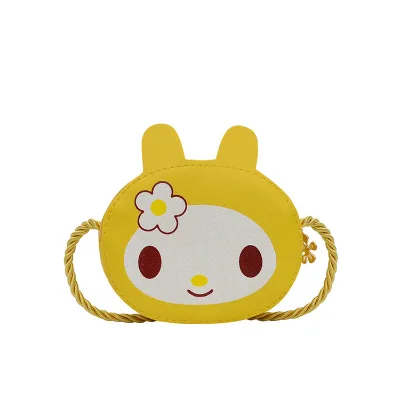


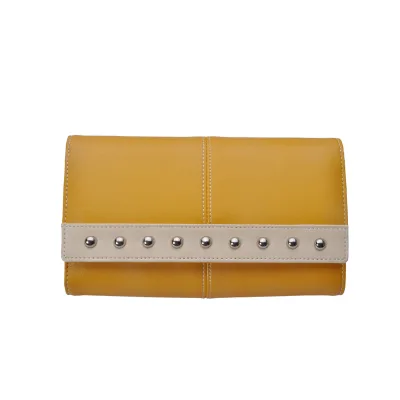


Pink Canvas Lipstick Coin Purse
$1.80 - $2.22
MOQ: 300 Pieces
WeIVan (Hangzhou) International Import and Export Trading Co., Ltd.


Coin Purse Coin Bag Simple Fashion Canvas Cartoon Key Wallet Bag Card Women′ S Bag
$0.29 - $0.76
MOQ: 100 Pieces




Comprehensive Sourcing Guide
Strategic Sourcing Guide for Comic Book Purse Procurement
Understanding Product Definitions and Material Composition
The procurement of a Comic Book Purse requires a precise understanding of the product's physical attributes, as the term often describes a specific aesthetic rather than a single standardized item. In the context of B2B sourcing, these items are typically characterized by a distinct visual style, often featuring cartoon patterns or stitching elements that mimic the layout of comic strips. When evaluating potential inventory, buyers must first distinguish between the primary materials used in construction. The supply market offers a diverse range of material compositions, from genuine leather and standard leather to synthetic options like PU and cotton fabric.
A critical observation in the current market is the variation in internal linings. Some units are constructed with a polyester inside material, which offers durability and a smooth finish, while others utilize nylon for a lighter weight and water-resistant properties. The external material choice significantly impacts the final cost and the target demographic. For instance, a purse labeled with a "Candy Color" fashion element is likely to be made from cotton fabric or PU, targeting a younger or more playful consumer base. Conversely, items described with "Genuine Leather" or "Leather" materials often command a higher price point and appeal to buyers seeking a more premium aesthetic.
The structural integrity of these bags is also a key differentiator. Some products are noted for their "Soft" hardness, achieved through specific hand-made techniques that allow for a flexible, draped silhouette. Others may prioritize a rigid structure, though the "Soft" attribute is frequently observed in high-quality handmade variants. The "Stitching Bag" fashion element is another common specification, indicating that the visual appeal relies heavily on visible stitching details rather than printed graphics alone. Buyers must verify the specific material composition of each SKU, as the term "Comic Book Purse" can encompass everything from a small cotton fabric purse to a larger leather handbag, depending on the manufacturer's interpretation of the style.
Technical Specifications and Dimensional Standards
When sourcing comic book purses, technical specifications serve as the primary verification tool for ensuring the product meets the intended use case. The market presents a wide array of dimensions, ranging from compact items like a "Purse" with a size of 2510cm to larger handbags with dimensions such as 9.410.6*4.7 inches or W10.5"xH12.5"xD4.5". These variations dictate the storage capacity and the target gender demographic, with many items listed as "Unisex" to broaden the market appeal.
The standardization of these products is often tied to specific model numbers, which act as unique identifiers for the supply chain. For example, model numbers like DK22-FB012613, DK22-FB012612, 2851, 2856, PB005, and HO-459 represent distinct production runs with unique physical characteristics. A buyer must cross-reference these model numbers with the provided specifications to ensure consistency across an order. The "Standard" field in product data often refers to the physical dimensions rather than a regulatory standard, though in some cases, it may indicate compliance with specific safety norms like the CE standard.
Packaging is another critical technical specification that affects logistics and final presentation. Common packaging methods include placing one bag in one polybag, or utilizing a combination of a polybag and a master carton. The net weight (Nw) and gross weight (Gw) are essential for calculating shipping costs; for instance, a specific batch may have a net weight of 15kgs and a gross weight of 16kgs per carton. The quantity per carton (Qty/CTN) is equally important for inventory management, with some listings indicating a high density of 600PCS per carton for smaller items like purses. Understanding these logistical metrics is vital for accurate freight estimation and warehouse planning.
Compliance, Certification, and Safety Verification
Navigating the compliance landscape for comic book purses requires a careful review of the certifications and standards associated with each supplier. While the general product category does not inherently mandate specific safety certifications, certain materials and target markets may require verification. In the observed data, the CE standard is explicitly mentioned as a product standard for items originating from Xiamen, China. This suggests that for specific models, such as the HO-459, the manufacturer may have validated the product against European safety or quality benchmarks.
Buyers must exercise caution when interpreting certification claims. The presence of a CE mark or similar standard in a product listing should be verified through the supplier's documentation rather than assumed as a universal attribute of all comic book purses. Different regions have different regulatory requirements; for example, products intended for the North American market may require flammability testing or specific labeling requirements that are not always visible in the initial product description. The "Inside Material" and "Material" fields are also relevant to compliance, as certain leather treatments or synthetic fabrics may be subject to chemical restrictions in the European Union or other jurisdictions.
Furthermore, the "Waterproof" attribute is a functional specification that often intersects with compliance. While some products are explicitly listed as "Waterproof" or "Not Waterproof," this is a performance characteristic rather than a regulatory standard. However, if a product is marketed as waterproof, it must withstand the claimed conditions without failing, which can be a point of contention in quality disputes. Buyers should request test reports or specific material safety data sheets (MSDS) if the product contains chemicals that might be regulated, particularly when dealing with PU or treated leather materials.
Cost Drivers and Pricing Dynamics
The pricing of comic book purses is influenced by a complex interplay of material costs, labor intensity, and order volume. The observed price range in the market spans from $0.18 to $53.30, a significant variance that reflects the diversity in product quality and complexity. The lower end of the spectrum typically corresponds to items made from cotton fabric or PU, which are less expensive to source and manufacture. In contrast, the higher price points are associated with genuine leather products, which involve more costly raw materials and often more intricate production processes.
Labor is a major cost driver, particularly for items described as "Handmade." The "Handmade" attribute implies a higher degree of human intervention in the manufacturing process, which increases the unit cost compared to fully automated production lines. This is often coupled with "Stitching Bag" elements, where the precision of the stitching adds value but also time to the production cycle. The "Fashion Element" also plays a role; items with unique designs like "Candy Color" or specific cartoon patterns may command a premium if the design requires specialized tooling or dyeing processes.
Order volume is another critical factor in determining the final unit price. The Minimum Order Quantity (MOQ) ranges from 1 to 1000 units, with a common threshold of 100PCS for many suppliers. Buyers ordering at the lower end of the MOQ spectrum may face higher per-unit costs, while those placing larger orders can negotiate better rates. Additionally, the "Sample Price" of $10 for a single unit indicates that prototyping costs are separate from bulk pricing. Buyers should factor in the cost of samples, which are essential for quality verification before committing to a large order, into their overall budget planning.
Supplier Evaluation and Production Capabilities
Selecting the right supplier for comic book purses involves a thorough evaluation of their production capabilities, lead times, and customization options. The supply base is primarily located in China, with specific hubs in Guangzhou and Xiamen. Guangzhou is noted for its extensive manufacturing ecosystem, while Xiamen may offer specialized capabilities for certain product lines. The "Location" field is a key indicator of the supplier's logistical network and potential for shipping efficiency.
Lead time is a critical metric for supply chain planning. The observed production times vary significantly, with some suppliers offering a "Sample Time" of 5-7 days and a "Production Time" of about 35 days. Other listings indicate a broader range of 45-60 days for full production runs. This variance suggests that the complexity of the order, the current workload of the factory, and the specific model number all influence the delivery schedule. Buyers must align their inventory planning with these timelines to avoid stockouts or delays.
Customization is a significant advantage offered by many suppliers in this sector. The "Customization" attribute is listed as "Available," and the "Logo" can be "Customized," allowing buyers to brand the products for their specific retail channels. This flexibility is particularly valuable for private label strategies. However, customization often extends the lead time and may increase the sample time, which is typically around 7-10 days or 7-15 days depending on the complexity of the request. Buyers should confirm the specific customization capabilities with the supplier, including the ability to modify colors, patterns, and dimensions, to ensure the final product matches their brand vision.
Quality Control and Long-Term Procurement Strategy
Implementing a robust quality control (QC) strategy is essential for maintaining the integrity of the Comic Book Purse supply chain. Given the "Handmade" nature of many items, consistency can be a challenge. Buyers should establish clear acceptance criteria based on the observed attributes, such as the "Hardness" level, the quality of the "Stitching," and the accuracy of the "Pattern." For items with a "Cartoon" pattern, the alignment and color fidelity of the print are critical quality indicators.
The "Sample Time" serves as a crucial phase for quality verification. Before proceeding with a bulk order, buyers should request samples that reflect the exact specifications of the intended production run. This allows for the identification of any discrepancies in material quality, stitching, or dimensions. The "Sample Price" of $10 is a standard investment that can prevent costly errors in mass production. Additionally, buyers should verify the "prod_packing" to ensure that the packaging protects the product during transit, especially for items with delicate finishes or specific shapes.
For long-term procurement, building a relationship with suppliers who offer consistent lead times and reliable customization is key. The "Payment Term" of T/T (Telegraphic Transfer) is a standard industry practice, but buyers should negotiate terms that protect their interests, such as partial payments upon shipment or inspection. Understanding the "Season" attribute, which is listed as "All," helps in planning for year-round inventory, though specific fashion trends may influence demand for certain colors or styles. By maintaining a focus on technical specifications, verifying certifications, and managing lead times effectively, buyers can secure a stable supply of high-quality comic book purses that meet market demands.
FAQs
What materials are used for comic book purses?
These purses are constructed from materials like genuine leather, standard leather, PU, and cotton fabric. Internal linings vary between polyester and nylon, offering different durability and weight characteristics for the final product.
Can I customize the logo on these bags?
Yes, logo customization is available for these products. Buyers can request specific branding, though this may extend the sample time to about 7-15 days and the production time to roughly 35 days depending on complexity.
Which specifications define the product dimensions?
Dimensions vary by model, with sizes ranging from 25*10cm for small purses to 9.4*10.6*4.7 inches for larger bags. Specific models like DK22-FB012613 and 2851 have unique standard measurements that define their capacity.
How long is the lead time for production?
Production lead times typically range from 35 to 60 days depending on the specific order and model. Sample preparation takes about 5 to 15 days, while full delivery times can extend up to 60 days for large batches.
What is the minimum order quantity required?
The minimum order quantity ranges from 1 to 1000 units, with a common threshold of 100 pieces for many suppliers. Buyers should verify the specific MOQ for each model, as it affects the unit pricing and shipping logistics.
Are these bags waterproof or water-resistant?
Waterproof status varies by product, with some items listed as waterproof and others as non-waterproof. Buyers must check the specific attribute for each model, as materials like PU or cotton fabric may have different water resistance levels.