Source UV LED Dryer for Printing, Coating, and Curing
Compare 30 UV LED Dryer models with varying power, curing areas, and cooling methods from suppliers in Guangdong. These units support dimming and offer lighting design services for industrial applications.
Key considerations
Products List
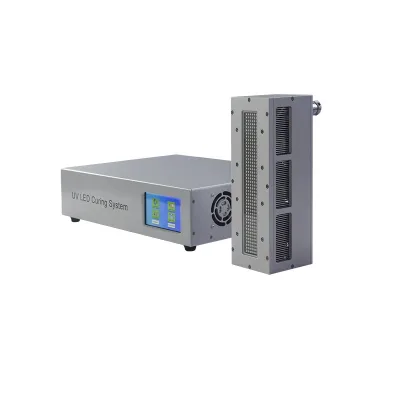
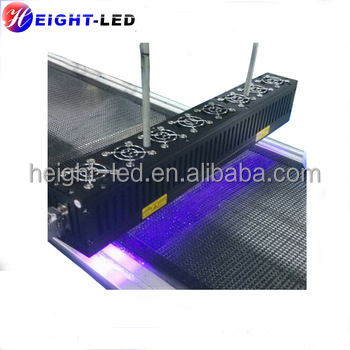
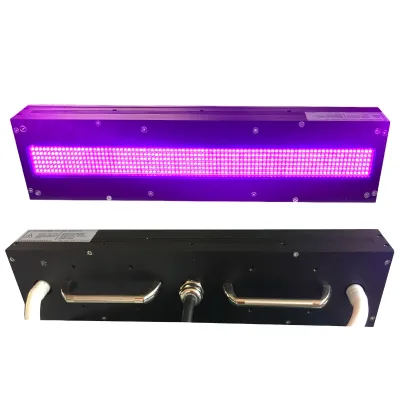
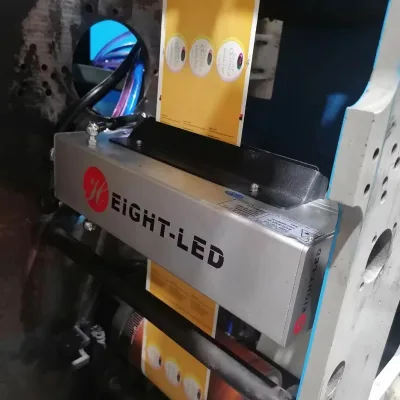
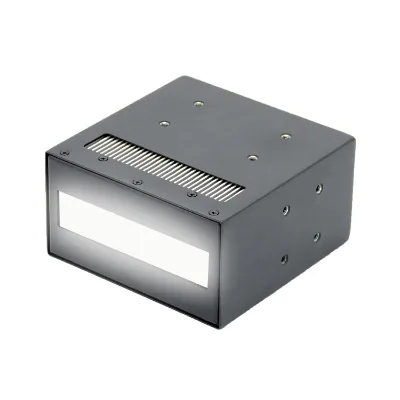
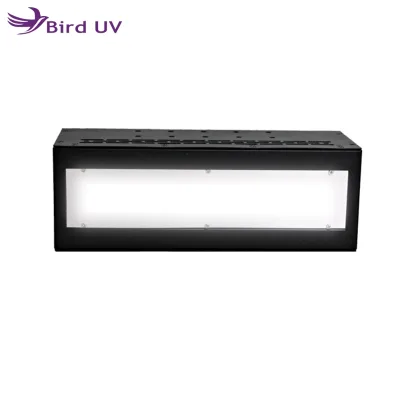
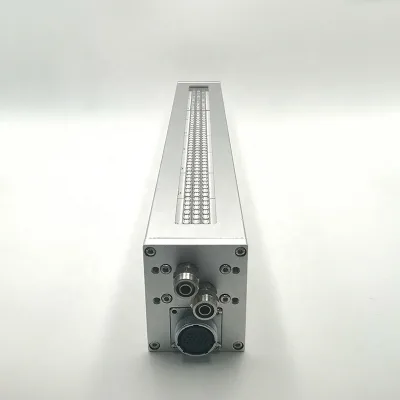

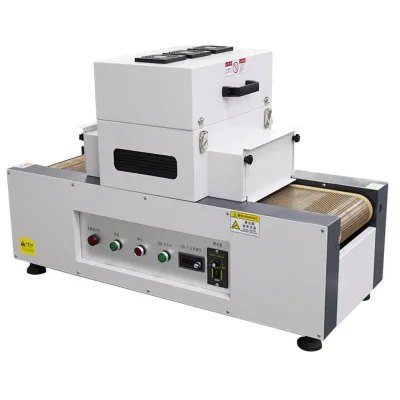


$4500.00 - $6100.00
MOQ: 1 Pieces
Dongguan Lan Dun mechanical and electrical equipment Technology Co., Ltd.


$6000.00 - $15000.00
MOQ: 1 Sets

$6000.00 - $15000.00
MOQ: 1 Sets


Comprehensive Sourcing Guide
Strategic Sourcing Guide for UV LED Dryer Systems
Understanding Core Technical Specifications
When sourcing a UV LED Dryer, the primary objective is to align the equipment's physical and optical capabilities with the specific curing requirements of the production line. The market offers a diverse range of configurations, and buyers must scrutinize the technical data sheet to ensure compatibility. A critical parameter is the operating temperature range, which typically spans from -10°C to 50°C. This specification dictates the environmental controls required for the installation site; operating outside this range can compromise the longevity of the LED chips and the stability of the power supply.
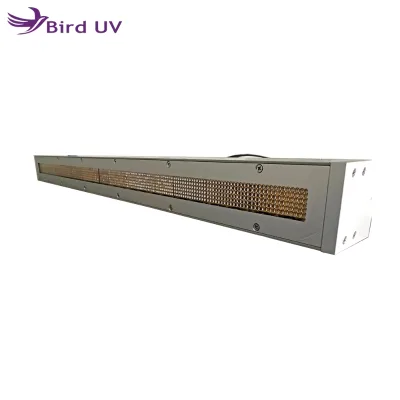
The curing area is another fundamental specification that determines the throughput and the size of the substrate that can be processed. Observed configurations in the current market include standard widths of 300mm by 25mm or 350mm by 30mm, with options for customizing the irradiation area to dimensions such as 750mm by 30mm. Buyers must verify if the machine supports the specific width of their product or if a custom array is necessary. The optical output is equally vital; high-power systems often cite a luminous intensity of 12W/cm² or a power intensity reaching 12,000mW/cm². These figures indicate the energy density available for rapid curing but must be matched against the sensitivity of the ink or adhesive being used.
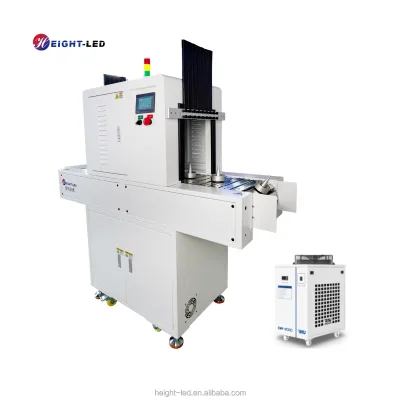
The spectral output is defined by the wavelength, which for these systems typically falls within the 365nm to 405nm range. This range is standard for curing UV-curable resins, inks, and adhesives. The color rendering index (Ra) of 80 suggests a balance between the UV output and visible light, which can be relevant for visual inspection during the curing process. Furthermore, the viewing angle of approximately 55 degrees influences the uniformity of the light distribution across the curing area. Buyers should also consider the cooling method, as the industry offers both air cooling and water cooling solutions. The choice between these methods depends on the thermal load of the specific application and the available facility infrastructure.
Compliance and Certification Verification
Ensuring that the UV LED Dryer meets international safety and environmental standards is a non-negotiable step in the procurement process. The most frequently observed certifications for these systems are CE and RoHS. The CE mark indicates conformity with health, safety, and environmental protection standards for products sold within the European Economic Area, while RoHS compliance ensures that the device does not contain restricted hazardous substances. While these certifications are common, buyers must request valid test reports and certificates of conformity from the supplier rather than relying on marketing claims alone.
Electrical safety is paramount, especially given the high power inputs often associated with these machines. The input voltage is typically specified as AC 220V with a tolerance of ±10%, though some models support a broader range of 100V to 240V. This variability allows for flexibility in different regional power grids, but the buyer must confirm that the specific unit ordered matches the local voltage infrastructure. Additionally, the power dissipation is a critical factor for thermal management; systems with a power rating of 2.6KW or 2600W generate significant heat, necessitating robust cooling systems to prevent overheating and ensure stable operation.
Beyond electrical and environmental compliance, the automatic grade of the machine is a consideration for integration into automated production lines. Many units are classified as semi-automatic, which may require manual loading or unloading but offers flexibility for batch processing. The condition of the equipment is typically listed as "New," but buyers should verify the manufacturing date and the warranty terms to ensure the product is not a refurbished unit sold as new. The warranty period is often standardized at one year, covering defects in materials and workmanship, but the scope of coverage regarding specific components like the LED array or power supply should be clearly defined in the contract.
Cost Drivers and Pricing Structure
The pricing of UV LED dryers is influenced by a complex interplay of factors, including power output, curing area dimensions, and the complexity of the cooling system. The observed price range in the market is substantial, spanning from approximately $306 to $80,000. This wide disparity reflects the difference between small, benchtop units and large, industrial-grade systems with custom configurations. Lower-priced units typically feature lower power outputs, such as the 10W to 2000W range, and smaller curing areas. In contrast, high-end systems capable of delivering 2600W or more, with extensive curing areas and advanced water cooling, command significantly higher prices.
The minimum order quantity (MOQ) is another factor affecting the total cost of acquisition. Most suppliers list an MOQ of 1 to 2 units, making these systems accessible for small businesses and pilot projects. However, buyers should be aware that the "Selling Units" are often listed as "Single item," which may imply that the price quoted is for a complete system rather than individual components. The weight of the unit, ranging from 1kg to 30kg or even up to 70kg for larger industrial models, also impacts shipping costs. Heavier units require more robust packaging, often in standard export cartons, and may incur higher freight charges depending on the destination.
Power consumption is a long-term cost driver that buyers must evaluate. A system with a power rating of 2600W will have a higher operational cost than a 100W unit, but it may offer significantly faster curing times, improving overall throughput. The working hours, often cited as 20,000 hours, provide an estimate of the operational lifespan, which helps in calculating the total cost of ownership. Buyers should also consider the cost of maintenance and the availability of spare parts, as the "After-sales Service Provided" often includes free spare parts, which can mitigate long-term expenses.
Typical Applications and Industry Use Cases
UV LED dryers are versatile tools used across a variety of industries where rapid curing of UV-sensitive materials is required. The primary application is in the printing industry, where these systems are used to cure inks on paper, plastic, and metal substrates. The ability to adjust power from 1% to 100% allows for precise control over the curing process, preventing issues such as over-curing or under-curing. The curing area dimensions, such as 300mm or 350mm, are suitable for standard print widths, while custom options accommodate wider formats.
In the electronics manufacturing sector, UV LED dryers are employed for the curing of adhesives, coatings, and conformal coatings on circuit boards. The high power intensity of 12,000mW/cm² ensures that even thick layers of adhesive can be cured quickly and effectively. The best curing distance, typically between 10mm and 20mm, is a critical parameter for ensuring uniform curing across the substrate. This distance must be maintained consistently during operation to achieve the desired results. The semi-automatic grade of many machines makes them suitable for both high-volume production and low-volume, high-mix environments.
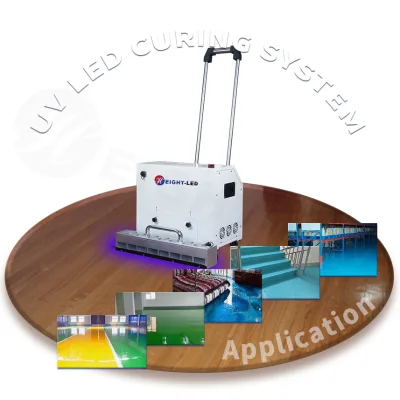
Other applications include the curing of dental materials, 3D printing resins, and various industrial coatings. The emitting color, specifically purple light, is characteristic of the UV spectrum used in these applications. The lighting solutions service offered by some suppliers, including AGI32 layout and AutoCAD layout, indicates that these systems can be integrated into complex lighting designs. This service is particularly valuable for custom installations where the UV LED Dryer needs to be part of a larger automated system. The ability to provide lighting and circuitry design support ensures that the installation is optimized for efficiency and safety.
Supplier Evaluation and Service Capabilities
Selecting the right supplier is as important as selecting the right equipment. Buyers should evaluate suppliers based on their supply ability, which is often listed as 1000 sets per month for UV LED curing systems. This capacity indicates the supplier's ability to meet demand without significant delays. The place of origin is a key indicator of manufacturing standards; many units originate from Guangdong, China, a region known for its electronics manufacturing ecosystem. The port of dispatch, typically Shenzhen, is a major logistics hub that facilitates efficient shipping to global markets.
After-sales service is a critical differentiator among suppliers. The availability of overseas third-party support and video technical support ensures that buyers can resolve issues quickly, regardless of their location. Some suppliers also offer local service locations in regions such as France and South Africa, which can be a significant advantage for customers in those areas. The provision of free spare parts and a one-year warranty demonstrates the supplier's confidence in the product's quality. Buyers should verify the terms of the after-warranty service, which often includes the continued availability of spare parts, to ensure long-term support.
The brand name, such as Height-LED or HTLD, can be an indicator of the supplier's reputation, but buyers should not rely solely on brand recognition. Instead, they should request references and case studies from existing customers to validate the supplier's claims. The condition of the product, listed as "New," should be confirmed through inspection upon delivery. Packaging details, such as standard export cartons, are essential for protecting the equipment during transit, and buyers should ensure that the packaging is robust enough to withstand the rigors of international shipping.
Quality Control and Long-Term Procurement Considerations
Implementing a rigorous quality control process is essential to ensure that the UV LED Dryer meets the required specifications. Buyers should verify the product weight, which can vary from 1kg to 30kg or up to 70kg, as this affects the structural integrity and the mounting requirements of the system. The dimension of the unit, typically around 80mm by 50mm by 80mm for smaller models, must be compatible with the available space in the production facility. The optical attenuation of 10% is a specification that buyers should monitor to ensure that the light output remains consistent over time.
Long-term procurement considerations include the reliability of the LED chips and the power supply. The chip material, often Algainp, is a standard choice for high-power UV LEDs, but buyers should verify the quality of the components used. The power adjustment feature, allowing for 1% to 100% variability, provides flexibility for different curing requirements, but the stability of this adjustment over the lifespan of the machine is crucial. The working hours of 20,000 hours suggest a long operational life, but buyers should plan for periodic maintenance and potential component replacements.
Finally, buyers should consider the scalability of the system. As production needs grow, the ability to upgrade the curing area or increase the power output may be necessary. The availability of customizing options for the irradiation area and the support for lighting solutions services indicate that the supplier is capable of adapting to changing requirements. By carefully evaluating these factors, buyers can ensure that their investment in a UV LED Dryer system delivers consistent performance and value over the long term.
FAQs
What is the operating temperature range for the UV LED Dryer?
The operating temperature range is -10 to 50 degrees Celsius. This specification dictates the environmental controls required for the installation site to ensure the longevity of the LED chips and power supply stability.
Which certifications are typically required for UV LED Dryer systems?
Common certifications include CE and RoHS marks. These indicate conformity with health, safety, and environmental protection standards, ensuring the device does not contain restricted hazardous substances for international sales.
Can the power output be adjusted on a UV LED Dryer?
Yes, the power adjustment is 1 to 100 percent adjustable. This feature allows for precise control over the curing process to prevent issues such as over-curing or under-curing of inks and adhesives.
How long does the UV LED Dryer typically operate before replacement?
The working hours are typically 20,000 hours. This estimate helps calculate the total cost of ownership and indicates the operational lifespan of the LED array under standard conditions.
What is the minimum order quantity for a UV LED Dryer?
The minimum order quantity ranges from 1 to 2 units. This makes the systems accessible for small businesses and pilot projects without requiring large initial inventory commitments.
Which cooling methods are available for uv led curing machines?
Available cooling methods include air cooling or water cooling. The choice depends on the thermal load of the specific application and the available facility infrastructure for heat management.