Source Vacuum Insulated Glass Tea Cup with Handle for daily use, office, and travel
Find 30 Vacuum Insulated Glass Tea Cup with Handle options featuring double walls and stainless steel construction. Buyers can compare capacities from 80ml to 500ml, certifications like FDA and LFGB, and customization services for bulk orders.
Key considerations
Products List


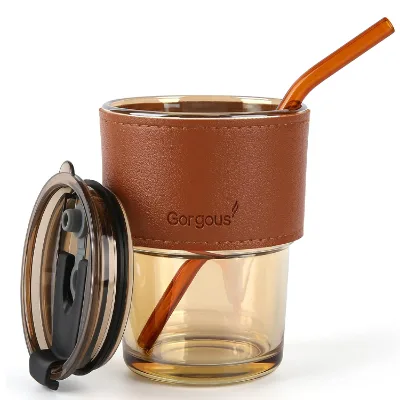


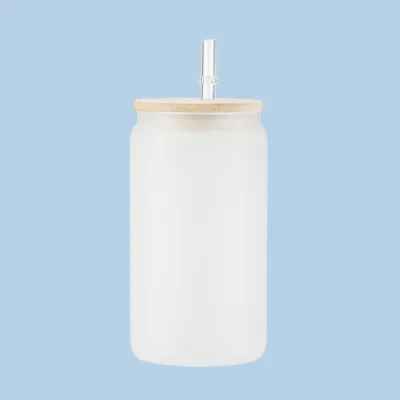


Thickened Lead-Free Transparent Glass Tea Cup with Anti-Scalding Handle
$0.10 - $5.00
MOQ: 1000 Pieces


Comprehensive Sourcing Guide
Strategic Sourcing Guide for Vacuum Insulated Glass Tea Cups with Handle
Understanding Product Construction and Technical Specifications
When sourcing a Vacuum Insulated Glass Tea Cup with Handle, buyers must first distinguish between the primary material claims and the actual functional architecture of the vessel. The supplied product data reveals a complex landscape where "Glass Cup" and "Stainless Steel" attributes appear in the same dataset, indicating that the market offers distinct variations or that the search term covers a broader category of insulated drinkware. A true vacuum insulated glass cup typically features a double-wall construction where a vacuum layer is created between two sheets of glass to minimize heat transfer. However, the provided facts explicitly list "Double Walls" and "Stainless Steel" as key attributes for specific models, such as item number XL-635, which also boasts a "Temp. Hold Time" of 12 hours. This suggests that some high-performance options in this category utilize stainless steel bodies with vacuum insulation rather than pure glass, or that the "Glass Cup" classification in the data refers to a different product line entirely.
For buyers specifically targeting the "vacuum insulated glass" niche, the technical verification must focus on the "Glass Type" and "Construction" fields. The data mentions "Hollow Glass" and "Clear Glass" alongside "304 Stainless Steel" body materials. A critical distinction for the procurement team is to verify whether the vacuum layer is between glass layers or if the glass is merely a decorative outer shell over a steel core. The "Cup Mouth Diameter" is noted as "Fine Mouth" in the dataset, a specification that significantly impacts the tea brewing experience by reducing heat loss through the opening and allowing for better aroma retention. Furthermore, the "Shape" varies between "with Handle" and "without Handle" across different models, with specific references to "Cylindrical Shape" and "Simple" styles. Buyers must confirm that the handle is structurally integrated into the vacuum seal or is an external attachment that does not compromise the thermal efficiency of the double-wall system. The "Capacity" data shows a wide range, from 80ml to 500ml, with specific models like 8012 offering 80ml and others reaching 370ml or 12 oz. This variance requires precise alignment with the intended application, whether for single-serve tea tasting or larger daily use portions.
Compliance Verification and Certification Standards
Navigating the regulatory landscape for food-contact glass and metal products is a paramount step in the sourcing process. The provided facts list a diverse array of certifications, including CE, EU, CIQ, EEC, FDA, LFGB, REACH, and ROHS. While the data presents these as observed attributes, buyers must treat them as verification targets rather than automatic guarantees for every SKU. The presence of "LFGB" and "FDA" is particularly critical for tea cups, as these standards govern the migration of substances from the material into food and beverages. LFGB (German Food and Feed Code) is often considered more stringent than FDA regarding heavy metals and organic compounds, making it a preferred benchmark for European and high-end markets. Similarly, "REACH" and "ROHS" address chemical safety and restrictions on hazardous substances, which are essential for ensuring the longevity and safety of the product's surface finishes and any printed designs.
The dataset indicates that "Certification" is a customizable or variable attribute depending on the specific model. For instance, some entries list "LFGB, ROHS, REACH" while others show "CE / EU, CIQ, EEC, FDA, LFGB." This inconsistency underscores the necessity for buyers to request specific test reports for the exact model number they intend to purchase. The "Surface Finish" is noted as "Accept Customization," which implies that the application of colors or patterns may introduce new chemical compliance requirements. If a buyer opts for a "Color" or "Customized" finish, they must ensure that the pigments used comply with the relevant food-contact standards, as the "Glass Type" being "Hollow" or "Clear" does not automatically guarantee the safety of the decorative layers. The "Standard" field mentions "500ml" and specific box sizes, but these are dimensional standards rather than safety certifications. Therefore, the procurement strategy must prioritize suppliers who can provide third-party laboratory test results for the specific combination of glass type, steel body, and surface treatment being ordered.
Cost Drivers and Pricing Dynamics
The pricing structure for vacuum insulated glass tea cups with handles is influenced by a confluence of material costs, manufacturing complexity, and customization levels. The observed listed price range in the data spans from $0.1 to $999, a variance that reflects the difference between basic glassware and highly engineered, custom-branded insulated vessels. The "304 Stainless Steel" body material is a significant cost driver, as the grade of steel and the thickness required to maintain a vacuum seal directly impact the unit price. Additionally, the "Temp. Hold Time" of 12 hours suggests a high level of engineering, which typically commands a premium over standard double-wall cups that may only retain heat for a few hours. The "Double Walls" construction requires precise manufacturing techniques to create and maintain the vacuum, adding to the production cost compared to single-wall alternatives.
Customization is another major factor affecting the final cost. The data confirms that "Customization," "Customer Design," and "Surface Finish" are all available options. Implementing "Screen Printing" or custom colors on a curved, double-walled surface requires specialized tooling and quality control, which increases the unit price. The "Pack" specification, ranging from "Individual Box" to "Color Box" with specific dimensions like 14.2x7.3x7cm, also influences the cost. Larger or more complex packaging, such as the "One Boxes" or sets of "2 Pieces," adds to the overall landed cost. The "MOQ" range of 50 to 10,000 units further dictates the pricing tier; smaller orders will likely incur higher per-unit costs due to the setup fees for custom molds and printing plates. Buyers should anticipate that models with "Fine Mouth" diameters and specific "Cylindrical Shape" requirements may have different tooling costs compared to standard shapes. The "Lead Time" of 30 days, combined with a "Sample Time" of 1-3 days, suggests that rush orders or expedited shipping will carry additional premiums.
Typical Applications and Usage Scenarios
The versatility of vacuum insulated glass tea cups with handles makes them suitable for a wide array of applications, ranging from daily household use to professional settings. The "Application" field in the data explicitly lists "Daily Use," indicating that these products are designed for frequent, regular consumption. The "Glass Type" descriptions, such as "Crystal Glass" and "Glass Office Cup," suggest a dual market appeal: one for aesthetic, home-based tea ceremonies and another for corporate or office environments where durability and presentation are key. The "Usage" attributes, including "Glass Beaker," hint at potential use in laboratory or educational settings, although the "Handle" feature makes them more suitable for general consumption than pure laboratory glassware.
The "Shape" and "Capacity" data provide further insight into specific use cases. The "Cylindrical Shape" with a "Fine Mouth" is ideal for tea varieties that require steeping control, as the narrow opening helps retain volatile aromatic compounds. The capacity range from 80ml to 500ml allows for customization based on the tea type; smaller 80ml cups are perfect for Chinese Gongfu tea brewing, while 370ml or 12 oz cups are better suited for Western-style loose leaf tea or herbal infusions. The "Eco-Friendly" feature noted in the data aligns with the growing demand for sustainable alternatives to single-use plastic cups. These cups are particularly valuable in hospitality settings, such as hotels and cafes, where the ability to keep tea hot for extended periods (up to 12 hours as per the data) enhances the customer experience. The "Simple" style and "Color" options allow businesses to align the product with their brand identity, making them effective promotional items or part of a curated tea service.
Supplier Evaluation and Operational Capabilities
Evaluating suppliers for vacuum insulated glass tea cups requires a deep dive into their operational capabilities, particularly regarding customization and quality control. The data indicates that "Customer Design" and "Process" customization are accepted, meaning suppliers must have the technical capacity to adapt their manufacturing lines for unique shapes, logos, or finishes. The "Sample Time" of 1-3 days is a strong indicator of a responsive supply chain, suggesting that the supplier can quickly produce prototypes for buyer approval. However, the "Lead Time" of 30 days for bulk orders highlights the need for careful planning and inventory management. Buyers should verify that the supplier's production facilities are capable of maintaining the vacuum integrity during the manufacturing process, as this is a critical failure point for insulated products.
The "Location" data specifies "China" as the origin, which is a major manufacturing hub for this category. Buyers should be aware of the logistical implications of sourcing from this region, including shipping costs and potential tariff impacts. The "Payment Term" options of "Tt or LC" (Telegraphic Transfer or Letter of Credit) suggest that the suppliers are experienced in international trade and offer flexible financial arrangements. When evaluating a supplier, buyers should request evidence of their "Certification" compliance, specifically looking for recent test reports for LFGB, FDA, and REACH. The "prod_packing" details, such as "Color Box" or "One Boxes," should be reviewed to ensure the packaging protects the fragile glass components during transit. Suppliers that offer "Individual Box" packaging may provide better protection but at a higher cost. It is also essential to assess the supplier's ability to handle the "MOQ" range, as some may be more flexible with smaller orders while others require volumes closer to 10,000 units.
Quality Control and Long-Term Procurement Considerations
Ensuring consistent quality in vacuum insulated glass tea cups involves rigorous testing of the thermal performance and structural integrity. The "Temp. Hold Time" of 12 hours is a key performance metric that buyers should verify through independent testing. This involves measuring the temperature drop of hot water over a set period to confirm that the vacuum seal remains intact and the insulation is effective. The "Double Walls" construction must be inspected for any signs of delamination or air leakage, which would render the product ineffective. The "Surface Finish" and "Screen Printing" quality should also be scrutinized to ensure that the graphics do not peel or fade after repeated washing, especially since the "Color" is often "Customized."
For long-term procurement, buyers should consider the durability of the "Handle" attachment. Since the data mentions both "with Handle" and "without Handle" options, the structural strength of the handle is a critical safety factor. The handle must be securely bonded to the double-wall structure without compromising the vacuum. The "Pack" specifications, such as the "color box size" and "2 Pieces/ Set" arrangements, should be optimized to minimize damage during shipping and storage. Buyers should also plan for the "Sample Time" and "Lead Time" in their inventory strategy, as a 30-day lead time can impact supply chain agility. Finally, the "Eco-Friendly" attribute should be a core part of the procurement strategy, ensuring that the materials and packaging align with the buyer's sustainability goals. By focusing on these technical and operational details, buyers can secure a reliable supply of high-quality vacuum insulated glass tea cups that meet both functional and regulatory requirements.
FAQs
What certifications are available for these cups?
Available certifications include LFGB, FDA, REACH, and ROHS depending on the specific model. Buyers must verify test reports for the exact item number to ensure compliance with food-contact safety standards for their target market.
Can I customize the surface finish and color?
Yes, customization is available for surface finishes, colors, and customer designs. Screen printing and individual box packaging can be tailored, though this may affect the unit price and requires specific tooling setup.
How long does the cup retain heat?
Some models with double-wall construction can hold temperature for up to 12 hours. This performance depends on the specific vacuum insulation quality and the initial liquid temperature used during testing.
What is the minimum order quantity for these cups?
The minimum order quantity ranges from 50 to 10,000 units based on the supplier and customization level. Smaller orders may incur higher per-unit costs due to setup fees for molds and printing plates.
Which capacities are available for vacuum insulated cups?
Capacities range from 80ml to 500ml, with specific models offering 300ml or 12 oz options. Buyers should select the capacity that aligns with their intended application, such as single-serve tasting or daily office use.
What is the lead time for bulk orders?
The standard lead time for bulk orders is 30 days from order confirmation. Sample production is faster, typically taking 1 to 3 days, allowing for quick design approval before mass production begins.
Are these cups made of stainless steel or glass?
The product data includes both 304 stainless steel bodies and hollow glass constructions. Buyers must specify the desired material, as the thermal properties and durability differ significantly between the two types.