Find Vegan Waterproof Liquid Mineral Bronzer for face, party, wedding
Source 30 listings of Vegan Waterproof Liquid Mineral Bronzer with mineral ingredients and long-lasting effects. Compare prices, MOQs, and certifications like MSDS and ISO for face beauty makeup applications.
Key considerations
Products List


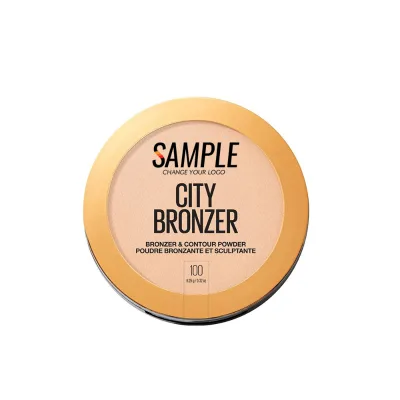


Ditong Hydrating High Pigment Liquid Blush Oil Long Lasting Vegan Blusher
$1.20 - $1.65
MOQ: 1000 Pieces
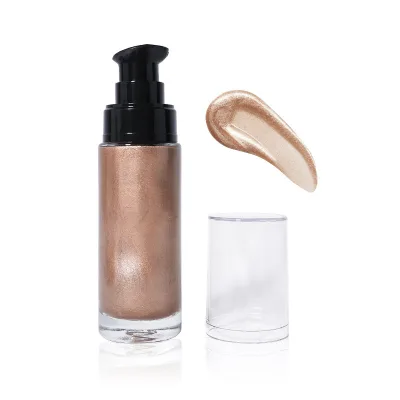

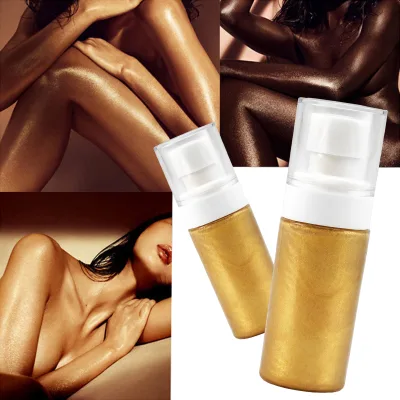
Comprehensive Sourcing Guide
Strategic Sourcing Guide for Vegan Waterproof Liquid Mineral Bronzer
The global cosmetics market has witnessed a significant shift toward products that combine high-performance attributes with ethical sourcing and clean ingredient profiles. For procurement professionals seeking a vegan, waterproof, liquid mineral bronzer, the sourcing landscape requires a nuanced understanding of formulation science, regulatory compliance, and supply chain logistics. This guide provides a comprehensive framework for evaluating potential suppliers and products, grounded in verified industry facts and technical specifications. The objective is to equip buyers with the knowledge to navigate the complex B2B procurement process while ensuring product integrity and market alignment.
Technical Specifications and Formulation Architecture
When sourcing a liquid mineral bronzer, the primary technical differentiator lies in the base formulation and the physical state of the product. The core keyword implies a liquid form, which distinguishes it from powder or stick variants. In the current market, liquid mineral bronzers are characterized by their ability to deliver a natural, skin-like finish while maintaining high pigment density. The mineral component typically refers to the use of naturally derived pigments that offer coverage without the heavy feel associated with synthetic fillers.
A critical observation in the product data indicates that liquid formulations often feature a "Waterproof" attribute, ensuring longevity in various environmental conditions. This is achieved through specific film-forming agents that bind the pigment to the skin, preventing smudging or fading. The "High Pigment" and "Brightening" effects are also frequently cited as key performance indicators for these products. Buyers must verify that the liquid consistency allows for seamless blending, as the "Natural Contour" and "Soft Shadow" effects rely heavily on the product's flow and spreadability.
Furthermore, the "Main Ingredient" being listed as "Mineral" suggests a focus on inorganic compounds that are generally well-tolerated by sensitive skin types. However, the term "Mineral" can sometimes be used loosely in marketing; therefore, procurement teams should request a full ingredient list to confirm the absence of animal-derived components, aligning with the "Vegan" requirement. The product form is explicitly noted as "Liquid" in several data points, but it is essential to cross-reference this with the "Usage" category, which often includes "Face Beauty Makeup" and specific applications like "Natural Contour."
Compliance, Certification, and Regulatory Standards
Navigating the regulatory landscape is paramount when sourcing cosmetics for international markets. The "Vegan" claim requires rigorous verification, as it is not merely a marketing term but a certification of the supply chain. While the provided data mentions "100% Vegan" and "Cruelty Free" as keywords, these attributes must be substantiated by recognized certifications. Buyers should look for suppliers who can provide documentation proving that no animal testing was conducted at any stage of development and that all ingredients are free from animal by-products.
Regarding safety and quality standards, the data highlights several critical certifications including MSDS (Material Safety Data Sheet), ISO, FDA, GMP (Good Manufacturing Practice), REACH, and GMPC. The presence of an MSDS is a baseline requirement for any liquid cosmetic product, detailing the chemical composition and safety handling procedures. The "GMPC, ISO, MSDS, FDA, GMP, REACH" cluster indicates a high level of compliance, particularly for markets in Europe and North America where REACH and FDA regulations are stringent.
It is important to note that not every product in the market will possess the full suite of certifications. Some suppliers may offer "ISO" and "MSDS" while lacking "FDA" or "REACH" compliance, which could limit export capabilities. Procurement teams must verify the specific certification status for each batch or product line. The "Standard" specifications, such as "6ml" or "10ml," often correlate with the regulatory limits for sample sizes or travel-friendly packaging, which can impact the product's classification in different jurisdictions. Buyers should ensure that the supplier's production facilities adhere to the GMP standards relevant to the target market to avoid regulatory hurdles.
Cost Drivers and Pricing Dynamics
The pricing of vegan, waterproof, liquid mineral bronzers is influenced by a complex interplay of factors, including raw material costs, certification fees, and production volume. The observed price range in the market spans from $0.68 to $6.50 USD, reflecting a wide spectrum of product quality and brand positioning. Lower-priced items often utilize more cost-effective mineral pigments and may have lower MOQs (Minimum Order Quantities), while premium products with extensive certifications and high-pigment formulations command higher prices.
MOQ values are a significant cost driver, ranging from 50 to 12,000 units in the observed data. Suppliers with lower MOQs, such as 50 units, are often more accessible for startups or brands testing new markets, but they may come with a higher unit cost. Conversely, larger orders of 12,000 units typically benefit from economies of scale, reducing the per-unit price. The "OEM/ODM" (Original Equipment Manufacturer/Original Design Manufacturer) capability is a key factor in cost structure. Suppliers that offer custom formulation and packaging solutions often charge a setup fee or have higher MOQs to amortize the R&D and tooling costs.
Additionally, the "Sample Provided" attribute is a standard industry practice that allows buyers to test the product before committing to a large order. While samples are often free or low-cost, the logistics of shipping these samples can add to the initial procurement budget. Buyers should also consider the "Packaging" type, such as "Box" or specific bottle designs, as custom packaging can significantly increase the overall cost. The "Size Type" being "Regular Size" suggests that standard packaging is available, which is generally more cost-effective than custom-sized containers.
Typical Applications and Market Positioning
The versatility of liquid mineral bronzers makes them suitable for a wide range of applications, from daily wear to high-stakes events. The "Usage" data points to "Face Beauty Makeup," "Lips & Eyes & Cheek Makeup," and "Face Base Makeup," indicating that these products are often multi-functional. The "Effect" attributes, such as "Natural Contour," "Soft Shadow," "Rightening Skin," and "Modify The Outline," highlight the product's ability to sculpt and enhance facial features without looking heavy or artificial.
The "Suit for" category includes "Party," "Daily," and "Wedding," suggesting that the product is designed to perform well in diverse lighting conditions and social settings. The "Waterproof" and "Long Lasting" features are particularly valuable for events where the product must withstand humidity, sweat, and extended wear. The "Brightening" and "Whitening" effects also appeal to consumers seeking a radiant complexion, making these bronzers suitable for a broad demographic.
For B2B buyers, understanding the target audience is crucial. Products with "High Pigment" and "Oil-Control" features are ideal for consumers with oily skin or those living in humid climates. In contrast, "Moisturizer" and "Anti-Wrinkle" attributes cater to mature skin types or those seeking hydration. The "Keywords" such as "Private Label Face Maekup Blusher" and "Free Combain Contour" suggest that these products are often marketed as customizable solutions for private label brands. This flexibility allows retailers to position the product as a unique offering in their catalog, differentiating it from mass-market competitors.
Supplier Evaluation and Quality Control Protocols
Selecting the right supplier requires a thorough evaluation of their capabilities, quality control systems, and ethical standards. The "OEM/ODM" availability indicates that suppliers should be capable of customizing formulations and packaging to meet specific brand requirements. Buyers should assess the supplier's "Customization" options, including the ability to adjust pigment levels, texture, and scent. The "Sample Provided" feature is a strong indicator of a supplier's confidence in their product quality and their willingness to engage in a collaborative relationship.
Quality control is another critical aspect. Suppliers with certifications like "GMPC," "ISO," and "FDA" typically have robust quality assurance protocols in place. These protocols ensure that every batch of product meets consistent standards for safety, efficacy, and appearance. Buyers should request quality control reports, including test results for microbial contamination, heavy metals, and stability. The "Shelf Life" of 3 years is a significant advantage, indicating that the product is stable and can be stored for extended periods without degradation.
When evaluating suppliers, it is essential to verify the "Product Origin," which is listed as "China" in the provided data. While China is a major hub for cosmetics manufacturing, buyers should ensure that the specific factory adheres to international standards and has a track record of exporting to their target markets. The "Material" used for packaging, such as "PVC," should also be evaluated for sustainability and compatibility with the liquid formulation. The "Form" of the product, whether "Liquid," "Stick," or "Powder," must align with the brand's vision and the consumer's expectations.
Long-Term Procurement Considerations and Strategic Planning
Sourcing a vegan, waterproof, liquid mineral bronzer is not just a transactional activity but a strategic decision that impacts the brand's long-term success. Buyers should consider the scalability of the supply chain, ensuring that the supplier can handle increased order volumes as the brand grows. The "MOQ" range of 50 to 12,000 units suggests that suppliers can accommodate both small and large orders, but buyers should negotiate terms that allow for flexibility as market demand fluctuates.
The "Lead Time" is another critical factor, although specific values are not provided in the data. Buyers should establish clear expectations regarding production and shipping timelines to avoid stockouts. The "Standard" specifications, such as "6ml" or "10ml," should be standardized across the product line to simplify inventory management and reduce complexity. The "Packaging" type, such as "Box," should be durable and environmentally friendly, aligning with the "Vegan" and "Cruelty Free" ethos of the product.
Finally, buyers should plan for continuous innovation. The cosmetics market is dynamic, with consumer preferences shifting rapidly. Suppliers that offer "Customized Concealer Products" and "Private Label" solutions are well-positioned to adapt to these changes. By maintaining a strong relationship with a reliable supplier, brands can ensure a steady supply of high-quality, compliant products that meet the evolving needs of their customers. The "Feature" attributes like "Smooth," "Easy to Color," and "Natural" should be continuously monitored to ensure they remain relevant and competitive in the marketplace.
Comparative Analysis of Product Attributes
To facilitate a clearer understanding of the diverse options available in the market, the following table summarizes key attributes observed in the product data. This comparison highlights the variations in form, effect, and certification that buyers should consider when making a selection.
| Attribute Category | Product Variant A (Liquid) | Product Variant B (Stick) | Product Variant C (Powder) | Product Variant D (Cream) |
|---|---|---|---|---|
| Form | Liquid | Stick | Powder | Cream |
| Main Ingredient | Mineral | Mineral | Mineral | Mineral |
| Key Effect | Natural Contour, Soft Shadow | Rightening Skin, Modify Outline | Natural Exquisite | Oil-Control, Long-Wearing |
| Primary Feature | Waterproof, High Pigment | Smooth, Easy to Color | Natural, High Pigment | Moisturizer, Anti-Wrinkle |
| Certification | MSDS | 100% Vegan, Cruelty Free | N/A | GMPC, ISO, FDA, GMP |
| Standard Size | 6ml | 10ml | 6 Colors Optional | 16g |
| Usage | Face Beauty Makeup | Lips & Eyes & Cheek | Face Base Makeup | Face Base Makeup |
This table illustrates that while the core keyword focuses on a liquid mineral bronzer, the market offers a variety of forms and effects. Buyers must carefully match these attributes to their specific brand requirements and consumer expectations. The presence of "Waterproof" and "High Pigment" in the liquid variant makes it a strong candidate for the core keyword, but the other variants offer unique value propositions that may be relevant for a broader product line.
In conclusion, sourcing a vegan, waterproof, liquid mineral bronzer requires a meticulous approach that balances technical specifications, regulatory compliance, cost efficiency, and strategic planning. By leveraging the insights provided in this guide, procurement professionals can make informed decisions that drive brand success and meet the high standards of the modern cosmetics consumer.
FAQs
What certifications do Vegan Waterproof Liquid Mineral Bronzer suppliers typically hold?
Suppliers typically hold certifications such as MSDS, ISO, FDA, GMP, and REACH to ensure product safety. These documents verify compliance with international standards for cosmetic manufacturing and chemical handling.
How long is the shelf life of liquid mineral bronzer products?
The standard shelf life for these products is three years when stored correctly. This duration ensures the product maintains its waterproof and high pigment properties over time.
Can buyers request samples before placing a large order?
Yes, samples are provided by most suppliers to allow quality verification before bulk purchasing. This enables buyers to test the liquid form and waterproof features firsthand.
What is the typical minimum order quantity for these cosmetics?
Minimum order quantities range from 50 to 12,000 units depending on the supplier and customization needs. Lower MOQs are often available for startups testing the market.
Which product forms are available for mineral bronzer in this category?
Liquid, stick, powder, and cream forms are available for mineral bronzer products. The liquid form is specifically noted for its waterproof and natural contour effects.
What customization options are available for private label brands?
OEM and ODM services are kindly welcomed for custom formulations and packaging. Buyers can request specific sizes like 6ml or 10ml and unique box packaging.
Where are these cosmetic products typically manufactured?
These products are primarily manufactured in China, which is a major hub for cosmetic production. Buyers should verify factory standards for export compliance.