Source Waterproof Football Shoes for Training, Matches, and Outdoor Play
Explore 30 listings for football shoes, noting that most are not waterproof. Buyers can compare features like upper materials, outsoles, and customization options to find suitable footwear for training, matches, and outdoor play.
Key considerations
Products List
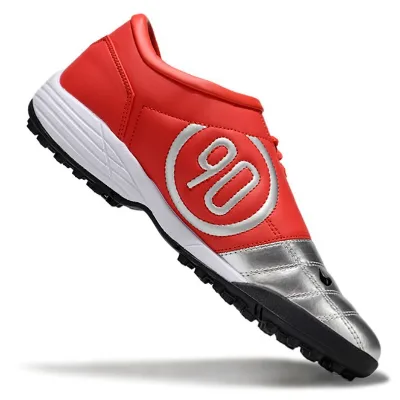
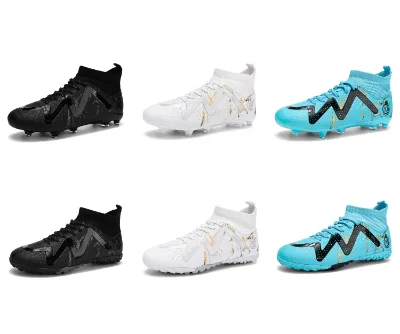


Comfortable and Stable Football Shoes with Enhanced Traction Performance
$8.00 - $14.00
MOQ: 100 Pairs


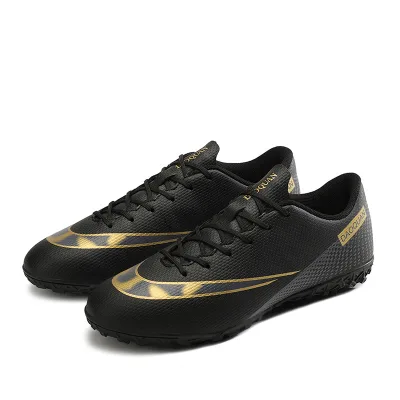
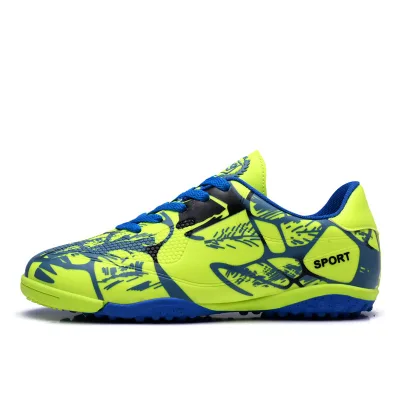
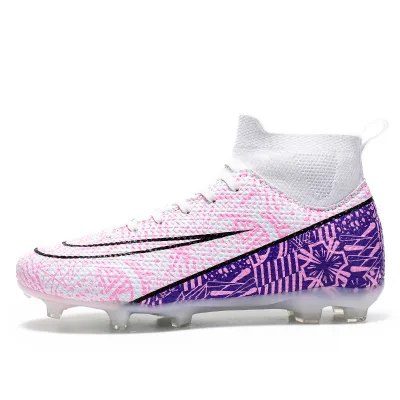


Cleats Soccer Sneaker Football Shoes Perfect for Grass and Turf Sports Shoes
$8.99 - $30.99
MOQ: 120 Pairs

Comprehensive Sourcing Guide
Strategic Sourcing Guide for Waterproof Football Footwear
Procuring specialized athletic footwear, particularly those marketed with water-resistant or waterproof capabilities, requires a disciplined approach to verify claims against actual product specifications. In the B2B market, the distinction between marketing terminology and technical reality is often blurred. Buyers must navigate a landscape where product attributes are observed as specific to individual listings rather than universal standards for the entire category. This guide outlines the essential steps for sourcing football shoes, focusing on the critical evaluation of waterproof claims, material composition, and supplier reliability based on verified product data.
Understanding the Waterproof Claim and Material Reality
The core keyword "Waterproof Football Shoes" presents an immediate technical challenge when cross-referenced with standard product attributes found in typical listings. In many observed product profiles, the attribute "Waterproof" is explicitly listed as "Not Waterproof." This indicates that a significant portion of the market offers shoes designed for breathability and general outdoor training rather than true water impermeability. When a buyer searches for waterproof options, they must scrutinize the "Upper Material" and "Lining Material" fields to determine if the construction supports water resistance.
Common materials observed in this category include leather, PU (Polyurethane), mesh, and fly knit. Leather and PU generally offer better inherent resistance to water penetration compared to mesh or fly knit, which are engineered for breathability. However, the presence of these materials does not automatically guarantee a waterproof rating. A product listing may state "Upper Material: PU and fly knit" or "Upper Material: Mesh," yet the specific attribute for waterproofing remains "Not Waterproof." Buyers must therefore treat the "Waterproof" attribute as a binary verification point. If the listing explicitly states "Not Waterproof," the product is unsuitable for wet conditions regardless of the upper material. Conversely, if the attribute is absent or ambiguous, the buyer must request specific test data or material certifications to confirm water resistance capabilities.
Technical Specifications and Construction Analysis
Beyond the waterproof claim, the technical specifications of football shoes dictate their suitability for various playing conditions. The "Outsole Material" is a critical factor for traction and durability. Observed data includes rubber, TPU (Thermoplastic Polyurethane), and combinations thereof. Rubber outsoles often provide excellent grip on natural grass, while TPU may offer different wear characteristics. The "Midsole Material," frequently listed as EVA (Ethylene-Vinyl Acetate), contributes to cushioning and shock absorption.
The "Lining Material" also plays a role in the shoe's performance in varying weather. While "fly knit" and "cotton fabric" are common, their interaction with moisture differs. Fly knit is highly breathable but may absorb water quickly if not treated. Cotton fabric offers comfort but can retain moisture. For a waterproof application, the lining must be paired with a sealed upper construction. The "Close Pattern," typically "Lace-up," must be evaluated for how it seals the foot. Some designs may incorporate gusseted tongues or waterproof zippers, though these are not explicitly mentioned in the standard attribute lists provided.
Size ranges are another critical specification. Listings show sizes ranging from CN 35 to 46, or 36-45, covering a broad demographic. Buyers must ensure the supplier can fulfill orders across the required size spectrum without compromising the waterproof integrity of the larger or smaller sizes. The "Single package size" and "Single gross weight" (e.g., 2.000 kg) are vital for logistics planning, as waterproof treatments can sometimes add weight or bulk to the packaging.
Compliance, Certification, and Verification Protocols
In the absence of explicit certification data in standard product listings, buyers must establish a rigorous verification protocol. The market often lists "Quality" as "High-quality" or "as The Picture," which are subjective descriptors rather than objective compliance metrics. To validate waterproof claims, buyers should request third-party test reports adhering to international standards such as ISO 20344 for safety footwear or specific ASTM standards for water penetration resistance.
The "Place of Origin" is frequently listed as Zhejiang, China, or Guangdong, China. While these regions are known for footwear manufacturing, the location alone does not guarantee compliance. Buyers must verify that the supplier adheres to the specific standards required by their target market. For instance, if the shoes are intended for European markets, compliance with CE marking requirements is essential. If the destination is North America, adherence to ASTM or ISO standards is necessary. The "Brand Name" (e.g., FDFIT, ZJFIT) and "Model Number" (e.g., FD-HY030, P-329, T22, 8532) serve as unique identifiers for tracking specific production runs, but they do not inherently validate the waterproof claim.
Buyers should also check for "Customized Logo" capabilities, as this is a common feature. However, the customization process must not compromise the waterproof integrity of the shoe. For example, heat-pressed logos or printed designs on waterproof membranes can create weak points if not applied correctly. The "Package" type, often "Carton" or "PVC Bag or Box," must also be evaluated to ensure it protects the shoes during transit, especially if they are marketed as waterproof and need to remain dry until sale.
Cost Drivers and Pricing Dynamics
The price range for football shoes in the observed market spans from $3.78 to $59.90 USD. This wide variance suggests significant differences in material quality, construction complexity, and brand positioning. Waterproof Football Shoes typically command a higher price point due to the additional materials and manufacturing processes required to achieve water resistance. Factors influencing cost include the type of upper material (e.g., full-grain leather vs. synthetic PU), the complexity of the lining, and the durability of the outsole.
The "MOQ" (Minimum Order Quantity) is another critical cost driver. Observed MOQs range from 1 to 1000 pairs, with a specific listing noting an MOQ of 100 pairs. For buyers seeking waterproof models, the MOQ may be higher due to the specialized nature of the production run. Buyers must balance the unit cost against the total order volume. Lower-priced options in the $3.78 range are unlikely to offer genuine waterproof capabilities, as the cost of waterproof membranes and sealing technologies often exceeds the savings in basic materials.
"Customization" is available for many listings, which can impact the final cost. Custom logos, colors, and packaging add to the unit price. The "Selling Units" are typically listed as "Single item," but bulk purchasing is implied by the MOQ. Buyers should negotiate based on the total volume and the complexity of the customization required.
Supplier Evaluation and Quality Control
Evaluating suppliers requires a focus on their ability to deliver consistent quality and adhere to specifications. The "Feature" attributes, such as "Wear-resistant" and "Breathable," are common selling points. However, for waterproof shoes, the supplier must demonstrate a track record of maintaining the integrity of the waterproof layer. The "Style" is often categorized as "Sports Active," indicating a focus on performance.
Quality control measures should be implemented at multiple stages. First, verify the "Upper Material" and "Lining Material" against the agreed specifications. Second, conduct physical tests for water penetration on pre-production samples. Third, inspect the final packaging to ensure the "Single gross weight" and "Single package size" match the shipping documents. The "Quality" attribute "as The Picture" is insufficient; buyers must demand physical samples that match the visual representation and meet the technical requirements.
Suppliers offering "Customized Logo" services should be vetted for their ability to integrate branding without compromising the shoe's structure. The "Place of Origin" (Zhejiang or Guangdong) should be verified through factory audits to ensure the production environment meets hygiene and safety standards. The "Model Number" and "Brand Name" should be consistent across all documentation to avoid confusion in the supply chain.
Long-Term Procurement and Application Considerations
The "Season" attributes observed include Winter, Summer, Spring, and Autumn. Waterproof Football Shoes are particularly relevant for Winter and Autumn seasons, where wet and cold conditions are prevalent. However, the "Type" is often listed as "Football Shoes Breathable," which can create a conflict with waterproof requirements. Breathability is essential for comfort, but it can reduce water resistance if not balanced with a membrane. Buyers must select models that offer a balance between breathability and waterproofing.
The "Gender" is specified as "Men" or "Male," and the "Color" options range from specific numbers (1-6) to "Multicolor" or "Custom color." For long-term procurement, buyers should consider the versatility of the color options and the demand for specific sizes. The "Function" is listed as "Trainning Outdoor Soccer Shoes," indicating that these shoes are designed for outdoor use where weather conditions can vary.
Buyers should also consider the "Anti-skid design," often described as "Anti-slip Protrusions," which is crucial for safety in wet conditions. The "Close Pattern" of "Lace-up" must be secure to prevent water entry. Finally, the "Keywords" such as "Custom Logo Football Shoes" and "Shose Sport Shoes Men" highlight the market's focus on customization and specific demographics.
In conclusion, sourcing Waterproof Football Shoes requires a meticulous review of product attributes, a rigorous verification of waterproof claims, and a strategic approach to supplier evaluation. Buyers must move beyond generic descriptions and demand concrete evidence of water resistance, ensuring that the final product meets the specific needs of their target market. By focusing on material composition, technical specifications, and compliance protocols, buyers can secure high-quality footwear that performs reliably in challenging weather conditions.
FAQs
Are Waterproof Football Shoes available in the observed listings?
No, the observed product listings explicitly state that the football shoes are not waterproof. Most items feature breathable materials like mesh or fly knit, which are designed for ventilation rather than water resistance.
What upper materials are used for these football shoes?
The upper materials observed include leather, PU, and a combination of PU with fly knit. Some listings also specify mesh as the primary upper material, which prioritizes breathability over water protection.
Which sizes are available for these men's football shoes?
Available sizes range from CN 33 to 46, with specific listings covering sizes 36 through 45. Buyers should verify the exact size chart with the supplier to ensure the correct fit for their inventory needs.
Can buyers customize the logo on these football shoes?
Yes, customization is available for the logo on these football shoes. Suppliers offer options for customized branding, allowing buyers to add their specific designs or company names to the product surface.
What is the minimum order quantity for these shoes?
The minimum order quantity varies, with observed ranges from 1 to 1000 pairs. One specific listing indicates an MOQ of 100 pairs, so buyers must confirm the exact threshold with the chosen manufacturer.
Where are these football shoes manufactured?
The products originate from Zhejiang and Guangdong provinces in China. These regions are known for footwear manufacturing, but the specific factory location must be verified during the sourcing process.
What outsole materials are used for traction?
The outsoles are made from rubber or TPU materials. These materials provide wear resistance and grip, suitable for outdoor training and general sports activities on various surfaces.