Source Vehicle Mounted Marine Radio with Beidou GPS for boats, yachts, and fishing
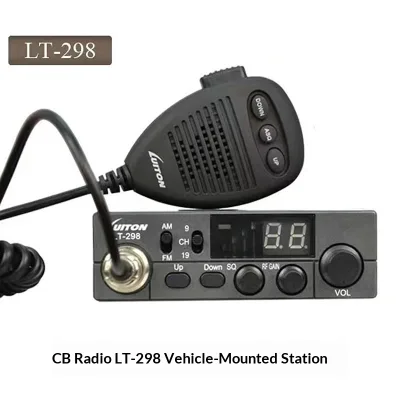
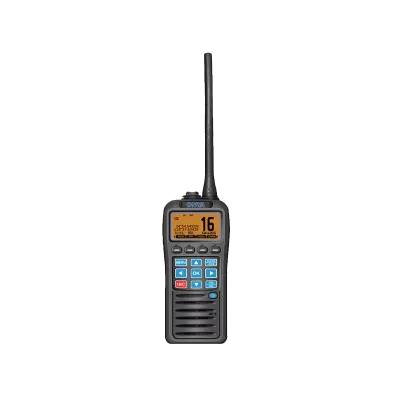
Compare 30 listings of Vehicle Mounted Marine Radio with Beidou GPS featuring VHF/UHF ranges, GNSS support, and Bluetooth. Buyers can evaluate models like RS-510 and LT-298 for maritime communication needs; compare the available evidence and request quotations based on your requirements.
Updated
Key considerations
Products List
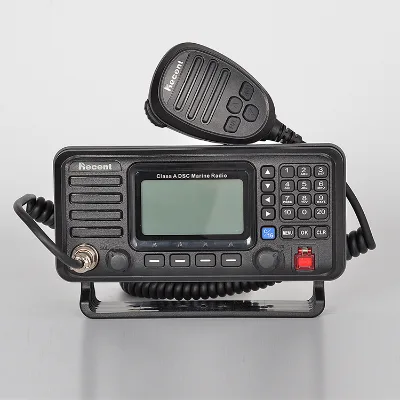
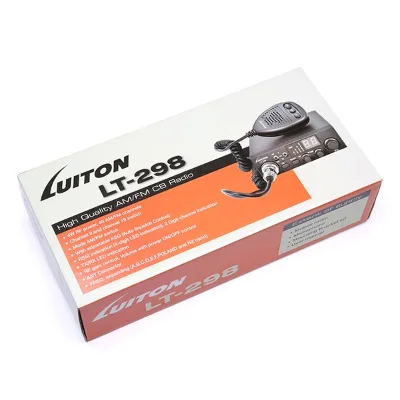
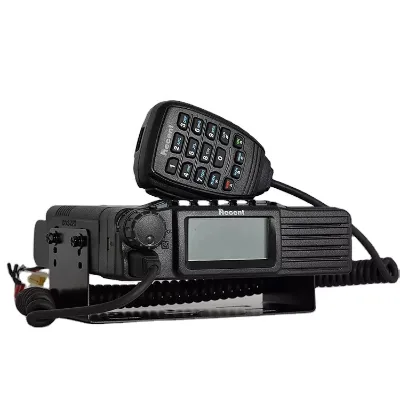


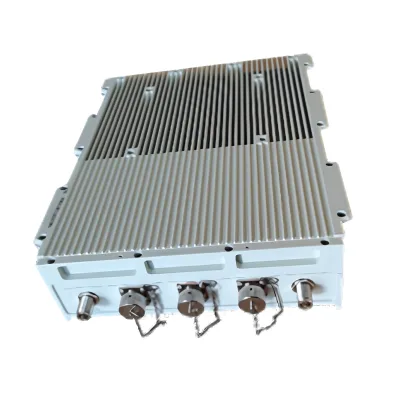
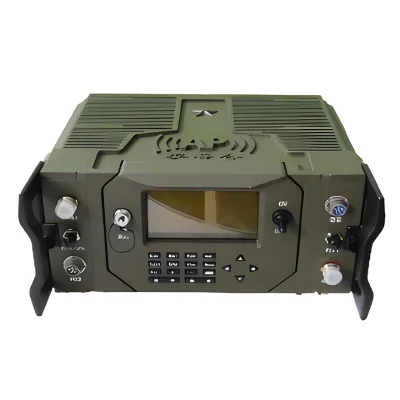
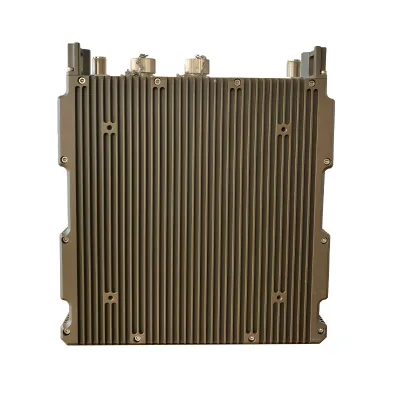


Professional Fleet Management Poc Radio with Integrated GPS/Beidou Tracking
$47.50 - $49.50
MOQ: 10 Pieces


GPS Beidou Positioning Digital Mobile Radio Ap3500 for Fleet Dispatch
$320.00 - $324.00
MOQ: 10 Pieces

Comprehensive Sourcing Guide
Vehicle Mounted Marine Radio with Beidou GPS Sourcing Guide
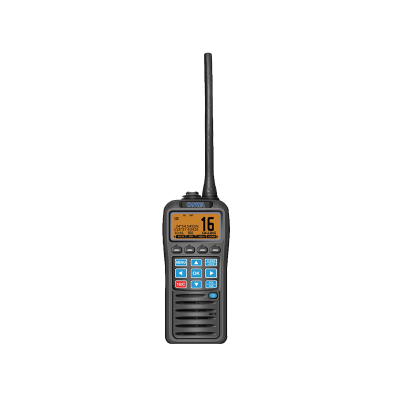
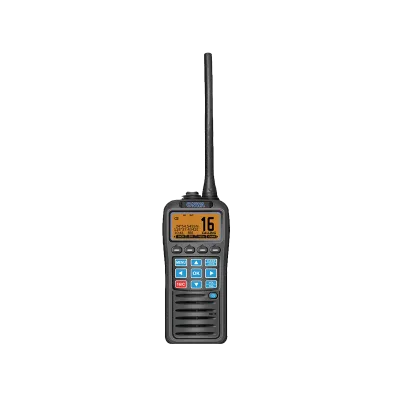
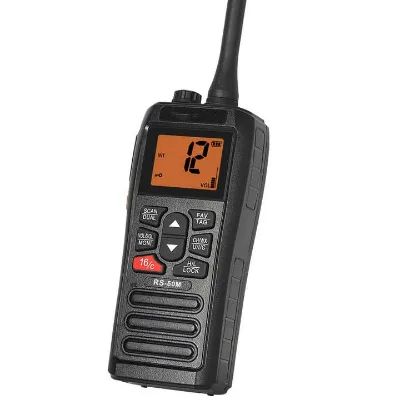
Sourcing vehicle-mounted marine radios with integrated Beidou and GPS capabilities requires careful alignment of technical specifications with operational needs. Buyers must distinguish between standard VHF marine units and those equipped with advanced GNSS modules that support multiple satellite systems. The observed market includes devices with built-in GNSS modules supporting GPS, GLONASS, and SBAS, which are critical for precise positioning in maritime environments. Procurement teams should verify that the selected unit explicitly supports Beidou navigation alongside other global systems to ensure comprehensive coverage.
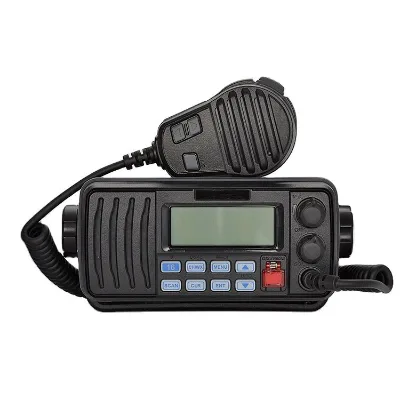
The physical form factor and mounting type are equally important for vehicle integration. Listings indicate the availability of vehicle-mounted configurations, which differ significantly from handheld or fixed marine installations. These units often feature robust ABS plastic housings designed to withstand vibration and environmental stressors common in mobile operations. Buyers should prioritize models that offer clear mounting solutions and ergonomic designs suitable for dashboard or console installation, ensuring that the radio remains secure and accessible during transit.
Product Scope and Observed Listing Signals
The current product landscape features a diverse range of marine communication devices, with prices varying significantly based on feature sets and build quality. Observed listing prices span from approximately $35 to over $22,000, reflecting the disparity between basic handheld units and complex, multi-functional base stations. For vehicle-mounted applications, mid-range options often provide the best balance of cost and capability, typically including essential features like Bluetooth connectivity and FM radio functionality. Buyers should analyze price points relative to the inclusion of digital signal processing and memory channel capacities.
Minimum order quantities (MOQ) in the observed data range from 1 to 10 sets, indicating flexibility for both small-scale procurement and larger fleet deployments. Many suppliers offer customization options, allowing buyers to tailor branding or specific functional parameters to their organizational needs. Packaging details often include color boxes or standard cartons, with single gross weights around 2.0 kg for individual units. This weight range suggests portable yet durable construction, suitable for installation in various vehicle types without imposing excessive load constraints.
Technical Specifications to Verify
Frequency range and channel spacing are fundamental technical parameters that must align with regional maritime regulations. Observed specifications indicate VHF bands ranging from 136-174 MHz and UHF bands from 400-480 MHz, with channel spacings of 12.5 kHz or 25 kHz. Buyers must confirm that the selected radio supports the specific frequency allocations mandated by their operating region. Additionally, the presence of a digital vocoder, such as Ambe 3000, enhances audio clarity and spectral efficiency, making it a valuable feature for clear communication in noisy vehicle environments.
Power output and antenna impedance are critical for ensuring reliable transmission and reception. Typical power outputs for these devices range from 1W to 50W, depending on the model and intended use case. A standard antenna impedance of 50 Ohms is common, but buyers should verify compatibility with existing vehicle antenna systems. The inclusion of a display and automatic headphone connection features improves user experience, while storage capacities of up to 1024 channels allow for extensive frequency management. Working voltage is typically DC 13.8V, matching standard vehicle electrical systems.
Compliance and Safety Documentation
Certification requirements vary by destination market, but CE, FCC, and RoHS marks are frequently observed in product listings. These certifications indicate adherence to electromagnetic compatibility, radio frequency exposure, and hazardous substance restrictions. Buyers should request valid certification documents from suppliers to ensure that the equipment meets regulatory standards in their target markets. The presence of ISO certifications may also indicate robust quality management systems, providing additional assurance regarding manufacturing consistency and reliability.
Safety documentation should include detailed user manuals and installation guides specific to vehicle mounting. Buyers must ensure that the radio’s operating temperature and humidity ranges are suitable for the intended vehicle environment. Additionally, verification of the battery capacity, observed in some listings as 2000mAh, is essential for understanding backup power capabilities. Clear labeling of input voltage and current requirements helps prevent electrical damage during installation. Compliance with local maritime communication laws is paramount, and buyers should consult relevant authorities to confirm that the selected device is legally operable.
Cost Drivers and Commercial Terms
Several factors influence the final cost of vehicle-mounted marine radios, including the complexity of the GNSS module and the quality of audio components. Units with built-in Beidou and GPS support, along with digital signal processing, typically command higher prices than basic analog models. Supply ability, observed at 3000 sets per month for some suppliers, suggests that larger orders may benefit from economies of scale. Buyers should negotiate pricing based on volume commitments, keeping in mind that customization requests may incur additional fees.
Shipping and logistics costs are determined by the port of dispatch and packaging dimensions. Observed data indicates dispatch from Hong Kong, with single package sizes around 25x20x10 cm. These dimensions facilitate efficient palletization and reduce shipping costs for bulk orders. Lead times should be clarified with suppliers, as they can vary based on production schedules and inventory levels. Buyers should also consider the total cost of ownership, including potential maintenance, spare parts availability, and warranty terms, to make informed procurement decisions.
Supplier Qualification and Quality Control
Evaluating supplier qualifications is essential for ensuring the reliability of vehicle-mounted marine radios. Buyers should verify the supplier’s production capabilities, including their supply ability and quality control processes. Factories located in Fujian and Guangdong, China, are common sources for these devices, but buyers should conduct due diligence to confirm manufacturing standards. Requesting samples for testing is a prudent step to assess build quality, audio performance, and GNSS accuracy before committing to larger orders.
Quality control measures should include rigorous testing of radio functions, including frequency stability, power output, and noise reduction. Buyers should inquire about the supplier’s testing protocols and whether they perform pre-shipment inspections. The availability of customization services indicates a supplier’s flexibility, but buyers must ensure that customizations do not compromise the device’s core functionality or compliance status. Establishing clear communication channels with suppliers helps resolve technical queries and ensures that procurement requirements are met accurately and efficiently.
Long-Term Procurement Checks
Long-term procurement success depends on establishing strong relationships with reliable suppliers and maintaining consistent quality standards. Buyers should monitor supplier performance over time, tracking metrics such as on-time delivery, product defect rates, and responsiveness to issues. Regular audits or periodic sample testing can help identify potential quality drifts early. Additionally, staying informed about changes in maritime communication regulations and GNSS technology ensures that procurement strategies remain aligned with industry advancements.
Inventory management and spare parts availability are critical for minimizing downtime in vehicle fleets. Buyers should negotiate agreements that include provisions for spare parts and technical support. Understanding the product lifecycle and planned obsolescence helps in planning future upgrades and replacements. By maintaining a comprehensive record of procurement data and supplier performance, buyers can optimize their sourcing strategies and ensure the continued reliability of their vehicle-mounted marine communication systems.
FAQs
What certifications do these marine radios have?
These marine radios hold CE, FCC, RoHS, and ISO certifications. The product specifications confirm compliance with these standards to ensure safety and regulatory adherence for international markets. Buyers can verify these documents before placing orders.
Can I customize the packaging for this radio?
Yes, customization is available for the packaging details. The standard packing uses color boxes with one set per carton, but buyers can request specific packaging solutions. This flexibility supports branding needs for different regional markets.
Which frequency ranges are supported by this unit?
The unit supports VHF 136-174 MHz and UHF 400-480 MHz ranges. Some models also cover 350-390 MHz or 450 MHz bands. This wide coverage ensures compatibility with various marine communication channels and regional frequency allocations.
How is the power output configured for this device?
The power output offers selectable levels of 50W, 25W, or 10W. This allows users to adjust transmission strength based on distance requirements and battery conservation needs. The device operates on a DC 13.8V working voltage.
What is the supply ability for these radios?
The supplier provides a monthly capacity of 3000 sets. This production volume ensures consistent availability for bulk orders without significant delays. Buyers can rely on this steady supply rate for large-scale procurement projects.
Which location is the place of origin for these products?
The place of origin is Fujian, China, with some items from Guangdong. Products are dispatched from the HongKong port. This location data helps buyers calculate shipping logistics and estimate delivery times accurately.
Can the radio connect to GPS and Beidou systems?
Yes, the radio features a built-in GNSS module supporting GPS, GLONASS, and SBAS. While GPS is listed as optional in some configurations, the core functionality includes robust satellite navigation support for marine positioning.