Source Velvet Octagonal Jewelry Box for Rings, Pendants, Bracelets
Compare 30 Velvet Octagonal Jewelry Box options from China factories. Buyers can review custom sizes, colors, and logos for rings, pendants, and bracelets with MOQs starting at 500 pieces; compare the available evidence and request quotations based on your requirements.
Updated
Key considerations
Products List

Velvet Two Piece Ring Box Necklace Earrings Box Velvet Velvet Jewelry Box for Set
$0.20 - $3.00
MOQ: 500 Pieces


Cute Velvet Ring Box Velvet Jewellry Gift Box Velvet Ring Box for 3 Rings
$0.20 - $2.00
MOQ: 500 Pieces


Custom Jewelry Box Velvet Logo Octagon Velvet Box Velvet Jewelry Box for Bangles
$0.20 - $3.50
MOQ: 500 Pieces







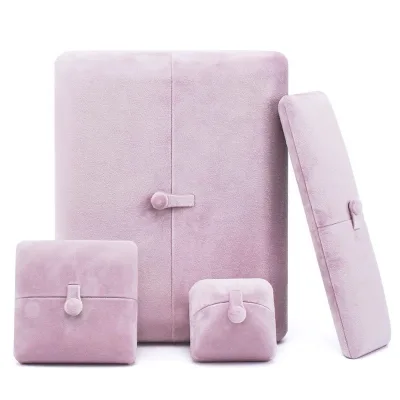
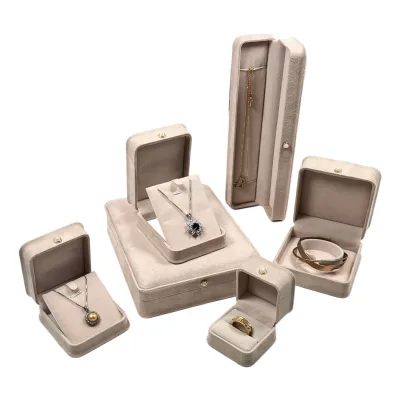


Comprehensive Sourcing Guide
Velvet Octagonal Jewelry Box Sourcing Guide
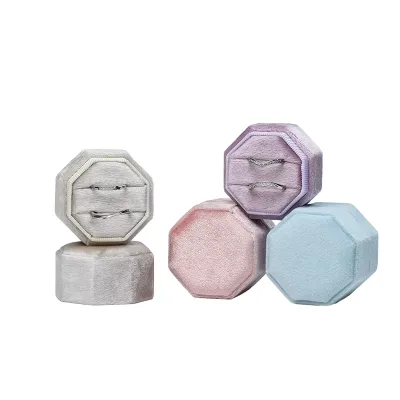
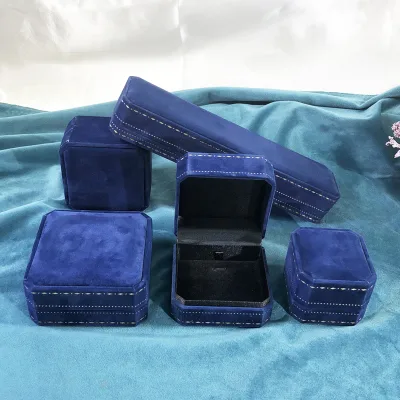
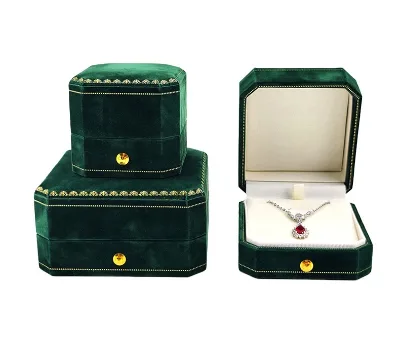
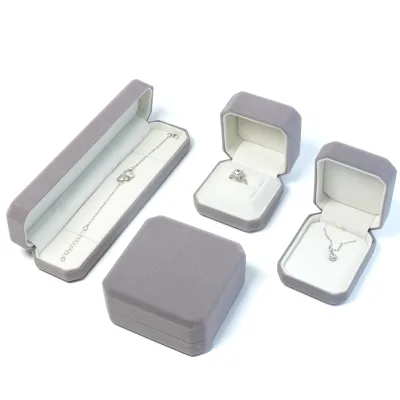
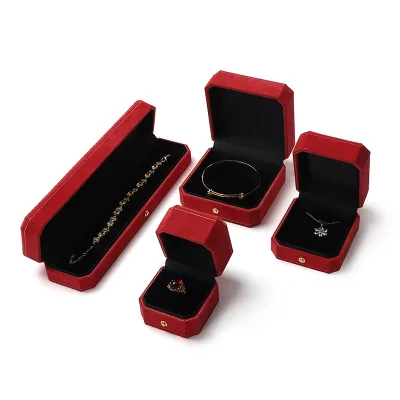
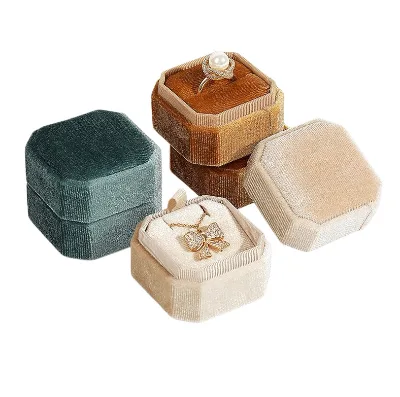
Sourcing high-quality velvet octagonal jewelry boxes requires a strategic approach that balances aesthetic appeal with functional durability. These packaging solutions are primarily designed for the jewelry industry, offering a luxurious presentation for rings, pendants, and bracelets. The octagonal shape provides a distinctive visual identity, differentiating products on retail shelves while maintaining a compact footprint for efficient storage and shipping. Buyers must recognize that the exterior material often features embossed printing, which adds texture and premium feel, while the interior utilizes soft materials like velvet, PU leather, or suede to protect delicate items from scratches.
The procurement process involves navigating a market dominated by manufacturers in China, particularly in regions like Yiwu, Zhejiang. Suppliers typically offer OEM services, allowing for extensive customization in design, color, and logo application. Common logo techniques include hot stamping, silk screen printing, embossing, and general printing, with accepted file formats such as PDF, CDR, PSD, AI, and JPG. Understanding these customization options is crucial for brands seeking to align packaging with their specific identity guidelines, ensuring that the final product reflects the desired brand image accurately.
Product Scope and Observed Listing Signals
The current market landscape for velvet octagonal jewelry boxes reveals a diverse range of product variations available to buyers. Listings indicate a price range of $0.2 to $12 USD, reflecting significant differences in material quality, order volume, and customization complexity. The minimum order quantity (MOQ) typically ranges from 5 to 1,000 pieces, with many suppliers setting a standard MOQ of 500 pieces. This flexibility allows both small startups and large enterprises to find suitable entry points, although higher volumes often unlock better pricing tiers and more favorable production schedules.
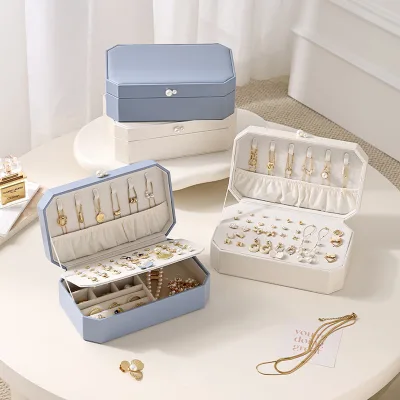
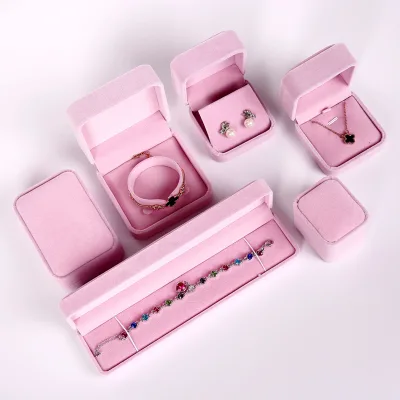
Observed product attributes highlight a strong emphasis on single-layer construction and trend-driven styles. Colors vary widely, including grey, white, blue, moss green, pink, and lake blue, with options for custom colors to match specific brand palettes. The inserts are available in multiple materials such as velvet, PU leather, suede, satin, and fabric, catering to different jewelry types. Additionally, the boxes are often packed in cartons, with standard mold sizes available for quick deployment, while custom sizes are accepted for unique product dimensions, ensuring a perfect fit for various jewelry pieces.
Technical Specifications to Verify
When evaluating technical specifications, buyers should prioritize the verification of mold sizes and structural integrity. The standard mold size is a common baseline, but many suppliers offer customizable standards to accommodate specific product dimensions. For instance, single package sizes may vary, with some models measuring approximately 22x18x10 cm. It is essential to confirm the exact dimensions and weight, such as a single gross weight of around 1.0 kg, to ensure compatibility with logistics planning and retail display requirements. Accurate specifications prevent costly errors in shipping and storage.
The exterior and interior material composition is another critical technical aspect. The exterior often features embossed octagonal prints, which require careful inspection for consistency and durability. Inside, the choice of insert material—whether velvet, PU leather, or suede—directly impacts the perceived value and protection of the jewelry. Buyers should request physical samples to assess the texture, thickness, and finish of these materials. Verifying the printing methods, such as embossing, ensures that the design elements are crisp and long-lasting, maintaining the premium appearance of the packaging over time.
Compliance and Safety Documentation
Compliance and safety documentation are vital for ensuring that the jewelry boxes meet international standards and regulatory requirements. While specific certifications like FSC may be mentioned in background contexts, buyers must verify the actual certification status with the supplier. This includes confirming that the materials used, such as velvet and adhesives, are free from harmful substances and comply with relevant environmental and safety regulations. Documentation should include material safety data sheets and any relevant test reports to assure end-users of the product's safety.
Buyers should also inquire about the manufacturing standards and quality control processes employed by the supplier. A claim of 100% QC inspection is a positive indicator, but it is essential to understand the specific checkpoints and criteria used during this process. Requesting detailed quality assurance protocols helps ensure that every box meets the required standards for durability and appearance. Additionally, verifying the origin of the materials, particularly if recycled materials are claimed, adds transparency and supports sustainability goals, which are increasingly important to modern consumers.
Cost Drivers and Commercial Terms
Cost drivers for velvet octagonal jewelry boxes include material selection, customization complexity, and order volume. The use of premium materials like velvet and PU leather, along with intricate printing and embossing techniques, can increase production costs. However, economies of scale are evident, with lower unit prices available for larger orders. The MOQ of 500 pieces is a common threshold, but buyers can often negotiate terms based on their specific volume requirements. Understanding these cost dynamics helps in budgeting and forecasting for large-scale procurement projects.
Commercial terms typically involve a payment structure of a 30% deposit via TT, with the balance due before shipment. Lead times are another critical factor, with sample lead times averaging about 7 days and bulk production taking approximately 30 days. Buyers should plan their procurement schedule accordingly to avoid delays. Transportation options are flexible, including express, sea, air, train, and truck services, allowing for tailored logistics solutions. Clear communication of these terms ensures a smooth transaction and minimizes the risk of misunderstandings.
Supplier Qualification and Quality Control
Supplier qualification is a crucial step in the sourcing process, focusing on verifying the manufacturer's capabilities and reliability. Many suppliers identify as 100% manufacturers, which can offer advantages in cost control and quality assurance. Buyers should conduct due diligence to confirm this claim, checking for factory audits, production capacity, and past performance records. A reputable supplier will provide transparent information about their operations, including their business type and location, such as China (Mainland) or Yiwu, Zhejiang.
Quality control measures should be rigorously evaluated, with a focus on the supplier's inspection protocols. The claim of 100% QC inspection is a strong indicator, but buyers should request details on the specific checks performed, such as visual inspection, dimension verification, and material testing. Additionally, the availability of 24-hour online service suggests a commitment to customer support, which can be valuable for addressing issues promptly. Establishing a clear quality agreement with the supplier ensures that expectations are aligned and that any deviations are addressed efficiently.
Long-Term Procurement Checks
Long-term procurement checks involve establishing a framework for continuous improvement and relationship management with suppliers. Regular performance reviews should be conducted to assess the supplier's adherence to quality standards, delivery times, and communication effectiveness. Feedback loops should be established to address any issues promptly and to identify opportunities for optimization. This proactive approach helps maintain a high standard of packaging quality and ensures that the supplier remains aligned with the buyer's evolving needs.
Sustainability and ethical sourcing practices should also be monitored over time. Buyers should verify that the supplier continues to comply with environmental regulations and ethical labor standards. This includes checking for any changes in material sourcing or manufacturing processes that might impact compliance. By maintaining a focus on long-term checks, buyers can build a resilient supply chain that supports their brand's values and meets the demands of a responsible consumer market.
FAQs
Can I customize the logo on velvet octagonal jewelry boxes?
Yes, custom logos are available using hot stamping, silk screen, embossing, or printing methods. You can submit logo files in PDF, CDR, PSD, AI, or JPG formats. The manufacturer offers OEM services to ensure your brand identity is accurately represented on the final packaging product.
What is the minimum order quantity for these boxes?
The standard minimum order quantity is 500 pieces. However, observed listings show a range from 5 to 1000 units depending on the specific supplier and customization requirements. Buyers should confirm the exact MOQ with the factory before placing an order to ensure production feasibility.
How long does production take for bulk orders?
Bulk lead time is approximately 30 days after deposit confirmation. Sample production takes about 7 days. These timelines apply to standard velvet octagonal jewelry boxes. Expedited options may vary, so buyers should verify current capacity with the China-based manufacturer before finalizing purchase agreements.
What materials are used for the interior inserts?
Interior inserts are available in velvet, PU leather, suede, satin, and fabric options. These materials protect jewelry items while complementing the octagonal exterior design. Buyers can select the insert material that best suits their specific jewelry type and aesthetic preferences during the customization process.
What shapes are available for these velvet jewelry boxes?
Both hexagonal and octagonal shapes are available for these velvet jewelry packaging items. The octagonal design features embossed printing options. Buyers can choose the shape that best fits their branding needs, with custom sizes accepted to ensure proper fit for various jewelry types.
What payment terms are required for factory orders?
Payment requires a 30% deposit via TT (Telegraphic Transfer). The remaining balance is typically settled before shipment. This standard term applies to orders from the China mainland factory. Buyers should arrange secure payment methods and confirm the full payment schedule with the supplier prior to production start.