Source Velvet Boys Suit for weddings, parties, and school events
Compare 30 Velvet Boys Suit options from verified Chinese suppliers offering OEM services and customization. Buyers can review models like BS010 and EZX series with sizes ranging from 70 to 170 for various occasions.
Key considerations
Products List


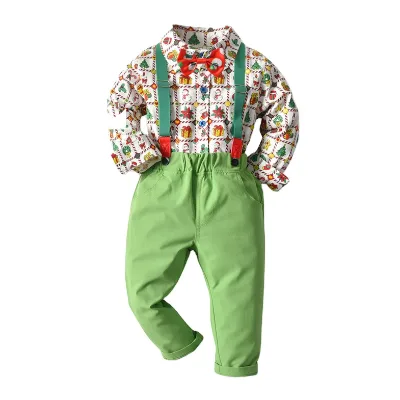
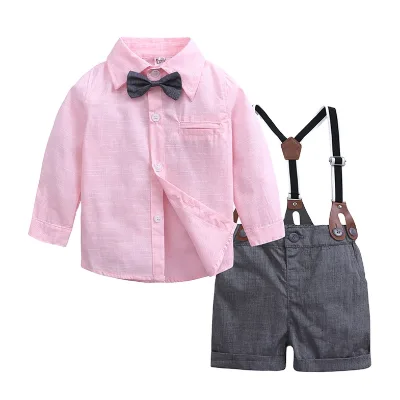


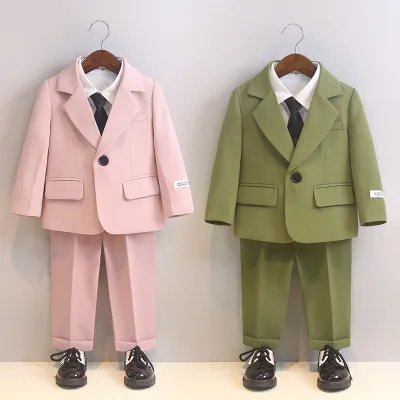


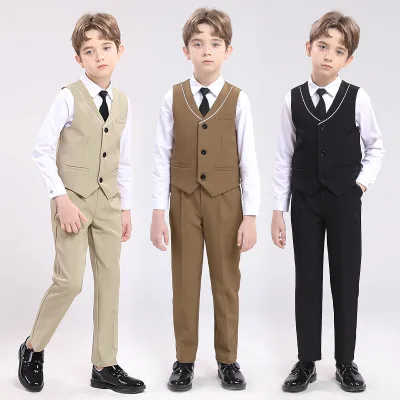
Comprehensive Sourcing Guide
Velvet Boys Suit Sourcing Guide
Sourcing velvet boys suits requires a nuanced understanding of both the aesthetic demands of formal children’s wear and the rigorous safety standards governing textile products for minors. While the core keyword suggests a specific fabric preference, the current market landscape for children’s formal wear is diverse, with many suppliers offering alternatives such as cotton blends, polyester mixes, or structured twill that mimic the visual depth of velvet without the associated maintenance challenges. Buyers must navigate a field where "velvet" may refer to a surface finish rather than a pure fiber content, necessitating careful verification of material composition to ensure the product meets both durability expectations and regulatory compliance for children’s clothing.
The procurement process for these garments involves balancing style, comfort, and safety, particularly given that the target demographic includes infants and young children who are sensitive to tactile stimuli and potential chemical residues. Although the observed product listings highlight a variety of styles ranging from two-piece suits to short-sleeved options, the specific mention of "velvet" in the core keyword requires a focused approach to supplier vetting. Buyers should prioritize suppliers who provide transparent material declarations and offer customization options, as this often indicates a higher level of manufacturing control and flexibility in meeting specific brand requirements for texture, color, and fit.
Product Scope and Observed Listing Signals
The current market for boys’ formal suits exhibits a wide range of structural designs and fabric compositions, with many listings emphasizing versatility and customization. Observed product attributes indicate a strong presence of two-piece sets featuring single-button closures and peak or notch lapels, catering to traditional formal aesthetics. While some suppliers explicitly list cotton as the primary material, others offer OEM services that allow for significant customization in terms of pattern, color, and sizing. This variability suggests that buyers seeking velvet-specific items must look beyond generic listings and engage directly with suppliers who can confirm the presence of velvet or velvet-like textures in their current inventory or production capabilities.
Size ranges and standardization also play a critical role in defining the product scope, with observed standards spanning from 90 to 170, covering early childhood through pre-adolescence. The availability of specific models such as BS010, BS002, and various EZX series suits indicates a mature supply chain capable of producing consistent fits across different age groups. However, the presence of both short-sleeved and long-sleeved options, along with variations in collar styles, means that buyers must clearly define their seasonal and stylistic requirements early in the sourcing process. The observation of "Pure Colour" and "Plaid" patterns further highlights the need for precise specification sheets to avoid mismatches between ordered samples and bulk production.
Technical Specifications to Verify
Verifying the technical specifications of boys’ suits is essential to ensure that the final product meets quality and safety expectations, particularly when dealing with textured fabrics like velvet. Buyers should prioritize the verification of fiber content, as the term "velvet" can sometimes be used loosely to describe any soft, plush fabric, whereas true velvet may involve specific weave structures that impact durability and care requirements. The observation of "100% Cotton" in some listings serves as a benchmark for transparency, but for velvet items, buyers must confirm whether the pile is made from natural fibers, synthetic blends, or a combination, as this affects breathability, static resistance, and cleaning instructions.
Construction details such as closure types, collar styles, and packaging methods are also critical technical parameters that influence the perceived value and functionality of the suit. Single-button closures and peak lapels are common features that contribute to the formal appearance, but buyers should verify the quality of stitching, button attachment security, and lining materials to prevent premature wear. Additionally, the observation of packaging details like "1set/OPP Bag" or "Sets with Hanger in Carton" provides insight into the supplier’s attention to presentation and logistics, which can impact retail readiness and damage prevention during transit.
Compliance and Safety Documentation
Compliance with safety standards is non-negotiable when sourcing children’s clothing, as regulatory bodies enforce strict guidelines on flammability, chemical content, and physical hazards. Buyers must ensure that all suppliers provide relevant test reports and certifications that verify the absence of harmful substances such as lead, phthalates, and azo dyes, which are commonly regulated in children’s apparel. The observation of "Good Quality" as a feature is subjective and does not substitute for objective third-party testing, so procurement teams should request documentation that aligns with international standards such as CPSIA in the United States or EN 71 in Europe, depending on the target market.
Physical safety features, including the security of buttons, zippers, and decorative elements, must also be rigorously checked to prevent choking hazards or injury. For velvet suits, the stability of the pile and the resistance to pilling or shedding are important considerations, as loose fibers can pose ingestion risks for younger children. Buyers should verify that the supplier has implemented quality control measures that include pull tests for attachments and visual inspections for loose threads, ensuring that the final product is safe for daily wear and formal occasions alike.
Cost Drivers and Commercial Terms
Understanding the cost drivers behind boys’ suits helps buyers negotiate better terms and anticipate budget fluctuations. Material composition is a primary factor, with natural fibers like cotton generally commanding higher prices than synthetic blends due to sourcing and processing costs. The complexity of the design, including the number of pieces, the intricacy of the lapel structure, and the presence of custom patterns, also influences manufacturing costs. Suppliers offering OEM services may charge additional fees for pattern development and sample creation, which should be factored into the total cost of ownership.
Commercial terms such as MOQ, lead times, and payment conditions significantly impact the overall procurement strategy. The observed MOQ range of 1 to 2000 units suggests flexibility for both small-scale retailers and large distributors, but buyers should clarify whether lower MOQs come with premium pricing. Lead times, including sample production and bulk manufacturing, vary based on order complexity and supplier capacity, with some listings indicating support for 7-day sample orders. Buyers should establish clear agreements on delivery schedules and penalties for delays to mitigate supply chain disruptions.
Supplier Qualification and Quality Control
Supplier qualification is a critical step in ensuring a reliable supply chain for boys’ suits, requiring a thorough assessment of manufacturing capabilities and quality management systems. Buyers should verify the supplier’s production history, focusing on their experience with children’s formal wear and their ability to handle specific fabric types like velvet. The observation of OEM service availability indicates that the supplier is equipped to handle custom orders, but buyers should also assess their capacity for consistent quality control across large batches.
Quality control processes should be integrated into the procurement workflow, starting with sample approval and extending to pre-shipment inspections. Buyers should define clear acceptance criteria for fabric texture, color consistency, and construction integrity, and request that suppliers conduct internal QC checks before dispatch. The availability of in-stock items may offer faster turnaround times, but buyers must ensure that these items meet the same quality standards as made-to-order pieces, avoiding compromises on safety or durability.
Long-Term Procurement Checks
Establishing long-term procurement checks ensures that the relationship with suppliers remains productive and that product quality remains consistent over time. Regular audits of supplier performance, including on-time delivery rates and defect percentages, help identify potential issues before they escalate. Buyers should also monitor market trends and regulatory changes that may impact the sourcing of children’s clothing, such as new restrictions on certain dyes or finishes, to ensure ongoing compliance.
Continuous improvement initiatives, such as feedback loops from end-users and periodic reviews of product specifications, can drive innovation and enhance customer satisfaction. By maintaining open communication with suppliers and investing in relationship management, buyers can secure better pricing, priority production slots, and access to new designs. The goal is to build a resilient supply chain that can adapt to changing consumer preferences while maintaining the high standards of safety and quality expected in the children’s formal wear market.
FAQs
What customization options are available for velvet boys suits?
Customization is available for these suits, allowing buyers to request specific changes. The product page confirms that OEM services are offered, enabling tailored designs for children's wear. Buyers can work with suppliers to adjust features like patterns or closures to meet their needs.
Which closure types are used on these boys suits?
The suits feature a single button closure type as a standard design element. This detail is observed in the product attributes provided. Buyers looking for specific fastening mechanisms should verify this single button style against their requirements before placing an order.
Can I order samples with a seven-day lead time?
Sample order lead times vary by supplier, with some supporting a seven-day turnaround. However, other listings indicate that seven-day sample orders are not supported. Buyers must check the specific supplier's lead time policy to confirm if a quick sample is possible.
What materials are used to make these children's suits?
The suits are constructed from 100% cotton fabric, ensuring comfort for children. Some listings also mention cotton as the primary material. This natural fiber choice is suitable for the age group specified and aligns with the observed product attributes.
How many pieces are included in a standard suit set?
A standard suit set includes two pieces, typically comprising a jacket and trousers. This two-piece configuration is listed as a key attribute for the product. Buyers should expect this standard composition unless a different set is specified by the supplier.
What is the minimum order quantity for these suits?
The minimum order quantity ranges from one to two thousand units depending on the supplier. This wide range allows flexibility for different buyer needs. Specific MOQ values must be confirmed with the vendor as they vary across the available listings.
Which collar styles are available for these suits?
Available collar styles include peak lapel and notch lapel designs. These options are observed in the product attributes for the boys suits. Buyers can choose between these classic styles based on their preference for the garment's appearance.