Source eco-friendly resin jewelry display stand for stores, exhibitions, and retail
Compare 30 eco-friendly resin jewelry display stand options from verified suppliers. Buyers can evaluate custom designs, materials, pricing, and OEM services for retail stores, exhibitions, and specialty shops to find the best fit; compare the available evidence and request quotations based on your requirements.
Updated
Key considerations
Products List

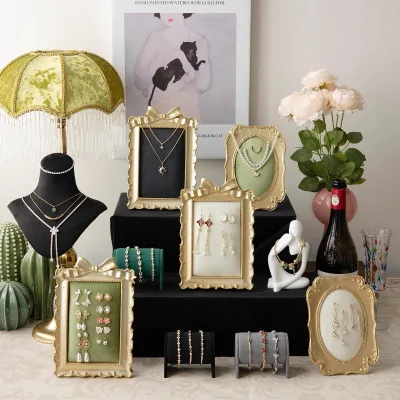
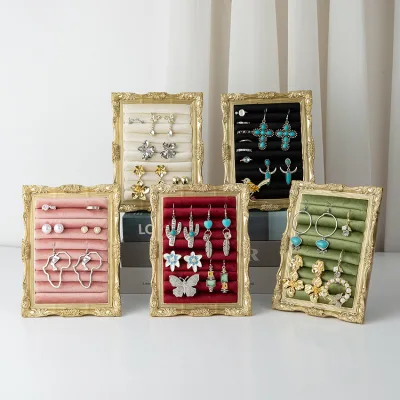
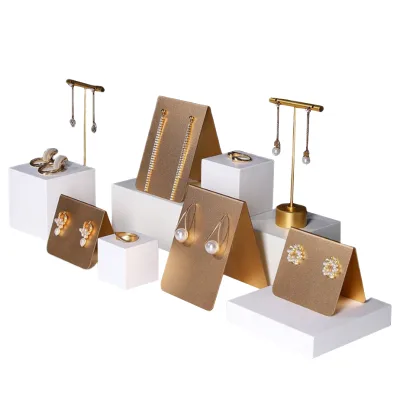


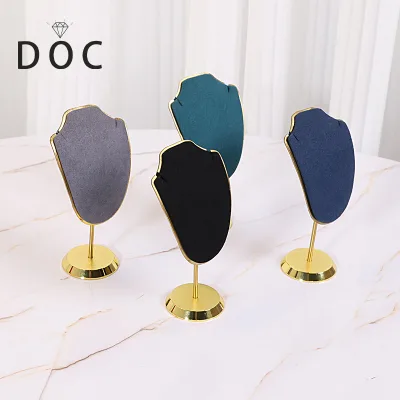


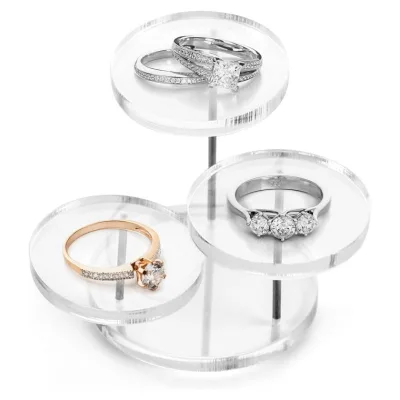

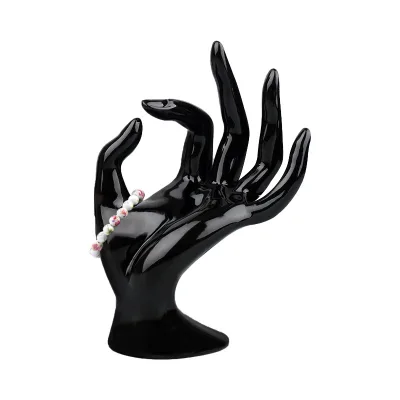
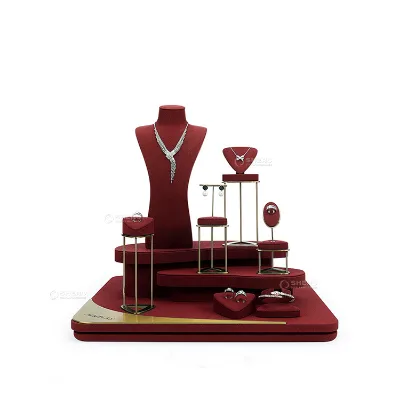
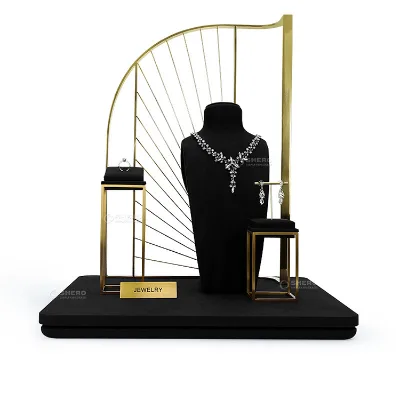
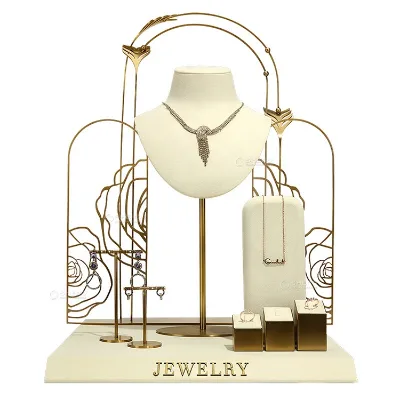
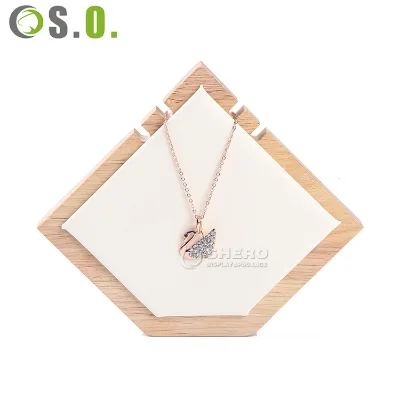

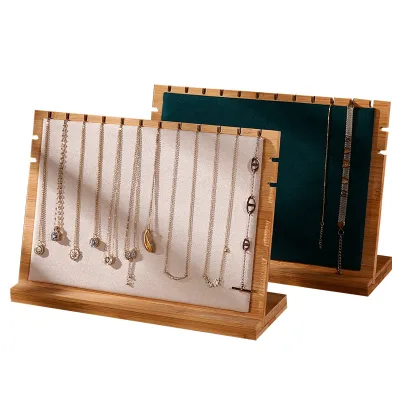
Unique Wood Necklace Display Stand with Detachable Holder and Multiple Jewelry Display Racks
$3.4912 - $10.0628
MOQ: 1 Minimum


Comprehensive Sourcing Guide
Eco-Friendly Resin Jewelry Display Stand Sourcing Guide
Sourcing eco-friendly resin jewelry display stands requires a careful balance between aesthetic appeal, material integrity, and sustainable manufacturing practices. Buyers must navigate a market where "eco-friendly" is often a marketing term rather than a certified standard, necessitating rigorous verification of material composition and production processes. The observed product landscape includes diverse options ranging from modern artistic styles to classic elegant luxury designs, with materials explicitly listed as resin, metal, and acrylic. While resin offers versatility in molding complex shapes like retro French or square velvet holders, buyers must ensure that the resin used is low-VOC and derived from sustainable sources to meet genuine eco-standards.
Procurement decisions should be guided by clear technical specifications and commercial terms observed in current listings. Products such as the FAM757 and TYY260301 models demonstrate the variety available, with origins primarily in Fujian, Guangzhou, and Zhejiang provinces in China. These regions are known for robust manufacturing ecosystems, but buyers must verify that the specific resin formulations comply with international environmental regulations. The presence of customization options, including custom logos and OEM/ODM services, allows for brand alignment, yet this flexibility must be managed with strict quality control protocols to maintain the eco-friendly integrity of the final product.
Product Scope and Observed Listing Signals
The current market for jewelry display stands features a wide array of styles and materials, with resin being a prominent option for creating durable and visually appealing props. Observed listings indicate a strong demand for customized designs, with many suppliers offering OEM services to tailor products to specific brand identities. Products range from square black and white velvet earring holders to cylindrical velvet bracelet stands, often featuring artistic or retro French styles. The availability of customization extends to colors, including pink, red, black, white, and green, allowing buyers to match their store’s aesthetic perfectly. This variety suggests that resin can be effectively combined with other materials like velvet to enhance the display experience.
Commercial signals from suppliers highlight the importance of minimum order quantities (MOQ) and packaging standards. Typical MOQs observed range from 10 pieces to 500 pieces, catering to both small boutiques and large retail chains. Packaging is generally described as standard export packaging, with single package sizes varying from 12x9x9 cm to 15x10x5 cm, which impacts logistics and storage costs. The condition of products is consistently listed as new, and features such as durability and classic elegance are frequently emphasized. Buyers should note that while many products are labeled as customized, the actual eco-friendly credentials of the resin must be independently verified, as this is not always explicitly stated in standard product descriptions.
Technical Specifications to Verify
When evaluating resin jewelry display stands, buyers must scrutinize key technical specifications to ensure product suitability and longevity. Model numbers such as FAM757 and MY-JD11 indicate specific product lines, each with distinct dimensions and weights. For instance, some displays have a single gross weight of 1.0 kg, while others are significantly lighter at 0.064 kg, affecting shipping costs and handling requirements. Single package sizes are critical for warehouse planning, with common dimensions including 15x10x5 cm and 12x9x9 cm. Buyers should verify these metrics against their logistical capabilities to avoid unexpected storage or transportation issues, ensuring that the physical attributes of the display stand align with their operational needs.
Material composition is another vital technical aspect, with resin being a primary material for many eco-friendly claims. However, buyers must confirm the specific type of resin used, as not all resins are created equal in terms of environmental impact. Some products may incorporate metal or acrylic components, which require separate verification for sustainability. Additionally, features such as anti-theft properties are often listed as "not antitheft," which is important for high-value retail environments. Buyers should request detailed material safety data sheets (MSDS) to understand the chemical composition and ensure that the resin does not emit harmful volatile organic compounds (VOCs), thereby maintaining a safe environment for both customers and staff.
Compliance and Safety Documentation
Ensuring compliance with international safety and environmental standards is paramount when sourcing eco-friendly resin products. While some listings mention certifications like CE and FSC, buyers must verify the validity and scope of these certifications, as they may not directly apply to resin jewelry displays. CE certification typically relates to electrical or mechanical safety, which may not be relevant for static display stands, whereas FSC certification applies to wood-based products, not resin. Buyers should therefore request specific documentation regarding the resin’s compliance with REACH, RoHS, or other relevant chemical regulations to ensure it is free from hazardous substances. This due diligence is crucial for maintaining brand integrity and avoiding legal liabilities in regulated markets.
Safety documentation should also include information on flammability and durability, as these factors impact the product’s performance in retail settings. Buyers should ask suppliers for test reports that demonstrate the resin’s resistance to wear and tear, as well as its stability under various environmental conditions. Additionally, it is important to verify that the manufacturing process adheres to ethical labor practices and environmental management systems, such as ISO 14001. By demanding comprehensive compliance documentation, buyers can ensure that their eco-friendly claims are substantiated by verifiable data, thereby enhancing trust with environmentally conscious consumers and stakeholders.
Cost Drivers and Commercial Terms
The cost of eco-friendly resin jewelry display stands is influenced by several factors, including material quality, customization complexity, and order volume. Observed price ranges vary significantly, from as low as $0.2 to $210 per unit, reflecting the diversity in design and material specifications. Higher prices often correlate with intricate designs, premium resin formulations, or additional features like custom logos and specialized packaging. Buyers should analyze the cost structure to understand the value proposition, ensuring that they are not overpaying for superficial customization while neglecting the core eco-friendly attributes of the product. Negotiating volume discounts can also help mitigate costs, especially for larger orders that meet the supplier’s MOQ thresholds.
Commercial terms such as MOQ, lead times, and payment conditions play a crucial role in the procurement process. Typical MOQs range from 10 to 500 pieces, with higher volumes often unlocking better pricing and more flexible customization options. Lead times can vary based on the complexity of the order and the supplier’s production capacity, so buyers should establish clear timelines to avoid delays in inventory replenishment. Payment terms should be negotiated to balance risk and cash flow, with options like letters of credit or escrow services providing additional security. By carefully managing these commercial terms, buyers can optimize their procurement strategy and achieve a favorable balance between cost efficiency and product quality.
Supplier Qualification and Quality Control
Selecting the right supplier is critical for ensuring the quality and sustainability of eco-friendly resin jewelry displays. Buyers should prioritize suppliers with a proven track record in manufacturing resin products and a commitment to environmental responsibility. Verification of supplier qualifications includes checking their business licenses, production facilities, and past client references. It is also important to assess their ability to provide OEM/ODM services, as this indicates flexibility and expertise in custom manufacturing. Suppliers located in regions like Fujian, Guangzhou, and Zhejiang are known for their manufacturing capabilities, but buyers must conduct thorough due diligence to ensure that these suppliers adhere to strict quality control standards and ethical practices.
Quality control measures should be implemented throughout the production process to maintain consistency and reliability. Buyers should request samples for evaluation before placing bulk orders, checking for defects, material integrity, and adherence to specified dimensions and colors. Implementing third-party inspections during production and before shipment can help identify and rectify issues early, reducing the risk of receiving substandard products. Additionally, establishing clear communication channels with suppliers ensures that any concerns or changes can be addressed promptly. By prioritizing supplier qualification and rigorous quality control, buyers can build a reliable supply chain that supports their brand’s commitment to quality and sustainability.
Long-Term Procurement Checks
Long-term procurement success depends on continuous monitoring and evaluation of supplier performance and product quality. Buyers should establish key performance indicators (KPIs) to track metrics such as on-time delivery, defect rates, and customer satisfaction. Regular audits of supplier facilities and processes can help ensure ongoing compliance with environmental and safety standards, while also identifying areas for improvement. Building strong relationships with suppliers through open communication and collaborative problem-solving can foster loyalty and encourage innovation in eco-friendly product development. By maintaining a proactive approach to supplier management, buyers can mitigate risks and ensure a steady supply of high-quality jewelry displays.
Additionally, buyers should stay informed about emerging trends and technologies in sustainable materials and manufacturing processes. This includes exploring new resin formulations that offer enhanced eco-credentials, such as biodegradable or recycled content. Engaging with industry networks and attending trade shows can provide valuable insights into best practices and innovative solutions. By continuously adapting to market changes and prioritizing sustainability, buyers can future-proof their procurement strategies and maintain a competitive edge. Ultimately, a commitment to long-term partnership and continuous improvement will drive success in sourcing eco-friendly resin jewelry display stands, aligning business goals with environmental responsibility.
FAQs
Can I customize the logo on the jewelry display stand?
Yes, custom logos are accepted for these display props. The product page indicates that OEM and ODM services are available, allowing buyers to add their branding. This customization option supports brand visibility in retail environments, ensuring the display aligns with specific store aesthetics and marketing strategies.
What is the minimum order quantity for these displays?
The minimum order quantity varies by supplier. One listed item requires 500 pieces, while another accepts orders as low as 10 pieces. Buyers should check specific product listings for exact MOQ requirements, as different models and materials may have distinct purchasing thresholds to accommodate various business scales.
What materials are used for the jewelry display stands?
The available displays are crafted from resin and metal. Some options feature velvet surfaces for earring holders and bracelet stands. These materials provide durability and a premium feel, suitable for showcasing jewelry in stores. The choice between resin and metal allows buyers to select based on weight and aesthetic preferences.
Where are these jewelry display stands manufactured?
These products originate from China, specifically from regions including Fujian, Zhejiang, and Guangdong. The diverse manufacturing locations suggest a robust supply chain within the country. Buyers can expect standard export packaging for these items, ensuring safe transit from these Chinese production hubs to international destinations.
What styles are available for the jewelry display props?
Styles include modern, artistic, and classic elegant luxury designs. Options range from retro French shapes to simple rectangles and squares. These varied aesthetics allow retailers to match their store decor. The displays are designed to enhance product visibility while maintaining a sophisticated appearance suitable for high-end jewelry presentation.
Are these displays suitable for indoor exhibition shows?
Yes, these displays are intended for indoor use in specialty stores, supermarkets, and exhibition shows. They are designed to hold cosmetics and jewelry effectively. The sturdy construction ensures they remain stable on counters or shelves, providing a professional presentation for products in various retail and trade show environments.