Find Vernonia Amygdalina Leaf Powder for Health Food, Capsules, and Tablets
Source 30 listings of Vernonia Amygdalina Leaf Powder from verified Chinese manufacturers. Buyers can compare specifications like particle size, extraction methods, and certifications including ISO and HACCP for health food and capsule applications.
Key considerations
Products List
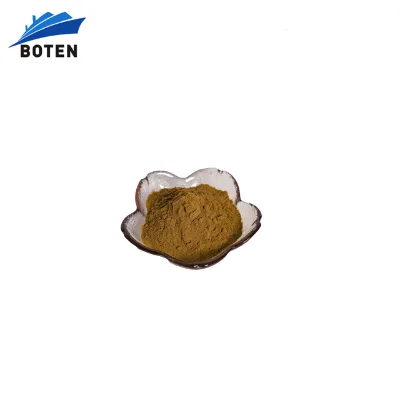


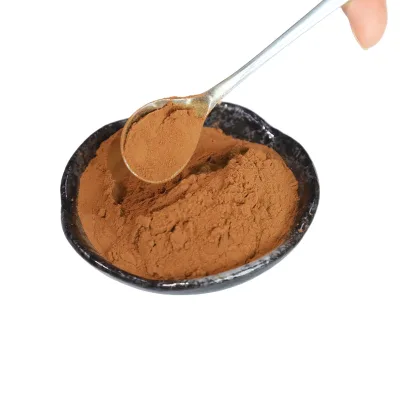


Rosemary Leaves Powder Rosemary Extract Powder Carnosic Acid 45% Carnosol
$1.00 - $100.00
MOQ: 1 Pieces


100% Natural Artemisia Annua Leaf Extract Artemisinin 98% Artemisinin Powder
$280.00 - $320.00
MOQ: 1 kg


Comprehensive Sourcing Guide
Strategic Sourcing Guide for Vernonia Amygdalina Leaf Powder
Understanding Product Specifications and Physical Attributes
When initiating a procurement strategy for Vernonia Amygdalina Leaf Powder, the buyer must first establish a precise understanding of the physical and technical specifications that define the commodity. Based on available market data, this product is primarily categorized as a herbal extract derived specifically from the leaf of the Vernonia Amygdalina plant. The form is consistently observed as a powder, with visual characteristics described as light green to brown in color, though some listings specify a distinct green powder appearance. The particle size is a critical quality indicator, with standard specifications indicating that the product should pass through an 80-mesh sieve, ensuring a 100% pass rate for uniformity in downstream processing.
The extraction methodology is another fundamental specification to verify. The supply chain typically utilizes solvent extraction or liquid-solid extraction methods to isolate the active compounds from the raw leaf material. The grade of the product is generally classified as food grade, making it suitable for integration into health food and general food applications. It is important to note that while the core product is the leaf powder, some market listings may also refer to "Vernonia Amygdalina Leaf Extract Powder," suggesting a potential variation in concentration or processing depth that requires clarification during the inquiry phase. The source material is identified as artificial planting, which implies a controlled cultivation environment rather than wild harvesting, a factor that can influence consistency and sustainability claims.
Compliance Framework and Certification Verification
Navigating the regulatory landscape is essential for any B2B procurement involving herbal extracts. The compliance profile for Vernonia Amygdalina Leaf Powder often includes a robust set of certifications, though buyers must verify the specific status of each supplier. Commonly observed certifications in the market include ISO9001, HACCP, BRC, and RoHS. Some listings also reference Halal and Kosher certifications, which are vital for markets with specific dietary restrictions. Additionally, FDA certification is occasionally cited in supplier documentation, indicating adherence to United States food safety standards.
However, the presence of these certifications on a product page does not guarantee that every unit in a specific batch is certified. Buyers must treat these as observations of the supplier's general capability rather than automatic attributes of the product. The standard for the extract powder itself is often noted simply as "extract powder," but specific quality management systems like ISO and BRC provide the necessary framework for consistent production. When evaluating potential suppliers, procurement teams should request current, valid certificates of analysis (COA) and audit reports to confirm that the certifications are active and applicable to the specific facility producing the goods. The absence of a specific certification should not immediately disqualify a supplier, but it necessitates a deeper due diligence process to ensure the product meets the buyer's local regulatory requirements.
Cost Drivers and Procurement Parameters
The financial structure of sourcing Vernonia Amygdalina Leaf Powder is influenced by several variables, including order volume, packaging requirements, and the specific extraction method employed. The observed market price range for this product spans from 1 to 320 USD, a wide disparity that likely reflects differences in purity, grade, packaging, and the specific supplier's pricing strategy. Minimum Order Quantities (MOQ) are another significant cost driver, with observed ranges extending from 1 unit up to 1000 units. A specific listing indicates an MOQ of 5kg, which serves as a baseline for small to medium-sized enterprises, while larger industrial buyers may negotiate different thresholds.
Packaging plays a dual role in cost and logistics. The product is typically supplied in drums, plastic containers, or vacuum-packed formats to ensure stability. For smaller shipments, carton packing is frequently utilized, with a single package size often recorded as 30x15x20 cm and a single gross weight of 1.500 kg. These dimensions and weights are critical for calculating freight costs and warehouse storage requirements. Buyers should also consider the "Selling Units," which are often listed as single items, meaning the pricing may be per unit rather than per kilogram, requiring careful conversion to determine the true cost per weight. The availability of free samples is a common feature, allowing buyers to assess quality before committing to a larger financial investment, though the sample size may be limited, such as 10g, which is insufficient for full-scale production testing but adequate for initial quality verification.
Technical Quality Control and Testing Methodologies
Ensuring the integrity of Vernonia Amygdalina Leaf Powder requires rigorous quality control protocols supported by specific testing methodologies. The analytical techniques employed to verify the product's composition and purity are diverse. Thin Layer Chromatography (TLC) is a standard method observed for initial screening, while more precise quantification often relies on High-Performance Liquid Chromatography (HPLC), Ultraviolet (UV) spectroscopy, Gel Permeation Chromatography (GPC), and HPLC-MS. These methods allow for the detection of specific active compounds and the verification of purity levels, which are sometimes claimed to be as high as 99%.
The assay method is a critical component of the quality assurance process. Buyers must ensure that the supplier utilizes a combination of these analytical techniques to provide a comprehensive profile of the product. The test method should be clearly documented in the Certificate of Analysis provided with each shipment. Furthermore, the shelf life of the product is typically stated as 24 months, provided it is stored correctly. This duration is contingent upon maintaining the product in a cool and dry place, a storage condition that is consistently highlighted across product listings. The quality guarantee period may extend to 2 years in some cases, but this should be explicitly confirmed in the contract terms. Without proper storage conditions, the potency of the herbal extract may degrade, rendering the product unsuitable for its intended application in health care products or food.
Supplier Evaluation and Geographic Considerations
The geographic origin of the product is a key factor in supplier evaluation, as it influences logistics, trade regulations, and cultivation practices. The primary place of origin for these products is identified as Zhejiang, China, with some listings also citing Shaanxi, China. These regions are known for their agricultural output, but the specific location can impact the supply chain's resilience and the consistency of the raw material. The cultivation method is noted as artificial planting, which suggests a controlled environment that can help mitigate risks associated with wild harvesting, such as environmental variability and over-harvesting.
When evaluating suppliers, buyers should look beyond the basic product listing. The ability to offer customization is a significant indicator of a supplier's flexibility and capacity to meet specific client needs. The product name may vary slightly between "Vernonia Amygdalina Leaf Powder" and "Organic Moringa Leaf Powder" in different listings, which highlights the importance of verifying the exact botanical source to avoid confusion with other herbal products. A reputable supplier should be able to provide detailed information about their extraction facilities, quality control processes, and the specific batch history of the product. The availability of samples, such as a 10g portion, allows for a preliminary evaluation of the product's physical attributes, such as color and texture, before a full commitment is made.
Application Scope and Long-Term Procurement Strategy
The versatility of Vernonia Amygdalina Leaf Powder makes it a valuable ingredient across multiple sectors, primarily in the health food and health care product industries. The application form is typically designed for integration into capsules or tablets, though it can also be used in general food applications. The product's classification as a herbal extract underscores its role in providing functional benefits to consumers. For buyers in the pharmaceutical or nutraceutical sectors, the ability to source the product in a form that is compatible with capsule and tablet manufacturing is essential.
Long-term procurement considerations involve establishing a stable supply chain that can accommodate fluctuating demand while maintaining quality standards. The seasonality of the product is noted as "All Seasons," which suggests a consistent supply availability throughout the year, reducing the risk of seasonal shortages. However, buyers must remain vigilant regarding the shelf life and storage requirements to ensure the product remains viable for the duration of its intended use. The packaging options, including vacuum packing and drum formats, should be selected based on the specific needs of the end-user and the logistics capabilities of the buyer. By focusing on these strategic elements, procurement teams can secure a reliable source of high-quality Vernonia Amygdalina Leaf Powder that meets both regulatory and operational requirements.
Comparative Analysis of Product Attributes
To facilitate a clearer understanding of the variations in the market, the following table summarizes the key attributes observed in the supply of Vernonia Amygdalina Leaf Powder. This comparison highlights the diversity in specifications, certifications, and packaging that buyers may encounter.
| Attribute Category | Observed Specification / Value | Notes for Verification |
|---|---|---|
| Product Name | Vernonia Amygdalina Leaf Powder / Extract Powder | Confirm exact botanical source and extraction depth. |
| Form | Powder (Light Green Brown / Green) | Visual inspection required for consistency. |
| Particle Size | 100% Pass 80 Mesh | Critical for dissolution and mixing uniformity. |
| Extraction Type | Solvent Extraction / Liquid-Solid Extraction | Verify method for residual solvent safety. |
| Grade | Food Grade | Essential for food and supplement applications. |
| Certifications | ISO9001, HACCP, BRC, RoHS, Halal, Kosher, FDA | Request current certificates for each claim. |
| Storage | Cool and Dry Place | Mandatory for maintaining 24-month shelf life. |
| Origin | Zhejiang, China / Shaanxi, China | Check for specific facility audits. |
| Packaging | Drum, Carton, Vacuum Packed, Plastic Container | Assess based on logistics and preservation needs. |
| Shelf Life | 24 Months / 2 Years | Confirm expiration date on specific batches. |
| MOQ | 1 to 1000 (Specific listing: 5kg) | Negotiate based on volume requirements. |
| Testing Method | TLC, HPLC, UV, GPC, HPLC-MS | Ensure COA includes results from these methods. |
This comparative overview serves as a checklist for buyers to ensure that all critical parameters are addressed during the supplier selection process. By systematically verifying each attribute against the specific needs of the organization, procurement teams can mitigate risks and secure a high-quality supply of Vernonia Amygdalina Leaf Powder.
FAQs
What certifications are available for this product?
Common certifications include ISO9001, HACCP, BRC, RoHS, Halal, Kosher, and FDA. Buyers must verify that these certificates are current and apply to the specific production facility before placing an order.
How should the powder be stored to maintain quality?
Store the product in a cool and dry place to ensure a shelf life of 24 months. Proper storage is mandatory to prevent degradation of the herbal extract and maintain its potency for health applications.
Can I request a free sample before bulk ordering?
Free samples are available, though sizes may vary, such as 10g portions. These samples allow for initial quality verification but are often insufficient for full-scale production testing without further commitment.
What is the typical minimum order quantity for this item?
The minimum order quantity ranges from 1 to 1000 units, with specific listings showing an MOQ of 5kg. Buyers should confirm the exact threshold with the supplier to align with their procurement needs.
Which extraction methods are used for this leaf powder?
The product is typically produced using solvent extraction or liquid-solid extraction methods. These techniques isolate active compounds from the artificial planting source to create a food-grade herbal extract powder.
What forms can the product be applied to in manufacturing?
The powder is suitable for application forms such as capsules and tablets. It is also used in general health food and health care products as a versatile herbal extract ingredient.
Where is the primary place of origin for this product?
The main places of origin are Zhejiang and Shaanxi in China. These regions are known for agricultural output, though buyers should verify specific facility audits for consistency and quality assurance.