Source Versant 80 Fuser Belt for Printers, Copiers, and MFPs
Compare 30 listings for the Versant 80 Fuser Belt from verified suppliers. Buyers can review specifications, pricing, and shipping options for models like V80, V180, and V2100 to find compatible parts for office equipment.
Key considerations
Products List

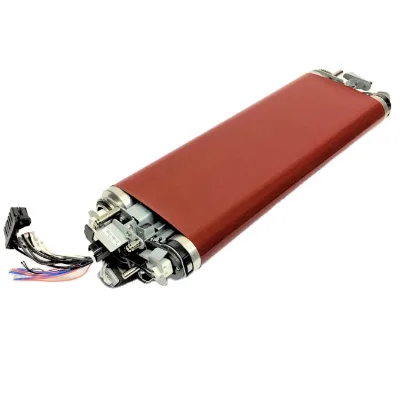
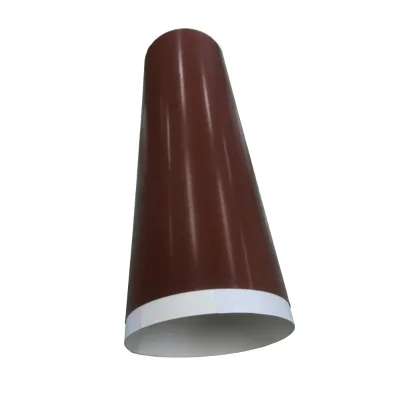


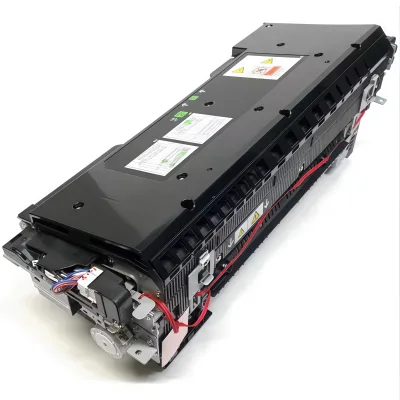
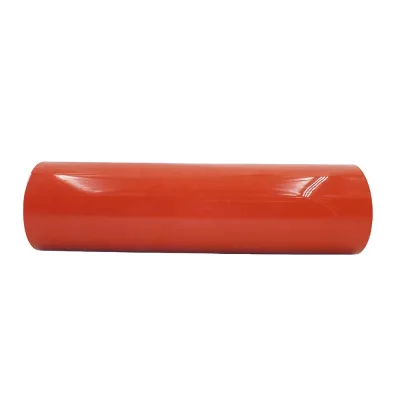


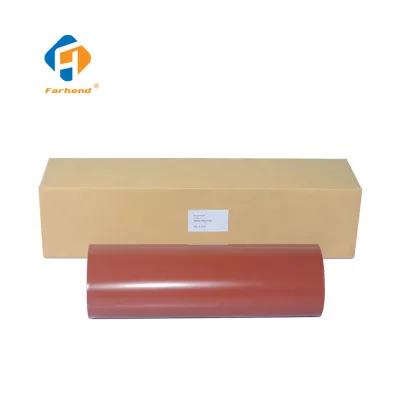
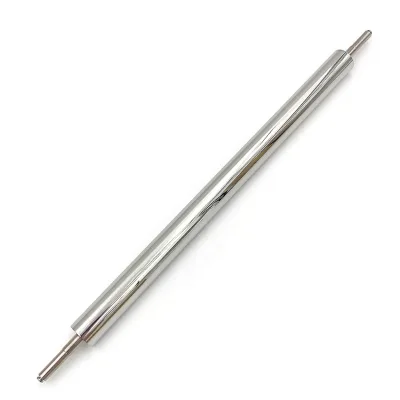
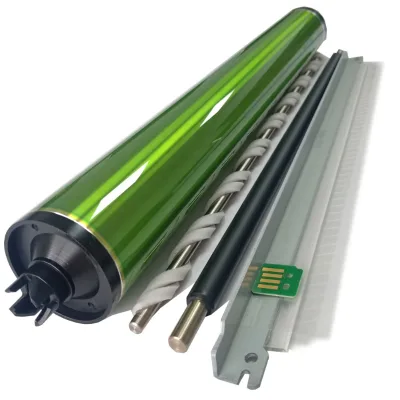
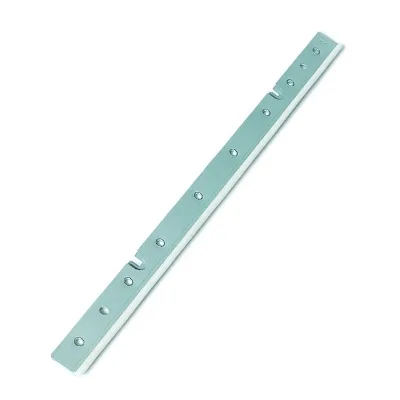


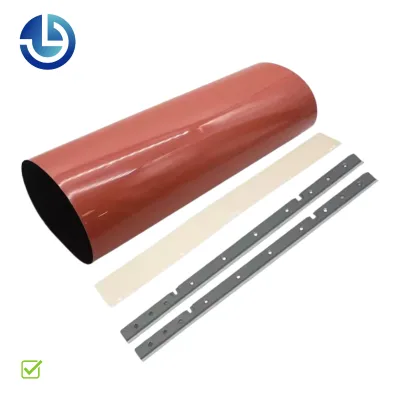


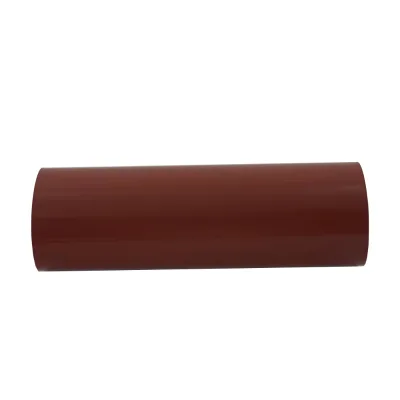
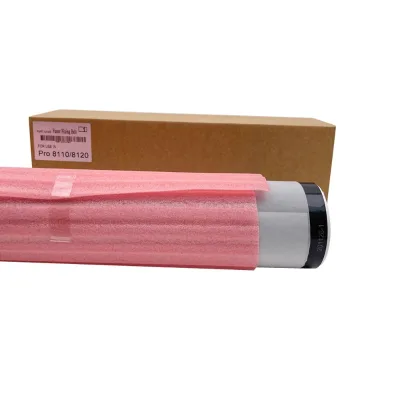


Comprehensive Sourcing Guide
Versant 80 Fuser Belt Sourcing Guide
Sourcing replacement fuser components for Xerox Versant 80 printers requires a disciplined approach to verification, as the market for third-party and rebuilt parts is fragmented. The fuser belt, often referred to as the fuser film sleeve or heat belt unit, is a critical wear item that directly impacts print quality, throughput, and machine reliability. Buyers must navigate a landscape where terminology varies significantly between suppliers, with some listing "fuser film," others "heat belt," and still others offering "rebuild kits." This guide provides a structured framework for evaluating these listings, ensuring that procurement decisions are based on verified technical compatibility and commercial clarity rather than ambiguous marketing language.
The primary challenge in this category is distinguishing between genuine OEM replacements, high-quality aftermarket alternatives, and rebuilt units that may have varying lifespans. While the core keyword focuses on the Versant 80, compatible parts often span a broader range of Xerox Versant models, including the V180, V2100, V2105, V3100, and V3105. Understanding this cross-compatibility is essential for inventory management and cost optimization. However, assuming interchangeability without explicit confirmation from the supplier can lead to installation failures or premature wear. This guide emphasizes the need for rigorous specification matching and supplier qualification to mitigate these risks.
Product Scope and Observed Listing Signals
The current market for Versant 80 fuser belts exhibits a wide variance in pricing and minimum order quantities (MOQ), reflecting the diverse nature of the supply chain. Observed listing prices range from approximately $0.08 to $756.26 USD, a spread that likely correlates with the difference between individual film sleeves, complete fuser assemblies, and bulk rebuild kits. Similarly, MOQs vary from single units to batches of 1,000 pieces, catering to both individual repair technicians and large-scale maintenance contractors. Buyers should interpret these ranges as indicators of product tier rather than direct comparables; a low-price item may be a basic sleeve, while a higher-priced item might include packaging, testing documentation, or bundled accessories.
Listing descriptions often contain conflicting or redundant information that requires careful parsing. For instance, some listings specify a "Grand A+" quality grade alongside "100% tested before shipment," while others emphasize "Original Packaging" or "Customized" packing methods. These signals suggest that suppliers are attempting to differentiate their offerings based on perceived quality and service level. However, terms like "Competitive Price" or "Stock: Yes/Enough" are generic and do not provide actionable data. Buyers must look for specific model identifiers, such as "V80," "V180," or "2100," to confirm compatibility. The presence of multiple model numbers in a single listing, such as "V80 V180 2100 3100," indicates a broad compatibility claim that must be validated against the specific printer hardware.
Technical Specifications to Verify
Accurate technical verification is the most critical step in sourcing fuser belts, as dimensional and material mismatches can cause immediate machine failure. Key specifications to verify include the single package dimensions and gross weight, which vary across listings from 55x15x15 cm with 8.0 kg gross weight to 58x16x16 cm with 0.5 kg gross weight. These discrepancies may reflect different packaging standards or the inclusion of additional components in the shipment. Buyers should request precise technical drawings or part numbers from the supplier to ensure the belt fits the specific fuser unit in their Versant 80 printer. The model number "V80" is a primary identifier, but cross-referencing with other compatible models like "V2105" or "V3105" can help confirm if the part is a universal replacement or a model-specific component.
Material composition and surface treatment are equally important, as the fuser belt must withstand high temperatures and mechanical stress. Listings often describe the product as "compatible and new" or specify a "Red" color, which may indicate a specific coating or material type. However, without detailed material specifications, such as the type of silicone or PTFE coating used, buyers cannot assess durability or heat resistance. It is advisable to ask suppliers for material data sheets or performance claims related to temperature tolerance and abrasion resistance. Additionally, verifying the "Defective rate" claim of less than 1% requires understanding the testing methodology used by the supplier. A low defective rate is only meaningful if it is backed by rigorous quality control processes, such as 100% inspection before shipment.
Compliance and Safety Documentation
While specific certification statuses are not always explicitly stated in product listings, buyers must ensure that any fuser belt complies with relevant safety and environmental standards. The fuser unit operates at high temperatures and involves electrical components, so the replacement part must not introduce fire hazards or electrical faults. Buyers should inquire about compliance with international safety standards, such as IEC 60950 or IEC 62368, depending on the region of use. Although some background information mentions ISO 27001:2022, this standard relates to information security management and is not directly relevant to the physical safety of a fuser belt. Instead, buyers should focus on certifications related to product safety, such as UL or CE marking, which indicate that the component has undergone appropriate testing for electrical and thermal safety.
Documentation should also include clear instructions for installation and maintenance to ensure proper handling and longevity. Listings that mention "OEM Service: Yes" or "Customization: Available" may offer additional support, such as technical guidance or tailored packaging. Buyers should request these documents before placing an order to assess the supplier's commitment to post-sale support. Furthermore, verifying the "Place of Origin" is crucial for regulatory compliance. While some listings indicate "Made in Japan," others specify "Guangdong, China (Mainland)." Buyers must ensure that parts from specific origins meet local import regulations and environmental requirements, such as RoHS or REACH compliance, particularly if the printer is used in regions with strict environmental laws.
Cost Drivers and Commercial Terms
The total cost of ownership for a fuser belt extends beyond the unit price to include shipping, taxes, and potential downtime costs. Shipping methods vary widely, with options including DHL, UPS, FedEx, TNT, EMS, and Aramex, as well as air and sea freight. The choice of shipping method significantly impacts delivery time and cost, with express services offering faster delivery but higher prices. Listings indicate delivery times ranging from 3-5 days to 7 days or within 5-7 working days after payment. Buyers should align their shipping choice with their maintenance schedule to minimize printer downtime. For urgent repairs, express shipping may be justified, while for planned maintenance, slower sea freight could reduce costs.
Payment terms and warranty policies are also key commercial factors. Common payment methods include TT, Western Union, MoneyGram, and PayPal, offering flexibility but varying levels of buyer protection. Buyers should prefer payment methods that offer dispute resolution capabilities, such as PayPal or credit card payments, to mitigate financial risk. Additionally, verifying the warranty period and return policy is essential. While some listings mention a "Guarrante" (likely a typo for Guarantee) of 100% tested before shipment, this is a quality assurance statement rather than a warranty. Buyers should explicitly ask for warranty terms, including coverage duration and conditions for replacement or refund in case of defects. Understanding these commercial terms helps in budgeting and risk management.
Supplier Qualification and Quality Control
Evaluating supplier reliability is paramount when sourcing critical printer components. Buyers should assess suppliers based on their production capabilities, quality control processes, and customer feedback. Listings that emphasize "100% Inspection" and "Grand A+" quality suggest a focus on quality, but buyers should verify these claims by requesting evidence of quality control procedures, such as test reports or inspection logs. Suppliers that offer "Sample & MOQ: Available sample, Moq:1pcs" demonstrate confidence in their product and allow buyers to test quality before committing to larger orders. This is a valuable opportunity to verify the physical attributes of the fuser belt, such as fit, finish, and material quality.
Communication and responsiveness are also indicators of supplier professionalism. Buyers should evaluate how quickly and thoroughly suppliers respond to inquiries about technical specifications, shipping options, and warranty terms. Suppliers that provide detailed and accurate information are more likely to be reliable partners. Additionally, checking for OEM service capabilities can indicate a supplier's access to genuine parts or technical expertise. Suppliers that offer "OEM Service: Yes" may have better access to original designs or specifications, potentially leading to higher quality replacements. However, buyers should remain cautious of suppliers claiming to sell "Original" parts at significantly reduced prices, as this may indicate counterfeit products.
Long-Term Procurement Checks
Establishing a long-term procurement strategy for fuser belts involves regular performance monitoring and supplier relationship management. Buyers should track the performance of each batch of fuser belts, including metrics such as defect rates, lifespan, and print quality impact. This data can help identify reliable suppliers and inform future purchasing decisions. Regularly reviewing supplier performance against agreed-upon quality standards ensures that suppliers maintain their commitments. Buyers should also consider diversifying their supplier base to mitigate supply chain risks, such as production delays or quality issues.
Continuous improvement in procurement processes is essential for optimizing costs and quality. Buyers should periodically review their sourcing strategies, comparing prices, lead times, and quality across different suppliers. Engaging in open dialogue with suppliers about performance feedback can lead to improvements in product quality and service. Additionally, staying informed about industry trends and new product developments can help buyers identify better alternatives or upgrades. By maintaining a disciplined approach to supplier evaluation and performance monitoring, buyers can ensure a steady supply of high-quality fuser belts for their Xerox Versant 80 printers, supporting operational efficiency and cost-effectiveness.
FAQs
What is the product name for the Versant 80 Fuser Belt?
The product is identified as a Fuser Heat Belt Unit or Fuser Film Sleeves. It is designed specifically for the Versant V80 series and compatible models like V180 and V2100. The unit is described as compatible and new, ensuring it meets operational requirements for these specific printer models.
Can I order a single unit of the Versant 80 Fuser Belt?
Yes, you can order a single unit as the minimum order quantity is one piece. The supplier offers samples and accepts single item purchases. This low MOQ allows buyers to test the product quality before committing to larger bulk orders for their printing operations.
How long does it take to receive the Versant 80 Fuser Belt?
Delivery typically occurs within 3 to 5 days after payment is received. Some listings indicate a delivery time of 7 days or within 5 to 7 working days. The exact timeframe depends on the specific supplier and the shipping method selected for the transaction.
Which printer models are compatible with this fuser belt?
This fuser belt is compatible with the Versant V80, V180, V2100, V2105, V3100, and V3105 models. The product specifications explicitly list these model numbers to ensure correct fitment. Buyers should verify their specific printer model against this list before purchasing.
What is the origin and quality standard of the fuser belt?
The product originates from Guangdong, China, with some listings noting a Made in Japan origin for specific components. Quality is assured through 100% inspection before shipment, with a defective rate claimed to be under 1 percent. The packaging is often original or customized to protect the unit.
What shipping methods are available for the Versant 80 Fuser Belt?
Shipping is available via air, sea, or express couriers such as DHL, UPS, FedEx, TNT, and EMS. Buyers can choose the method that best fits their urgency and budget constraints. The single package size varies slightly but generally measures around 55 by 15 by 15 centimeters.
Is customization available for the Versant 80 Fuser Belt packaging?
Yes, customization is available for the product packaging. Options include original packaging or customized cartons to meet specific buyer requirements. This flexibility allows businesses to brand the product or ensure it meets their internal logistics and storage standards during the supply chain process.