Source For Lexmark Paper Pickup Roller for printers copiers duplicators
Find 30 listings for the For Lexmark Paper Pickup Roller compatible with printers, copiers, and duplicators. Compare specifications, prices, and warranty terms from verified suppliers in China to find the right part for your office equipment; compare the available evidence and request quotations based on your requirements.
Key considerations
Products List
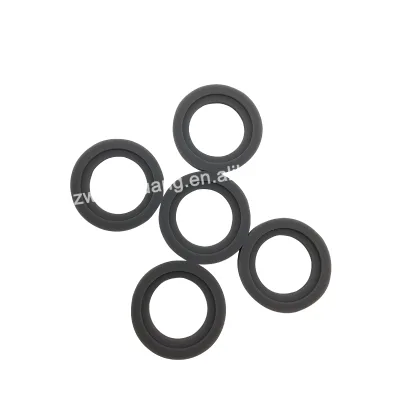


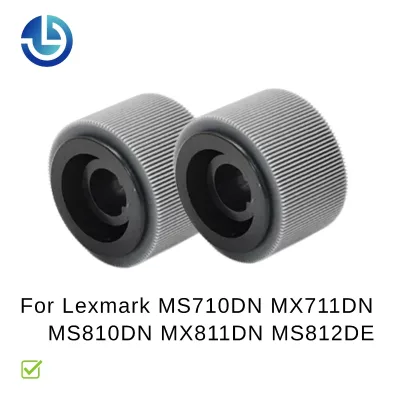
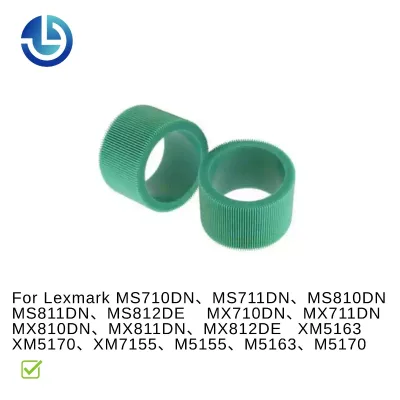
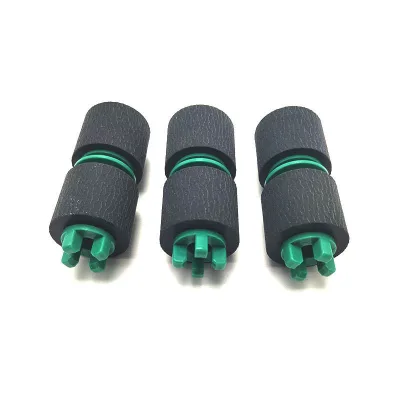
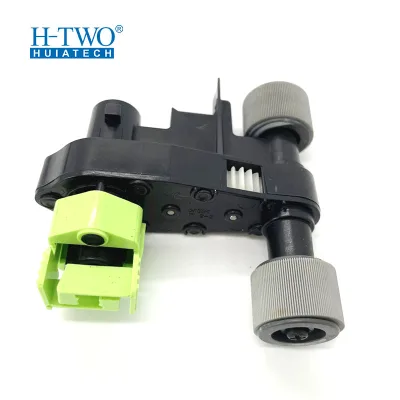


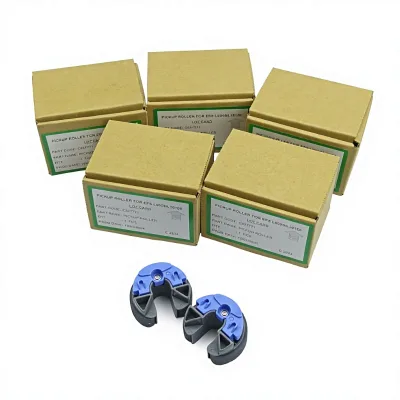


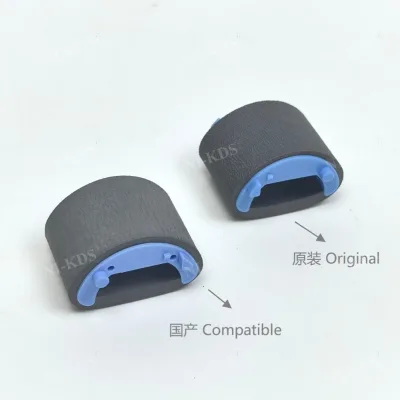
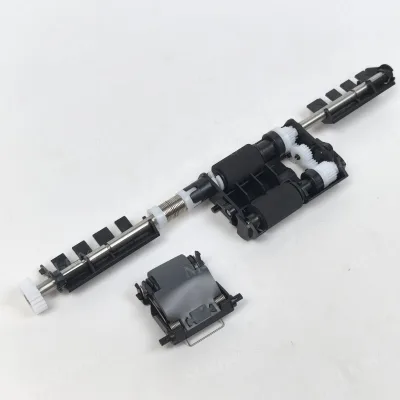
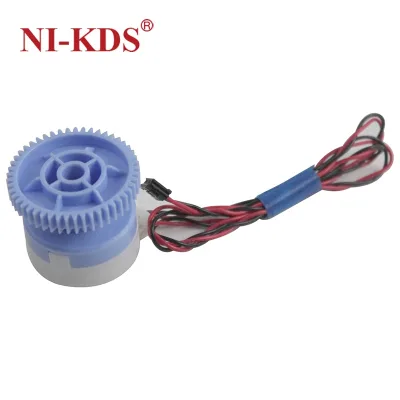
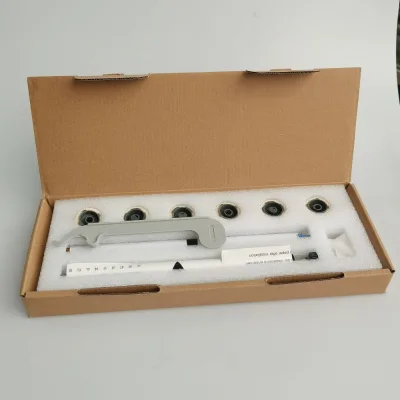
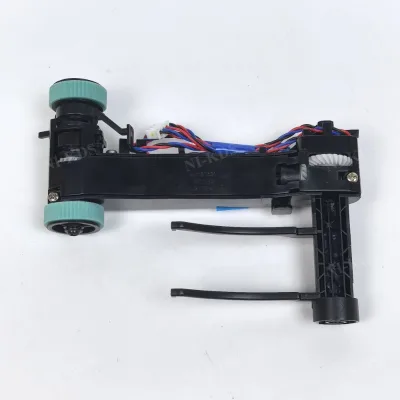
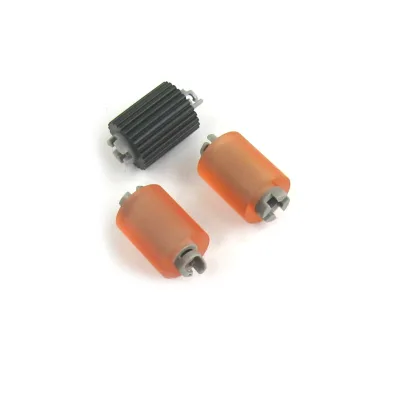

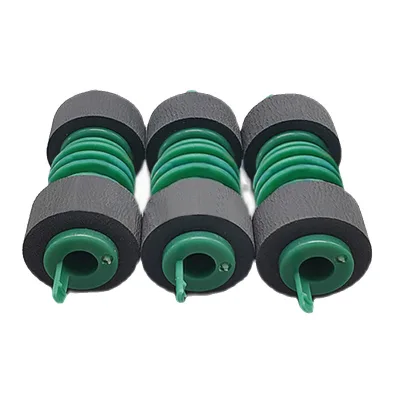
Comprehensive Sourcing Guide
For Lexmark Paper Pickup Roller Sourcing Guide
Procuring replacement pickup rollers for Lexmark printers requires careful attention to model-specific compatibility, as these components are engineered to handle specific paper weights and feed speeds. The market offers various options ranging from single-item units to kits, often labeled as compatible replacements for original equipment. Buyers must distinguish between generic rollers and those explicitly designed for the mechanical tolerances of Lexmark copier and printer assemblies to ensure reliable paper feeding without jams.
Commercial listings frequently highlight features such as "100% Compatible" or "Brand New" status, yet these descriptors vary significantly between suppliers. Some vendors provide neutral packaging to reduce costs, while others offer branded kits that include multiple rollers for a complete maintenance cycle. Understanding the distinction between a single roller and a full kit is essential, as the latter often provides better value for facilities managing high-volume printing operations where multiple feed points require simultaneous replacement.
Product Scope and Observed Listing Signals
The observed product range includes specific model identifiers like the RZ pickup roller and P1102, alongside general descriptions for duplicators and copiers. Listings indicate a wide variance in minimum order quantities, ranging from a single piece to sets of two or more, which directly impacts initial procurement costs for small offices versus large enterprises. Buyers should note that some suppliers list the product type as "Other," requiring a deeper review of the technical specifications to confirm the exact fit for the intended Lexmark device.
Shipping and delivery signals vary from door-to-door services to specific courier options like DHL or FedEx, with lead times ranging from three days for small orders to two weeks for larger container shipments. The packaging methods observed include oat, neutral, or carton styles, which can influence the condition of the product upon arrival. Procurement teams must verify if the listed delivery time aligns with their operational needs, as delays in receiving critical feed components can halt production lines in busy office environments.
Technical Specifications to Verify
Technical verification begins with confirming the exact model number, such as MS711 or P1102, to ensure the roller diameter and hardness match the original equipment manufacturer's requirements. The material composition is a critical factor, with some listings specifying PLA or other polymers that affect friction and durability. Buyers must cross-reference the listed single package dimensions and gross weight against their logistics constraints to ensure the components fit within standard shipping profiles and storage areas.
Compatibility claims often extend to specific printer brands like HP or Sharp, but for Lexmark applications, the focus must remain on the mechanical interface and paper path geometry. The page yield is typically cited as matching the original standard at 5% coverage, a metric that helps estimate the lifespan of the replacement part under normal usage conditions. It is vital to confirm that the "Regular" specification aligns with the specific paper type and thickness used in the target machine to prevent premature wear or feeding errors.
Compliance and Safety Documentation
Manufacturers often cite adherence to international standards such as ISO 9001:2008 or the broader ISO 9001/ISO14001/CE/STMC frameworks to demonstrate quality management systems. While these certifications suggest a structured approach to production, buyers should request specific test reports or compliance certificates relevant to the roller's material safety and environmental impact. The presence of these standards indicates a supplier's commitment to consistent manufacturing processes, which is crucial for maintaining the reliability of office equipment.
Safety documentation also encompasses the defective rate, with some suppliers guaranteeing a rate below 0.5% and offering a 1:1 replacement policy for non-conforming units. This metric serves as a proxy for the supplier's quality control rigor and their willingness to stand behind their products. Procurement teams should verify if the warranty period, which ranges from three months to 18 months in observed listings, covers the specific failure modes relevant to paper pickup mechanisms, such as slippage or tearing.
Cost Drivers and Commercial Terms
Pricing for these components fluctuates based on order volume, with observed ranges spanning from $0.36 to $22 per unit depending on the complexity and brand compatibility. The minimum order quantity acts as a primary cost driver, as purchasing a single item often incurs a higher unit price compared to buying a set of two or a bulk carton. Buyers must calculate the total landed cost, including shipping fees via DHL, UPS, or TNT, to determine the true economic value of a supplier's offer.
Payment terms vary significantly, with options including TT, Western Union, MoneyGram, and PayPal, each carrying different implications for transaction security and processing time. The combination of integration features and customization availability can also influence the final price, as bespoke solutions typically command a premium over standard off-the-shelf items. Understanding these commercial variables allows procurement managers to negotiate effectively and select a payment method that balances risk with cash flow requirements.
Supplier Qualification and Quality Control
Supplier qualification relies heavily on the consistency of their quality claims, such as "Excellent" or "Brand New" status, and their ability to maintain low defect rates. The location of the supplier, often cited as Guangdong, Fujian, or Beijing in China, can impact lead times and shipping logistics, but it does not inherently guarantee quality. Buyers should prioritize suppliers who provide clear evidence of their quality control processes, such as the specific defective rate guarantees and replacement policies observed in the market.
Quality control extends to the packaging and handling of the rollers, as improper storage can degrade the rubber or polymer material before installation. The use of neutral packing or specific carton styles suggests a focus on cost efficiency, but it must not compromise the protection of the product during transit. Procurement teams should assess the supplier's track record for delivering products that meet the "100% Compatible" claim, ensuring that the physical dimensions and material properties remain consistent across multiple orders.
Long-Term Procurement Checks
Establishing a long-term relationship with a supplier requires monitoring the consistency of delivery times, which can range from three working days for small orders to fourteen days for larger shipments. Buyers should track the actual performance of the rollers over time, comparing the observed page yield against the original standard to validate the supplier's claims. Regular audits of the defective rate and the effectiveness of the replacement policy are essential to ensure that the supply chain remains reliable and cost-effective.
Future procurement strategies should account for the potential need for customization, as some suppliers offer tailored solutions for specific printer models. The warranty period, whether three months or eighteen months, serves as a critical indicator of the supplier's confidence in their product's longevity. By maintaining a disciplined approach to verifying specifications and performance, organizations can secure a steady supply of high-quality pickup rollers that minimize downtime and maximize the operational efficiency of their printing infrastructure.
FAQs
What is the warranty period for compatible pickup rollers?
The warranty period is typically 18 months for compatible pickup rollers. This coverage ensures reliability for duplicator and copier applications. Some items offer a 3-month warranty with a defective rate under 0.5%. Buyers receive a 1:1 replacement for defective units. This support helps maintain consistent printing performance and reduces operational downtime for office equipment.
Can I customize the packaging for bulk orders?
Yes, customization is available for bulk orders. Standard options include neutral packing or carton packaging. Buyers can request specific branding or labeling to suit their distribution needs. This flexibility supports various supply chain requirements. Custom packaging helps protect the rollers during shipping and ensures they arrive in optimal condition for immediate installation in compatible printers.
Which brands are compatible with these pickup rollers?
These pickup rollers are compatible with major brands including HP, Sharp, and Lexmark. They are designed to fit specific models like the P1102 and MS711. The rollers ensure reliable paper feeding for various printer types. Compatibility allows users to replace worn parts without buying expensive original equipment. This versatility makes them a practical choice for maintaining diverse office printing fleets.
What is the minimum order quantity for these parts?
The minimum order quantity varies by product type. Some items require only one piece, while others need ten pieces. Certain kits have an MOQ of one set containing two pieces. This range accommodates both small repair needs and larger inventory replenishment. Buyers can choose quantities that best fit their immediate operational requirements and budget constraints.
How long does delivery take for small orders?
Delivery time for small orders is typically seven days. Larger container orders may take fourteen days. Express shipping methods like DHL or FedEx are available for faster transit. These timelines ensure timely receipt of replacement parts. Quick delivery helps minimize printer downtime and keeps office workflows running smoothly without significant interruptions to daily business operations.
What certifications do these pickup rollers meet?
These pickup rollers meet ISO 9001 quality standards. Some products also comply with ISO 14001 and CE standards. These certifications indicate consistent manufacturing quality and environmental responsibility. Buyers can trust the reliability of parts from certified sources. This assurance supports procurement decisions by verifying that the components meet recognized international quality and safety benchmarks for office equipment.