Source Vertical Shaft Fish Shaped Plow for Farming, Forestry, and Soil Prep
Find 30 Vertical Shaft Fish Shaped Plow options from Shan Dong China suppliers. Compare models like 1LY-3 and 1L-430 with working widths from 600mm to 1200mm for dry cultivating and bed planting applications.
Key considerations
Products List


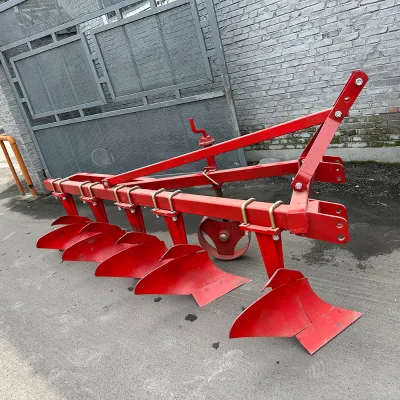
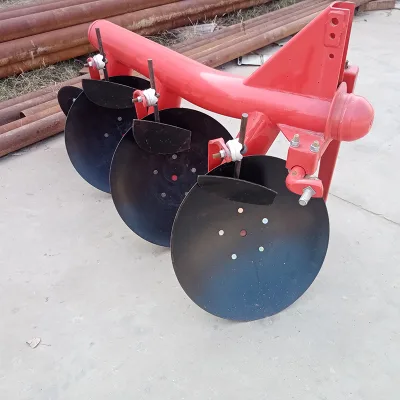
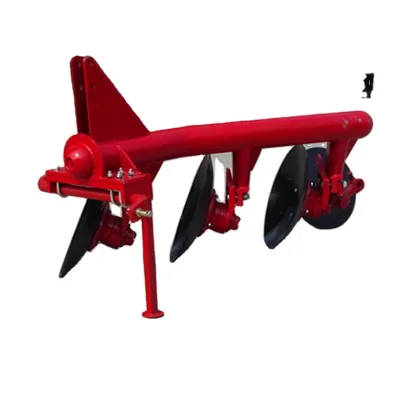


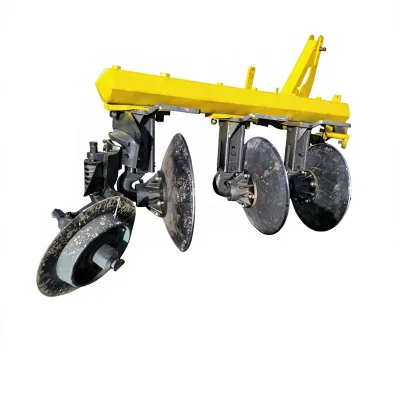
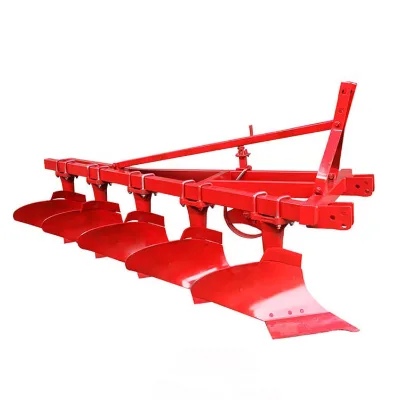

$1000.00 - $4000.00
MOQ: 2 Pieces
Comprehensive Sourcing Guide
Strategic Sourcing Guide for Vertical Shaft Fish-Shaped Plows
The agricultural machinery sector relies heavily on specialized tillage equipment to maintain soil health and optimize crop yields. Among these tools, the vertical shaft fish-shaped plow represents a sophisticated category of soil preparation machinery designed for specific cultivation needs. This guide synthesizes available product attributes and industry standards to assist procurement professionals in sourcing reliable units. The focus remains on technical verification, compliance checks, and supply chain stability, ensuring that buyers make decisions based on observable facts rather than unverified marketing claims.
Technical Architecture and Operational Specifications
Understanding the mechanical architecture of a vertical shaft fish-shaped plow is the first step in defining procurement requirements. Based on observed product data, these units typically operate as soil preparation machinery utilizing a vertical shaft arbor configuration. This design distinguishes them from traditional horizontal shaft implements, offering distinct advantages in soil turnover and residue management. The core operation involves continuous running or movable operation, depending on the specific model and the farming policy adopted, such as dry cultivating or bed planting.
The traction mechanism is a critical variable. Market observations indicate two primary traction types: "Traction" and "Hanging." The "Hanging" configuration often aligns with three-point linkage systems, allowing for versatile attachment to various tractor power sources. In contrast, "Traction" models may require different mounting strategies. The power source is consistently identified as a tractor, with matched power requirements ranging significantly based on the model. For instance, specific models like the 1LF-230 are matched to 30-50 HP tractors, while larger units such as the 1L-430 require 70 HP. Other variants, including the 1LY-325, are designed for 75-90 HP power sources. This variance necessitates a precise audit of the buyer's existing fleet before procurement.
Working dimensions are equally critical for field compatibility. The working width varies across the product spectrum, with observed specifications including 600mm, 750mm, 1200mm, and ranges extending from 400mm to 1750mm. The working depth is another key performance metric, with specific models indicating a depth range of 220-270mm. The physical footprint is defined by the tire configuration, which is consistently observed as a four-tire setup in many listings, though this may vary by specific sub-model. The drive type is predominantly gear drive, ensuring robust power transmission to the vertical shaft.
Compliance, Certification, and Safety Standards
In the global B2B agricultural market, compliance with international safety and quality standards is non-negotiable. Procurement teams must verify that suppliers provide valid certification documents. Observed product data confirms that many vertical shaft plows carry CE, EU, and ECE certifications, indicating adherence to European safety directives. Some listings specifically highlight CE certification as a primary compliance marker. These certifications are essential for importing machinery into regulated markets and often serve as a baseline for insurance and liability coverage.
Beyond certifications, product standards define the physical and material integrity of the machinery. The data indicates a wide range of standards, including specific dimensional standards like 600-1500mm and 1500600500mm, as well as material standards described as "High quality steel." Buyers should not assume that all listed models meet every standard; rather, they must request specific test reports or material certificates for the exact model number being purchased. The "High quality steel" designation suggests a focus on durability and resistance to wear, which is vital for the abrasive nature of soil cultivation. However, the specific grade of steel or heat treatment processes should be verified directly with the manufacturer to ensure longevity.
Cost Drivers and Pricing Dynamics
The pricing structure for vertical shaft fish-shaped plows is influenced by several factors, including working width, matched power requirements, and material quality. The observed price range in the market spans from $171 to $5,000 USD. This significant variance reflects the difference between smaller, lighter units and larger, heavy-duty implements. For example, a model with a 600mm working width and a weight of 265kg may fall on the lower end of the spectrum, while a 1200mm wide unit weighing 330kg or larger could command a higher price.
Minimum Order Quantity (MOQ) is another cost driver. The observed MOQ range is between 1 and 5 units. This flexibility allows small-scale farmers or distributors to purchase single units for testing or immediate deployment without committing to large inventory volumes. However, buyers should be aware that pricing per unit often decreases as the order quantity increases within the MOQ range. Additionally, customization availability is a significant factor. Since customization is listed as "Available," buyers should anticipate potential price adjustments for non-standard working widths, specific color requirements (such as the observed "Red" finish), or tailored packing solutions.
Typical Applications and Farming Policies
The application field for these plows is primarily agriculture, with some data suggesting applicability in forestry as well. The specific farming policies dictate the choice of implement. The data highlights two distinct policies: "Dry Cultivating Machinery" and "Bed Planting Machinery." This distinction is crucial for buyers targeting specific crop systems. Dry cultivating machinery is designed for arid or semi-arid conditions where soil moisture conservation is paramount. In contrast, bed planting machinery is optimized for creating raised beds, which improves drainage and root aeration for specific crops.
The operation type further defines the use case. "Soil Preparation Machinery" is the broad category, but the specific operation modes—Continuous Running Operation versus Movable Operation—offer different efficiencies. Continuous running implies a steady, uninterrupted workflow suitable for large, open fields, while movable operation suggests flexibility for smaller plots or varied terrain. The vertical shaft design, combined with the fish-shaped disc configuration (implied by the "fish-shaped" keyword and disc dimensions like 660mm), is particularly effective for breaking up compacted soil and incorporating crop residue, making it suitable for both initial tillage and secondary preparation.
Supplier Evaluation and Origin Verification
When evaluating potential suppliers, the geographic origin of the product is a primary data point. The supplied facts consistently identify the origin as China, with specific locations including Shan Dong, Dezhou, Yucheng, and Yucheng City in Shangdong Province. These regions are known hubs for agricultural machinery manufacturing. Buyers should verify the specific factory location within these cities to ensure the supplier has the capacity to meet production timelines.
Supplier reliability is often reflected in their packaging and standardization practices. Observed packaging options include "Iron Box," "Iron Net Box," and "Ironframe," with some instances noting "Customers Requirement" as a flexible option. The use of robust iron packaging suggests an understanding of the need for protection during long-distance shipping. Furthermore, the presence of multiple model numbers (e.g., 1LY-3, 1LF-230, 1L-430, 1L-320, 1LF-320, 1LY-325) indicates a manufacturer with a diverse product line, which can be advantageous for future compatibility and spare parts availability. Buyers should prioritize suppliers who can demonstrate a consistent track record with these specific model numbers and provide clear documentation for each.
Quality Control and Long-Term Procurement Considerations
Quality control in the manufacturing of vertical shaft plows must focus on the integrity of the gear drive system, the durability of the vertical shaft, and the quality of the steel used for the discs and frame. The observed weight specifications, ranging from 265kg to 330kg for specific models, serve as a proxy for material density and build quality. A significant deviation from these weights could indicate substandard materials or design flaws.
For long-term procurement, buyers should consider the availability of spare parts and the standardization of components. The "High quality steel" standard and the specific disc diameter of 660mm are critical parameters to maintain. If a buyer commits to a specific model, they must ensure that the supplier can supply replacement discs, gears, and linkage components for years to come. The "Customization: Available" attribute is a double-edged sword; while it allows for tailored solutions, it can complicate spare parts logistics if the customization deviates significantly from standard configurations. Therefore, it is advisable to balance customization with the need for standard interchangeability.
Comparative Analysis of Key Model Specifications
To facilitate decision-making, the following table summarizes the key technical specifications observed across the different model numbers. This comparison highlights the variance in power requirements, working widths, and weights, allowing buyers to match equipment to their specific operational needs.
| Model Number | Working Width | Matched Power | Weight | Traction Type | Certification |
|---|---|---|---|---|---|
| 1LF-230 | 600mm | 30-50 HP | 265kg | Hanging | CE, EU, ECE |
| 1L-430 | 1200mm | 70 HP | 330kg | Hanging | CE |
| 1LY-325 | 750mm | 75-90 HP | N/A | N/A | N/A |
| 1L-320 | N/A | N/A | N/A | N/A | N/A |
| 1LF-320 | N/A | N/A | N/A | N/A | N/A |
Note: Data points marked "N/A" indicate that specific values were not explicitly provided in the source context for those specific model entries. Buyers must request these details directly from the supplier.
Final Procurement Recommendations
Sourcing a vertical shaft fish-shaped plow requires a methodical approach that prioritizes technical alignment over price alone. Buyers must verify that the matched power of the tractor aligns with the plow's requirements, ensuring that the gear drive system can handle the load without premature failure. The certification status, particularly CE and EU compliance, must be validated with original documentation. Furthermore, the origin of the product from specific Chinese manufacturing hubs like Dezhou and Yucheng should be confirmed to ensure supply chain transparency.
By focusing on the observable facts regarding working width, weight, and traction type, procurement teams can mitigate the risks associated with unverified claims. The flexibility in packaging and customization offers opportunities for tailored solutions, but these should be weighed against the potential impact on long-term maintenance and spare parts availability. Ultimately, a successful procurement strategy relies on a deep understanding of the machine's operational specifications and a rigorous verification of the supplier's ability to deliver consistent quality and compliance.
FAQs
What power source is required for vertical shaft fish shaped plows?
These plows require a tractor as their power source. Matched power varies by model, ranging from 30 to 90 HP depending on the specific working width and weight of the unit.
Which certifications are available for vertical shaft fish shaped plows?
Many units carry CE, EU, and ECE certifications to meet international safety standards. Some listings specifically highlight CE certification as a primary compliance marker for the machinery.
How is the working width specified for vertical shaft fish shaped plows?
Working widths vary significantly across models, with observed specifications including 600mm, 750mm, and 1200mm. Some product standards also list ranges extending from 400mm to 1750mm.
Can buyers request custom packaging for vertical shaft fish shaped plows?
Yes, customization is available for packaging requirements. Observed options include iron boxes, iron net boxes, and iron frames, though some listings allow for specific customer requirements.
What is the typical MOQ for vertical shaft fish shaped plows?
The minimum order quantity ranges from 1 to 5 units. This flexibility allows small-scale farmers or distributors to purchase single units for testing or immediate deployment.
Where are vertical shaft fish shaped plows manufactured?
Products originate from China, specifically from locations like Shan Dong, Dezhou, and Yucheng City. These regions are known manufacturing hubs for agricultural machinery.
What traction types are used for vertical shaft fish shaped plows?
The traction types observed are Traction and Hanging. The Hanging configuration often aligns with three-point linkage systems for versatile attachment to tractors.