Source Veterinary Infrared Therapy Cage with Oxygen Chamber for clinics, hospitals, and shelters
Explore 30 listings for the Veterinary Infrared Therapy Cage with Oxygen Chamber designed for animal hospitals, clinics, and shelters. Compare specifications, materials, and pricing from verified Chinese manufacturers offering customizable solutions.
Key considerations
Products List


Pet Veterinary ICU Care Stainless Steel Infrared Therapy Dog Cat Cages
$800.00 - $1500.00
MOQ: 1 Pieces

Stainless Steel Pet Hospital Infrared Therapy Cage with Oxygen Chamber
$1000.00 - $1300.00
MOQ: 1 Pieces

Stainless Steel Pet Hospital Infrared Therapy Cage with Inpatient Oxygen Chamber
$899.00 - $1300.00
MOQ: 1 Pieces


Luxury Pet Cage with Infrared Thermostatic Therapy for Veterinary Hospitals
$1040.00 - $1150.00
MOQ: 1 Pieces

Inpatient Oxygen Chamber and Infrared Thermostatic Therapy Pet Hospital Cage
$1040.00 - $1150.00
MOQ: 1 Pieces
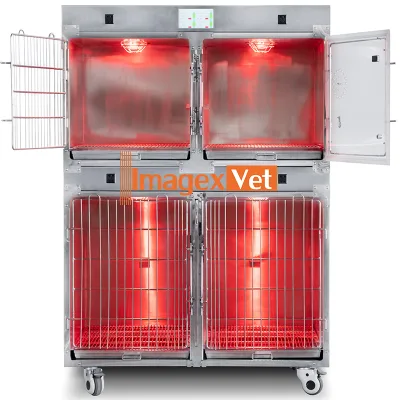
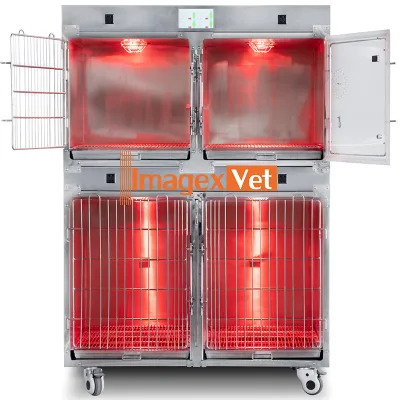
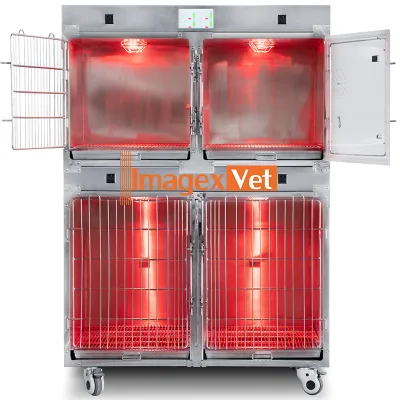

Veterinary Medical Stainless Steel Pet Oxygen Cage with Infrared Physiotherapy
$1200.00 - $1500.00
MOQ: 1 Pieces

Pet Clinic Vet Hospital Stainless Steel Oxygen Cage with Infrared Physiotherapy
$1200.00 - $1500.00
MOQ: 1 Pieces


Veterinary Equipment Cage Infrared Therapy Oxygen Hospital Medical Kennel Cage
$1200.00 - $1500.00
MOQ: 1 Pieces


Veterinary Oxygen Chamber Hospital Therapy Cage Pet Cages for Vet Clinic
$1100.00 - $1300.00
MOQ: 1 set


Veterinary Animal Pet Equipment Cage Thermostat Infrared Therapy Oxygen
$900.00 - $1200.00
MOQ: 1 Pieces


Comprehensive Sourcing Guide
Strategic Sourcing Guide for Veterinary Infrared Therapy Cages with Oxygen Chambers
The procurement of specialized veterinary equipment, specifically the Veterinary Infrared Therapy Cage with Oxygen Chamber, requires a rigorous approach to ensure clinical efficacy and operational safety. These units are designed to provide a controlled environment for animal recovery, combining therapeutic heat with oxygen supplementation. Buyers must navigate a market where product attributes vary significantly between manufacturers, often blurring the lines between simple recovery cages and advanced therapeutic units. This guide outlines the essential factors for sourcing these devices, focusing on verified technical specifications, compliance standards, and supplier evaluation criteria derived from current market data.
Technical Specifications and Structural Integrity
When evaluating a veterinary infrared therapy cage, the primary focus must be on the structural materials and dimensional accuracy. The core construction material for high-quality units is consistently identified as 304 stainless steel. This grade of stainless steel is critical because it offers superior corrosion resistance, which is necessary for environments frequently exposed to disinfectants, bodily fluids, and moisture. The material specification ensures that the cage maintains its structural integrity over time and prevents rust, which could compromise the safety of the animal or the sterility of the procedure.
Dimensions are a crucial variable in procurement. Market observations indicate specific size configurations, such as 1220mm in length, 700mm in width, and 1830mm in height. These measurements translate to a footprint of approximately 12218670cm in some listings, though buyers must verify the exact LWH (LengthWidthHeight) specifications against their facility's spatial constraints. The shape of the unit is typically square, designed to maximize internal volume while fitting standard veterinary clinic layouts. The operating voltage for electrically powered components, such as infrared emitters or oxygen flow regulators, is generally AC 110-220V, ensuring compatibility with international power grids. However, the specific power requirements for the infrared therapy function must be confirmed with the supplier, as this is not always explicitly detailed in general product summaries.
The internal environment of the cage is designed for specific animal types, including cats, dogs, pigs, ducks, and sheep. The versatility of the cage allows it to serve multiple species, but the internal dimensions must be sufficient to accommodate the largest intended patient comfortably. The "Pet Therapy Cage" and "Veterinary Cage" designations often refer to the same class of equipment, but the inclusion of infrared and oxygen capabilities elevates the functional requirements. Buyers should verify that the infrared source is integrated safely within the cage structure to prevent direct contact burns while ensuring effective thermal distribution.
Compliance, Certification, and Safety Standards
Compliance with international medical device standards is non-negotiable for veterinary equipment intended for surgical or therapeutic use. The most prominent certification observed in the market for these units is ISO13485. This standard specifically addresses quality management systems for medical devices, ensuring that the manufacturing process adheres to rigorous controls regarding design, production, and delivery. A supplier claiming ISO13485 certification must be able to provide valid documentation; this is a primary indicator of a manufacturer's commitment to quality and regulatory adherence.
In addition to general quality management, specific sterilization methods are a key compliance factor. Ethylene Oxide Sterilization is a noted feature for certain surgical supplies and equipment associated with these cages. This method is essential for ensuring that the equipment is free from pathogens before being introduced into a clinical setting. Buyers must verify if the cage itself or its internal components are sterilized using this process, as this impacts the immediate usability of the unit upon delivery.
Safety features are paramount. The equipment is described as "safe and reliable" with "easy operation" capabilities. This implies that the control interfaces for oxygen flow and infrared heating must be intuitive and fail-safe. The warranty periods observed in the market range from one year to two years, which serves as a proxy for the manufacturer's confidence in the product's durability. A longer warranty period often correlates with higher quality components and more robust engineering. However, buyers should not assume a specific warranty duration without explicit confirmation in the purchase agreement, as terms can vary by model and region.
Cost Drivers and Pricing Dynamics
The pricing for veterinary infrared therapy cages with oxygen chambers is influenced by several distinct factors. The observed price range in the current market sits between 400 and 1500 USD. This variance is not arbitrary but is driven by the complexity of the therapeutic features, the quality of the stainless steel used, and the inclusion of advanced control systems. Units at the lower end of this spectrum may offer basic oxygen and heating functions, while those at the higher end likely include more sophisticated infrared emitters, precise oxygen flow meters, and enhanced safety interlocks.
The Minimum Order Quantity (MOQ) is another significant cost driver. Data indicates that the MOQ for these units is typically 1 piece, making them accessible for individual clinics or small veterinary practices. This low entry barrier allows buyers to test the equipment without committing to large inventory volumes. However, the "Selling Units" are often listed as single items, which suggests that bulk purchasing discounts may not be the primary negotiation lever. Instead, buyers should focus on the total cost of ownership, which includes the initial purchase price, the cost of replacement parts, and the warranty terms.
Customization is a major factor in pricing. Many suppliers offer "Customized Logo Accept" and "Customization Available" services. Adding a custom logo or modifying the internal layout to suit specific animal types can increase the unit cost. The packaging also plays a role; units are shipped in "Wooden Box" or "Standard Wooden Box" configurations, which are designed to protect the stainless steel structure during transit. The choice of packaging can affect shipping costs and insurance premiums, particularly for international orders.
Typical Applications and Clinical Utility
The application of these cages extends beyond simple confinement. They are designed for "Animal Surgery," "Animal Hospital," "Diagnosis & Injection," and "Vet Therapy." The integration of infrared therapy suggests a specific use case for post-operative recovery, where heat can promote blood circulation and accelerate tissue healing. The oxygen chamber component is critical for animals suffering from respiratory distress or those recovering from anesthesia. The ability to combine these therapies in a single unit streamlines the workflow in a veterinary clinic, allowing for continuous monitoring and treatment without moving the patient.
The equipment is suitable for a wide range of animals, including cats, dogs, pigs, ducks, and sheep. This versatility makes the cage a valuable asset for general practice clinics that treat diverse species. The "Pet Operation" and "Animals Use" properties highlight the broad applicability of the device. However, the specific therapeutic parameters, such as the intensity of the infrared radiation or the flow rate of the oxygen, must be adjustable to accommodate the varying needs of different species and medical conditions.
Supplier Evaluation and Brand Verification
When selecting a supplier, buyers should prioritize brands that have a track record of compliance and quality. The market features brands such as "Umy" and "Imagex," which are associated with specific product models like PLVC-004-NEW, YH-PLVC004, and IMVC-004ae. While these brand names provide a reference point, buyers must verify the authenticity of the manufacturer and their production capabilities. The "Place of Origin" is consistently listed as China, with specific mentions of Jiangsu as a production hub. This regional concentration can be advantageous for logistics but requires due diligence to ensure the supplier has the capacity to meet demand.
Supplier evaluation should also include a review of the product models and their specific features. The existence of multiple model numbers, such as YH-PLVC004plus and IMVC-004d, indicates a range of product tiers. Buyers should compare the specifications of these models to determine which best fits their clinical needs. The "Standard" designation for some products suggests a baseline configuration, while others may offer enhanced features. It is essential to request detailed technical datasheets for each model to understand the differences in performance and capability.
Quality Control and Long-Term Procurement Considerations
Quality control is an ongoing process that begins with the initial inspection of the product upon delivery. Buyers should verify that the stainless steel construction matches the specified 304 grade and that the dimensions align with the provided specifications. The "Quality Guarantee Period" is a critical metric for long-term procurement. While some units offer a two-year guarantee, others may only provide one year. This difference can significantly impact the total cost of ownership, as it reflects the expected lifespan and reliability of the equipment.
Long-term procurement considerations also include the availability of spare parts and the ease of maintenance. The "Reusable" nature of the equipment implies that it will undergo repeated cleaning and sterilization cycles. Buyers should ensure that the materials used are resistant to the harsh chemicals required for veterinary sterilization. The "Wooden Case" packaging suggests that the unit is designed for durability, but the internal components, such as the infrared emitters and oxygen valves, must be accessible for maintenance.
Finally, buyers should consider the scalability of their procurement strategy. With an MOQ of 1 piece, it is feasible to start with a single unit and expand the inventory as the clinic grows. However, buyers should establish a relationship with a supplier that can support bulk orders if the need arises. The "Customized Logo" option allows for branding consistency, which can be important for marketing the clinic's specialized services. By focusing on verified specifications, compliance standards, and supplier reliability, buyers can secure high-quality veterinary infrared therapy cages that meet the rigorous demands of modern veterinary care.
FAQs
What material is used for the veterinary infrared therapy cage?
The cage is constructed from 304 stainless steel to ensure corrosion resistance and durability. This material withstands frequent disinfection and bodily fluids while maintaining structural integrity for safe animal recovery.
Which certifications do these veterinary cages typically hold?
Many units carry ISO13485 certification for quality management systems in medical devices. This standard ensures rigorous controls during design and production to meet clinical safety requirements for veterinary applications.
Can buyers request a customized logo on the equipment?
Yes, customization is available including the acceptance of customized logos on the cage. This allows clinics to brand the unit while maintaining the standard stainless steel construction and therapeutic features.
How does the warranty period vary for these veterinary cages?
Warranty periods observed in the market range from one year to two years depending on the model. Buyers should verify the specific guarantee period in the purchase agreement as terms vary by manufacturer.
What are the standard dimensions for this therapy cage?
Standard dimensions are typically 1220mm in length, 700mm in width, and 1830mm in height. These measurements ensure sufficient space for cats, dogs, and other animals while fitting standard clinic layouts.
What is the minimum order quantity for purchasing this cage?
The minimum order quantity is one piece, allowing clinics to test the equipment without large inventory commitments. This low entry barrier supports individual practices or small veterinary hospitals seeking immediate deployment.
Which animals are suitable for use in this therapy cage?
The cage is designed for various species including cats, dogs, pigs, ducks, and sheep. Its versatile design accommodates different animal sizes for surgery, diagnosis, and post-operative recovery treatments.
How is the equipment packaged for international shipping?
Units are shipped in wooden boxes or standard wooden cases to protect the stainless steel structure. This robust packaging ensures the cage arrives safely without damage during transit to the buyer's location.