Source Vibrating Silicone Cock Ring for pleasure, delay, and vibration
Compare 30 Vibrating Silicone Cock Ring options from Chinese manufacturers. Buyers can evaluate features like vibration modes, materials, and certifications to find the right product for pleasure, delay, and stimulation; compare the available evidence and request quotations based on your requirements.
Updated
Key considerations
Products List


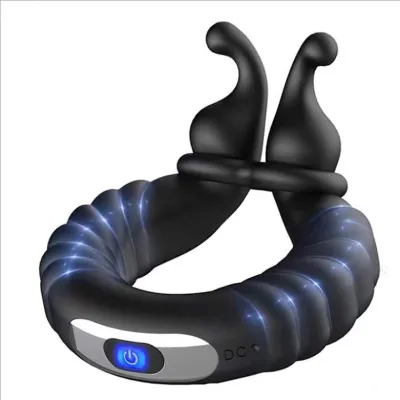
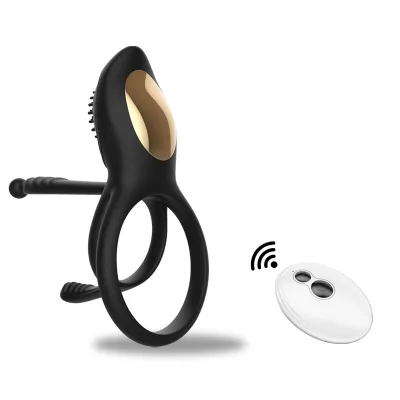
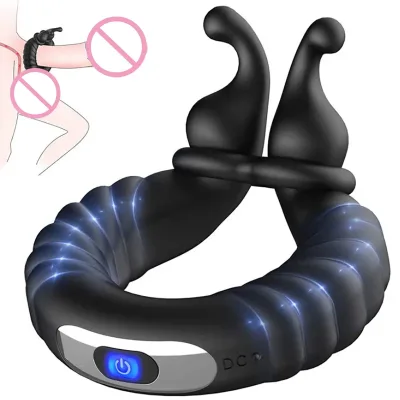
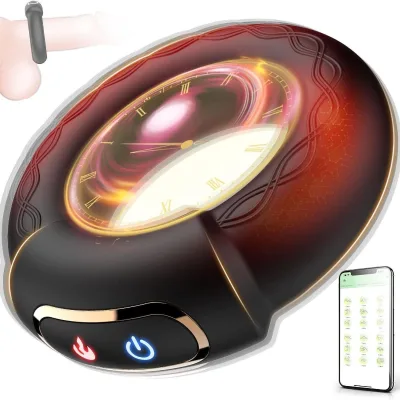
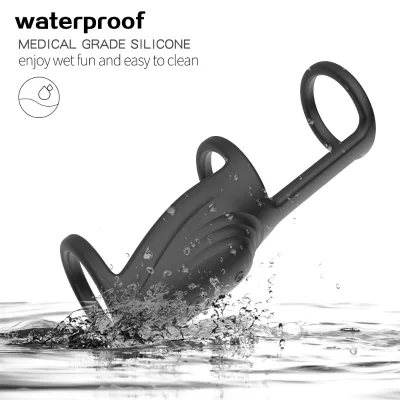
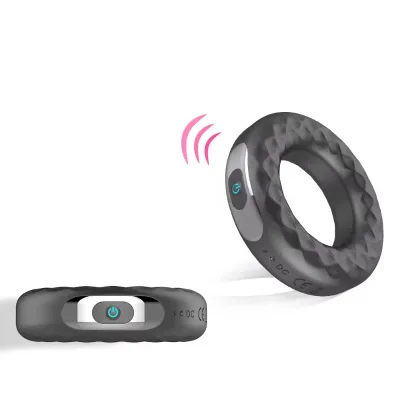
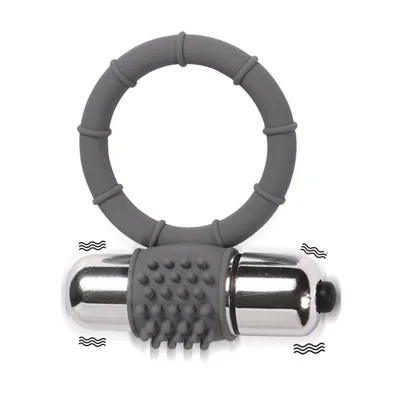
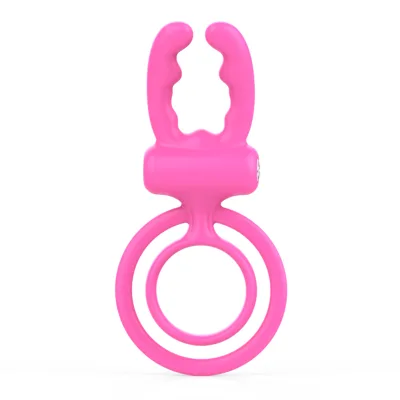
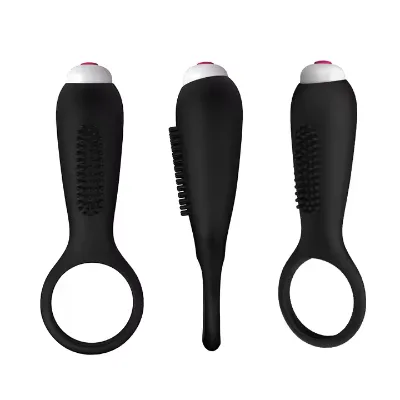
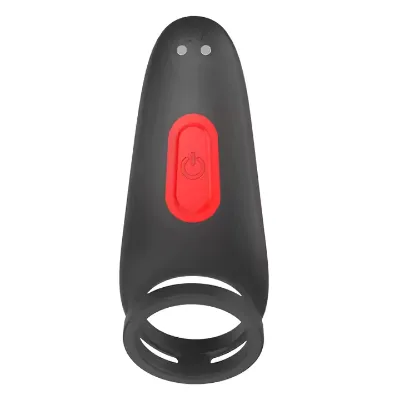
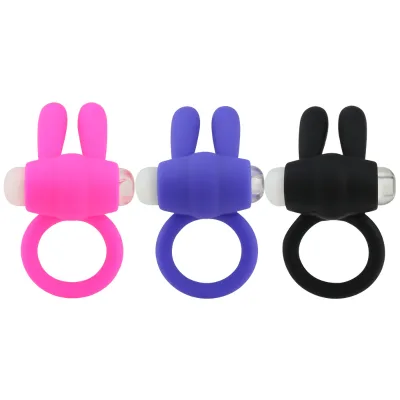
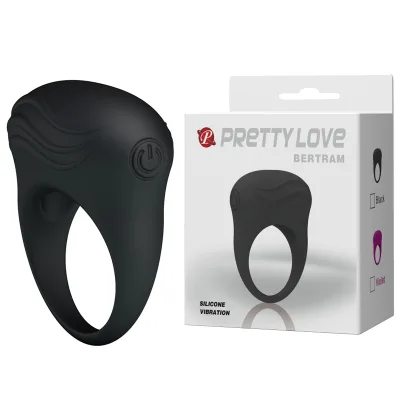
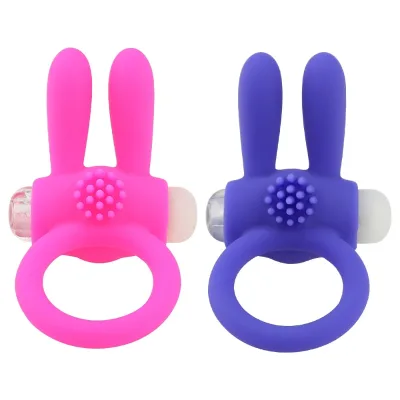
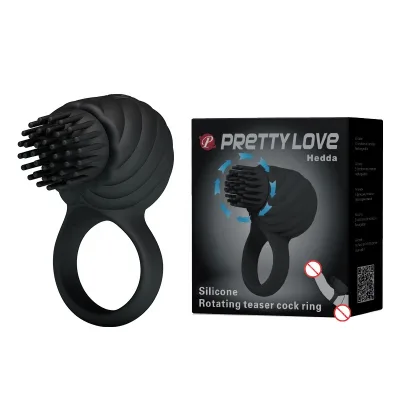
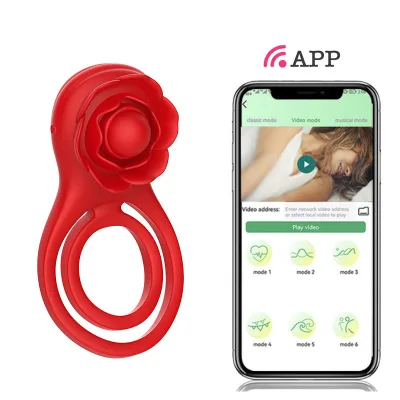
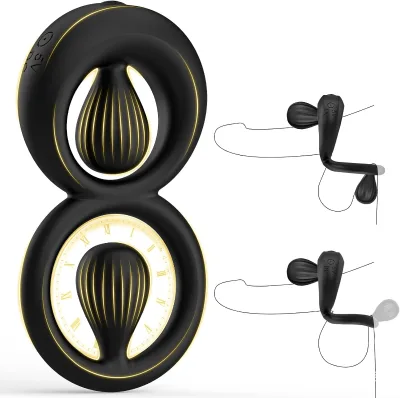
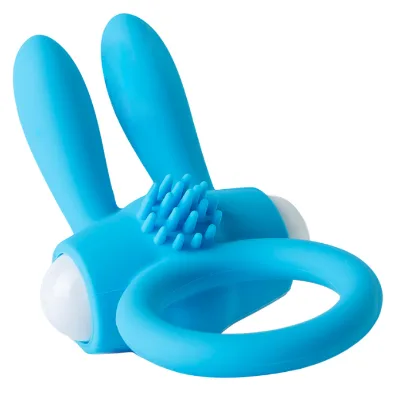
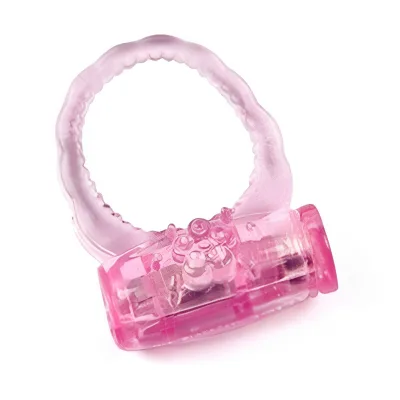
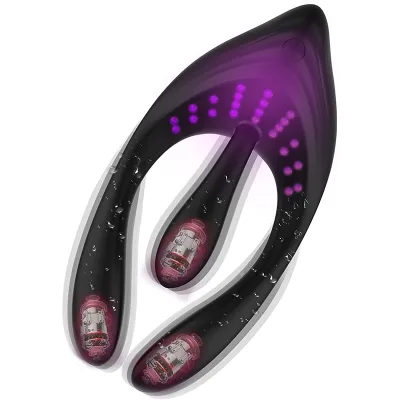
Comprehensive Sourcing Guide
Vibrating Silicone Cock Ring Sourcing Guide
Buyers evaluating this category must first distinguish between single-unit retail listings and bulk wholesale requirements, as the observed market data indicates a significant variance in minimum order quantities ranging from single items to 5,000 units. The primary commercial signal is the presence of specific model numbers like MMA-075 and MMA-032, which suggest distinct manufacturing batches rather than a generic unbranded commodity. Procurement teams should verify whether the supplier offers OEM and ODM services, as the available data confirms that customization is accepted for these specific silicone-based devices, allowing for tailored branding and functional adjustments.
The product scope is defined by a consistent material composition of silicone combined with ABS plastic, which dictates the tactile experience and durability of the final item. Listings frequently highlight a hardness rating of 60A, a critical specification for ensuring the device remains flexible enough for comfortable wear while maintaining structural integrity during vibration. Buyers should note that while some listings specify a single item selling unit, the standard commercial practice for this category often involves selling in multiples of 50 items, requiring a clear understanding of the supplier's packaging logic before finalizing any purchase agreement.
Product Scope and Observed Listing Signals
When analyzing product listings, buyers must carefully cross-reference the physical dimensions provided, such as the 10mm inner diameter and 12mm outer diameter, against the specific needs of their target demographic. The observed data shows that while some models feature a fixed size, others are marketed with adjustable diameter capabilities, necessitating a direct inquiry to the supplier to confirm the exact range of motion and fit for the intended application. This distinction is vital because a mismatch in sizing can lead to high return rates and customer dissatisfaction, particularly in a product category where fit is the primary determinant of user experience.
The functional scope of these devices is characterized by multiple vibration modes, with observed listings specifying either 7 or 9 distinct frequency settings to provide varied sensory experiences. Buyers should verify if the vibration mechanism is integrated directly into the silicone ring or if it relies on a separate ABS component, as this affects the overall weight and balance of the product. The presence of color options like black and red indicates a standard aesthetic range, but procurement teams must confirm if custom color matching is available as part of the OEM service, ensuring the final product aligns with the brand's visual identity.
Technical Specifications to Verify
Technical verification begins with the precise measurement of the wire diameter, which is listed as 1mm in specific model configurations, a factor that influences the internal circuitry and the intensity of the vibration output. Buyers must request detailed engineering drawings to confirm that the internal wiring is properly insulated and protected within the silicone casing to prevent short circuits or battery leakage during use. The single package size of 8x8x8 cm or 10x10x10 cm suggests a compact design, but the gross weight per batch of 4.000 kg for larger orders requires careful logistics planning to ensure efficient shipping and storage without damaging the delicate electronic components.
The power source and frequency control are critical technical aspects that require explicit confirmation, as the observed data mentions a 9V power requirement and specific frequency vibration capabilities. Procurement teams should demand test reports that validate the consistency of the 9 vibration modes across different units to ensure that the device does not suffer from performance degradation over time. Additionally, the battery life and charging mechanism, if applicable, must be verified against the stated specifications to guarantee that the device meets the expected usage duration for the end consumer.
Compliance and Safety Documentation
Compliance verification is paramount for this category, as the observed listings explicitly cite CE, RoHS, and MSDS certifications, which are essential for market entry in many regions. Buyers must request valid, up-to-date copies of these certificates directly from the supplier to ensure they are not expired or forged, as these documents serve as the primary proof of safety and environmental compliance. The presence of these certifications indicates that the manufacturer adheres to specific international standards for electrical safety and hazardous substance restrictions, which is a non-negotiable requirement for reputable B2B transactions.
Beyond the standard certifications, buyers should investigate the specific testing protocols used to validate the product's safety, particularly regarding the silicone material's biocompatibility and the electrical safety of the vibration motor. The MSDS (Material Safety Data Sheet) provides crucial information on the chemical composition of the materials used, ensuring that no harmful substances are present that could cause skin irritation or allergic reactions. Procurement teams must ensure that the supplier can provide a full chain of custody for these documents, linking the specific batch of goods to the certified manufacturing process.
Cost Drivers and Commercial Terms
Cost drivers in this market are heavily influenced by the complexity of the vibration mechanism and the quality of the silicone material, which directly impacts the unit price range observed between 0.08 and 14 USD. Buyers should analyze the cost structure to understand how factors like the number of vibration modes, the inclusion of ABS components, and the customization of packaging contribute to the final price. The observed MOQ of 50 pieces suggests a tiered pricing model where larger orders may yield significant discounts, but the buyer must balance this against their inventory holding costs and cash flow requirements.
Commercial terms are standardized around flexible payment methods including PayPal, Western Union, and Trade Assurance, which offer varying levels of protection for the buyer. The warranty period of 12 months is a standard offering that buyers should explicitly include in their purchase agreements to ensure coverage for manufacturing defects or premature failure. Additionally, the shipping methods available, such as DHL, EMS, UPS, and FedEx, allow for expedited delivery, but the buyer must calculate the total landed cost, including duties and taxes, to accurately assess the profitability of the procurement.
Supplier Qualification and Quality Control
Supplier qualification requires a thorough vetting of the manufacturing facility, specifically confirming the location as Guangdong, China, which is a known hub for electronics and silicone product manufacturing. Buyers should verify the supplier's capacity to handle OEM and ODM requests, ensuring they have the necessary molds and production lines to accommodate custom branding and design changes. The acceptance of customization indicates a flexible production environment, but the buyer must assess the supplier's track record for meeting deadlines and maintaining consistent quality across different batches.
Quality control processes must be rigorously defined, with a focus on the inspection of the final product's hardness, weight, and functional performance. The observed single gross weight of 0.500 kg per unit provides a baseline for quality checks, ensuring that each item meets the specified weight tolerance to prevent defects in the internal components. Buyers should implement a pre-shipment inspection protocol that tests a random sample of units for vibration consistency, battery performance, and material integrity to mitigate the risk of receiving substandard goods.
Long-Term Procurement Checks
Long-term procurement success depends on establishing a robust relationship with the supplier that includes regular quality audits and performance reviews. Buyers should schedule periodic inspections to verify that the supplier continues to adhere to the agreed-upon specifications, particularly regarding the silicone material quality and the reliability of the vibration motor. Maintaining open communication channels ensures that any changes in the manufacturing process or supply chain are communicated promptly, allowing for proactive adjustments to the procurement strategy.
Sustainability and supply chain resilience are critical considerations for long-term planning, as the reliance on specific materials like silicone and ABS plastic can be subject to market fluctuations. Buyers should assess the supplier's ability to source raw materials consistently and their contingency plans for potential disruptions. By monitoring the supplier's adherence to environmental standards and their commitment to continuous improvement, buyers can ensure a stable and reliable supply of high-quality vibrating silicone cock rings for their business operations.
FAQs
What materials are used in the Vibrating Silicone Cock Ring?
The product is constructed from high-quality silicone and ABS materials. This combination ensures durability and safety for intimate use. The silicone component provides a soft texture, while the ABS parts support the internal vibration mechanism. These materials are selected to meet specific hardness and comfort standards for the end user.
How many vibration modes does the device offer?
The device features multiple vibration modes, specifically offering 7 or 9 distinct frequency settings depending on the model. These modes allow users to customize their experience. The vibration function is designed to enhance pleasure through varied intensity levels. This variety ensures that different preferences can be accommodated effectively during use.
What certifications does the Vibrating Silicone Cock Ring hold?
The product holds CE, ROHS, and MSDS certifications. These credentials indicate compliance with international safety and environmental standards. Such certifications are crucial for B2B buyers importing goods. They assure that the manufacturing process and final product meet rigorous quality and regulatory requirements for global distribution.
What is the minimum order quantity for this product?
The minimum order quantity is typically 50 pieces. This MOQ applies to standard orders for the Vibrating Silicone Cock Ring. Buyers should note that this is a single item unit. Bulk purchasing may offer different terms, but the baseline requirement remains at fifty units for initial procurement.
Can the product be customized for branding purposes?
Yes, OEM and ODM services are accepted for this product. Buyers can request custom branding or packaging solutions. The supplier supports customization to meet specific market needs. This flexibility allows businesses to tailor the product appearance and packaging, such as using color boxes, to align with their brand identity.
Where is the Vibrating Silicone Cock Ring manufactured?
The product is manufactured in Guangdong, China. This region is known for its robust manufacturing capabilities. The place of origin is listed as China Mainland. Buyers sourcing from this location can expect established supply chains and production infrastructure typical of the area.