Source Expanding Silicone Anal Plug for pleasure, training, and play
Compare 30 Expanding Silicone Anal Plug options from verified suppliers in Guangdong. Buyers can review materials like TPE and medical-grade silicone, sizes ranging from S to L, and MOQs starting at 10 pieces for wholesale sourcing; compare the available evidence and request quotations based on your requirements.
Updated
Key considerations
Products List

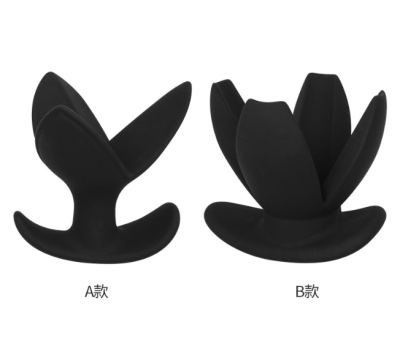

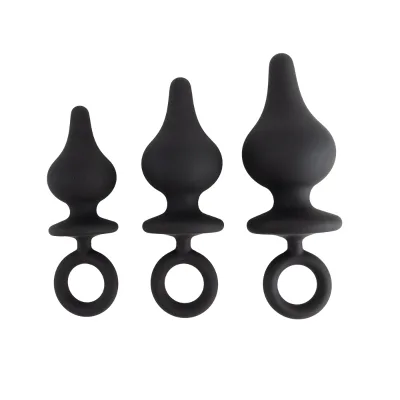

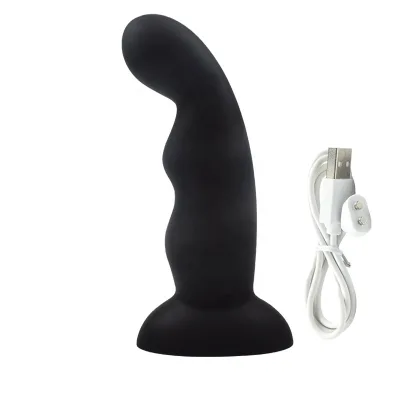



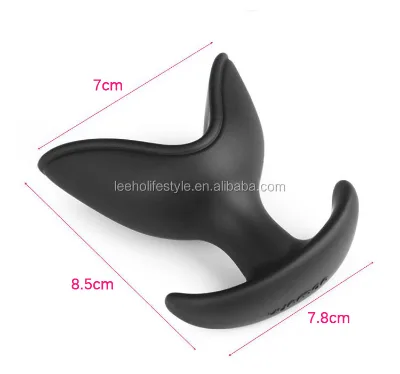


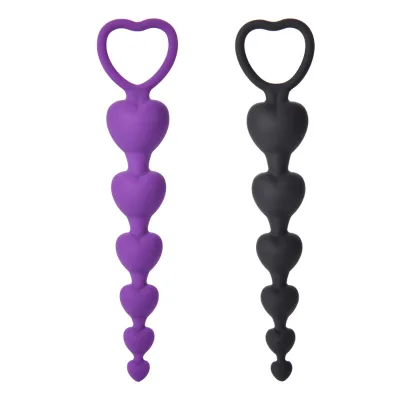
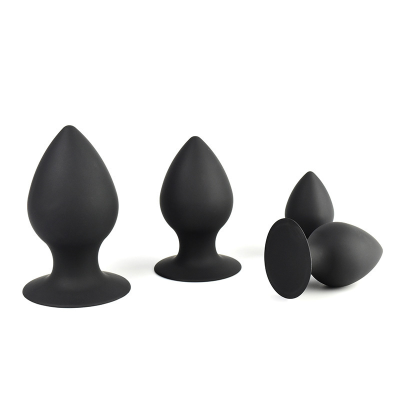
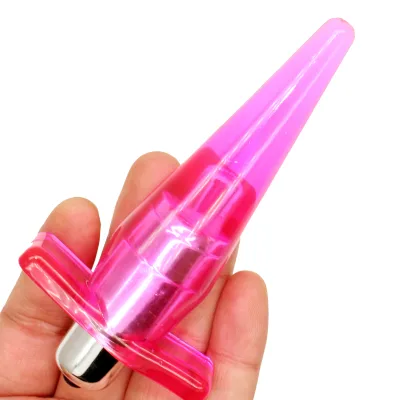
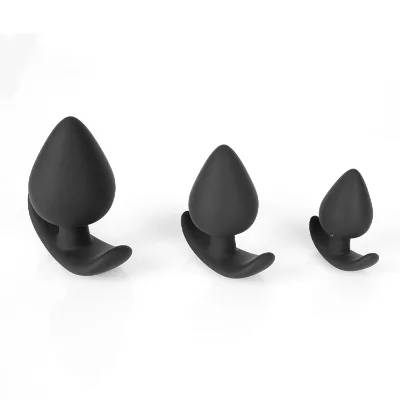


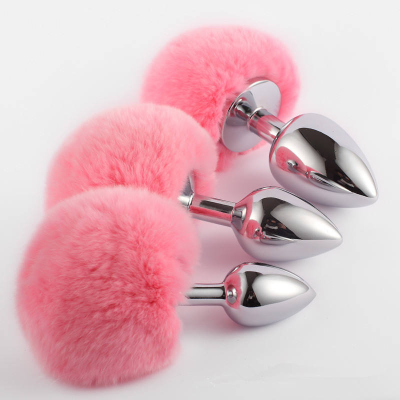
Hot Selling Rabbit Tail Anal Plug Butt Plug Sex Toys Anal Anal Plug Tail
$1.3314 - $1.6381
MOQ: 1 pieces
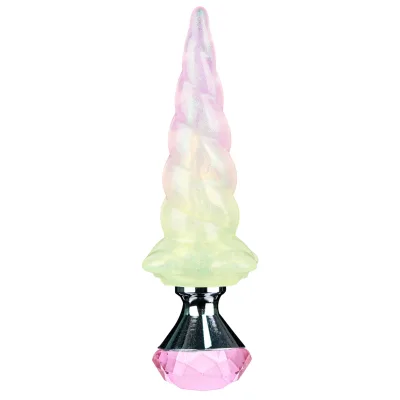
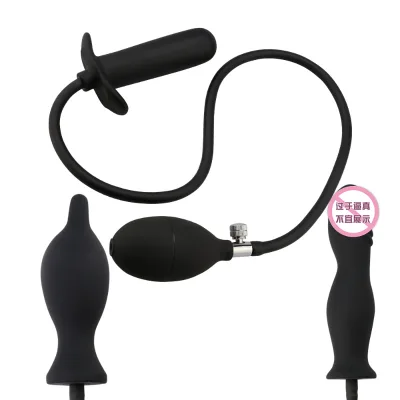
Extra-large Inflatable Silicone Anal Plug Expansion Anal Dilator Sex Toy
$2.3921 - $2.60
MOQ: 10 Minimum
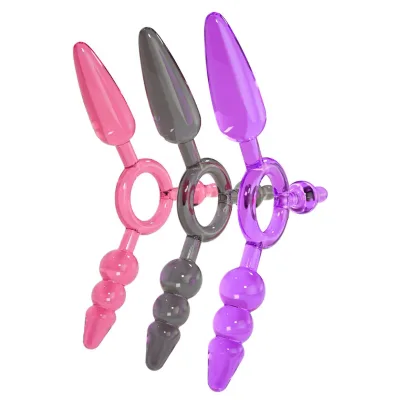
Comprehensive Sourcing Guide
Expanding Silicone Anal Plug Sourcing Guide
Procuring expanding silicone anal plugs requires a disciplined approach to material verification and supplier transparency, as the intimate nature of these products demands strict adherence to safety and quality standards. Buyers must prioritize suppliers who provide clear documentation regarding the silicone grade used, ensuring that the material is body-safe and free from harmful phthalates or latex. The observed market data indicates a strong presence of manufacturers in Guangdong, China, offering a range of options from basic TPE variants to high-grade medical silicone. Understanding the distinction between these materials is critical for brand positioning and consumer safety, as medical-grade silicone offers superior durability, hygiene, and thermal conductivity compared to lower-cost alternatives.
This guide outlines the essential steps for evaluating suppliers, verifying technical specifications, and establishing robust commercial terms for expanding silicone anal plugs. By focusing on observable listing signals and concrete verification steps, procurement teams can mitigate risks associated with inconsistent product quality and regulatory non-compliance. The following sections provide a structured framework for assessing potential partners, ensuring that the final products meet both functional expectations and legal requirements in target markets.
Product Scope and Observed Listing Signals
The current market landscape for expanding silicone anal plugs reveals a diverse array of product types, including traditional anal plugs, vacuum pumps, and specialized designs like nipple anal plugs. Observed listings highlight variations in material composition, with some products explicitly labeled as medical-grade silicone while others utilize TPE or generic silicone. Key attributes such as color options, including violet, red, and transparent finishes, suggest a focus on aesthetic customization for private labeling. Buyers should note that product names often vary, with terms like "anal plug," "backyard sex toy," and "enema" appearing in the same category, indicating a broad scope that requires careful filtering to identify true expanding silicone models.
Weight and packaging data provide additional insights into product density and logistics planning. Observed weights range from 45g to 157g, with single gross weights varying significantly based on packaging materials like PP bags. These figures are crucial for calculating landed costs and determining appropriate shipping methods. The presence of OEM/ODM capabilities across multiple listings indicates that many manufacturers are open to custom branding and design modifications. Buyers should leverage this flexibility to develop unique product lines while ensuring that the core expanding mechanism remains reliable and safe for end-users.
Technical Specifications to Verify
Verifying the exact dimensions and size options is paramount when sourcing expanding silicone anal plugs, as user comfort and safety depend on precise fit. Observed specifications include sizes such as L, M, and S, with specific measurements like 110*38mm for certain models. Buyers must confirm whether the "expanding" feature is mechanical, thermal, or fluid-based, as this impacts the user experience and product reliability. Additionally, single package sizes like 16X15X7 cm and 29X26X10 cm suggest variations in bulk packaging, which can affect storage and display requirements. Clear communication with suppliers regarding these dimensions ensures that the final product aligns with marketing claims and customer expectations.
Material composition is another critical technical specification that requires rigorous verification. While some listings claim medical-grade silicone, others may use lower-quality TPE, which can degrade over time or cause allergic reactions. Buyers should request material safety data sheets (MSDS) and third-party test reports to confirm the absence of harmful substances. The observed model numbers, such as DQS1111-1 and YL-YM0014, serve as unique identifiers for tracking product iterations and quality consistency. Establishing a clear specification sheet with the supplier helps prevent misunderstandings and ensures that the delivered goods match the agreed-upon technical standards.
Compliance and Safety Documentation
Compliance with international safety standards is non-negotiable for intimate products, and buyers must ensure that suppliers provide relevant certifications and test reports. Although CE certification is mentioned in the background context, it is essential to verify the specific directives and testing protocols applied to the silicone material. Buyers should request documentation confirming that the products meet REACH, RoHS, or other regional regulatory requirements, depending on the target market. This due diligence protects the brand from legal liabilities and ensures that the products are safe for consumer use, reducing the risk of adverse health incidents.
In addition to regulatory compliance, buyers should assess the supplier’s quality management systems and production processes. Certifications such as ISO 9001 indicate a structured approach to quality control, which is vital for maintaining consistency across large orders. Buyers should also inquire about the supplier’s testing procedures for durability, elasticity, and hygiene, ensuring that the expanding mechanism functions reliably over time. By prioritizing suppliers with robust compliance frameworks, buyers can build trust with their customers and establish a reputation for selling high-quality, safe intimate products.
Cost Drivers and Commercial Terms
Understanding the cost drivers for expanding silicone anal plugs involves analyzing material quality, manufacturing complexity, and order volume. Medical-grade silicone is typically more expensive than TPE, but it offers better longevity and safety, which can justify a higher price point. Observed MOQs range from 10 to 1000 pieces, providing flexibility for small businesses and larger enterprises alike. Buyers should negotiate pricing based on volume tiers, leveraging larger orders to secure better rates. Additionally, the choice of packaging, such as PP bags or custom boxes, can impact the overall cost, so it is important to balance aesthetic appeal with budget constraints.
Payment terms and lead times are also significant factors in the commercial equation. Observed payment methods include PayPal, Western Union, TT, and Trade Assurance, with Trade Assurance offering an added layer of security for international transactions. Buyers should clarify lead times for both sample production and bulk manufacturing to ensure timely delivery. Understanding these commercial terms helps in planning cash flow and inventory management, reducing the risk of stockouts or excess inventory. By establishing clear and fair commercial agreements, buyers can foster long-term partnerships with reliable suppliers.
Supplier Qualification and Quality Control
Supplier qualification begins with a thorough assessment of their manufacturing capabilities and reputation. Buyers should verify the supplier’s location, with many observed listings originating from Guangdong, China, a hub for intimate product manufacturing. Conducting factory audits or requesting video tours can provide insights into production lines, hygiene standards, and quality control processes. Buyers should also evaluate the supplier’s responsiveness and communication skills, as these factors are crucial for resolving issues and maintaining a smooth supply chain. A qualified supplier should be transparent about their processes and willing to accommodate reasonable requests for customization or testing.
Quality control measures should be integrated into the procurement process to ensure consistent product quality. Buyers should implement incoming inspection protocols, checking for defects in material, color, and functionality. Random sampling and stress testing of the expanding mechanism can help identify potential issues before the products reach the market. Additionally, establishing a clear feedback loop with the supplier allows for continuous improvement and rapid resolution of any quality concerns. By prioritizing rigorous quality control, buyers can minimize returns and complaints, protecting their brand’s reputation and customer satisfaction.
Long-Term Procurement Checks
Long-term procurement success depends on regular performance reviews and relationship management with suppliers. Buyers should track key performance indicators such as on-time delivery rates, defect rates, and responsiveness to issues. Regular audits and follow-up meetings can help identify areas for improvement and strengthen the partnership. Buyers should also stay informed about market trends and regulatory changes, ensuring that their product offerings remain compliant and competitive. By maintaining a proactive approach to supplier management, buyers can mitigate risks and capitalize on new opportunities in the intimate product market.
Continuous innovation and product development are essential for staying ahead in a dynamic market. Buyers should collaborate with suppliers to explore new designs, materials, and features that meet evolving consumer preferences. This might include experimenting with different expanding mechanisms or incorporating eco-friendly materials. By fostering a culture of innovation, buyers can differentiate their brand and attract a loyal customer base. Long-term procurement checks should also include evaluating the supplier’s ability to scale production and adapt to changing demand, ensuring that the supply chain remains resilient and efficient.
FAQs
What materials are used for these anal plugs?
The products are manufactured using TPE and Medical Grade Silicone. These materials ensure body-safe contact and durability. Some listings specify silicone construction for enhanced safety and hygiene. Buyers can select based on material preference and intended usage frequency.
What sizes are available for the silicone plugs?
Sizes include L, M, and S options. Specific dimensions vary by model, such as 45*75mm or 60*85mm. Some items measure 110*38mm in length. Single package sizes range from 10x5x10cm to 29x26x10cm. Buyers should check specific model numbers for exact fit details.
Can I customize the product with my brand?
Yes, OEM and ODM services are available. Buyers can request custom branding and packaging solutions. This allows for private labeling and tailored product designs. Suppliers support customization to meet specific market requirements and brand identity needs effectively.
What is the minimum order quantity for these items?
MOQs vary by product type, typically ranging from 10 to 100 pieces. Some specific models require a minimum of 100 PCS. Other items may have an MOQ of 20 PCS. Buyers should verify the exact MOQ for their selected model number before placing orders.
Where are these products manufactured?
The products originate from Guangdong, China. This region is a known hub for manufacturing these types of goods. Buyers can expect consistent production capabilities and supply chain efficiency from this location. Shipping logistics are generally well-established from this origin point.
What payment methods are accepted for orders?
Accepted payment methods include PayPal, Western Union, TT, and Trade Assurance. These options provide flexibility for international transactions. Trade Assurance offers additional security for buyers. Suppliers support standard commercial payment channels to facilitate smooth order processing and completion.