Source Detachable Male Chastity Lock for BDSM, Fetish, and Restraint
Compare 30 Detachable Male Chastity Lock options from verified suppliers. Explore metal and PU leather models with adjustable sizes, waterproof features, and OEM support for diverse adult applications. Discover various sizes, colors, and packaging types suitable for different needs; compare the available evidence and request quotations based on your requirements.
Updated
Key considerations
Products List
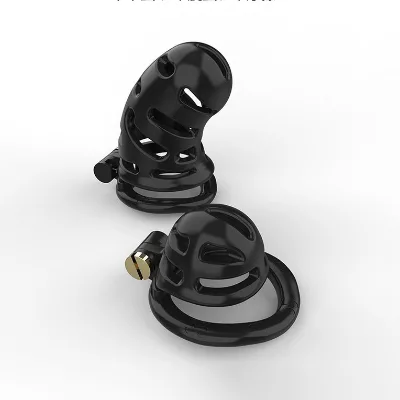
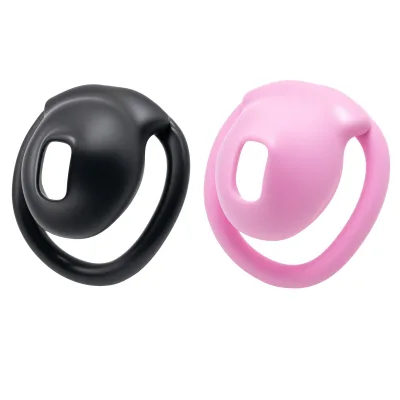
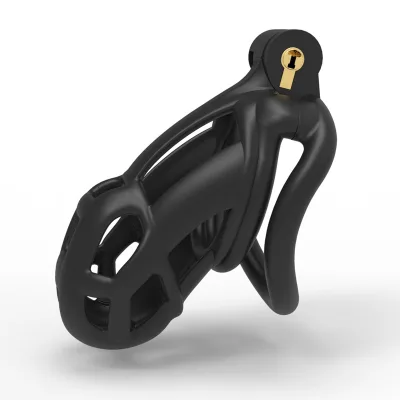
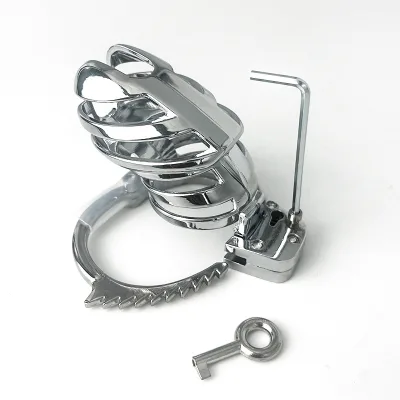
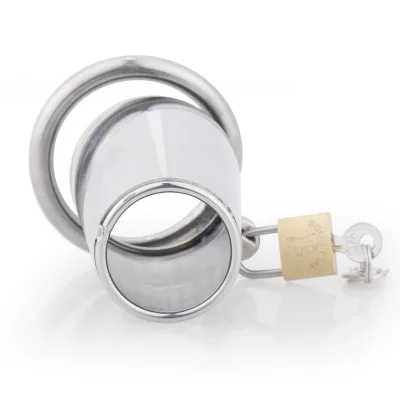
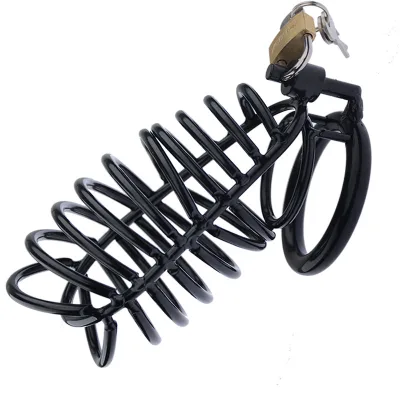
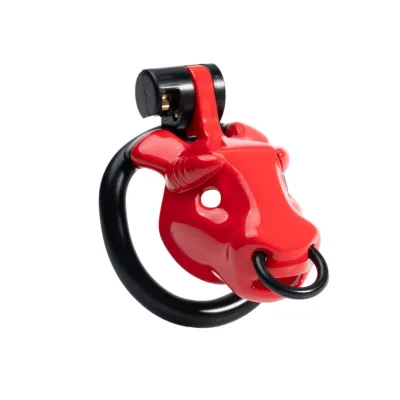
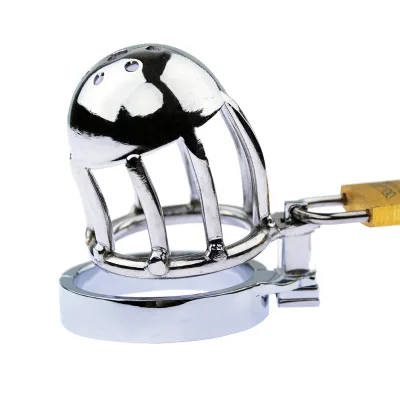


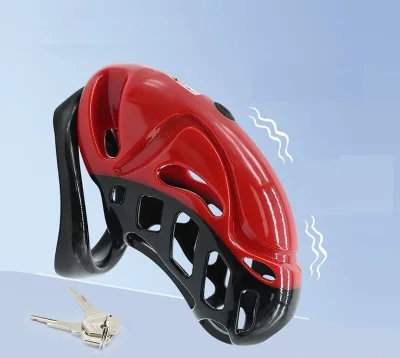
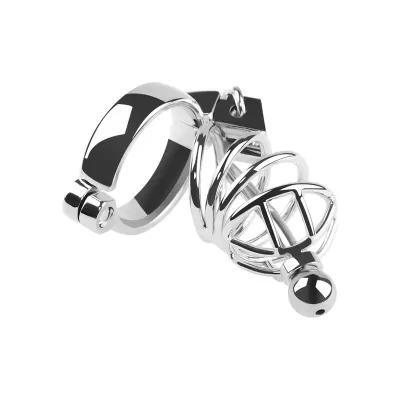
Comprehensive Sourcing Guide
Detachable Male Chastity Lock Sourcing Guide
Procuring detachable male chastity locks requires a nuanced understanding of both mechanical design and material safety, as these devices serve specific functional roles in adult wellness and fetish markets. Buyers must distinguish between rigid metal cages and flexible leather alternatives, noting that observed listings indicate a wide variance in construction methods. The core keyword highlights a mechanism that allows for removal without permanent alteration, a feature critical for user compliance and hygiene. Sourcing teams should prioritize suppliers who clearly articulate the locking mechanism’s reliability, as failure in this component can lead to significant product returns and brand damage.
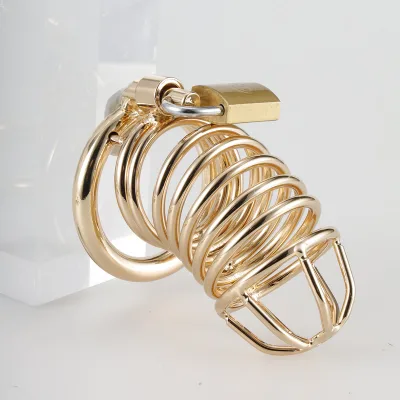
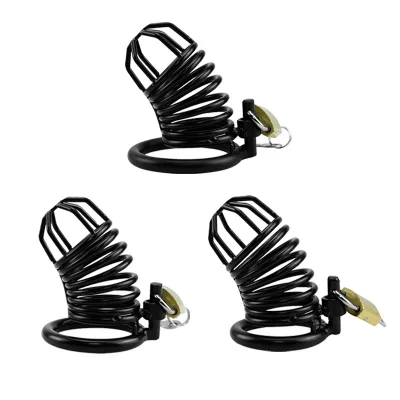
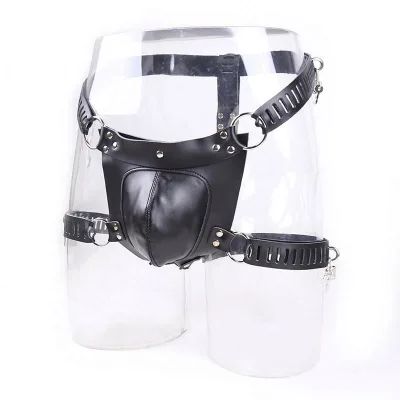
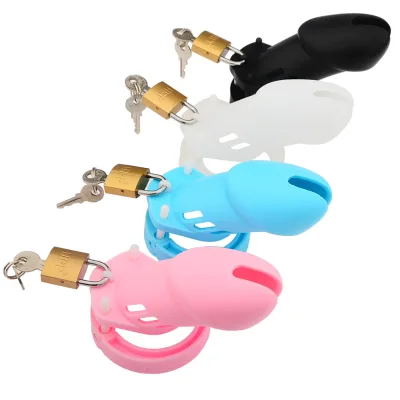
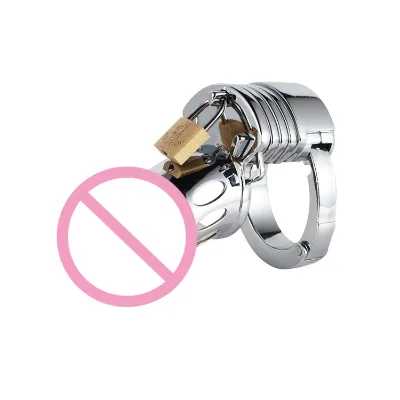
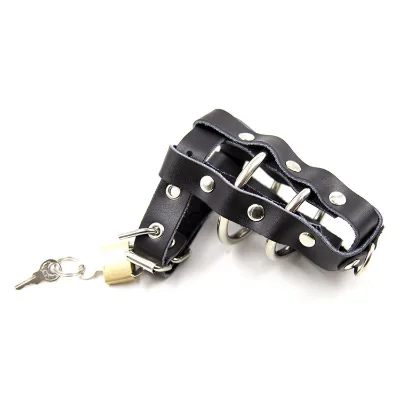
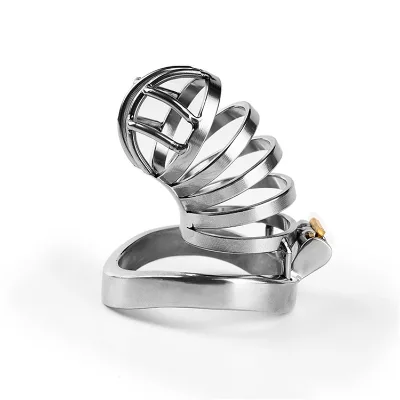
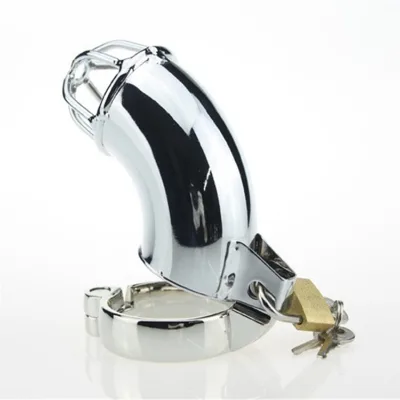
The market for these devices is segmented by material type, with metal and PU leather being the most prevalent options observed in current listings. Metal variants often emphasize durability and waterproof capabilities, while leather options focus on comfort and aesthetic appeal through strap-on harness designs. Buyers need to evaluate whether the detachable feature is integrated into the primary cage structure or serves as an accessory component, such as a strap-on harness for men. Understanding this distinction is vital for accurate inventory planning and for setting appropriate customer expectations regarding device functionality and usage scenarios.
Product Scope and Observed Listing Signals
Current market data reveals a diverse product range with observed prices spanning from 0.9 to 88.8 USD, indicating significant variation in perceived value and material quality. Minimum Order Quantities (MOQs) are typically low, ranging from 1 to 10 pieces, which suggests that many suppliers cater to small-batch buyers or dropshipping models rather than large-scale industrial procurement. This low barrier to entry allows for flexible testing of new designs but requires careful vetting of supplier consistency. Buyers should note that while some listings support OEM and ODM services, others offer generic products with standard branding, impacting the ability to create a unique brand identity.
Product attributes vary significantly across listings, with key features including ejaculation delay functions, adjustable penis sizes, and specific color options like gold and black. Some models are described as fully waterproof with IPX6 ratings, while others emphasize discreet packaging and specific weight profiles, such as 350g for metal variants and 200g for leather ones. The presence of multiple model numbers, including GBEC315 and AS-CR102, indicates that suppliers may offer distinct product lines rather than a single universal design. Buyers must carefully cross-reference these specifications to ensure they are sourcing the exact variant required for their target demographic, avoiding confusion between metal cages and PU leather devices.
Technical Specifications to Verify
When evaluating technical specifications, buyers must verify the precise dimensions and weight of each unit to ensure compatibility with user expectations and shipping logistics. Observed data indicates single package sizes ranging from 10x10x5 cm for leather harnesses to 26x5x5 cm for metal cages, with gross weights varying from 0.15 kg to 0.45 kg. These variations directly impact shipping costs and packaging efficiency, making it essential to confirm the exact specifications for each SKU before placing bulk orders. Additionally, the adjustable nature of some devices, with sizes listed as 40MM, 45MM, and 50MM, requires clear communication with suppliers to ensure accurate sizing charts are provided to end-users.
The material composition is a critical technical factor, with metal and PU leather being the primary materials observed. Metal chastity locks often feature certifications such as CE and ROHS, suggesting compliance with specific safety and environmental standards, although buyers should verify the validity of these certifications directly with the supplier. For PU leather products, the focus is often on durability and comfort, with features like strap-on harness designs and discreet box packaging. Buyers should request detailed material specifications, including the type of metal alloy or leather grade, to assess longevity and potential allergic reactions, ensuring the product meets the quality standards expected by their customer base.
Compliance and Safety Documentation
Compliance documentation is a cornerstone of responsible sourcing, particularly for products that involve direct skin contact and intimate use. Buyers must insist on valid certification documents, such as CE and ROHS marks, which indicate adherence to European safety and environmental regulations. While some listings explicitly mention these certifications, others may only provide generic claims, requiring buyers to conduct independent verification or request third-party test reports. The absence of clear certification information should be treated as a red flag, prompting further investigation into the supplier’s manufacturing processes and quality control measures to mitigate legal and reputational risks.
Beyond certifications, buyers should evaluate the supplier’s approach to product safety and user guidance. This includes verifying that the product includes clear instructions for use, cleaning, and maintenance, particularly for devices with detachable components or electronic features. The presence of discreet packaging is another important aspect, as it protects user privacy and enhances the overall customer experience. Buyers should also consider the supplier’s policy on product recalls and customer support, ensuring that there is a clear channel for addressing any safety concerns or defects that may arise after the product reaches the end-user.
Cost Drivers and Commercial Terms
Cost drivers for detachable male chastity locks include material selection, manufacturing complexity, and packaging requirements. Metal cages, which often weigh more and require more robust construction, tend to be priced higher than their PU leather counterparts. The inclusion of features such as waterproofing, adjustable sizing, and OEM branding can also increase production costs. Buyers should analyze the price-to-weight ratio to understand the true value proposition, considering that shipping costs are often calculated based on gross weight. Understanding these cost drivers allows buyers to negotiate more effectively and identify opportunities for cost savings without compromising on quality or safety.
Commercial terms, including payment methods and shipping options, vary among suppliers but typically include PayPal, Western Union, TT, and Trade Assurance. Shipping methods such as UPS, DHL, FedEx, and sea freight offer flexibility depending on order volume and urgency. Buyers should clarify the lead times associated with each shipping method and ensure that the supplier can meet delivery deadlines, especially for time-sensitive promotions or seasonal demand. Additionally, buyers should confirm the return and refund policies, as well as the handling of defective items, to protect their investment and maintain customer satisfaction.
Supplier Qualification and Quality Control
Supplier qualification is a critical step in ensuring the reliability and consistency of the supply chain. Buyers should assess the supplier’s production capacity, quality control processes, and ability to meet specific customization requests. Suppliers that support OEM and ODM services demonstrate a higher level of flexibility and commitment to meeting unique buyer requirements. However, buyers must verify the supplier’s track record through references, sample orders, and on-site audits if possible. The location of the supplier, often in Guangdong, China, should be considered in the context of logistical efficiency and supply chain resilience.
Quality control measures should be clearly defined and enforced throughout the production process. Buyers should request detailed quality control plans, including inspection points for materials, assembly, and final packaging. The presence of specific product features, such as bird cage designs or strap-on harnesses, requires rigorous testing to ensure durability and functionality. Buyers should also establish clear acceptance criteria for product defects, including issues with locking mechanisms, material integrity, and packaging quality. Implementing a robust quality control framework helps minimize the risk of receiving substandard products and ensures that the final output meets the expected standards.
Long-Term Procurement Checks
Long-term procurement success depends on continuous monitoring of supplier performance and market trends. Buyers should regularly review supplier metrics, including on-time delivery rates, product defect rates, and responsiveness to issues. Establishing a structured feedback loop with suppliers allows for ongoing improvement and adaptation to changing market demands. Buyers should also stay informed about emerging trends in the adult wellness and fetish markets, such as new materials, designs, or regulatory changes, to ensure their product offerings remain relevant and competitive.
Additionally, buyers should periodically reassess their supplier base to identify opportunities for diversification and risk mitigation. Relying on a single supplier can expose buyers to supply chain disruptions, so maintaining relationships with multiple qualified suppliers is advisable. Buyers should also consider the long-term viability of the products they source, evaluating factors such as product lifespan, customer satisfaction, and potential for repeat purchases. By implementing a proactive and strategic approach to procurement, buyers can build a resilient and sustainable supply chain that supports their business growth and customer satisfaction goals.
FAQs
What materials are used for male chastity locks?
Male chastity locks are primarily manufactured from metal or PU leather. Metal versions offer durability and a bird cage aesthetic, while PU leather options provide a softer, fetish-style design. Buyers can select based on comfort preferences and intended usage scenarios for BDSM or daily wear applications.
What is the typical MOQ for these products?
The minimum order quantity varies by supplier, typically ranging from 3 to 10 pieces. Some manufacturers require a minimum of 3 PCS for metal models, while others may set the threshold at 5 or 10 PCS for leather variants. Buyers should verify specific MOQ requirements with the supplier before placing an order.
Can these locks be customized with OEM services?
Yes, many suppliers support OEM and ODM services for customization. Buyers can request specific colors, such as gold or black, and adjust packaging to meet brand requirements. This allows for tailored product designs and discreet box packaging options to suit specific market needs and branding strategies effectively.
Are male chastity locks waterproof?
Many metal chastity locks are designed to be 100% waterproof, ensuring durability and ease of cleaning. Some models also feature IPX6 waterproof ratings, providing reliable protection against water ingress. This feature allows for safe use in various environments, including showering, without compromising the integrity of the device or its locking mechanism.
What certifications do these products hold?
Certain male chastity devices hold CE and ROHS certifications, indicating compliance with European safety and environmental standards. These certifications assure buyers of product quality and material safety. It is advisable to request certification documents from suppliers to verify compliance, especially for markets with strict regulatory requirements for adult products and accessories.
How is the product packaged for shipping?
Products are typically packaged in discreet boxes to ensure privacy during transit. Metal models may come in standard box packaging, while leather variants often use compact, discreet packaging. This approach protects the item during shipping via methods like UPS, DHL, or FedEx, and maintains confidentiality for the end consumer upon delivery.