Source Vibratory Plate Compactor for Road, Trench, and Soil
Compare 30 listings for the Vibratory Plate Compactor featuring petrol engines, vibration working methods, and varying compaction depths. Buyers can evaluate specifications like travel speed, centrifugal force, and plate size from manufacturers in China.
Key considerations
Products List


$5000.00 - $8000.00
MOQ: 1 Pieces


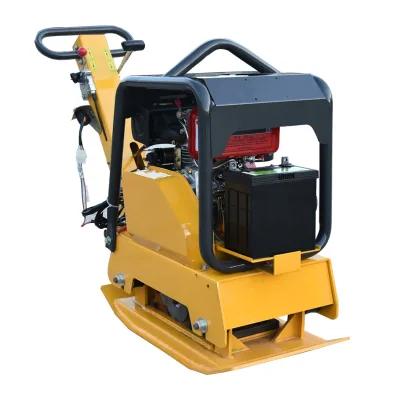


High Performance Vibrating Compactor Plate C120 Vibratory Plate Compactor
$362.00 - $620.00
MOQ: 1 Pieces


Comprehensive Sourcing Guide
Strategic Sourcing Guide for Vibratory Plate Compactors
Understanding Core Technical Specifications and Performance Metrics
When evaluating vibratory plate compactors for industrial or construction procurement, buyers must first establish a clear baseline of technical performance. The market offers a diverse range of models, each designed for specific soil types and compaction depths. Based on observed product data, a critical differentiator is the compaction depth capability. Buyers should verify that the equipment meets the specific depth requirements of their project, as observed listings indicate models capable of achieving depths ranging from 30cm to 35cm. Selecting a unit with insufficient depth capacity can lead to substandard ground preparation, while over-specifying may result in unnecessary capital expenditure.
The powertrain configuration is another fundamental technical consideration. The observed inventory includes units powered by petrol engines, with power ratings typically falling within the 7.5 to 9 HP range. This power range is generally suitable for medium-duty applications where portability and ease of operation are prioritized over heavy industrial continuous use. However, procurement teams must confirm the specific engine model and fuel efficiency for their intended application, as these factors directly influence operational costs.
The mechanism of compaction is defined by the vibratory frequency and the resulting centrifugal force. High-performance units observed in the market operate at a vibratory frequency of approximately 5000 times per minute. This frequency is crucial for breaking down soil particles and achieving optimal density. The force generated by these units varies, with observed specifications citing centrifugal forces around 27KN and a broader force range of 13-30KN. Buyers should match these force metrics to the soil density they intend to compact; softer soils may require lower force settings to prevent soil liquefaction, while harder soils demand higher centrifugal force for effective compaction.
Travel speed is a frequently overlooked but vital performance metric that dictates project throughput. Observed data indicates travel speeds ranging from 25cm/s to 30cm/s. A higher travel speed increases the rate of work but may compromise compaction uniformity if the operator does not adjust the vibration duration per pass. Therefore, the ideal machine offers a balance between speed and the ability to maintain consistent vibration contact time with the ground. Additionally, the plate size is a physical constraint; a standard observed dimension is 60*45cm, which influences the width of the compaction pass and the overall efficiency of the workflow.
Compliance, Certification, and Regulatory Standards
In the global B2B machinery market, compliance with international standards is not merely a formality but a prerequisite for operational safety and legal liability. When sourcing vibratory plate compactors, buyers must rigorously verify the certification status of the equipment. The market data highlights several recurring certifications, including CE (Conformité Européenne) and ISO 9001. The CE mark indicates that the product meets EU safety, health, and environmental requirements, which is essential for any procurement intended for use in European markets or for export to regions that recognize CE standards.
ISO 9001 certification signifies that the manufacturer adheres to a quality management system that ensures consistent product quality. This is a strong indicator of a supplier's commitment to process control and defect reduction. Beyond these, observed listings also reference certifications such as RoHS, CS, and EPA. RoHS compliance ensures the product restricts the use of specific hazardous materials, while EPA standards relate to emission controls, which are increasingly critical in environmentally regulated jurisdictions. Buyers should request valid certification documents directly from the supplier rather than relying on marketing claims, as the presence of these marks on a product listing does not guarantee current validity.
The product standards themselves vary by region and application. Some listings reference specific standards like "10-45T" or generic compliance statements. It is imperative for the procurement team to understand what these standard references denote in the context of the specific machine. For instance, if a standard refers to load capacity or weight limits, it must align with the operational constraints of the job site. Furthermore, the origin of the product plays a role in regulatory compliance. Many observed units originate from manufacturing hubs in China, such as Jiangsu and Yantai. While these regions have robust manufacturing capabilities, buyers must ensure that the specific batch of equipment complies with the import regulations of their destination country, including any specific safety or emission testing requirements that may differ from the manufacturer's local standards.
Cost Drivers and Pricing Structure Analysis
The pricing landscape for vibratory plate compactors is influenced by a complex interplay of factors, including engine type, compaction force, and the level of customization offered. The observed price range in the market spans from 160 USD to 8000 USD, a significant variance that reflects differences in build quality, brand positioning, and technical specifications. The lower end of this spectrum typically corresponds to basic models with standard engine power and minimal features, suitable for small-scale residential projects. Conversely, the higher price points are associated with heavy-duty units featuring advanced vibration mechanisms, robust chassis designs, and comprehensive safety features.
One of the primary cost drivers is the engine specification. Units equipped with higher horsepower petrol engines or branded engines often command a premium price. The observed range of 7.5 to 9 HP suggests that while most units fall within a similar power bracket, the quality of the engine components and the efficiency of the fuel system can significantly impact the final cost. Additionally, the material composition of the compactor plate and frame contributes to pricing. Materials such as Q355, Q350, and Q460 steel grades offer varying levels of durability and resistance to wear, with higher-grade steels generally increasing the manufacturing cost and, subsequently, the retail price.
Customization is another factor that influences the total cost of ownership. The market data confirms that customization is available for many models, allowing buyers to specify colors, plate sizes, or specific branding. While customization adds value, it often incurs additional charges and may affect the lead time. Buyers should evaluate whether the cost of customization justifies the operational benefits or if standard models provide sufficient performance for their needs. Furthermore, the packaging method, whether wooden cases, cartons, or plywood boxes, can impact shipping costs and the overall landed price. Durable packaging like wooden cases is essential for heavy machinery to prevent damage during transit but adds to the initial cost.
Typical Applications and Operational Context
Vibratory plate compactors are versatile tools designed for a wide array of applications, primarily in construction, roadworks, and landscaping. The core function of these machines is to increase the density of soil, gravel, or asphalt, ensuring a stable foundation for subsequent construction activities. The observed applications include use with excavators, suggesting that these compactors are often integrated into larger earth-moving operations. In such contexts, the compactor may be used for backfilling trenches or compacting soil around foundation walls where larger rollers cannot reach.
The specific application dictates the required specifications. For instance, projects requiring a compaction depth of 35cm will necessitate a more powerful unit compared to those needing only 30cm. The travel speed of 25-30cm/s is particularly relevant for large-scale paving projects where efficiency is paramount. In contrast, smaller residential projects, such as driveway preparation or garden path installation, may prioritize maneuverability and ease of handling over raw power. The "Slot Grind" type of grinding wheel mentioned in the data suggests a specific application in surface preparation or cutting, which may be relevant for specialized compaction tasks involving hard surfaces or mixed materials.
Furthermore, the condition of the equipment is a critical factor for application suitability. All observed listings specify that the products are "New," which is standard for B2B procurement to ensure reliability and warranty coverage. However, buyers must consider the operational environment. Units with a "Biaxial Three-Wheel" axle configuration offer enhanced stability, making them ideal for uneven terrain or sloped surfaces. The ability to customize the color and the availability of OEM services indicate that these machines are often used by contractors who require branded equipment for professional image or specific fleet standardization. Understanding the specific operational context is essential for selecting the right model, as a mismatch between the machine's capabilities and the job site requirements can lead to project delays and increased costs.
Supplier Evaluation and Quality Assurance Protocols
Evaluating a supplier for vibratory plate compactors requires a multi-faceted approach that goes beyond price comparison. The presence of certifications like CE and ISO 9001 is a positive indicator, but buyers must verify the authenticity and scope of these certifications. A robust supplier will provide documentation proving their compliance with international standards and their ability to maintain consistent quality across production batches. The "Quality: Nice" attribute observed in the data is a subjective claim and should be substantiated by objective quality control reports or third-party testing results.
The manufacturing origin is another critical evaluation criterion. Suppliers based in regions like Jiangsu, China, or Yantai, China, are part of established industrial clusters known for heavy machinery production. However, buyers should investigate the specific factory's capacity, production history, and export experience. The "Manufacturer: China Manufacturer" label is common, but the reputation and track record of the specific entity matter significantly. Buyers should request references from previous clients and inquire about the supplier's quality control processes, including incoming material inspection, in-process checks, and final product testing.
Lead time and delivery terms are also key components of supplier evaluation. The observed delivery time of 15 days suggests a relatively quick turnaround for standard orders, but this can vary based on customization requirements and order volume. Buyers should clarify the lead time for both standard and customized models to ensure it aligns with their project schedules. Payment terms, such as "Tt" (Telegraphic Transfer), are standard in international trade, but buyers should negotiate terms that protect their interests, such as partial payments upon shipment or inspection. Additionally, the availability of sample prices and policies, such as a "1 Year" warranty or policy, indicates the supplier's confidence in their product and their commitment to after-sales support.
Long-Term Procurement and Lifecycle Management
Sourcing vibratory plate compactors is not just a one-time transaction but a strategic decision that impacts long-term operational efficiency and total cost of ownership. Buyers should consider the availability of spare parts and the supplier's support infrastructure. A supplier that offers OEM services and has a robust supply chain for components like engines, vibration motors, and plates ensures that the equipment can be maintained and repaired efficiently over its lifespan. The "OEM: Yes" attribute suggests that the supplier is capable of producing custom parts or modifying existing designs, which can be valuable for fleet standardization or specialized applications.
The warranty and service policy are critical for mitigating long-term risks. The observed "1 Year" policy provides a baseline for protection against manufacturing defects, but buyers should verify the scope of coverage, including what components are included and the process for claiming warranty service. A supplier with a strong after-sales network can significantly reduce downtime and maintenance costs. Furthermore, the "Price: Factory Price" claim indicates a potential for competitive pricing, but buyers should ensure that this price includes all necessary accessories and that there are no hidden costs related to shipping, insurance, or customs duties.
Finally, buyers should plan for the end-of-life disposal or recycling of the equipment. The use of materials like Q355 and 20 Crmo steel suggests that the machines are built to last, but they also contain components that require proper disposal. Suppliers who adhere to environmental standards like RoHS and EPA are more likely to have sustainable practices in place for product lifecycle management. By considering these long-term factors, buyers can make informed decisions that balance immediate cost savings with future operational reliability and sustainability.
FAQs
What certifications do vibratory plate compactors typically have?
Most units carry CE and ISO 9001 certifications to ensure safety and quality management. Some listings also include RoHS, CS, and EPA marks, which restrict hazardous materials and control emissions for specific jurisdictions.
How deep can these compactors compact soil effectively?
Observed models achieve compaction depths ranging from 30cm to 35cm depending on the specific unit. Buyers must verify the depth capability matches their project requirements to avoid substandard ground preparation or unnecessary costs.
Which engine power range is standard for these machines?
The typical engine power falls between 7.5 and 9 HP for petrol-powered units. This range suits medium-duty applications where portability is prioritized, though specific fuel efficiency should be confirmed for operational cost planning.
Can buyers customize the color or specifications of the compactor?
Yes, customization is available for colors and specific branding to meet professional fleet standards. While this adds value, it may incur extra charges and affect the lead time compared to standard models.
What is the typical lead time for delivery of these units?
Standard orders typically have a delivery lead time of 15 days from the manufacturer. This duration may vary if customization is requested or if the order volume exceeds standard production capacity.
How much does a Vibratory Plate Compactor cost on average?
Prices in the market range from 160 USD to 8000 USD based on build quality and features. Lower costs cover basic models for small projects, while higher prices reflect heavy-duty units with advanced vibration mechanisms.