Source Victoria Ship Model for Gifts, Decoration, and Collectibles
Compare 19 available options for the Victoria Ship Model from verified suppliers. Buyers can evaluate customization, materials, and pricing for use as gifts, home decoration, or business souvenirs.
Key considerations
Products List





Comprehensive Sourcing Guide
Sourcing Guide for Ship Model Procurement
The global market for decorative and collectible ship models offers a diverse array of options for B2B buyers seeking unique gifts, corporate souvenirs, or interior design elements. When researching the core keyword "Victoria Ship Model," buyers must navigate a landscape where specific historical references often intersect with generalized manufacturing capabilities. The available supply chain data indicates a robust ecosystem of manufacturers primarily located in China, with a significant concentration in Guangdong province. These suppliers specialize in producing high-fidelity replicas, ranging from miniature wooden vessels to large-scale resin models, often tailored to specific client requirements. Understanding the technical nuances, material compositions, and customization capabilities is essential for securing a supply chain that delivers value without compromising on quality or compliance.
Technical Specifications and Material Composition
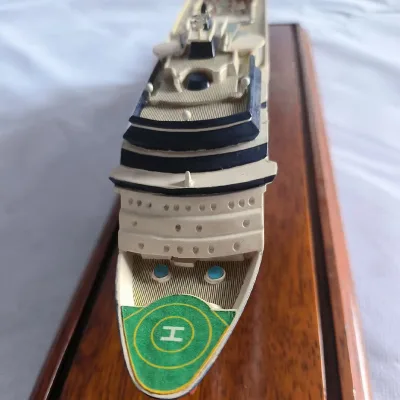
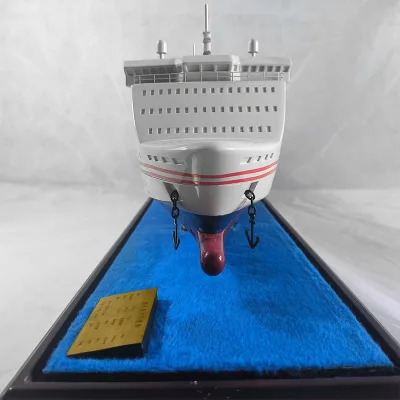
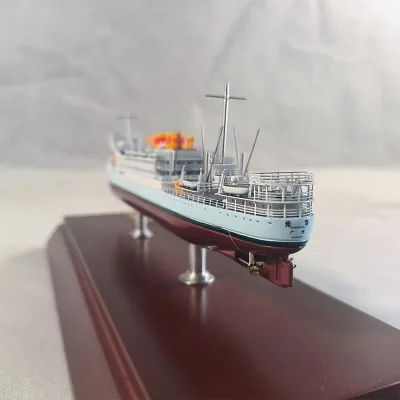
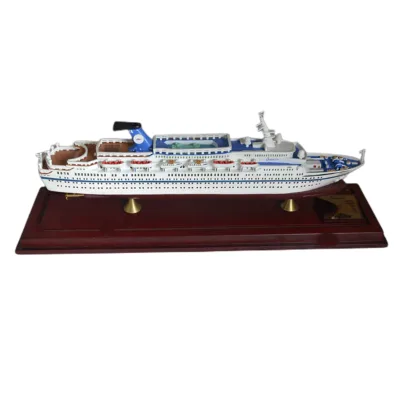
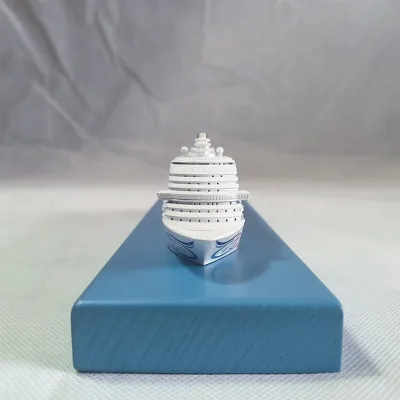
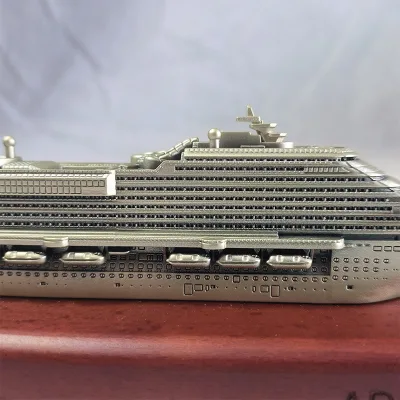
The technical profile of a ship model intended for B2B procurement varies significantly based on the intended application, whether it is a mass-market souvenir or a high-end collectible. The observed product data reveals a wide spectrum of material choices, with resin and wood being the most prominent. For instance, specific listings describe models constructed from resin, featuring hand-painted techniques to achieve a lifelike appearance. These resin models often carry substantial weight, with observed single-item weights ranging from 3.5 kg to 13.5 kg, indicating a dense, premium build suitable for display purposes. In contrast, other segments of the market offer miniature wooden ship models, which may utilize different production techniques such as 3D crafting to ensure structural integrity and aesthetic appeal.
Dimensions are another critical technical variable. The supply data indicates that size is not fixed but is highly adaptable. Buyers can encounter models with specific dimensions, such as a compact unit measuring 243.54 cm, or larger pieces reaching 709.521 cm. However, a significant portion of the market operates on a "custom size" basis, where the model number or specification is defined by the client's requirements rather than a standard catalog SKU. This flexibility allows for the creation of a "Victoria Ship Model" that matches specific display constraints or branding needs. The workmanship is generally described as excellent, with a focus on detail that supports their use as art pieces, collectibles, or business gifts. The "Lifelike" feature is a recurring attribute, suggesting that visual accuracy is a primary technical driver in the manufacturing process.
Customization Capabilities and Production Standards
One of the most distinct advantages of sourcing ship models from the identified supply base is the high degree of customization available. The product attributes consistently highlight that customization is available, with many suppliers offering to produce models "As per customer's requirements." This extends beyond mere aesthetic changes to include structural specifications. The standard for production is often listed as "Customized" or "As per customer requirement," meaning that the manufacturing process is flexible enough to accommodate unique design briefs. This is particularly relevant for buyers seeking a "Victoria Ship Model" that may need to incorporate specific historical details or corporate branding elements.
The production standards further reinforce this flexibility. Rather than adhering to a rigid international standard for every unit, the supply chain relies on customer-defined specifications. This approach allows for the creation of bespoke items where the "Model Number" might be a custom code like "SM," "JJJST," or a specific ship class designation. The ability to define the size, material, and finish allows buyers to create a unique product identity. However, this reliance on custom standards requires a clear communication channel between the buyer and the manufacturer to ensure that the final output meets the agreed-upon technical expectations. The "Universal" suitability of these models suggests they can be adapted for various contexts, from home decoration to corporate gifting, provided the initial specifications are well-defined.
Packaging, Logistics, and Weight Considerations
Logistics planning for ship models requires careful attention to packaging and weight, as these factors directly impact shipping costs and product safety. The observed data indicates a variety of packaging solutions designed to protect the models during transit. Common packaging types include "Export Standard Cases," "Aviation Boxes," "Wooden Boxes," and "Cartons." The choice of packaging often correlates with the value and fragility of the item. For heavier resin models weighing up to 13.5 kg, the use of wooden cases or robust export-standard packaging is likely necessary to prevent damage.
Weight is a critical factor in freight calculations. The single gross weight of items varies considerably, with examples ranging from 1.2 kg to 3.5 kg, and larger units reaching 13.5 kg. Buyers must account for these variances when calculating landed costs. The single package size also varies, with dimensions observed as 50X14X18 cm for certain items. This variability means that a "Victoria Ship Model" order could consist of mixed SKUs with different packaging requirements, complicating the logistics strategy. The "Export Standard Case" suggests a level of protection suitable for international shipping, but buyers should verify the specific internal cushioning and structural integrity of the packaging to ensure the "Lifelike" features and hand-painted finishes remain intact upon arrival.
Cost Drivers and Pricing Dynamics
The pricing structure for ship models is influenced by several key drivers, including material costs, labor intensity, and customization levels. The observed price range in the market is vast, spanning from $1.53 to $10,000 USD. This wide disparity reflects the difference between simple miniature models and large, hand-painted, custom-engineered replicas. The lower end of the spectrum likely corresponds to smaller, mass-produced items or those with simpler designs, while the upper end represents high-end collectibles with complex detailing and premium materials like solid wood or high-grade resin.
Minimum Order Quantity (MOQ) is another significant cost driver. The observed MOQ range spans from 1 to 3,000 units. This flexibility allows buyers to test the market with small orders or commit to large-scale production runs. For custom projects, the MOQ may be higher due to the setup costs associated with tooling and design adjustments. Buyers should be aware that the "As per customer requirement" standard often implies a negotiation on price based on the complexity of the design and the volume of the order. The "Excellent" workmanship mentioned in the product attributes suggests that labor costs are a substantial component of the final price, particularly for hand-painted items. Understanding these dynamics is crucial for budgeting and ensuring that the procurement strategy aligns with the financial constraints of the project.
Supplier Evaluation and Quality Assurance
Evaluating suppliers in the ship model sector requires a focus on their ability to deliver on the "Excellent" workmanship promise and their adherence to the specified standards. Since the product attributes indicate that standards are often "As per customer requirement," the buyer's role in defining and verifying quality is paramount. Suppliers located in Guangdong, China, are known for their manufacturing capabilities, but buyers must conduct due diligence to ensure consistency. Key evaluation criteria should include the supplier's portfolio of past projects, their ability to provide samples, and their quality control processes.
The "Hand-painted" technique and "3D" craft attributes suggest that human oversight is critical in the production process. Buyers should request detailed quality assurance protocols that cover paint adhesion, structural stability, and dimensional accuracy. The "Lifelike" feature is a subjective claim that must be validated through physical inspection or high-resolution imagery. Furthermore, the "Suitable for: Universal" attribute implies versatility, but buyers should verify that the model meets specific regulatory requirements for the target market, such as safety standards for toys or decorative items. Since specific certifications are not explicitly listed in the provided data, buyers must proactively request documentation regarding material safety and compliance with local regulations in the destination country.
Strategic Applications and Long-Term Procurement
The applications for ship models are diverse, ranging from "Gifts" and "Business Gift" to "Art & Collectible" and "Souvenir." The "Victoria Ship Model" specifically can serve as a powerful symbol of heritage, exploration, or corporate identity, making it an ideal choice for high-value corporate gifting or museum displays. The "Decoration" use case further expands the market to include interior design firms and retail spaces looking for unique focal points. The "Millennium class" and "Container ship model" variations indicate that the supply chain can cater to both historical and modern maritime themes.
For long-term procurement, building a relationship with a supplier that offers "Customized" solutions is advantageous. The ability to adjust size, material, and design allows for a dynamic product line that can evolve with market trends. Buyers should consider the lead times associated with custom orders, as the "Export Standard Case" and complex packaging may require additional time for preparation. Establishing a clear communication channel for design approvals and quality checks will be essential to maintain consistency across multiple orders. By leveraging the flexibility of the supply chain, buyers can create a sustainable sourcing strategy that delivers high-quality, customized ship models that meet the specific needs of their clients and markets.
FAQs
What customization options are available for the Victoria Ship Model?
Customization is available for the Victoria Ship Model to meet specific client needs. Buyers can request changes to size, material, and design standards as per their requirements, allowing for unique production outcomes.
Which materials are commonly used for the Victoria Ship Model?
Common materials include resin and wood for the Victoria Ship Model. Resin models often feature hand-painted techniques and lifelike details, while wooden models may utilize 3D crafting for structural integrity and aesthetic appeal.
How does the MOQ vary for the Victoria Ship Model orders?
The minimum order quantity for the Victoria Ship Model ranges from 1 to 3000 units. This flexibility allows buyers to test the market with small orders or commit to large-scale production runs based on their specific volume needs.
Can the Victoria Ship Model be used as a business gift?
Yes, the Victoria Ship Model is suitable for use as a business gift. It is also applicable for art collectibles, souvenirs, and decoration, making it versatile for various corporate and personal gifting scenarios.
What packaging standards are applied to the Victoria Ship Model?
Packaging for the Victoria Ship Model includes export standard cases, wooden boxes, and aviation boxes. The choice of packaging often correlates with the item's value and fragility to ensure safe transit and protection of the lifelike features.
Where are the manufacturers of the Victoria Ship Model located?
Manufacturers of the Victoria Ship Model are primarily located in China, with a significant concentration in Guangdong province. These suppliers specialize in producing high-fidelity replicas tailored to specific client requirements.
What is the price range for the Victoria Ship Model?
The price range for the Victoria Ship Model spans from 1.53 to 10000 USD. This wide disparity reflects the difference between simple miniature models and large, hand-painted, custom-engineered replicas with complex detailing.