Source Vietnam Bamboo Bags for Beach, Daily, and Fashion Use
Find 30 listings for Viet Nam Bamboo Bags suitable for beach outings, daily carry, and fashion styling. Compare options made from bamboo, straw, and canvas with features like silk-screen printing and customizable colors to find the right supplier; compare the available evidence and request quotations based on your requirements.
Updated
Key considerations
Products List
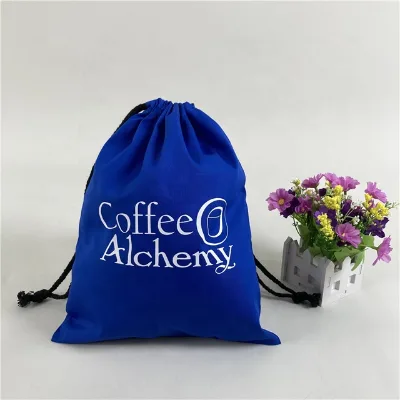


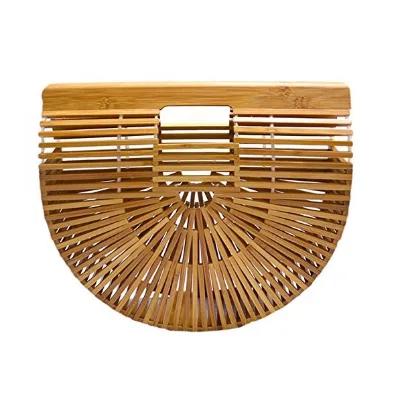
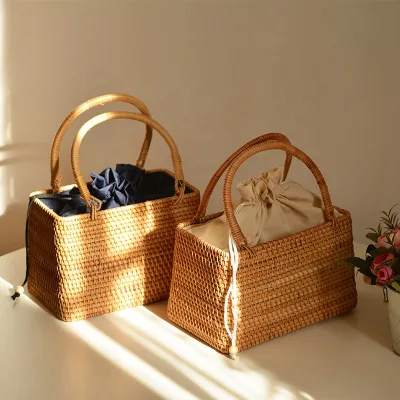
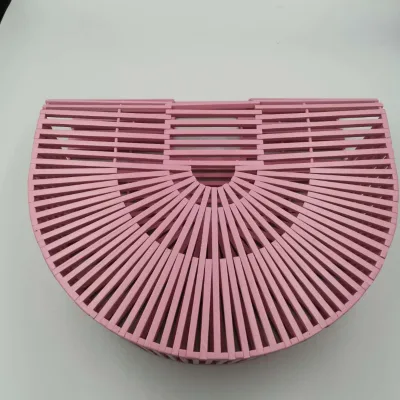
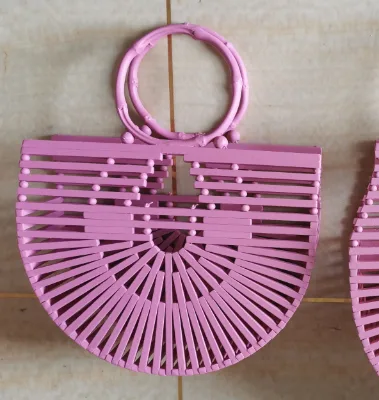
Handmade Vintage Natural Rattan Beach Bag Women Bags Girls Bamboo Handbag
$11.00 - $13.00
MOQ: 500 pieces
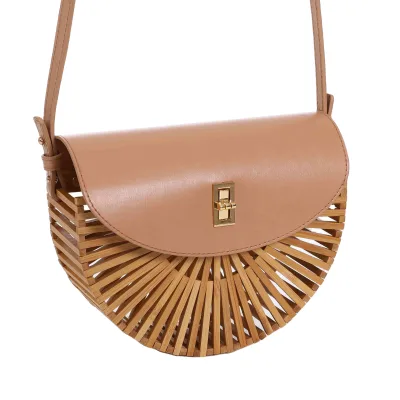
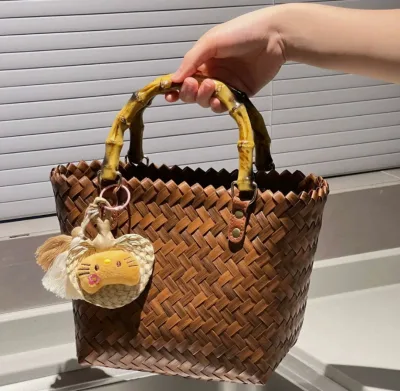
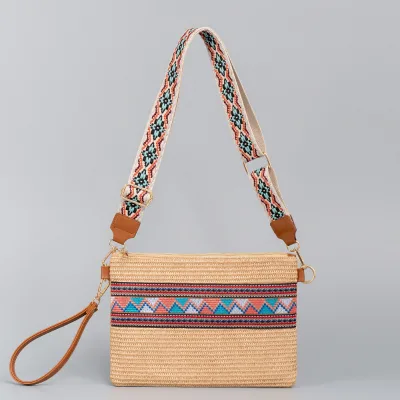
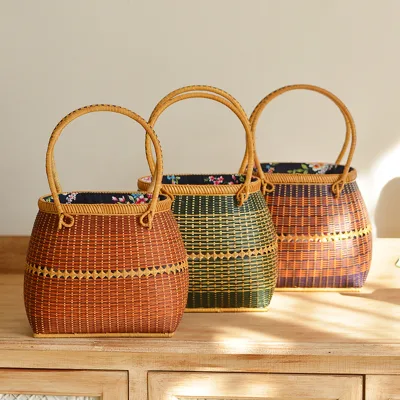
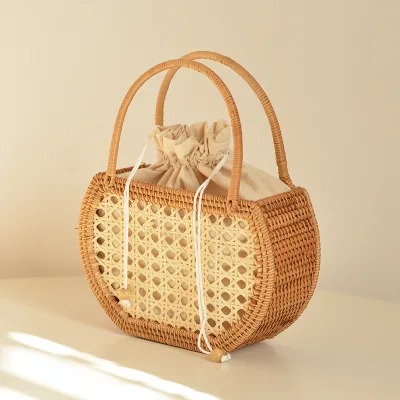
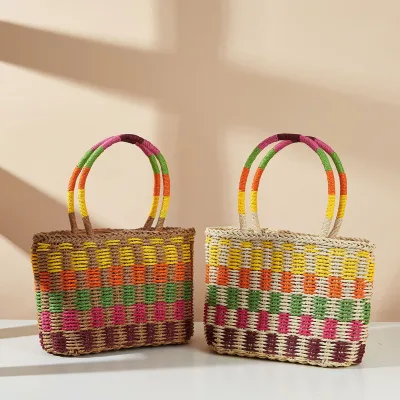
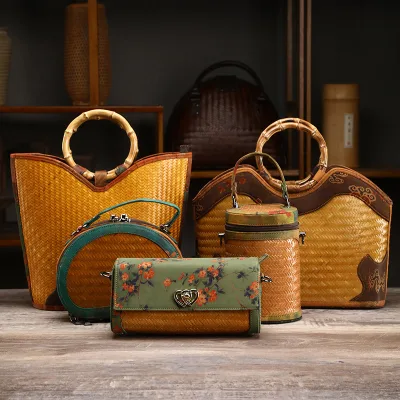


Handmade Women Bamboo Straw Bags Wholesale Ladies Rattan Tote Casual Bamboo Purse Wholesale
$10.00 - $20.00
MOQ: 300 Pieces

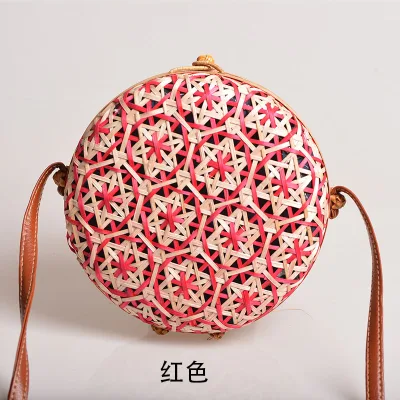
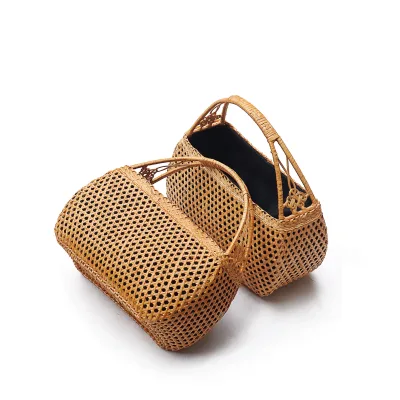
Europe and America Style Bamboo Woven Women Beach Hand Tote Bag Bamboo Wrap Hoop Rattan Tote Bag
$10.00 - $20.00
MOQ: 300 Pieces

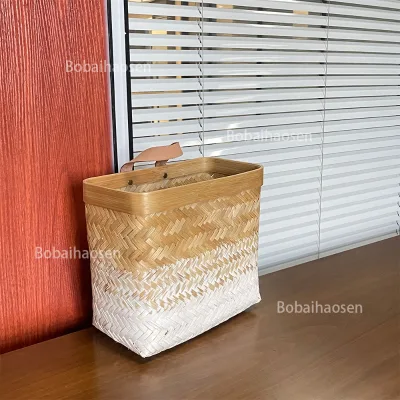
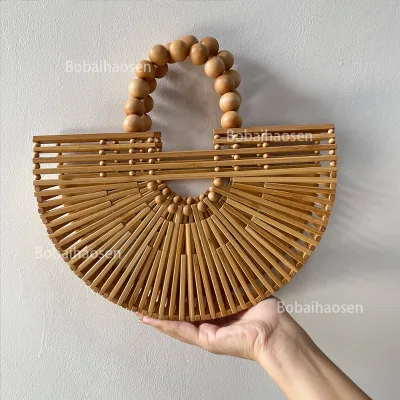
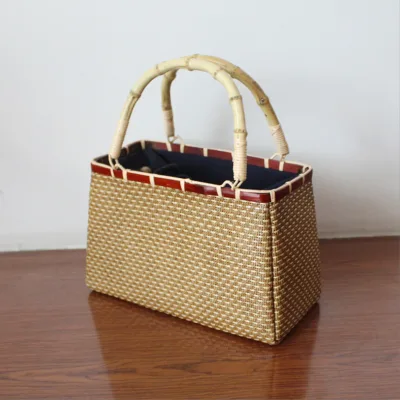
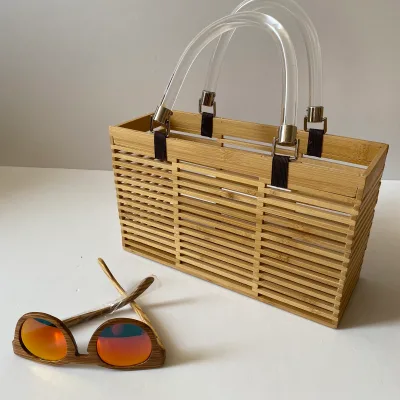


Comprehensive Sourcing Guide
Vietnam Bamboo Bags Sourcing Guide
Sourcing bamboo bags from Vietnam requires a nuanced understanding of regional manufacturing capabilities, supply chain dynamics, and material quality standards. While the provided data highlights suppliers primarily located in Guangdong and Shandong, China, buyers targeting Vietnam must verify local production capacities and export readiness. Vietnamese manufacturers often specialize in eco-friendly textiles and woven goods, leveraging abundant natural resources and skilled labor. However, procurement teams must distinguish between domestic Vietnamese production and goods sourced from neighboring regions, ensuring that origin claims align with trade agreements and sustainability certifications.
Buyers should initiate contact with suppliers who demonstrate transparent supply chains and verifiable factory audits. The global demand for sustainable packaging and fashion accessories has intensified competition, making it essential to evaluate suppliers based on their environmental commitments and production ethics. Understanding the specific bamboo species used, such as Moso or common bamboo, is critical for determining durability and aesthetic appeal. Additionally, assessing the supplier’s ability to handle custom orders, including logo printing and unique weaving patterns, ensures that the final product meets brand-specific requirements and market expectations.
Product Scope and Observed Listing Signals
The current market landscape for bamboo bags reveals a diverse range of product types, from casual beach totes to structured handbags. Observed listings indicate a strong emphasis on customization, with many suppliers offering silk-screen printing and various fabric combinations. Materials frequently cited include canvas, nonwoven polyester, and pure bamboo fibers, often blended with cotton for enhanced comfort and durability. Buyers should note that while some products feature straw or other natural fibers, the core appeal lies in the sustainable nature of bamboo, which is prized for its rapid renewability and biodegradability.
Listing signals also highlight significant variability in product attributes, such as size, color, and decorative elements. Common features include portable designs, customizable colors, and specific weaving techniques like hand weaving. Some products are marketed with additional embellishments, such as diamond decorations, catering to fashion-forward segments. However, buyers must carefully review product descriptions to confirm material composition, as terms like "bamboo" may sometimes refer to bamboo-derived viscose or blended fabrics rather than solid bamboo strips. Verifying the exact material composition is crucial for accurate cost estimation and compliance with environmental claims.
Technical Specifications to Verify
Technical verification begins with confirming the physical dimensions and weight of the bags, as these factors directly impact shipping costs and storage efficiency. Standard sizes observed range from small totes measuring approximately 20-30 cm to larger beach bags with dimensions around 50x35x20 cm. Buyers should request detailed single package size and gross weight data to optimize logistics planning. Additionally, verifying the thickness and weave density of the bamboo material is essential to ensure the bag can withstand daily use without fraying or losing structural integrity.
Printing and decoration methods also require close scrutiny, as they affect both aesthetics and durability. Silk-screen printing is a common technique, but buyers should inquire about ink types, particularly whether they are AZO-free, to meet safety standards for items that may come into contact with skin. Customization options, such as logo placement and color matching, should be confirmed with sample approvals before mass production. Furthermore, verifying the quality of handles and closures, whether they are made from cotton, canvas, or other materials, ensures that the bag meets functional expectations and user comfort standards.
Compliance and Safety Documentation
Compliance with international safety and environmental standards is paramount when sourcing bamboo bags, especially for markets with strict regulatory requirements. Buyers must request documentation confirming that materials are free from harmful substances, such as AZO dyes, and that production processes adhere to recognized environmental management systems. While specific certification statuses may vary by supplier, buyers should prioritize those who can provide test reports from accredited laboratories verifying the absence of heavy metals, formaldehyde, and other hazardous chemicals.
Additionally, compliance with labor standards and ethical sourcing practices is increasingly important for brand reputation and risk management. Buyers should verify that suppliers comply with local labor laws and international standards for fair wages and safe working conditions. Documentation such as social compliance audits or membership in industry associations can provide assurance of ethical manufacturing practices. For products marketed as eco-friendly, buyers should also seek evidence of sustainable sourcing, such as FSC certification for bamboo materials, to substantiate environmental claims and avoid greenwashing allegations.
Cost Drivers and Commercial Terms
Cost structures for bamboo bags are influenced by several key factors, including material quality, customization complexity, and order volume. Observed price ranges vary significantly, reflecting differences in material composition and production methods. Buyers should anticipate higher costs for fully customized designs, intricate weaving patterns, and premium materials like pure bamboo or high-grade canvas. Minimum order quantities (MOQs) also play a crucial role in pricing, with larger orders typically benefiting from economies of scale, reducing the per-unit cost.
Commercial terms, such as payment methods, lead times, and shipping arrangements, must be clearly defined to avoid unexpected expenses. Buyers should negotiate favorable terms for sample orders and bulk production, ensuring that quality checks are conducted before final payment. Shipping costs can be substantial, particularly for larger bags, so optimizing packaging dimensions and selecting efficient logistics partners is essential. Additionally, buyers should consider the total landed cost, including tariffs and duties, when evaluating supplier quotes, especially when sourcing from regions with specific trade agreements or restrictions.
Supplier Qualification and Quality Control
Supplier qualification involves a rigorous assessment of manufacturing capabilities, quality control processes, and financial stability. Buyers should conduct on-site or virtual factory audits to verify production capacity, equipment modernity, and adherence to quality standards. Key indicators of a reliable supplier include consistent product quality, timely delivery, and responsive customer service. Suppliers with a track record of exporting to international markets are often better equipped to handle complex orders and comply with diverse regulatory requirements.
Quality control measures should be integrated throughout the production process, from raw material inspection to final product packaging. Buyers should establish clear quality benchmarks and request pre-shipment inspections to ensure that products meet specified standards. Implementing a robust quality assurance protocol, including random sampling and defect rate monitoring, helps minimize the risk of receiving substandard goods. Additionally, maintaining open communication with suppliers regarding quality issues and feedback fosters continuous improvement and strengthens the business relationship over time.
Long-Term Procurement Checks
Long-term procurement success depends on continuous monitoring of supplier performance and market trends. Buyers should regularly review supplier metrics, such as on-time delivery rates, defect rates, and responsiveness to issues, to identify potential risks and areas for improvement. Building a diversified supplier base can mitigate risks associated with single-source dependencies, ensuring business continuity in the event of supply chain disruptions. Additionally, staying informed about changes in material costs, labor regulations, and trade policies helps buyers anticipate and adapt to market shifts.
Sustainability and innovation are critical drivers of long-term competitiveness in the bamboo bag market. Buyers should encourage suppliers to invest in eco-friendly technologies and sustainable sourcing practices to meet evolving consumer demands and regulatory requirements. Collaborating with suppliers on product development can lead to innovative designs and improved functionality, enhancing brand value and customer satisfaction. By fostering strong, transparent relationships with suppliers, buyers can secure a reliable supply of high-quality bamboo bags that align with their brand values and market objectives.
FAQs
What materials are used for these bags?
The bags are crafted from cotton, canvas, nonwoven polyester fabric, and bamboo. Some styles also incorporate straw as the main material with a polyester lining. These durable options ensure versatility for daily use or fashion applications while maintaining structural integrity.
Can I customize the printing on the bags?
Yes, customized printing is available using silk-screen methods. You can select from various colors including black, pink, gold, red, and navy blue. The printing material is AZO free, ensuring safety and compliance with standard textile regulations for branded merchandise.
What is the minimum order quantity for production?
The minimum order quantity ranges from 2 to 1000 units depending on the specific product style and customization requirements. Buyers should verify the exact MOQ for their selected model, as small items may have lower thresholds compared to larger fashion handbags.
Where are these bags manufactured?
These bags originate from Guangdong and Shandong provinces in China. The manufacturing facilities specialize in sewing bamboo drawstring bags and handmade fashion items. Buyers can expect consistent quality control with 100% checked products before dispatch from designated ports.
What sizes are available for the bags?
Sizes range from small dimensions of 20-30cm to larger customized options. Single package sizes vary, with some items measuring 30x30x3 cm and others up to 50x35x20 cm. Custom sizing is available to meet specific branding or utility needs.
How is the packaging handled for shipments?
Packaging is customizable and typically includes carton boxes or palletizing. The standard prod_packing method ensures safe transit for fragile or structured items. Buyers can request specific packaging details to align with their retail presentation or logistics requirements for bulk orders.