Source Viking Ring for Wedding, Gift, and Daily Wear
Compare 30 Viking Ring listings featuring stainless steel and titanium options with sizes ranging from 7 to 15. Buyers can evaluate styles like vintage and trendy designs, customization services, and hypoallergenic properties for various uses.
Key considerations
Products List








Comprehensive Sourcing Guide
Strategic Sourcing Guide for Viking-Style Rings
Understanding the Viking Ring Product Category and Design Language
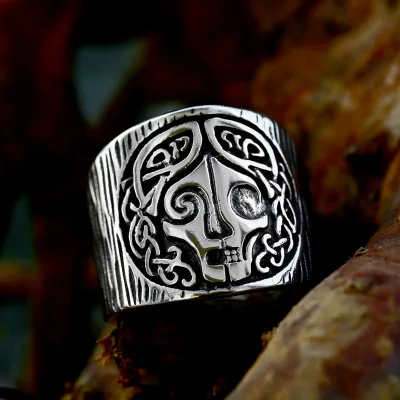
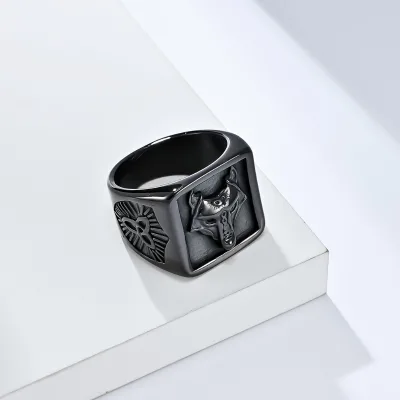
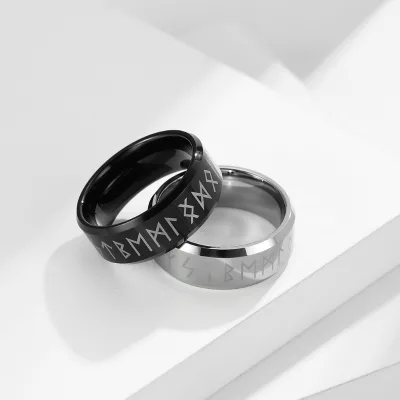
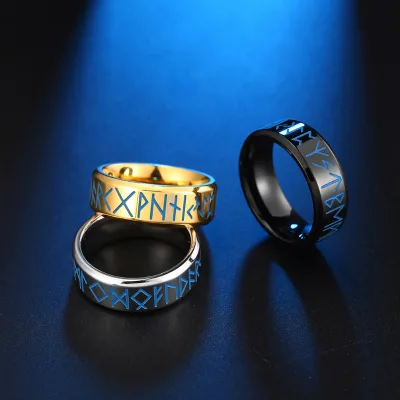
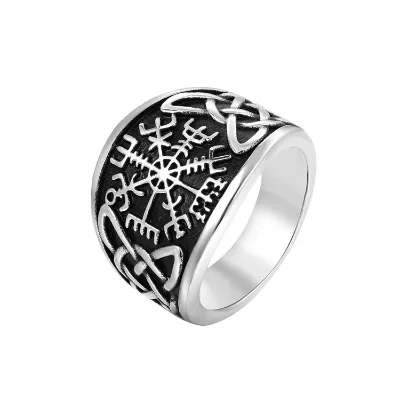
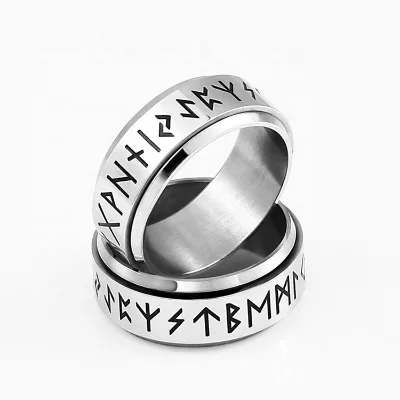
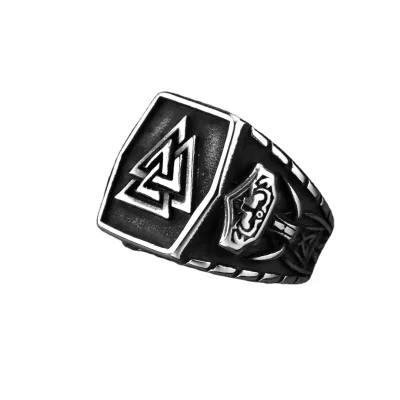
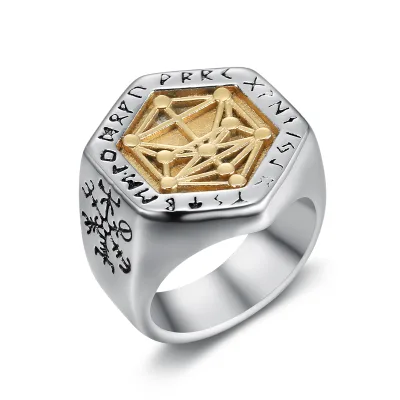
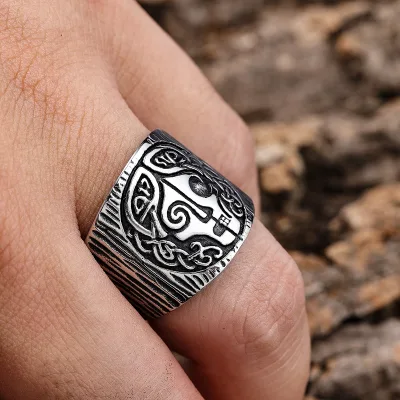
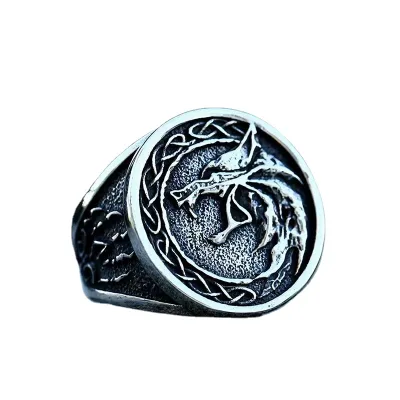
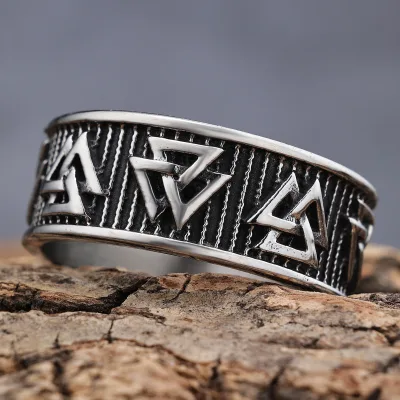
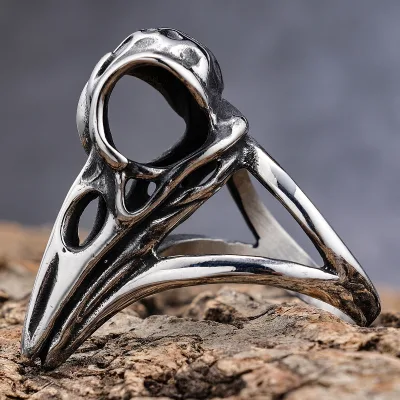
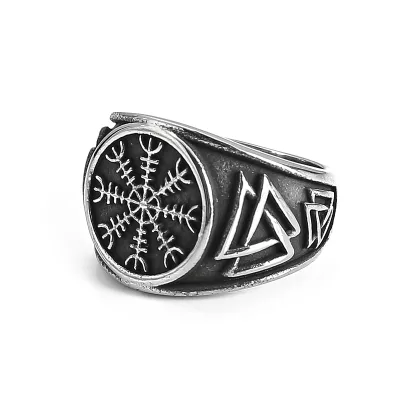
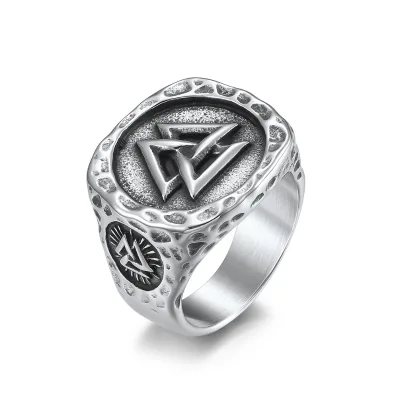
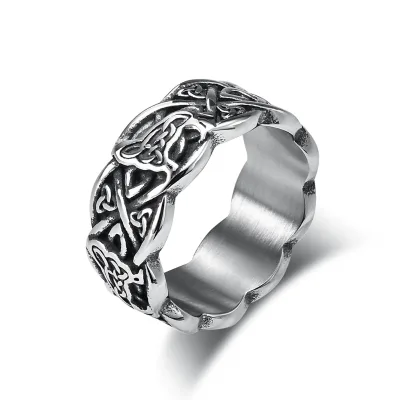
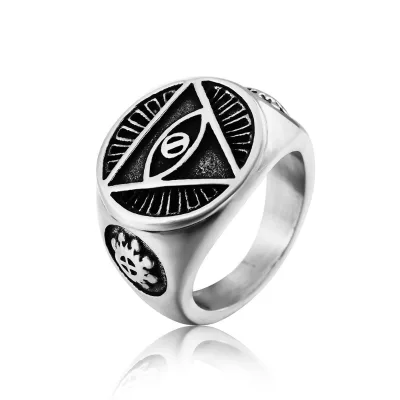
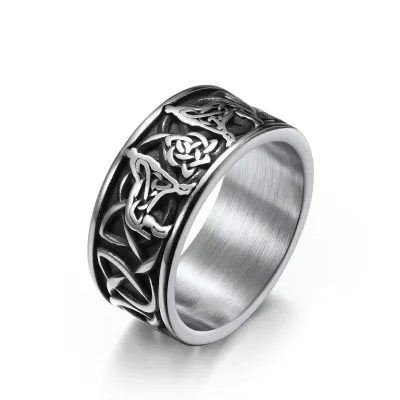
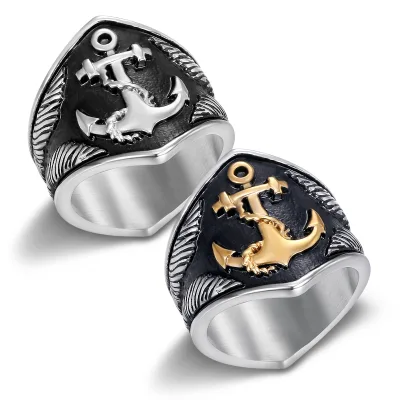
The term "Viking Ring" in the B2B procurement context refers to a specific aesthetic and functional subset of jewelry characterized by bold, historical, or rugged design elements. Based on observed product attributes, these items are frequently categorized under "Design: Viking" alongside "Design: Classic" and "Design: TRENDY." The visual language often involves intricate detailing, such as "Inlaid Ring" or "Prime Ring" configurations, which may feature "Laser Logo or Engraved Logo" options to add personalized or brand-specific depth.
When sourcing this category, buyers must recognize that the "Viking" designation is a stylistic attribute rather than a strict historical standard. The product pool includes variations in "Design: Ring" and "Design: Vintage," suggesting a broad market interpretation of the style. The "Shape" is predominantly "Round," aligning with traditional band structures, while the "Style" is often marketed as "Fashion" or "Classic." The "Gender" classification varies significantly in the market; while some listings specify "Male," others are categorized as "Unisex," indicating that procurement strategies should account for a diverse customer base. The "Usage" scenarios are broad, covering "Wedding," "Decoration," "Gift," "Daily Wear," "Casual," and "Business" contexts, which necessitates a flexible sourcing approach that can accommodate both ceremonial and everyday wear requirements.
Technical Specifications and Material Composition
Material selection is the primary technical differentiator in the Viking Ring market. The supplied data indicates a strong prevalence of "Stainless Steel" as the base material, often highlighted with specific features such as "Purity Over 90%" and "Scratch-Resistant" properties. This material choice is critical for durability, especially given the "Wear Scenario" of "Daily Wear" and "Business" environments where rings are subjected to frequent contact. The "Material Feature" also explicitly notes "Nickel-Free" and "Hypoallergenic" qualities, which are essential for maintaining skin compatibility across a wide demographic.
In addition to stainless steel, "Titanium" is identified as a viable material option, offering a lighter weight alternative with high strength. The "Surface Treatment" process is another critical technical specification. "Mirror Polishing" is a common finish, described as providing "Long-Lasting Shine" and "Anti-Tarnish" capabilities. The "Fabrication Processing" methods include "Electroplating" and general "Polishing," which contribute to the final aesthetic and tactile feel of the product. The "Craft" is noted as "High Polishing," ensuring a refined surface that meets modern fashion standards.
Size specifications vary across the product range, with "Ring Size" listings ranging from 7 to 15. Specific data points show sizes 7, 8, 9, 10, 11, 12, 13, 14, and 15 are available in certain lines, while others are limited to 7 through 13. The "Customization Service" section confirms that "Size Adjustment" is typically available for "5-13 Us Sizes," providing flexibility for bulk orders targeting specific demographics. Buyers should verify the exact size range of the specific supplier before committing to a large order, as the "prod_model" codes (e.g., TR0438, HS-A74) often dictate the available size inventory.
Compliance, Testing, and Safety Standards
Safety and compliance are paramount when sourcing jewelry intended for direct skin contact. The observed product attributes explicitly mention "Lead-Free and Nickle-Free" testing results. This is a critical compliance checkpoint for international markets, particularly the European Union and the United States, where regulations regarding heavy metals in jewelry are strict. The "Skin-Friendly Property" is further reinforced by the "Hypoallergenic" claim, which is essential for products marketed to sensitive skin populations.
While specific certification bodies are not listed in the provided facts, the presence of "Testing" attributes suggests that reputable suppliers should be able to provide third-party laboratory reports verifying the absence of lead and nickel. Buyers must verify that the "prod_standard" (e.g., TR0438) aligns with the regulatory requirements of their target market. The "Material Feature" of "Stainless Steel (Purity Over 90%)" implies a need for material composition verification to ensure the stated purity levels are met.
Furthermore, the "Surface Treatment" of "Mirror Polishing" and "Anti-Tarnish" properties should be backed by performance data. Buyers should request evidence that the electroplating or polishing processes do not introduce harmful residues. The "Customization" aspect, which includes "Engraving," must also be checked to ensure that the laser or engraving process does not compromise the hypoallergenic nature of the base material.
Cost Drivers and Pricing Dynamics
The pricing structure for Viking rings is influenced by several variables, including material type, processing complexity, and customization levels. The observed price range spans from $0.10 to $400 USD, indicating a vast disparity between entry-level fashion pieces and high-end, customized, or premium material items. This wide range suggests that cost drivers are not uniform across the category.
The "Material" is a primary cost driver; Titanium rings may command a different price point compared to stainless steel variants, depending on the alloy quality and processing costs. The "Process" also plays a significant role; "Electroplating" and "High Polishing" add labor and material costs compared to basic finishing. The "Customization Service" is another major factor. Options such as "Engraving" and "Laser Logo" application increase the unit cost and may affect the Minimum Order Quantity (MOQ).
The "MOQ" range observed is from 1 to 4700 units, highlighting the flexibility of the market. Suppliers with lower MOQs may charge a higher unit price due to the overhead of handling smaller batches, while high-volume orders can leverage economies of scale. The "Single Gross Weight" of 5g is a baseline metric that can be used to estimate shipping costs, which is a significant component of the total landed cost for international procurement. Buyers should analyze the total cost of ownership, including shipping, duties, and potential rework costs for customization errors, rather than focusing solely on the unit price.
Supplier Evaluation and Operational Capabilities
Evaluating suppliers for Viking rings requires a focus on their operational capabilities, specifically regarding customization and quality control. The "Customization" attribute is listed as "Available" across multiple product lines, indicating that many suppliers are equipped to handle bespoke requests. The "Sample" availability is a key indicator of supplier readiness; "Free Sample" and "Fast Delivery Within One Day" suggest a responsive supply chain capable of rapid prototyping.
The "prod_origin" is consistently listed as "China," with specific mentions of "Guangdong, China" as a production hub. This region is known for its robust manufacturing infrastructure in the jewelry sector. However, buyers should verify the specific factory capabilities beyond the general location. The "prod_packing" varies between "PP Bag" and "OPP Bag/Box," which reflects different levels of packaging sophistication. Premium suppliers often offer boxed packaging for retail-ready products, while basic suppliers may use simple bags.
The "Standard" and "Model" codes (e.g., TR0438, HS-A74) serve as identifiers for specific product lines. Buyers should ensure that the supplier can consistently reproduce these models with the same quality. The "Design" attributes, such as "Viking," "Classic," and "TRENDY," should be matched against the supplier's portfolio to ensure they have the specific design expertise required. A supplier that specializes in "Vintage" designs may be better suited for a specific Viking aesthetic than one focused solely on "Fashion" trends.
Quality Control and Long-Term Procurement Strategy
Implementing a robust quality control (QC) strategy is essential for maintaining brand integrity when sourcing Viking rings. The "Surface Treatment" of "Mirror Polishing" and "Anti-Tarnish" claims must be verified through visual inspection and, if possible, accelerated aging tests. The "Scratch-Resistant" feature of the stainless steel material should be tested to ensure it meets the durability expectations for "Daily Wear" and "Business" scenarios.
For long-term procurement, consistency in "Ring Size" and "Color" is critical. The "Color" attributes range from standard "Silver" and "Gold" to specific codes like "10811" or "Z01811." Buyers must establish clear color standards to prevent batch-to-batch variation. The "Customization Service" of "Size Adjustment" requires precise measurement protocols to ensure that the final product fits the intended wearer.
The "Wear Scenario" of "Gift-Giving" implies that the packaging and presentation are as important as the ring itself. The "prod_packing" options should be evaluated for their ability to protect the product during transit and enhance the unboxing experience. Suppliers offering "OPP Bag/Box" may provide better protection than those using only "PP Bag."
Finally, buyers should consider the "Lead Time" and "Delivery" capabilities. While "Fast Delivery Within One Day" is noted for samples, bulk lead times are not specified in the provided data. Buyers must negotiate clear timelines for production and shipping to avoid stockouts. The "Single Gross Weight" of 5g is a useful metric for logistics planning, but the total weight of the shipment will depend on the order quantity and packaging density. By focusing on these technical and operational details, buyers can build a resilient supply chain for Viking-style rings that meets both quality and commercial objectives.
Comparative Analysis of Key Product Attributes
| Attribute Category | Common Observation | Procurement Verification Point |
|---|---|---|
| Material | Stainless Steel (Purity >90%), Titanium | Request material composition certificates; verify alloy grade. |
| Surface Finish | Mirror Polishing, Electroplating | Inspect for uniformity; test for tarnish resistance over time. |
| Safety | Lead-Free, Nickel-Free, Hypoallergenic | Require third-party lab reports for heavy metal content. |
| Sizing | 7# to 15# (Varies by model) | Confirm specific size range for the target model (e.g., TR0438). |
| Customization | Engraving, Laser Logo, Size Adjustment | Define limits on engraving depth and logo placement. |
| Packaging | PP Bag, OPP Bag/Box | Select packaging based on end-user retail requirements. |
| Origin | China (Guangdong) | Verify factory audit status and export compliance. |
This table summarizes the critical data points derived from the product observations. It serves as a checklist for buyers to ensure that all technical and operational requirements are met before finalizing a supplier agreement. By adhering to these verification points, procurement teams can mitigate risks associated with material quality, safety compliance, and product consistency in the Viking Ring market.
FAQs
What materials are used for viking rings?
Stainless steel and titanium are the primary materials used for viking rings. Stainless steel often features over 90% purity and scratch-resistant properties, while titanium offers a lightweight alternative suitable for daily wear and business scenarios.
Which ring sizes are available for viking rings?
Ring sizes typically range from 7 to 15, with specific models supporting adjustments between 5 and 13 US sizes. Buyers should verify the exact size range for specific product models like TR0438 or HS-A74 before placing bulk orders.
Can viking rings be customized with logos?
Yes, customization services including laser logos and engraved logos are available for viking rings. Suppliers also offer size adjustments and engraving options, allowing buyers to personalize the design for gifts or specific branding needs.
How are viking rings tested for safety?
Viking rings undergo testing to ensure they are lead-free and nickel-free for sensitive skin. These hypoallergenic properties are critical for compliance with international safety standards and ensure the rings are safe for direct skin contact during daily wear.
What is the typical MOQ for viking rings?
The minimum order quantity for viking rings ranges from 1 to 4700 units depending on the supplier. Lower MOQs may result in higher unit prices, while larger orders leverage economies of scale to reduce the overall cost per piece.
Where are viking rings manufactured?
Viking rings are manufactured in China, with specific production hubs located in Guangdong. Buyers should verify factory capabilities and export compliance, as the origin location influences shipping logistics and potential lead times for bulk orders.