Source Vintage Alloy Imitation Pearl Necklace and Earrings Set for Wedding, Party, Gift
Compare 30 listings for the Vintage Alloy Imitation Pearl Necklace and Earrings Set from verified suppliers in Zhejiang. Options include customizable designs, various plating colors, and eco-friendly materials suitable for weddings, parties, and gifts.
Key considerations
Products List


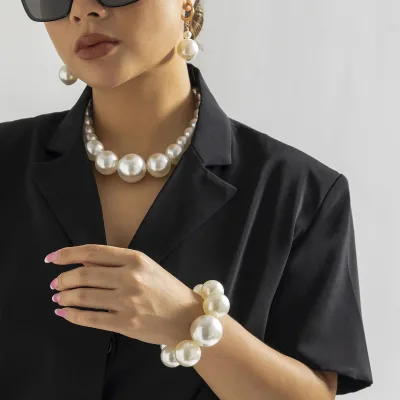
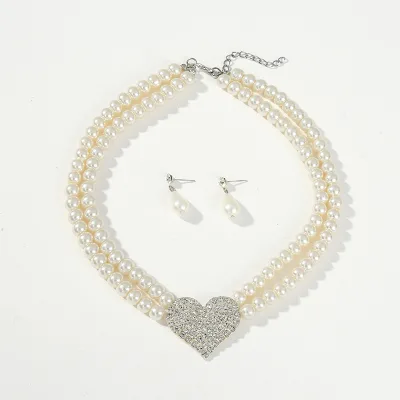
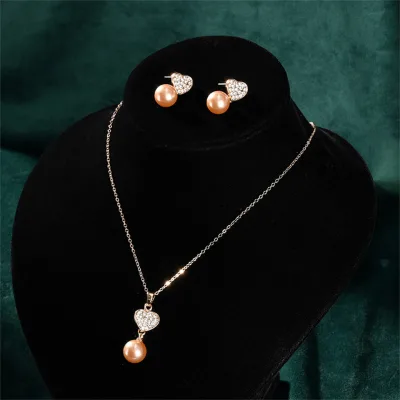


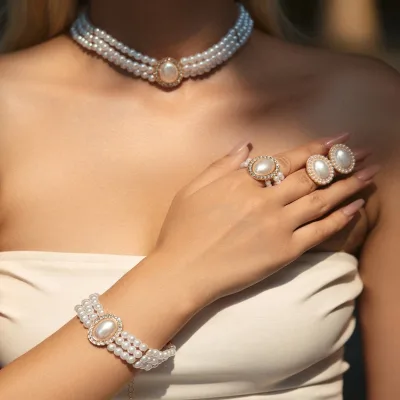



Comprehensive Sourcing Guide
Strategic Sourcing Guide for Vintage Alloy Imitation Pearl Jewelry Sets
Understanding Product Specifications and Material Composition
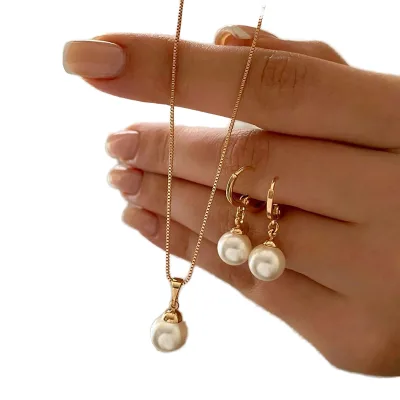
When sourcing a Vintage Alloy Imitation Pearl Necklace and Earrings Set, the primary objective is to align the physical attributes of the product with the intended aesthetic and functional requirements. Based on the available market data, these sets are predominantly constructed from metal alloys, which serve as the foundational structure for the jewelry. The specific alloy composition is critical, as it determines the weight, durability, and plating quality. Buyers should expect the base material to be a metal alloy, often plated in gold or silver finishes to achieve the desired vintage luster. The "vintage" aesthetic is frequently achieved through specific design elements, such as bead chain types or intricate settings that mimic antique craftsmanship.
The weight of these items varies significantly across different listings, ranging from lightweight pieces weighing approximately 16 grams to heavier sets reaching up to 140 grams. This variance suggests that the "vintage" style is not a monolithic category but encompasses both delicate, everyday wear items and substantial, statement pieces. For instance, a set weighing 80 grams likely offers a more robust feel compared to a 16-gram counterpart. The imitation pearls themselves are a key component, often described as being made from materials designed to replicate the luster of natural pearls without the associated cost or ethical concerns. The color palette is diverse, with options including white, gold color, and silver, allowing buyers to select sets that match specific brand identities or customer preferences.
Dimensional standards are equally important for inventory planning and packaging. Standard necklace lengths are often cited as 45+5 cm, providing an adjustable fit that accommodates various neck sizes. Earring dimensions are typically standardized around 4x4 cm, ensuring a balanced proportion for the wearer. The shape of the jewelry is generally described as "as picture," indicating that the final product will match the visual representation provided by the supplier, though buyers must verify that the physical sample matches the digital listing precisely. The packaging is usually minimalistic, with items often shipped in OPP bags, though some suppliers offer PE polybags, paper cards, or gift boxes depending on the order volume and customization level.
Compliance, Certification, and Safety Standards
In the B2B jewelry sector, compliance is not merely a formality but a critical barrier to entry for international markets. The vintage alloy imitation pearl sets sourced from regions like Zhejiang, China, must adhere to rigorous safety standards to ensure they are safe for human contact, particularly for sensitive skin. The most prominent certifications observed in the market data include SGS, BV, and Intertek. These third-party organizations provide essential testing for heavy metals and chemical composition, which is vital for products intended for export to Europe, North America, and Russia.
A crucial aspect of compliance for this product category is the "Eco-Friendly" designation. Buyers must verify that the jewelry is free from lead, nickel, and cadmium. These heavy metals are common concerns in alloy jewelry and can cause allergic reactions or pose health risks if they leach from the plating. The presence of certifications such as BSCI (Business Social Compliance Initiative) alongside SGS and BV indicates that the supplier adheres to social and ethical standards in addition to product safety. This is particularly relevant for brands targeting Western markets where consumer awareness of supply chain ethics is high.
The quality standard referenced in the market data is the "US Standard," which implies adherence to specific American regulatory frameworks regarding jewelry safety. However, buyers should not assume that a single certification covers all regulatory requirements. Different markets have distinct regulations; for example, California's Proposition 65 has specific limits on lead and cadmium that may differ from general US standards. Therefore, while the presence of SGS or Intertek reports is a strong indicator of quality, buyers must request specific test reports that address the regulations of their target destination. The "Quality Standard" should be explicitly defined in the contract to ensure that the supplier understands the exact compliance thresholds required.
Cost Drivers and Pricing Dynamics
The pricing of vintage alloy imitation pearl sets is influenced by a complex interplay of material costs, labor, customization, and order volume. The observed price range in the market spans from $0.28 to $25.99, a wide disparity that reflects differences in material quality, design complexity, and order quantity. The lower end of the spectrum typically corresponds to simpler designs with minimal plating thickness and standard packaging, often produced in high volumes. Conversely, the higher price points are associated with more intricate vintage designs, thicker plating, custom packaging, and lower order quantities.
Material costs are a primary driver. The use of copper or specific metal alloys affects the base price, as does the quality of the imitation pearls. Sets featuring higher-quality pearls with better luster and durability will command a premium. Additionally, the plating process, whether gold or silver, adds significant cost. The thickness of the plating is a critical factor; a thicker plating layer increases the cost but also enhances the longevity and resistance to tarnishing, which is a key selling point for vintage-style jewelry.
Customization is another major cost variable. The market data indicates that customization is available, including OEM and ODM services. Buyers requesting custom designs, specific color variations, or unique packaging solutions will incur higher costs due to the setup fees and the need for specialized tooling. The MOQ (Minimum Order Quantity) also plays a significant role in pricing. The observed MOQ range is 1 to 3200 units. Smaller orders, such as those near the 1-unit threshold, will naturally carry a higher per-unit cost due to the lack of economies of scale. Larger orders, approaching the 3200-unit mark, benefit from bulk material purchasing and streamlined production lines, resulting in a lower unit price.
Typical Applications and Market Segmentation
The versatility of vintage alloy imitation pearl sets makes them suitable for a wide array of applications and market segments. The primary usage categories identified include decoration, religious purposes, and gifting. These sets are frequently marketed for special occasions such as weddings, engagements, parties, and anniversaries. The "vintage" aesthetic appeals to consumers looking for timeless elegance, making these items popular for bridal parties, bridesmaids, and formal events.
The target demographic is predominantly female, including girls and women. The specific applications extend beyond personal wear to include promotional gifts and corporate souvenirs. The "Gift" category is particularly robust, with these sets often packaged in gift boxes to enhance their perceived value. The "Religious" usage suggests that these items may also be used in ceremonial contexts, where the symbolism of pearls and the durability of the alloy are valued.
Market analysis indicates a strong demand in Europe, North America, and Russia. These regions have established markets for fashion jewelry and are increasingly conscious of ethical sourcing and product safety. The "Simple" and "Fashion" styles observed in the data suggest that these sets are designed to be versatile accessories that can be worn daily or for special events. The "Trendy" and "Vintage" styles cater to different consumer preferences, allowing buyers to diversify their inventory to meet various fashion cycles.
Supplier Evaluation and Verification Protocols
Selecting the right supplier for vintage alloy imitation pearl sets requires a rigorous evaluation process that goes beyond price comparison. Buyers should prioritize suppliers who demonstrate transparency in their manufacturing processes and provide verifiable documentation. The location of the supplier, specifically Zhejiang, China, is a significant hub for jewelry manufacturing, offering access to a robust supply chain and skilled labor. However, the proximity to the manufacturing hub should not be the sole criterion for selection.
Key evaluation factors include the supplier's ability to provide samples that match the "as picture" specifications. Buyers must verify that the physical sample's weight, color, and plating quality align with the product description. The presence of certifications like SGS, BV, and Intertek should be confirmed through direct communication, and buyers should request copies of recent test reports. The supplier's willingness to accept OEM and ODM orders indicates flexibility and a capacity for customization, which is essential for brands looking to differentiate their products.
The shipping methods offered, such as DHL, UPS, and TNT, are critical for logistics planning. Buyers should evaluate the supplier's experience with these carriers to ensure reliable delivery times. Additionally, the packaging standards, whether OPP bags or gift boxes, should be assessed for their ability to protect the jewelry during transit. A supplier that offers high-quality packaging demonstrates a commitment to product presentation and customer satisfaction.
Quality Control and Long-Term Procurement Strategy
Implementing a robust quality control (QC) strategy is essential for maintaining brand reputation and customer satisfaction. Given the variability in weight and material quality, buyers should establish clear QC checkpoints before shipment. This includes verifying the weight of the jewelry, checking the plating for uniformity and thickness, and ensuring that the imitation pearls are securely set. The "Eco-Friendly" claims regarding lead, nickel, and cadmium must be validated through independent testing, as these are common failure points in alloy jewelry.
For long-term procurement, building a strategic partnership with a reliable supplier is more beneficial than transactional relationships. Buyers should consider the supplier's capacity to handle fluctuating order volumes, given the wide MOQ range observed. A supplier that can accommodate both small test orders and large bulk orders provides greater flexibility for market testing and scaling. The ability to customize designs and packaging allows buyers to adapt to changing market trends and consumer preferences.
Furthermore, buyers should monitor the supplier's adherence to quality standards over time. Regular audits and quality checks can help identify potential issues before they escalate. The "US Standard" and other cited certifications should be reviewed periodically to ensure continued compliance. By focusing on these long-term considerations, buyers can secure a steady supply of high-quality vintage alloy imitation pearl sets that meet the demands of their target markets while maintaining cost efficiency and brand integrity.
Comparative Analysis of Product Attributes
To facilitate decision-making, the following table summarizes the key attributes observed in the market for vintage alloy imitation pearl sets. This comparison highlights the variations in specifications that buyers must consider when selecting a product.
| Attribute | Observation 1 | Observation 2 | Observation 3 |
|---|---|---|---|
| Material | Metal Alloy | Copper | Alloy |
| Weight | 16g | 80g | 140g |
| Plating | Gold | Silver | Gold Color |
| Pearl Type | Imitation Pearl | Imitation Pearl | Imitation Pearl |
| Chain Type | Bead | Bead | Bead |
| Standard Length | 45+5 cm | 45+5 cm | As Picture |
| Certifications | SGS, BV, Intertek | BSCI, SGS, BV | SGS, BV, Intertek |
| Packaging | OPP Bag | OPP Bag | Gift Box / PE Bag |
| Origin | Zhejiang, China | Zhejiang, China | Zhejiang, China |
| MOQ Range | 1 - 3200 | 1 - 3200 | 1 - 3200 |
This table illustrates that while the core material and origin remain consistent, the weight, plating, and packaging options vary significantly. Buyers must align these attributes with their specific product requirements and target market expectations. The consistency in certifications and origin suggests a mature supply chain, but the variability in weight and packaging requires careful selection based on the intended use case, whether it be a lightweight daily accessory or a premium gift set.
FAQs
What certifications do these vintage alloy imitation pearl sets have?
These sets typically hold SGS, BV, Intertek, and BSCI certifications. Buyers should verify specific test reports for lead, nickel, and cadmium compliance to ensure safety for sensitive skin in target markets.
How much do these jewelry sets weigh and what are the dimensions?
Weights vary from 16 grams to 140 grams depending on the design. Standard necklace lengths are 45+5 cm adjustable, while earrings usually measure 4x4 cm to ensure balanced proportions for the wearer.
Can I customize the design and packaging for this vintage set?
Yes, customization is available including OEM and ODM services. Suppliers offer options for specific colors, plating, and packaging types like OPP bags or gift boxes to match brand identity.
Which materials are used to construct these vintage imitation pearl sets?
The sets are primarily made from metal alloys or copper with imitation pearls. They are often plated in gold or silver finishes and are designed to be eco-friendly and free from harmful heavy metals.
What is the minimum order quantity for sourcing these jewelry sets?
The minimum order quantity ranges from 1 to 3200 units depending on the supplier. Lower MOQs allow for testing designs, while larger orders benefit from bulk material purchasing and streamlined production lines.
Where are these vintage alloy imitation pearl sets manufactured?
These products originate from Zhejiang, China, a major hub for jewelry manufacturing. Buyers can expect access to a robust supply chain and skilled labor in this specific region for production.