Source Vintage Eco Friendly Charger Plate for Hotel, Wedding, Cafe
Find 30 Vintage Eco Friendly Charger Plate options from China. Compare models like EI-1810A239 and 6050401, featuring CE certification, plastic construction, and light luxury retro styles for hotels, weddings, and cafes; compare the available evidence and request quotations based on your requirements.
Updated
Key considerations
Products List





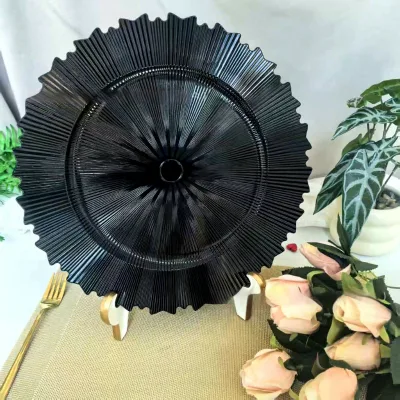
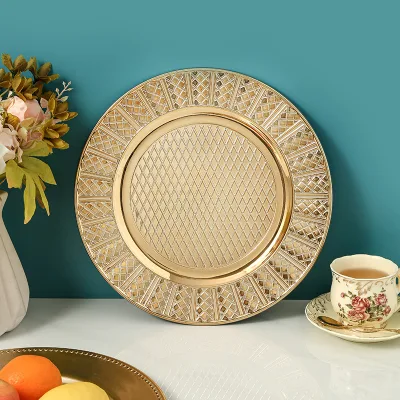



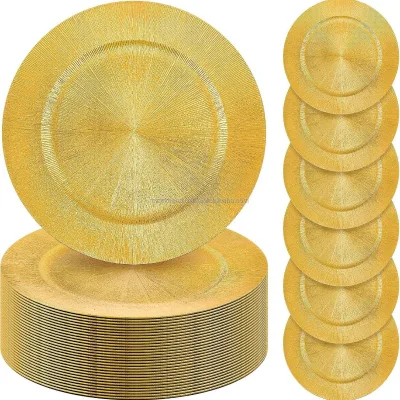
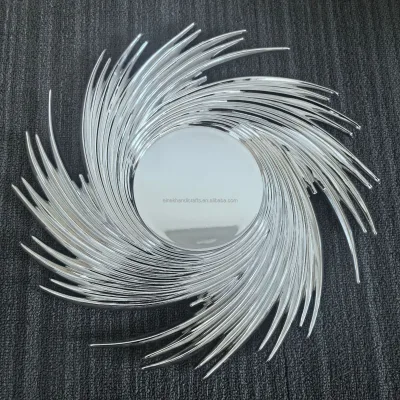
Classic Charger Plates Middle Eastern Inspired Decorative Plate for Wedding Reception
$0.7889 - $0.8713
MOQ: 200 Minimum
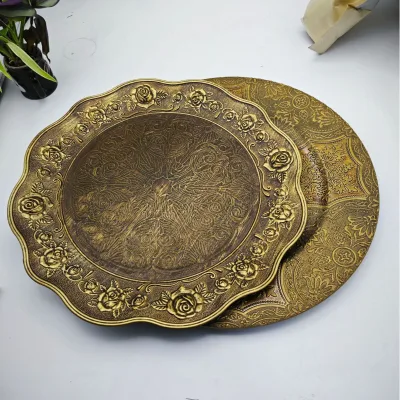



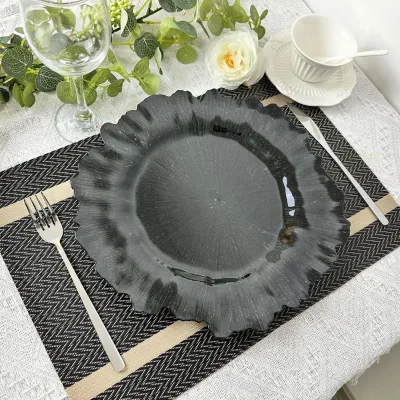


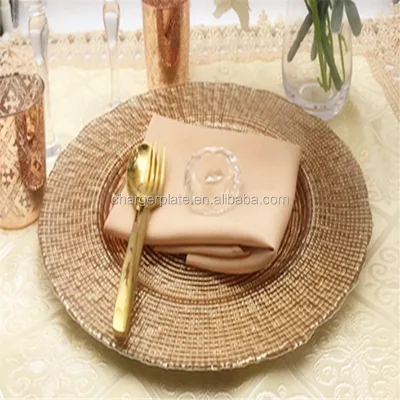
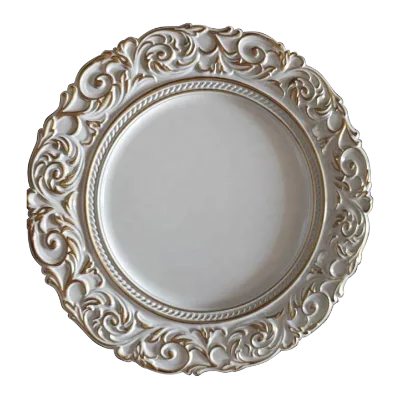
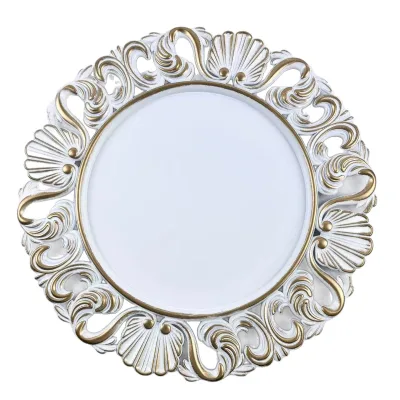
13inch White Plastic Vintage Gold Rim Charger Plates Round Decor Serving Plates
$0.59 - $1.09
MOQ: 100 Pieces



Comprehensive Sourcing Guide
Vintage Eco Friendly Charger Plate Sourcing Guide
Sourcing vintage-style eco-friendly charger plates requires balancing aesthetic authenticity with sustainable material claims. Buyers must navigate a market where "eco-friendly" often refers to recyclable plastics or responsibly sourced materials rather than biodegradable options. The observed product range indicates a strong preference for light luxury retro designs, which are popular in high-end hospitality and event settings. Procurement teams should prioritize suppliers who provide transparent material breakdowns, ensuring that the vintage aesthetic does not compromise environmental standards. This guide helps buyers identify key verification points to ensure the products meet both visual and ethical procurement goals.
The current market offers a diverse array of charger plates, ranging from standard round shapes to specific model numbers like EI-1810A239 and 6050401. These items are frequently marketed for use in hotels, weddings, and Western restaurants, indicating a B2B focus on bulk institutional purchasing. Buyers should note that while many listings claim eco-friendly attributes, the primary material observed is plastic, which requires careful evaluation of its recyclability and non-toxic status. Understanding the specific model variations and their associated packaging dimensions is crucial for logistics planning, as single package sizes vary significantly from 35x35x2.5 cm to larger configurations.
Product Scope and Observed Listing Signals
The observed product scope centers on non-disposable, customizable charger plates designed for repeated use in commercial environments. Key attributes include a light luxury retro style, available in multicolor, clear, red, gold, silver, and black finishes. These plates are categorized under dinnerware types such as steak plates, snack plates, and flat plates, with specific model numbers like 606011 and 6040102 indicating distinct design variations. The presence of customization options allows buyers to tailor orders to specific brand identities or event themes, making these items suitable for corporate catering and large-scale hospitality operations.
Listing signals reveal a strong emphasis on aesthetic details, including plant patterns and European-style vintage designs. The products are typically packed in cartons, with single gross weights ranging from 0.35 kg to 0.400 kg, which impacts shipping cost calculations. Origin data points to China, specifically Fujian, as a primary manufacturing hub for these items. Buyers should verify if the "eco-friendly" claim applies to the entire product lifecycle or just the material composition, as this distinction affects sustainability reporting and corporate social responsibility metrics.
Technical Specifications to Verify
Technical verification must begin with dimensional accuracy, as observed specifications include diameters of 33cm33cm2/ 13 inches and standard sizes. Buyers should confirm the exact single package dimensions, which vary from 35X35X2.5 cm to 40X40X15 cm, to optimize container loading and reduce freight costs. The model numbers, such as EI-1810A240 and EI-1810A150, serve as critical identifiers for quality consistency across production batches. Ensuring that the physical dimensions match the technical drawings provided by the supplier is essential to prevent fitment issues with existing tableware sets.
Material composition is another critical technical parameter, with plastic being the primary material observed. Buyers must verify the type of plastic used, ensuring it meets non-toxic standards for food contact applications. The durability of the material should be assessed through sample testing, particularly for non-disposable items intended for high-turnover environments like hotels and cafes. Additionally, the weight of the plates, typically around 0.35 kg, should be consistent across units to maintain a premium feel and prevent breakage during handling and washing cycles.
Compliance and Safety Documentation
Compliance verification is paramount when sourcing vintage eco-friendly charger plates, particularly regarding food safety and environmental regulations. The observed certification data indicates CE/EU compliance, which is a baseline requirement for selling in European markets. Buyers must request valid test reports to confirm that the plastic materials are free from harmful substances such as BPA or phthalates, especially given the non-toxic claims associated with these products. Documentation should also cover the recyclability of the materials, providing evidence that supports the eco-friendly marketing claims.
Safety documentation must extend beyond material composition to include manufacturing process certifications. Buyers should inquire about the supplier’s quality management systems, ensuring that production adheres to international standards for hygiene and safety. The CE marking alone is not sufficient; buyers need to verify the specific directives under which the certification was issued. Additionally, any claims regarding the eco-friendly nature of the product should be backed by third-party audits or lifecycle assessments to avoid greenwashing allegations in B2B contracts.
Cost Drivers and Commercial Terms
Cost drivers for vintage eco-friendly charger plates include material selection, customization complexity, and packaging requirements. The observed price range of 0.58-4.9 USD reflects variations in design intricacy, color options, and material quality. Buyers should analyze the cost breakdown to understand how much of the price is attributed to the base material versus the aesthetic finishing processes. Customization options, such as specific patterns or branding, may incur additional setup fees, which should be factored into the total cost of ownership for large orders.
Commercial terms are influenced by the minimum order quantity (MOQ), which ranges from 1 to 2000 units. Higher MOQs typically result in lower per-unit costs, making bulk purchasing advantageous for established hospitality businesses. Buyers should negotiate clear terms regarding payment schedules, shipping responsibilities, and return policies for defective items. Understanding the lead times associated with customized orders is also crucial for inventory planning, as production delays can impact event schedules and retail stock levels.
Supplier Qualification and Qualification and Quality Control
Supplier qualification requires a thorough assessment of manufacturing capabilities and quality control processes. Buyers should verify the supplier’s production capacity to ensure they can meet large order volumes without compromising quality. The presence of multiple model numbers and customization options suggests a flexible manufacturing setup, but buyers must confirm that this flexibility does not lead to inconsistent product standards. Requesting references from other B2B clients, particularly in the hospitality sector, can provide insights into the supplier’s reliability and service quality.
Quality control measures should include pre-shipment inspections to verify dimensional accuracy, color consistency, and material integrity. Buyers should establish clear acceptance criteria for defects, such as cracks, warping, or uneven finishes, which are common issues in plastic dinnerware. Implementing a sampling protocol for initial orders allows buyers to assess the supplier’s ability to maintain consistency across batches. Regular audits of the supplier’s quality management system can help identify potential issues early and ensure long-term compliance with procurement standards.
Long-Term Procurement Checks
Long-term procurement success depends on continuous monitoring of supplier performance and market trends. Buyers should track changes in material costs and regulatory requirements that may impact the availability of eco-friendly options. Regular communication with suppliers is essential to stay informed about new designs, such as updated light luxury retro styles, and to negotiate favorable terms for repeat orders. Building a strong relationship with the supplier can lead to better pricing and priority treatment during peak production seasons.
Sustainability metrics should be reviewed periodically to ensure that the eco-friendly claims remain valid and relevant. Buyers should assess the environmental impact of the products throughout their lifecycle, from production to disposal, and adjust procurement strategies accordingly. Monitoring customer feedback on the durability and aesthetic appeal of the charger plates can provide valuable insights for future purchasing decisions. By maintaining a proactive approach to supplier management, buyers can ensure a steady supply of high-quality, sustainable vintage charger plates for their operations.
FAQs
What materials are used for vintage eco friendly charger plates?
These charger plates are primarily constructed from plastic materials. The products are designed to be non-disposable and feature eco-friendly attributes. They are available in various colors including multicolor, clear, red, gold, silver, and black. The material choice supports durability while maintaining a light luxury retro style suitable for diverse dining occasions.
Can vintage eco friendly charger plates be customized for specific orders?
Yes, customization is available for these charger plates. Buyers can request specific model numbers such as EI-1810A239 or 6050401 to meet unique requirements. The customization options allow for tailored solutions in terms of design and specifications. This flexibility ensures that the plates can align with specific brand identities or event themes effectively.
Which certifications do vintage eco friendly charger plates hold?
The vintage eco friendly charger plates hold CE/EU certifications. This indicates compliance with European safety and quality standards. The certifications ensure that the products meet rigorous regulatory requirements for the European market. Buyers can rely on these credentials for assurance of product safety and quality in international trade transactions.
What are the standard specifications for vintage eco friendly charger plates?
Standard specifications include dimensions like 33*2cm or 33cm*33cm*2. The single package size is typically 35X35X2.5 cm or 40X40X15 cm. The gross weight ranges from 0.35 kg to 0.400 kg. These specifications ensure consistent sizing and packaging for efficient logistics and storage, catering to various dining setups and event requirements.
Where are vintage eco friendly charger plates manufactured?
These charger plates are manufactured in Fujian, China. The origin is clearly stated as China for all listed products. This location is a known hub for dinnerware production, offering efficient supply chains. Buyers can expect reliable sourcing from this region, with products ready for global distribution and export to various international markets.
What occasions are suitable for vintage eco friendly charger plates?
These plates are suitable for cafes, camping, hotels, weddings, and Western restaurants. The versatile design fits both casual and formal dining environments. The light luxury retro style enhances table settings for special events. Their durability and aesthetic appeal make them ideal for repeated use in various hospitality and personal dining contexts.