Source Vintage Natural Woven Straw Bag for Travel Shopping
Compare 30 listings for Vintage Natural Woven Straw Bag options featuring custom sizes, logos, and materials like cotton or straw. Buyers can evaluate load-bearing capacity, printing processes, and customization availability from verified suppliers; compare the available evidence and request quotations based on your requirements.
Key considerations
Products List


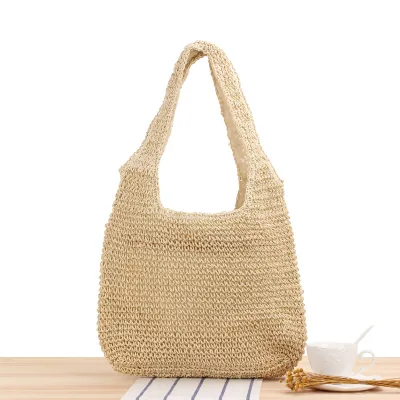
Factory Wholesale Vintage Picnic Basket Bag Women's Tote Bag Woven Straw Bags
$6.60 - $7.00
MOQ: 500 Pieces

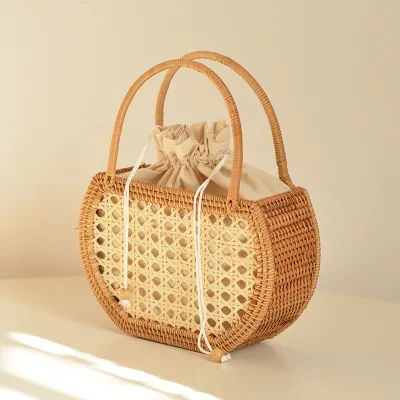

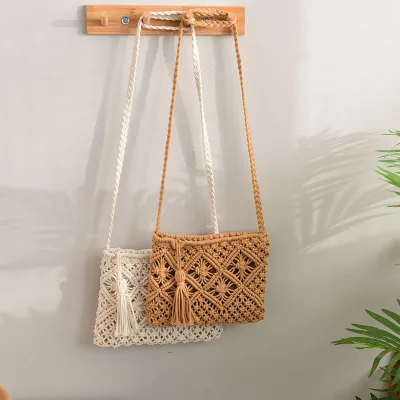


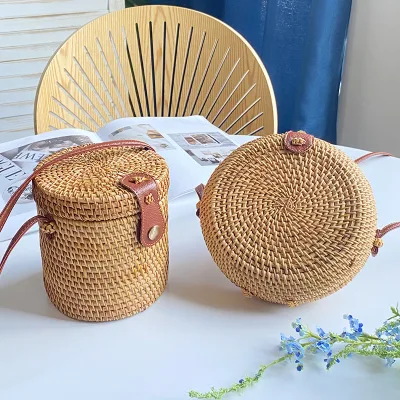
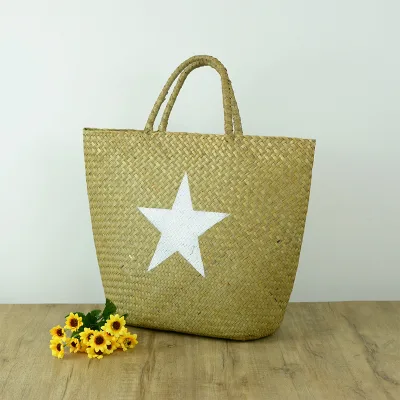



Comprehensive Sourcing Guide
Vintage Natural Woven Straw Bag Sourcing Guide
Sourcing vintage-style natural woven straw bags requires a nuanced understanding of material authenticity and construction techniques that define this specific aesthetic. Buyers must distinguish between genuine handcrafted items and mass-produced imitations that merely mimic the look. The core appeal lies in the tactile quality of the raw straw and the precision of the weaving, which often involves traditional methods rather than purely industrial processes. Understanding these distinctions is critical for maintaining brand integrity and meeting customer expectations for artisanal quality.
Procurement teams should focus on verifying the specific type of straw used, as different varieties offer varying levels of durability and flexibility. The natural coloration and texture are key selling points, so sourcing from suppliers who specialize in untreated or minimally processed materials is advisable. Additionally, buyers need to consider the structural integrity of the weave, ensuring it can withstand regular use without fraying or losing its shape. This attention to detail ensures that the final product aligns with the premium positioning often associated with vintage-inspired accessories.
Product Scope and Observed Listing Signals
The current market landscape for these bags reveals a diverse range of options, with observed price points ranging from $0.60 to $17.20 USD. This wide variance suggests significant differences in material quality, labor intensity, and brand positioning. Buyers should be cautious of listings with extremely low prices, as they may indicate the use of synthetic blends or lower-grade straw that compromises the vintage aesthetic. Conversely, higher-priced items often reflect more complex weaving patterns and superior finishing techniques that justify the cost.
Minimum order quantities (MOQs) vary considerably, with observed ranges from 1 to 1,000 units, indicating flexibility for both small boutique orders and larger retail purchases. Some suppliers offer customization options, including logo printing and size adjustments, which are crucial for private label branding. However, buyers must verify if these customizations affect the lead time or increase the unit cost significantly. Understanding these signals helps in selecting suppliers that align with specific volume requirements and budget constraints.
Technical Specifications to Verify
When evaluating technical specifications, buyers should prioritize the material composition and construction methods. The product attributes indicate that materials can include 100% cotton or straw, with some items featuring multiple interior material options. It is essential to confirm whether the straw is natural or treated, as this impacts the bag's longevity and environmental profile. Additionally, the weaving process, whether hand-knitted or machine-made, significantly influences the final texture and durability of the bag.
Load-bearing capacity is another critical technical factor, with some listings specifying limits between 15-20kg or greater than 10kg. Buyers must ensure that the chosen design can support the intended contents without structural failure. Features such as waterproofing and interior compartments add functionality but may alter the traditional vintage look. Verifying these specifications through sample requests or detailed product datasheets is necessary to avoid discrepancies between marketing claims and actual product performance.
Compliance and Safety Documentation
Compliance with international safety and environmental standards is paramount, especially for products marketed as eco-friendly or natural. Buyers should request documentation that verifies the absence of harmful chemicals in the straw treatment and dyeing processes. While specific certifications are not explicitly listed, understanding the regulatory requirements in target markets is essential for avoiding customs delays or product recalls. This includes checking for compliance with REACH in Europe or similar regulations in other regions.
Additionally, buyers must ensure that any printed logos or graphics adhere to local labeling laws and environmental claims guidelines. Misleading claims about recyclability or biodegradability can lead to legal repercussions and damage brand reputation. It is advisable to work with suppliers who provide transparent information about their manufacturing processes and material sourcing. This transparency not only ensures compliance but also builds trust with environmentally conscious consumers who value authenticity in their purchases.
Cost Drivers and Commercial Terms
Several factors influence the final cost of vintage natural woven straw bags, including material sourcing, labor intensity, and customization requirements. Handmade elements, such as hand-knitting or manual stitching, typically increase production costs due to the time and skill involved. Buyers should analyze the cost breakdown to understand how much of the price is attributed to raw materials versus labor. This analysis helps in negotiating better terms and identifying areas where cost savings might be possible without compromising quality.
Commercial terms, such as payment methods, shipping arrangements, and return policies, also play a significant role in the overall procurement strategy. Buyers should clarify these terms early in the negotiation process to avoid unexpected expenses. For instance, understanding who bears the risk during transit and how defects are handled can prevent financial losses. Additionally, considering the total landed cost, including duties and taxes, provides a more accurate picture of the true expense of importing these goods.
Supplier Qualification and Quality Control
Supplier qualification is a critical step in ensuring consistent quality and reliable delivery. Buyers should assess suppliers based on their production capacity, quality control processes, and past performance. Factories that employ 100% manual inspection, as noted in some product attributes, demonstrate a commitment to quality that can reduce the risk of defects. However, buyers must verify these claims through audits or third-party inspections to ensure that quality control measures are consistently applied.
Building a strong relationship with suppliers involves clear communication and mutual expectations regarding quality standards. Regular feedback and performance reviews can help identify areas for improvement and foster continuous collaboration. Buyers should also consider the supplier's ability to scale production if demand increases, ensuring that quality remains consistent across larger orders. This proactive approach to supplier management helps mitigate risks and supports long-term procurement success.
Long-Term Procurement Checks
Long-term procurement success requires ongoing monitoring of market trends and supplier performance. Buyers should stay informed about changes in material availability, labor costs, and regulatory requirements that may impact sourcing strategies. Regularly reviewing supplier performance metrics, such as on-time delivery rates and defect percentages, helps identify potential issues before they become significant problems. This continuous evaluation ensures that the supply chain remains resilient and adaptable to changing market conditions.
Additionally, buyers should explore opportunities for innovation and differentiation in their product offerings. This could involve experimenting with new weaving techniques, sustainable materials, or unique design elements that set their products apart from competitors. By staying ahead of trends and maintaining high quality standards, buyers can build a loyal customer base and sustain growth in the competitive vintage accessory market. This forward-thinking approach ensures long-term viability and profitability.
FAQs
Can I customize the logo on the Vintage Natural Woven Straw Bag?
Yes, customized logo printing is available for this product. Buyers can provide design files in PSD, PDF, AI, or Pantone formats. The supplier accepts custom orders and offers logo printing services to meet specific branding requirements for advertising or promotional use.
What is the load-bearing capacity of the straw bag?
The Vintage Natural Woven Straw Bag has a load-bearing capacity of 15-20kg. It is also rated for a weight limit of over 10kg. This durability makes it suitable for shopping, travel, and outdoor sports while maintaining its structural integrity under moderate loads.
What materials are used to make this woven straw bag?
The bag is primarily made from 100% cotton and straw raw materials. The inside material options include polyester or multiple choices. These materials ensure the product is breathable, durable, and environmentally friendly, aligning with sustainable sourcing preferences for natural woven accessories.
What is the minimum order quantity for this product?
The minimum order quantity is 2000 pieces. While observed listings show an MOQ range of 1-1000, the high-confidence fact specifies 2000. Buyers should confirm the exact MOQ with the supplier, as it may vary based on customization needs and production schedules.
How is the bag manufactured and inspected for quality?
The bag is manufactured using hand knitting and ultrasonic welding processes. Quality control involves 100% manual inspection to ensure standards are met. The product features a simple style with stitching details, ensuring each piece meets the required durability and aesthetic criteria for export.
What are the typical applications for this vintage straw bag?
This bag is suitable for shopping, advertising, packing, and garment use. It is also ideal for outdoor sports, travel, school, and storage. The versatile design supports various industrial uses, making it a practical choice for both personal leisure and commercial promotional activities.