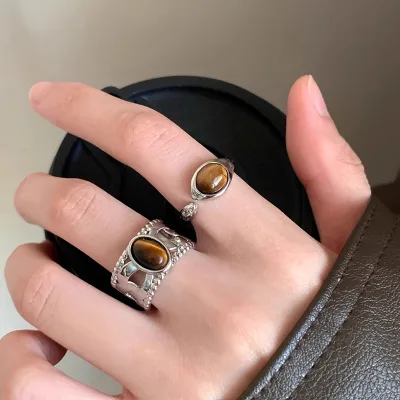
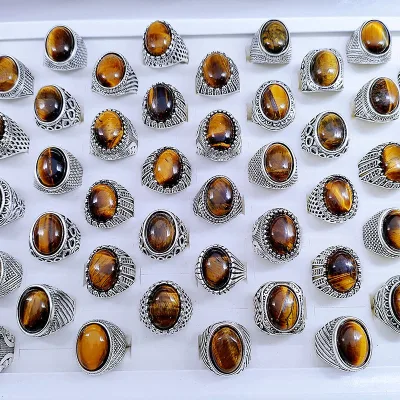
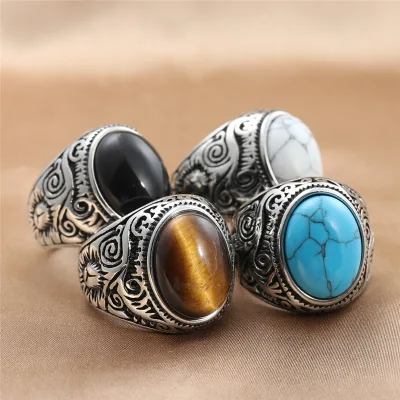
Source Vintage Natural Tiger Eye Ring for wedding gifts and decoration
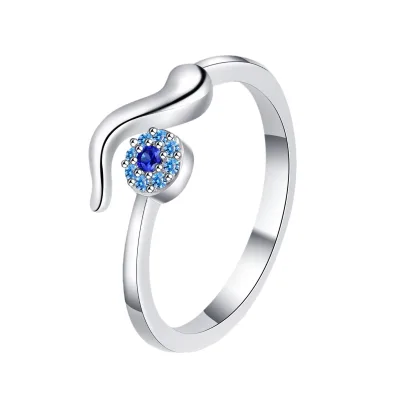
Compare 30 listings for the Vintage Natural Tiger Eye Ring, featuring adjustable sizes and silver or stainless steel materials. Buyers can evaluate customization options, stone variations, and packaging details from verified suppliers in China.
Key considerations
Products List

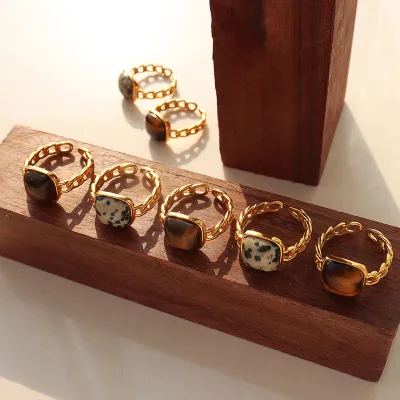
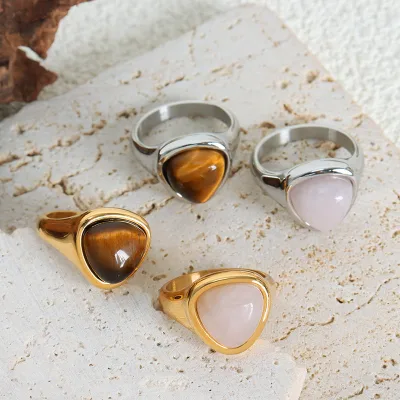
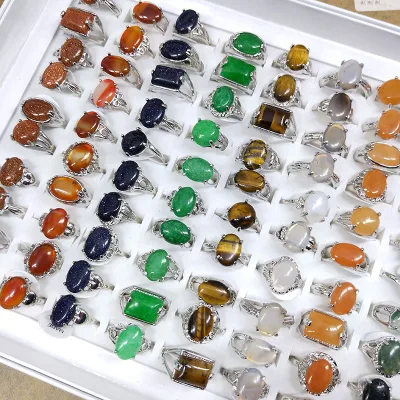
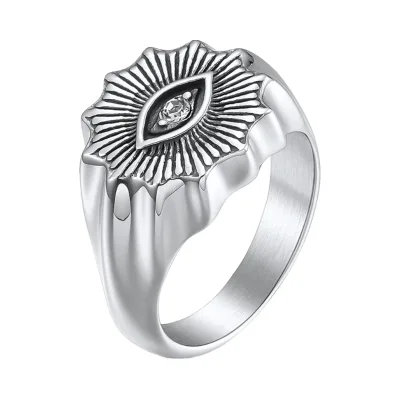
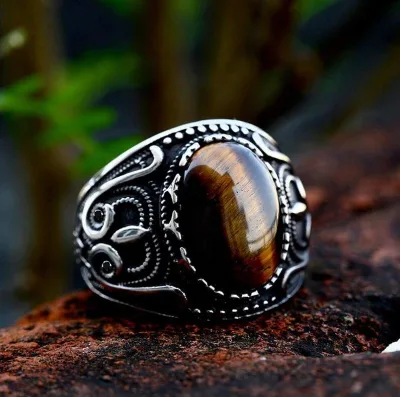


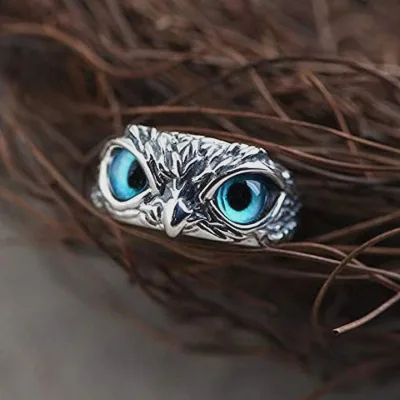
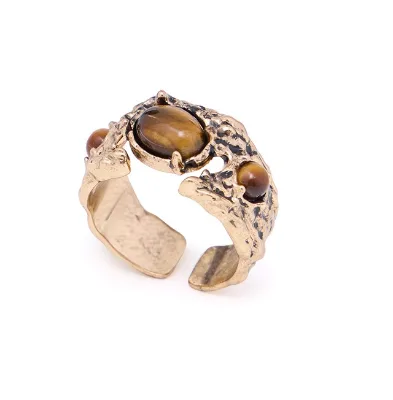
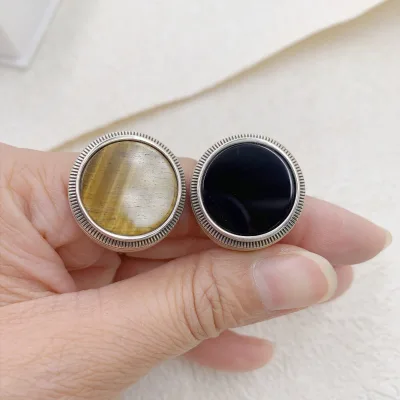
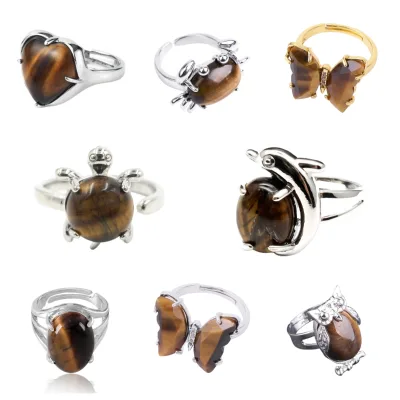

$2.00 - $5.00
MOQ: 1000 Pieces
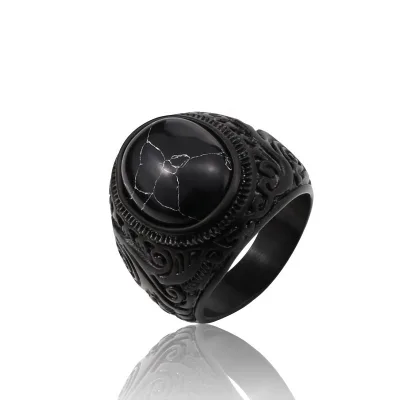
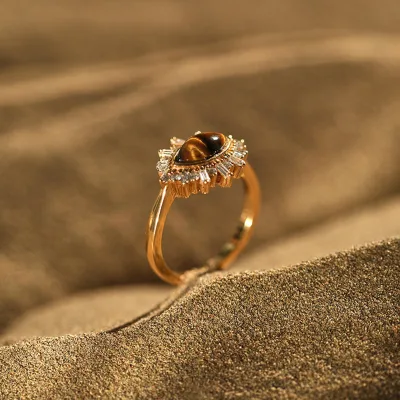
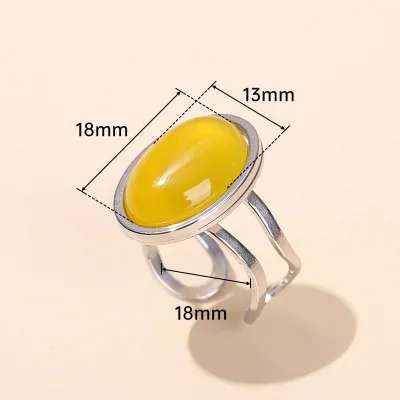


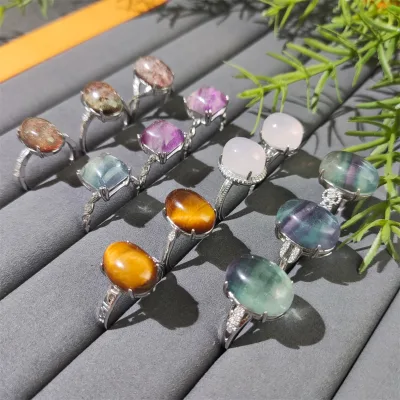
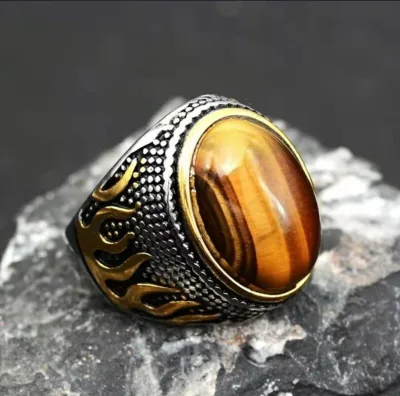
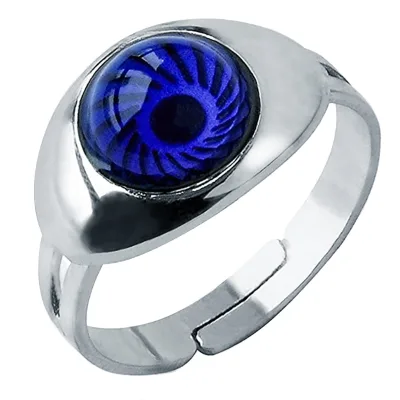
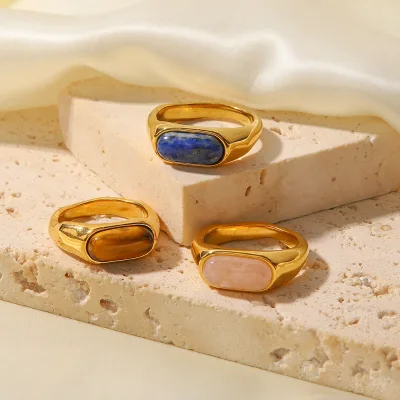
Comprehensive Sourcing Guide
Strategic Sourcing Guide for Vintage Natural Tiger Eye Rings
The global B2B market for vintage-style natural tiger eye rings presents a complex landscape where aesthetic appeal must be balanced against rigorous supply chain verification. Buyers seeking this specific product category must navigate a wide array of material claims, customization options, and production standards. The core keyword "Vintage Natural Tiger Eye Ring" implies a specific intersection of design philosophy, gemstone authenticity, and manufacturing capability. This guide provides a structured approach to sourcing these items, grounded in the observable product attributes and industry standards available in the current market data.
Technical Specifications and Material Verification
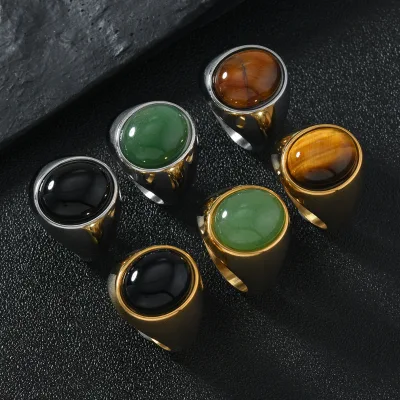
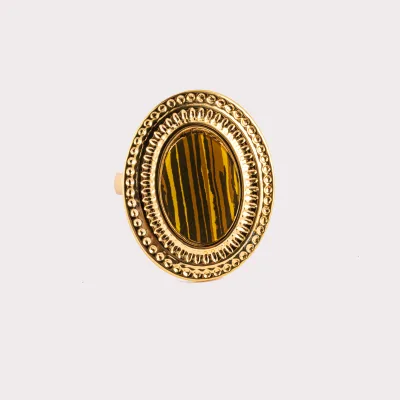
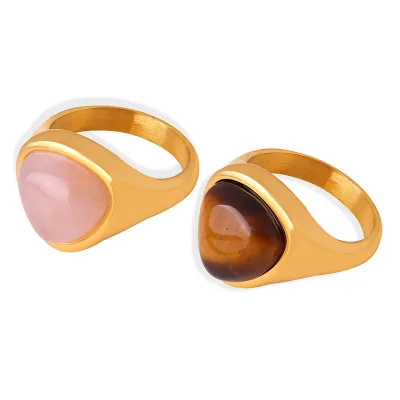
The foundation of any successful procurement for vintage tiger eye rings lies in the precise definition of technical specifications. Based on the observed product data, the material composition is a primary differentiator. While some listings indicate "Stainless Steel" or "Silver" as the jewelry main material, the vintage aesthetic often relies on the interplay between the metal setting and the natural stone. The supplied facts explicitly mention "ZIRCON" as a main stone option and "Tiger eye" as a specific color or stone type available in the market. Buyers must verify whether the "natural" descriptor applies to the tiger eye stone itself or if the product is a composite of natural stone and synthetic metal.
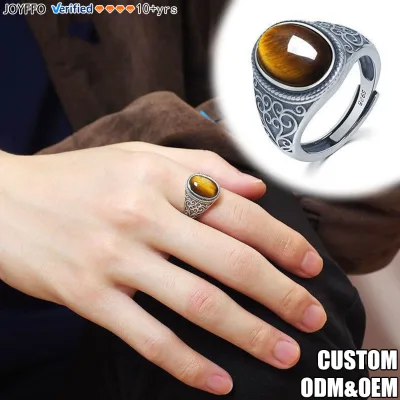
The physical dimensions and sizing are critical for inventory planning. The data reveals a significant variance in ring size specifications, ranging from specific integer sizes like 6, 7, 8, 9, 10, and 11, to broader ranges such as 16-20, and even "Adjustable" options. This inconsistency suggests that suppliers may offer different production lines for fixed-size versus adjustable bands. Furthermore, the shape is frequently listed as "Oval," which aligns with the vintage design trend, yet other designs are described simply as "Fashion" or "Trendy." The fabrication process is noted as "Polishing" and "Casting," indicating that the final finish relies heavily on post-molding surface treatment to achieve the desired luster.
| Specification Category | Observed Data Points | Procurement Verification Requirement |
|---|---|---|
| Primary Material | Stainless Steel, Silver, Zircon | Confirm metal purity and stone origin (Natural vs. Synthetic). |
| Ring Size | 6-11, 16-20, Adjustable | Validate sizing charts against target market demographics. |
| Shape | Oval | Verify if the oval cut is standard or requires custom tooling. |
| Craft | Casting, Polishing | Assess the quality of the casting pour and polishing depth. |
| Stone Type | Tiger Eye, Zircon | Request gemological certification for "Natural" claims. |
Design Aesthetics and Customization Capabilities
The visual identity of a vintage tiger eye ring is defined by its style and customization potential. The product data highlights styles such as "Elegant," "European and American," and "Vintage." These descriptors suggest a market segment that values classic, timeless designs over fleeting trends. The "Design" attribute is listed as "ring" and "Fashion," indicating a broad categorization that buyers must narrow down through visual sampling. The color palette is extensive, ranging from specific stone colors like "Tiger eye" and "Black Agate" to metal finishes like "Silver," "Gold-1," "Gold-2," and "Steel-1."
Customization is a pivotal factor in this sector. The data confirms that "Customization" is available, and "Logo Service" is offered. Suppliers indicate an "OEM" capability of "Yes," allowing for branded packaging and product marking. The "Stone" attribute notes that it "Could Be Changed," which is a significant flexibility point for buyers who may wish to substitute tiger eye with other stones while maintaining the vintage aesthetic. However, the "Brand Name" BLYI appears in the data, suggesting that some listings may be private label or white-label products. Buyers must clarify if the customization extends to the stone setting, the metal alloy, or solely the packaging and branding. The "prod_packing" varies from simple "OPP Bag" to more robust "Soft Pape\Sponge Paper\Standard Export Cartons," which impacts the perceived value and protection of the goods during transit.
Compliance, Certification, and Quality Standards
In the jewelry trade, compliance and quality assurance are non-negotiable, yet the supplied data presents a mixed picture regarding standards. One entry lists a "prod_standard" of "AAA," which is a common industry term for high-grade quality, but it lacks a formal international certification body reference. Another entry specifies a physical standard of "578cm," which likely refers to packaging dimensions rather than product quality. The "Grade" is described as "High," and the "Quality" is claimed as "Best," but these are subjective marketing terms rather than objective metrics.
Buyers must independently verify compliance with international safety standards, particularly regarding nickel content in stainless steel or silver alloys, and the treatment of gemstones. The "Fade ?" attribute is listed as "No," which is a performance claim that requires independent testing to validate. Without specific certification data in the provided facts, buyers should request third-party lab reports for heavy metal content and stone authenticity. The "Place of Origin" is listed as "Guangdong, China" and "Wuzhou, China (Mainland)," both of which are known manufacturing hubs. While these locations have established supply chains, the lack of specific certification details in the product listings necessitates a rigorous due diligence process. Buyers should not assume that "High" grade or "AAA" standard equates to compliance with EU REACH or US CPSIA regulations without explicit documentation.
Cost Drivers and Pricing Dynamics
The pricing structure for vintage natural tiger eye rings is influenced by several variables, including material composition, customization level, and order volume. The observed listed price range in the market data spans from $0.18 to $34.39 USD. This wide disparity indicates that the product category encompasses everything from low-cost fashion jewelry to high-end artisanal pieces. The lower end of the spectrum likely corresponds to products using stainless steel with synthetic or treated stones, while the higher end may involve solid silver, natural tiger eye, and intricate casting work.
The Minimum Order Quantity (MOQ) is another critical cost driver, with observed ranges from 1 to 1000 units. An MOQ of 1 suggests a dropshipping or sample-friendly model, whereas an MOQ of 1000 indicates a bulk manufacturing setup. Buyers must align their order volume with their budget and storage capacity. The "Selling Units" are listed as "Single item," which can be misleading if the supplier requires bulk purchases for the single item price to be viable. Additionally, the "prod_model" numbers (e.g., R00589, ST09, Vintage Leaves Ring-023J) suggest that pricing may vary by specific design complexity. The "Color" options, ranging from simple numeric codes to specific stone names, also impact cost, as natural tiger eye is generally more expensive than dyed agate or synthetic alternatives.
Supplier Evaluation and Operational Due Diligence
Evaluating suppliers for vintage tiger eye rings requires a focus on operational transparency and consistency. The data shows multiple "prod_model" entries and varying "prod_origin" locations, suggesting a fragmented supplier base. A key indicator of supplier reliability is the consistency of their "prod_packing" and "prod_standard" descriptions. Suppliers offering "Standard Export Cartons" alongside "Soft Pape\Sponge Paper" demonstrate a capacity for secure logistics, which is essential for fragile items like rings.
Buyers should verify the "Logo Service" and "OEM" capabilities by requesting samples of previous work. The presence of a specific brand name like "BLYI" in the data suggests that some suppliers operate as private label manufacturers. Buyers must ensure that the supplier can maintain brand consistency across different production runs. The "Craft" of "Casting" and "Polishing" should be inspected for defects such as air bubbles, rough edges, or uneven plating. Since the "Stone" can be changed, buyers should confirm the supplier's ability to source consistent natural tiger eye stones, as natural stones vary in color intensity and inclusions. The "Gender" attribute is listed as both "Male" and "Unisex," indicating that the design may be versatile, but buyers should confirm if the sizing and width are appropriate for the intended demographic.
Quality Control Protocols and Long-Term Procurement
Implementing a robust quality control (QC) protocol is essential for maintaining the integrity of the vintage tiger eye ring supply chain. Given the "Fade ?" claim of "No," buyers should establish a testing regimen to verify colorfastness and metal durability over time. The "Quality" claim of "Best" must be backed by a clear definition of acceptable defect rates. A visual inspection checklist should include checks for the "Oval" shape symmetry, the security of the stone setting, and the finish of the "Polishing" process.
For long-term procurement, buyers should consider the scalability of the supplier's "Fabrication Processing." The "Casting" method used must be capable of maintaining consistency as order volumes increase from the low end of the MOQ range to the high end. The "prod_standard" of "AAA" should be treated as a baseline, with specific acceptance criteria defined in the purchase agreement. Buyers should also monitor the "prod_packing" for any changes that might affect the product's condition upon arrival. The "Usage" of the rings, listed as "Wedding, Decoration, Gift," implies that the product must meet high aesthetic standards for special occasions. Long-term relationships with suppliers who can consistently deliver on the "Vintage" design aesthetic and "Natural" stone quality will be more valuable than one-off transactions with low-cost providers.
Strategic Application and Market Positioning
Understanding the typical applications of vintage natural tiger eye rings helps in positioning the product effectively. The "Usage" attributes of "Wedding," "Decoration," and "Gift" suggest a multi-channel sales strategy. Wedding rings require high durability and precise sizing, making the "Adjustable" or specific size options (6-11) critical. Decoration and gift markets may prioritize the "Elegant" and "Fashion" styles, where the visual impact of the "Tiger eye" stone is paramount. The "Style" of "European and American" indicates that the design language should align with Western aesthetic preferences, which often favor bold, natural stones in classic settings.
Buyers should also consider the "Gender" aspect, which is listed as "Male" and "Unisex." This versatility allows for broader market penetration, but it requires careful marketing to ensure the product appeals to the correct demographic. The "Design" being "Trendy" and "Fashion" suggests that while the vintage style is timeless, the specific execution may need to adapt to current market trends. The "Color" options, including "1, 2, 3, 4, 5, 6, 7, 8, 9, 10, 11, 12," provide a wide range of choices for buyers to curate collections that appeal to diverse customer preferences. By aligning the technical specifications, design aesthetics, and quality controls with these market applications, buyers can build a resilient and profitable supply chain for vintage natural tiger eye rings.
FAQs
Can I customize the logo and stone on vintage natural tiger eye rings?
Yes, logo services and stone customization are available for these rings. Suppliers offer OEM capabilities allowing you to change the stone and add custom branding while maintaining the vintage design aesthetic.
What materials are used for vintage natural tiger eye rings?
These rings are primarily crafted from stainless steel or silver with zircon or tiger eye stones. The fabrication process involves casting and polishing to achieve an elegant finish suitable for decoration or gifts.
Which ring sizes are available for vintage natural tiger eye rings?
Available sizes include fixed options like 6, 7, 8, 9, 10, 11, and ranges up to 20, plus adjustable bands. Buyers should verify specific sizing charts as dimensions vary by supplier and model number.
How is the quality of vintage natural tiger eye rings defined?
Quality is often described as high grade or AAA standard with a fade-free finish. However, formal certifications are not explicitly listed, so buyers should request third-party lab reports for metal purity and stone authenticity.
What packaging options exist for vintage natural tiger eye rings?
Packaging ranges from simple OPP bags to soft paper and sponge paper within standard export cartons. The choice depends on the supplier and order volume, impacting protection during transit for fragile items.
Can I source vintage natural tiger eye rings from China?
Yes, products originate from Guangdong and Wuzhou in China. These regions are established manufacturing hubs offering various styles including European and American designs with customizable features like logo services.
What is the price range for vintage natural tiger eye rings?
Listed prices range from 0.18 to 34.39 USD depending on material and customization. Lower costs typically reflect stainless steel and synthetic stones, while higher prices may involve silver and natural tiger eye.