Source Vintage Metal Jewelry Charms for Coats Shirts Bags
Compare 30 listings for Vintage Metal Jewelry Charms suitable for coats, shirts, and bags. Buyers can review customization options, plating finishes, and MOQs from suppliers in Dongguan and Fujian.
Key considerations
Products List

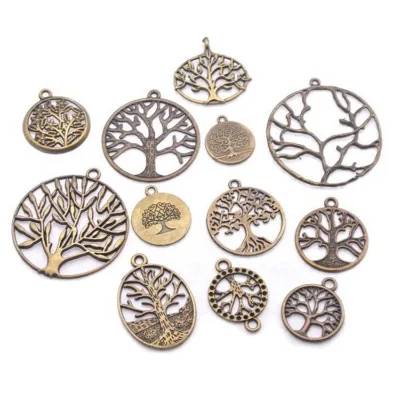


Cute Style Brand Logo Stamped Silver Metal Small Jewelry Charms for Decoration
$0.05 - $0.15
MOQ: 100 pieces

Custom One Hole Small Engraved Logo Metal Jewelry Tags Pendant Charms for Bracelet
$0.02 - $0.10
MOQ: 100 Pieces

Superior Quality Antioxidant Bracelet Charms Custom Made Logo Jewelry Tag
$0.02 - $0.10
MOQ: 100 Pieces





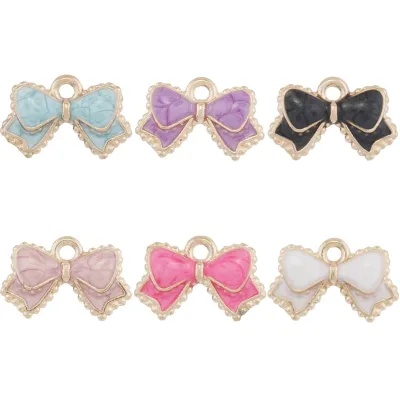
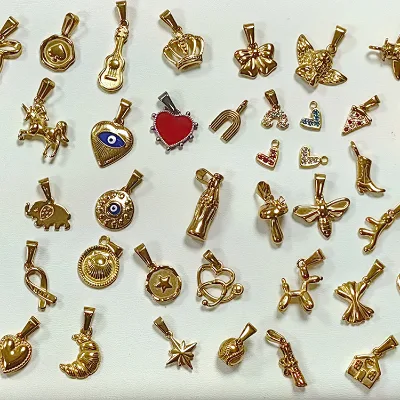
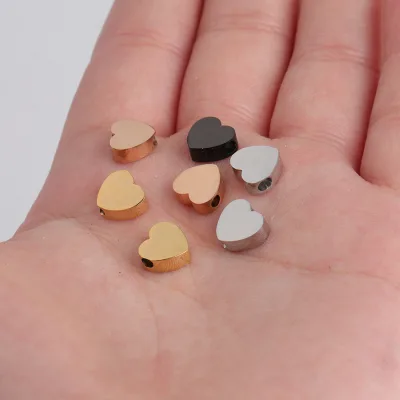


Comprehensive Sourcing Guide
Vintage Metal Jewelry Charms Sourcing Guide
Sourcing vintage-style metal jewelry charms requires a nuanced understanding of both aesthetic intent and manufacturing capability. These components serve as decorative focal points for apparel, accessories, and custom jewelry lines, blending historical design cues with modern production techniques. Buyers must navigate a market where "vintage" is a stylistic descriptor rather than a strict historical classification, meaning the physical properties of the materials and the finish are critical to achieving the desired look. The following guide outlines the essential verification steps, technical considerations, and commercial terms necessary for successful procurement of these items.
The procurement process for vintage metal charms involves balancing artistic customization with industrial scalability. While the aesthetic may suggest handcrafted uniqueness, the majority of supply comes from manufacturers capable of high-volume OEM and ODM services. This duality means that buyers must clearly define their quality expectations, particularly regarding plating durability and material composition, to avoid discrepancies between sample and bulk production. Understanding the specific attributes of the supply chain, from origin locations to packaging standards, is vital for maintaining brand integrity and cost efficiency.
Product Scope and Observed Listing Signals
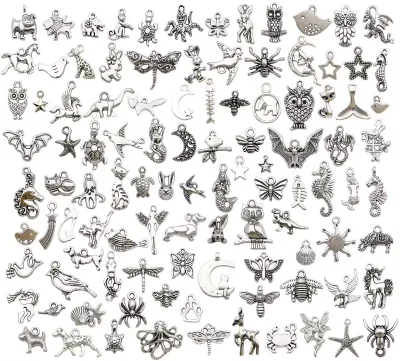
Vintage Metal Jewelry Charms are primarily utilized as decorative elements across a wide range of consumer goods, including bras, coats, shirts, bags, hats, and general clothing items. The observed product landscape indicates a strong emphasis on customization, with suppliers offering tailored solutions for shape, color, and plating. Common shapes include charms, animals, and round pendants, while the material base is predominantly alloy and metal. This versatility allows brands to integrate these charms into diverse product lines, from high-fashion outerwear to casual accessories, ensuring that the decorative element aligns with the overall design narrative.
Color and finish options are extensive, supporting the vintage aesthetic through specific plating and coloring techniques. Available plating includes gold and silver, while color variations range from silver and antique bronze to white, lavender, pink, black, red, grey, blue, green, and brown. The presence of features such as washability and decoration with sequins suggests that these charms are designed for functional apparel that undergoes regular use and cleaning. Buyers should note that while "vintage" implies an aged look, the actual finish is achieved through modern plating and printing techniques, such as gravure, silk screen, or digital printing, which must be verified for durability and consistency.
Technical Specifications to Verify
Material composition and plating quality are the most critical technical specifications to verify when sourcing vintage metal charms. The core material is typically alloy or metal, but the specific alloy type can significantly impact weight, durability, and hypoallergenic properties. Buyers must confirm the exact metal composition to ensure it meets safety standards and brand requirements, particularly for items worn close to the skin. The plating process, whether gold or silver, must be evaluated for thickness and adherence, as thin plating can lead to rapid tarnishing or peeling, which undermines the vintage aesthetic and customer satisfaction.
Shape, size, and packaging specifications also require precise definition to avoid logistical and quality issues. Sizes are often customizable, allowing for unique design integration, but buyers must provide detailed technical drawings or samples to ensure accuracy. The product model identifiers, such as "jh" or "pendant," serve as internal references but do not guarantee consistency across different suppliers. Packaging is another key area; options range from individual OPP bags and paper covers to custom poly bags and cartons. Verifying the packing method is essential for protecting the charms during transit, especially given their delicate nature and potential for scratching or deformation.
Compliance and Safety Documentation
Safety compliance is paramount when sourcing metal jewelry charms, particularly those intended for clothing and accessories that come into contact with the skin. Buyers must ensure that suppliers adhere to relevant international standards for heavy metal content, such as lead, cadmium, and nickel, which are often restricted in consumer goods. While specific certification statuses may vary by supplier, buyers should request test reports from accredited laboratories to verify that the metal alloys and plating materials are free from harmful substances. This verification is crucial for maintaining compliance with regulations in target markets, such as the EU’s REACH regulation or the US CPSIA.
Documentation regarding the manufacturing process and material safety should be requested prior to placing bulk orders. Suppliers should be able to provide material safety data sheets (MSDS) or similar documentation that outlines the chemical composition of the plating and base metal. Additionally, buyers should verify that the printing inks and adhesives used for any decorative elements, such as sequins or printed designs, are also compliant with safety standards. This holistic approach to documentation ensures that the final product meets all regulatory requirements, reducing the risk of customs delays or product recalls.
Cost Drivers and Commercial Terms
The cost of Vintage Metal Jewelry Charms is influenced by several factors, including material costs, plating thickness, customization complexity, and order volume. The observed price range suggests that costs can vary significantly based on these variables, with higher prices typically associated with more intricate designs, thicker plating, or smaller order quantities. Buyers should analyze the cost structure to understand how each element contributes to the final price, allowing for more accurate budgeting and negotiation. It is also important to consider the total landed cost, including shipping and duties, which can impact the overall profitability of the product line.
Commercial terms and payment methods are flexible but require clear agreement to avoid disputes. Common payment terms include EXW and FOB, with options for PayPal, T/T, and Western Union. The minimum order quantity (MOQ) can range from 1 piece to 2000 pieces, depending on the supplier and the level of customization required. Buyers should negotiate MOQs that align with their inventory needs and cash flow, while also considering the potential for sample orders to verify quality before committing to larger volumes. Clear communication regarding payment terms and shipping methods, such as DHL, FedEx, or UPS, is essential for smooth transaction processing.
Supplier Qualification and Quality Control
Supplier qualification involves assessing the manufacturer’s capability to deliver consistent quality and meet customization requirements. Buyers should verify the supplier’s experience in producing vintage-style charms, including their portfolio of previous work and client testimonials. The ability to provide OEM and ODM services is a key indicator of a supplier’s flexibility and technical expertise. Additionally, buyers should evaluate the supplier’s quality control processes, including in-line inspections and final random inspections, to ensure that the products meet the specified standards.
Quality control should also extend to the sampling process, which is a critical step in verifying the final product. Suppliers typically support sample orders with a lead time of around seven days, allowing buyers to assess the physical attributes of the charms, including color, plating, and shape. Buyers should request samples before placing bulk orders to ensure that the product matches their expectations. Furthermore, the packing quality should be inspected to ensure that the charms are protected during shipping, with options like one-by-one packing or custom packaging available to meet specific needs.
Long-Term Procurement Checks
Long-term procurement success depends on establishing a reliable supply chain that can adapt to changing market demands and quality expectations. Buyers should conduct regular audits of their suppliers to ensure ongoing compliance with safety and quality standards. This includes verifying that the suppliers continue to use approved materials and processes, and that any changes in production are communicated and approved in advance. Building a strong relationship with the supplier can also facilitate better communication and problem-solving, leading to more efficient procurement cycles.
Continuous monitoring of market trends and competitor offerings is essential for staying competitive. Buyers should stay informed about new design trends, material innovations, and regulatory changes that may impact the sourcing of Vintage Metal Jewelry Charms. This proactive approach allows buyers to anticipate changes and adjust their sourcing strategies accordingly. Additionally, buyers should regularly review their supplier performance metrics, including on-time delivery, quality consistency, and responsiveness, to ensure that the supply chain remains robust and reliable.
FAQs
What materials are used for Vintage Metal Jewelry Charms?
These charms are primarily made from alloy and metal materials. The products feature gold or silver plating and come in various colors including silver, antique bronze, white, and lavender to suit different design needs.
Can I customize the size and shape of these charms?
Yes, customization is available for size, shape, and design. Buyers can request specific dimensions and shapes like charms, animals, or round pendants, with options for vintage styles and custom packaging to meet unique requirements.
What is the minimum order quantity for these charms?
The minimum order quantity varies by supplier but can be as low as one piece or fifty pieces. Some listings indicate an MOQ range from two to two thousand units depending on the specific product model and customization level.
How long does it take to receive sample orders?
Sample orders typically have a lead time of seven days. Samples are usually prepaid for freight, and suppliers support fast delivery via carriers like DHL, FedEx, or UPS to ensure quick turnaround for buyers.
Where are these Vintage Metal Jewelry Charms manufactured?
These products originate from manufacturing locations in Dongguan and Fujian, China. The goods are produced by vendors offering OEM and ODM services with specific production standards tailored to custom requests.
What payment terms are accepted for these charms?
Accepted payment terms include EXW, FOB, PayPal, T/T, and Western Union. Buyers can choose from various methods to facilitate transactions, ensuring flexibility for international sourcing of custom jewelry tags and pendants.