Source Vintage Minimalist Circle-Shaped Gold Earrings for decoration, gifts, and events
Compare 30 listings of Vintage Minimalist Circle-Shaped Gold Earrings from verified suppliers. Options include electroplated and cast designs suitable for formal occasions, with customization and OEM services available for wholesalers and distributors.
Key considerations
Products List


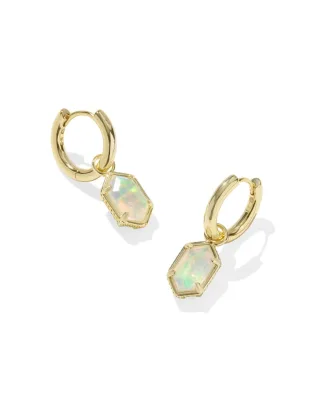


Modern Gold Plated Sterling Silver Hoop Earrings with Unique Geometry Design
$8.98 - $10.77
MOQ: 6 Pieces

Comprehensive Sourcing Guide
Strategic Sourcing Guide for Vintage Minimalist Circle-Shaped Gold Earrings
Understanding Product Attributes and Design Specifications
Sourcing vintage minimalist circle-shaped gold earrings requires a precise understanding of how design intent translates into manufacturing specifications. The core keyword implies a specific aesthetic: a timeless, circular form that avoids excessive ornamentation while maintaining a refined, antique or classic appeal. Based on available product data, buyers must distinguish between "Circle-shaped Earrings" and other geometric variations like "Oval" or "Round" shapes, as these terms often dictate the tooling and mold requirements. The "Vintage" aspect frequently correlates with an "Antique" style finish, which is often achieved through specific plating processes rather than just the shape itself.
Material selection is the primary technical differentiator in this category. While the search term specifies "gold," actual supply chain data indicates a range of materials including Stainless Steel, Copper, and Silver alloys with varying purity levels. A critical observation from the market is the existence of products labeled with a "92.5%" purity standard, which typically refers to Sterling Silver, alongside items explicitly described as "Stainless Steel" or "Copper." Buyers must verify if the "gold" appearance is a base metal plated with gold or a solid gold alloy. The processing technology plays a vital role here; "Electroplating" is a common method to achieve the gold finish on base metals like copper or stainless steel, whereas "Casting" is often used for more intricate, solid metal forms. The "Unique 3D Design" attribute suggests that some suppliers offer depth and dimensionality, moving beyond flat discs to create a more tactile, vintage feel.
The target demographic for these items is diverse, ranging from "Youth" to "Girls" and "Female" audiences. This implies that the sizing and weight of the earrings must be calibrated for comfort across different age groups. The "Simple" style attribute often competes with "Antique" designs, requiring the buyer to define whether the priority is modern minimalism or historical replication. Packaging also varies significantly, with options ranging from simple "Ppbag" or "OPP Bag" to "Strong Carton" solutions, which impacts the perceived value and protection during transit.
Compliance, Certification, and Material Standards
When sourcing jewelry, particularly items intended for direct skin contact, compliance and certification are non-negotiable. The supply chain data reveals that some manufacturers operate under specific quality management systems, citing certifications such as "CE," "ISO9001," and "CNAS Certification." These are not merely marketing claims but indicators of a supplier's commitment to standardized production processes and safety protocols. The "CE" marking, for instance, is a mandatory conformity mark for products sold within the European Economic Area, indicating that the product meets EU safety, health, and environmental protection requirements.
Material purity is another critical compliance factor. The data mentions a "10g" standard and a "92.5%" purity level, which strongly suggests the presence of Sterling Silver products in the mix. However, for items described as "Stainless Steel" or "Copper," the buyer must verify that the plating thickness and the base metal composition meet international safety standards regarding nickel release and heavy metals. The "Custom" standard mentioned in some listings indicates that suppliers may not adhere to a rigid, pre-set industry standard but rather produce to the buyer's specific technical requirements. In such cases, the buyer must explicitly define the acceptable limits for material composition and plating durability.
Furthermore, the "OEM&ODM" (Original Equipment Manufacturer/Original Design Manufacturer) capability of suppliers suggests that customization is a standard part of the process. This flexibility allows buyers to request specific certifications for their private label products. However, the absence of a universal "Gold" certification for plated items means that buyers must rely on the supplier's internal quality control reports or third-party testing to verify the gold content and plating thickness. The "CNAS Certification" points to a laboratory or testing facility that is accredited in China, which can be a useful reference point for verifying the authenticity of test results provided by the manufacturer.
Cost Drivers and Pricing Dynamics
The pricing structure for vintage minimalist circle-shaped gold earrings is influenced by a complex interplay of material costs, processing complexity, and order volume. The observed price range in the market spans from $0.50 to $18.46 USD, a wide variance that reflects the difference between mass-produced base metal items and higher-quality plated or solid metal pieces. The "MOQ" (Minimum Order Quantity) is a significant cost driver, with observed ranges from 2 to 781 units, and a specific high-confidence data point of 30 pieces. This suggests that while some suppliers offer low-barrier entry points, others may require larger volumes to justify the setup costs for custom molds or plating runs.
Material costs are the most volatile component. Copper is generally less expensive than stainless steel, which in turn is often cheaper than silver or gold alloys. However, the "Electroplating" process adds a layer of cost that depends on the thickness of the gold layer and the quality of the plating solution. A "Unique 3D Design" or "Casting" process may incur higher tooling and labor costs compared to simple stamped or wire-formed designs. The "Antique" finish often requires additional steps, such as oxidation or hand-finishing, which can increase the unit price.
Payment terms also influence the effective cost of procurement. Suppliers accept various methods including "T/T" (Telegraphic Transfer), "Bank Transfer," "Paypal," "Western Union," and "Money Gram." The choice of payment method can affect cash flow and transaction fees. For example, "T/T" is often preferred for large orders and may offer better pricing, while "Paypal" might be used for smaller, sample orders but comes with higher transaction fees. The "Delivery Time" of 20-35 days after deposit is a standard lead time that buyers must factor into their inventory planning. Rush orders or expedited shipping via carriers like "DHL," "FedEx," "TNT," or "UPS" will add significant costs to the final landed price.
Typical Applications and Market Segmentation
The versatility of vintage minimalist circle-shaped gold earrings makes them suitable for a broad spectrum of applications. The primary usage categories identified in the market data include "Decoration," "Gift," and "Health" (often referring to therapeutic or wellness claims, though these should be verified). The "Formal Occasions" attribute indicates that these earrings are appropriate for weddings, business events, and evening wear, where a subtle yet elegant look is preferred. The "Jewelry Wholesaler" and "Distributor" target audience suggests that these items are often sourced for resale in retail environments, online marketplaces, or boutique stores.
The "Apply to" section of supplier data lists "Jewelry Design," "Handcraftdiy," "Gift," "Promotion," and "Decorat" (Decoration). This highlights the dual nature of the product: it serves as a finished retail item but also as a component for DIY jewelry kits or promotional merchandise. The "Youth" and "Girls" age demographics suggest a strong market for affordable, trendy accessories, while the "Antique" style appeals to collectors and those seeking a classic aesthetic. The "OEM&Custom Design Manufacture" service allows suppliers to create bespoke items for corporate gifts, event favors, or branded merchandise, expanding the potential use cases beyond traditional jewelry retail.
Buyers should consider the specific needs of their target market when selecting a supplier. For instance, a supplier offering "Stainless Steel" with "Electroplating" might be ideal for a fashion-forward, price-sensitive demographic, while a supplier offering "92.5%" purity silver might be better suited for a luxury or gift-oriented segment. The "Unique 3D Design" attribute can be a differentiator for brands looking to stand out in a crowded market, offering a tactile experience that flat, simple designs cannot match.
Supplier Evaluation and Operational Capabilities
Evaluating a supplier for vintage minimalist circle-shaped gold earrings requires a deep dive into their operational capabilities and business model. The data indicates that many suppliers are based in "China," with specific hubs like "Guangzhou" being prominent locations. This regional concentration often implies a mature supply chain with access to raw materials, skilled labor, and established logistics networks. The "OEM&ODM" capability is a key indicator of a supplier's flexibility; it suggests they can handle custom designs, private labeling, and specific material requirements.
Payment and shipping terms are critical operational factors. The acceptance of multiple payment methods, including "T/T," "Bank Transfer," "Paypal," "Western Union," and "Money Gram," indicates a mature financial infrastructure. However, buyers should be cautious of suppliers who demand full payment upfront without escrow services or trade assurance. Shipping options via "DHL," "FedEx," "TNT," "UPS," and "EMS" provide flexibility in logistics, but the buyer must verify the reliability and cost-effectiveness of these carriers for their specific destination. The "Within 20-35 days" delivery time is a standard benchmark, but buyers should confirm if this includes production time or if it is a fixed shipping duration after production.
The "MOQ" of 30 pieces is a common threshold, but the observed range of 2 to 781 suggests that some suppliers are willing to accommodate smaller test orders. This is beneficial for buyers looking to validate the market before committing to large volumes. The "Custom" standard and "Unique 3D Design" attributes indicate that suppliers are capable of innovation, but buyers must ensure that the supplier has the technical expertise to execute complex designs without compromising quality. The presence of "CE," "ISO9001," and "CNAS" certifications is a positive sign, but buyers should request copies of these certificates and verify their validity with the issuing bodies.
Quality Control and Long-Term Procurement Strategy
Maintaining consistent quality in the sourcing of vintage minimalist circle-shaped gold earrings requires a robust quality control (QC) strategy. The "Electroplating" process is particularly prone to variations in color consistency, adhesion, and durability. Buyers should establish clear specifications for plating thickness, color matching, and resistance to tarnishing. The "Stainless Steel" and "Copper" materials have different corrosion resistance properties, and the plating must be applied correctly to prevent peeling or discoloration over time. The "92.5%" purity standard for silver items requires verification through acid testing or X-ray fluorescence (XRF) analysis to ensure the alloy composition is accurate.
Packaging is another critical aspect of quality control. The data shows a range of packaging options from "Ppbag" and "OPP Bag" to "Strong Carton." For high-value items or those intended for retail display, the packaging must be sturdy enough to prevent damage during transit and attractive enough to enhance the product's perceived value. The "Strong Carton" option is essential for bulk shipments to protect the individual items from crushing or abrasion.
Long-term procurement success depends on building a sustainable relationship with a reliable supplier. The "OEM&ODM" capability allows for continuous product evolution, enabling buyers to introduce new designs or variations based on market feedback. The "Customization" availability suggests that suppliers are open to iterative improvements, which is crucial for maintaining a competitive edge. Buyers should also consider the "Lead Time" and "Delivery Time" when planning their inventory cycles. A consistent 20-35 day lead time allows for predictable restocking, but buyers should have contingency plans for potential delays.
Finally, the "Payment" terms and "Shipping" methods should be standardized to ensure smooth transactions. Establishing a clear contract that outlines quality standards, delivery schedules, and dispute resolution mechanisms is essential for long-term partnerships. By focusing on these operational and quality aspects, buyers can secure a steady supply of high-quality vintage minimalist circle-shaped gold earrings that meet their specific market needs.
FAQs
What materials are used for Vintage Minimalist Circle-Shaped Gold Earrings?
These earrings are commonly made from stainless steel, copper, or 92.5% purity silver. The gold appearance is often achieved through electroplating on base metals like copper or stainless steel rather than using solid gold alloys.
Which certifications should I look for in these earrings suppliers?
Suppliers often hold CE, ISO9001, and CNAS certifications to ensure safety and quality standards. These marks indicate compliance with European safety requirements and verified quality management systems for production processes.
How long is the typical delivery time for custom orders?
The standard delivery time is within 20 to 35 days after receiving the deposit. This period covers production and preparation before shipping via carriers like DHL, FedEx, or UPS to the destination.
Can I customize the design and packaging for these earrings?
Yes, customization is available with options for unique 3D designs and specific packaging like OPP bags or strong cartons. Suppliers welcome OEM and ODM requests to tailor products for wholesalers or distributors.
What is the minimum order quantity for sourcing these earrings?
The minimum order quantity is typically 30 pieces, though some suppliers may accept orders as low as 2 units. Higher volumes up to 781 units are also observed depending on the specific manufacturer's capacity.
Where are the manufacturers of these earrings located?
Most manufacturers are based in China, with specific hubs located in Guangzhou. This location provides access to a mature supply chain for materials like copper and stainless steel used in production.
Which payment methods are accepted for purchasing these earrings?
Suppliers accept various payment methods including T/T, bank transfer, PayPal, Western Union, and Money Gram. These options provide flexibility for both small sample orders and larger wholesale transactions.