Source Vintage Stackable Alloy Ring for Wedding, Gift, Decoration
Compare 30 Vintage Stackable Alloy Ring options from verified Chinese manufacturers. Buyers can evaluate customization, materials like stainless steel and alloy, and pricing tiers for wedding, gift, and decoration uses; compare the available evidence and request quotations based on your requirements.
Key considerations
Products List


$2.00 - $5.00
MOQ: 1000 Pieces


Hot Selling Exaggerated Starry Silver Ring for Hip-Hop Style Enthusiasts
$9.99 - $100.00
MOQ: 1 Pieces

Vintage Style Stackable Ring Set - Three Band Couple Rings with Zircon Accent
$4.30 - $4.50
MOQ: 10 Pieces


Hot Selling Round Zircon Ring Niche Simple Finger Fashionable Versatile Ring
$1.05 - $1.18
MOQ: 900 Pieces


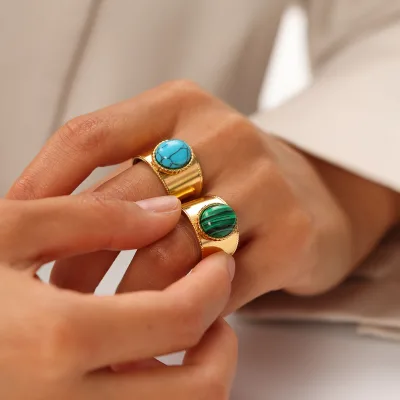


Comprehensive Sourcing Guide
Vintage Stackable Alloy Ring Sourcing Guide
Sourcing vintage-style stackable rings made from alloy requires a careful balance between aesthetic authenticity and material durability. Buyers must recognize that "vintage" describes a stylistic era rather than a specific material composition, meaning the underlying metal can vary significantly. The observed market data indicates that alloy is a primary material choice, offering a cost-effective alternative to precious metals while allowing for intricate, retro-inspired designs. This material class supports the complex geometries often associated with vintage aesthetics, such as filigree or textured finishes, without the prohibitive cost of gold or platinum.
However, the term "alloy" is broad and encompasses various metal mixes, which directly impacts longevity and skin compatibility. Procurement teams should verify the specific alloy composition to ensure it meets regional safety standards for jewelry, particularly regarding nickel content. While the style is fashionable and unisex, the structural integrity of thin stackable bands depends heavily on the alloy's hardness and resistance to tarnishing. Understanding these material nuances is the first step in defining a product specification that aligns with both brand identity and consumer safety expectations.
Product Scope and Observed Listing Signals
The current market landscape for vintage stackable rings reveals a diverse range of product models, including specific identifiers like P017, Vintage Leaves Ring-032U, and Metal Ring-062J. These model numbers suggest a high degree of customization and variety, with shapes predominantly round and colors ranging from black to gold. The presence of terms like "Fashion" and "Unisex" indicates that these items are positioned as versatile accessories suitable for everyday wear or gifting occasions. Buyers should note that while the core keyword specifies alloy, observed listings also include stainless steel and titanium options, highlighting the need to clarify material requirements during the initial inquiry phase.
Pricing signals in the observed data show a wide range, from as low as $0.01 to $300, reflecting the disparity between basic promotional items and premium, detailed vintage designs. Minimum Order Quantities (MOQ) vary significantly, with some suppliers offering single-piece samples while others require bulk orders of up to 10,000 pieces. This variability allows buyers to test market response with low-risk sample orders before committing to large-scale production. The observed discount structures, such as percentage off for orders over 10 or 50 pieces, provide additional leverage for negotiating better unit costs as volume increases.
Technical Specifications to Verify
When evaluating vintage stackable rings, precise dimensional specifications are critical to ensure proper fit and stacking compatibility. The observed data highlights an inner size of 25mm for certain models, which serves as a reference point but may not apply to all vintage styles. Buyers must verify the exact inner diameter, band width, and thickness for each ring in a stack to prevent discomfort or misalignment. Additionally, weight specifications, such as the observed 2.9g or 10g variants, help assess the perceived value and durability of the piece, with heavier items often indicating more substantial metal usage.
Surface finish and fabrication processes are equally important for achieving the desired vintage aesthetic. Techniques like electroplating are commonly used to apply gold, silver, or black coatings over the base alloy, enhancing the retro look while providing a protective layer. Buyers should confirm the plating thickness and quality, as thin platings may wear off quickly with frequent wear. Furthermore, the inclusion of stones such as zirconia, moissanite, or lab-grown diamonds in some models adds complexity to the manufacturing process, requiring verification of stone setting security and clarity grades to maintain consistent quality across the batch.
Compliance and Safety Documentation
Ensuring that vintage stackable rings comply with international safety standards is a non-negotiable aspect of responsible sourcing. The observed data mentions SGS certification and customizable standards, indicating that suppliers may adhere to specific regulatory frameworks depending on the target market. Buyers must verify that the alloy used does not contain harmful levels of lead, cadmium, or nickel, which are common concerns in fashion jewelry. Requesting recent test reports from accredited laboratories is essential to confirm that the products meet the chemical restrictions of regions like the European Union or the United States.
Packaging and labeling requirements also play a role in compliance, particularly regarding consumer information and hazard warnings. The observed packing method of 1000 pieces per bag suggests bulk handling, but individual retail packaging may require specific labeling for materials and care instructions. Buyers should ensure that all documentation, including certificates of conformity and material safety data sheets, is available and up-to-date. Clear communication with suppliers regarding these documentation needs early in the sourcing process helps prevent delays and ensures that the final products can be legally sold in the intended markets without regulatory hurdles.
Cost Drivers and Commercial Terms
The cost of vintage stackable rings is influenced by several key factors, including material prices, plating complexity, and order volume. While alloy is generally more affordable than precious metals, the cost of electroplating and stone setting can significantly increase the unit price. Buyers should analyze the cost breakdown to understand how much of the price is attributed to raw materials versus labor and finishing processes. The observed discount structures, offering 10% off for orders over 10 pieces and 20% off for over 50 pieces, provide clear incentives for increasing order sizes to achieve better margins.
Commercial terms such as payment schedules and lead times are critical for cash flow management and inventory planning. The observed data indicates a common payment term of a 30% deposit before production, with the balance due before shipment. Lead times vary, with sampling taking around 10 days and bulk orders requiring approximately 20 days for production, plus additional shipping time. Buyers should negotiate these terms carefully, considering the impact of rush orders or customizations on both cost and delivery schedules. Understanding these financial and logistical parameters helps in creating a realistic budget and timeline for the procurement project.
Supplier Qualification and Quality Control
Selecting the right supplier for vintage stackable rings requires a thorough evaluation of their manufacturing capabilities and quality control processes. The observed data highlights suppliers located in Zhejiang and Guangdong, China, regions known for their jewelry manufacturing expertise. Buyers should verify the supplier's experience with alloy and electroplating processes, as well as their ability to handle custom designs and OEM requests. Requesting samples is a crucial step to assess the physical quality, finish, and fit of the rings before committing to a larger order.
Quality control measures should be clearly defined and agreed upon before production begins. This includes establishing acceptable tolerances for dimensions, weight, and visual defects. Buyers should inquire about the supplier's internal inspection processes and whether they conduct random sampling or 100% inspection before shipment. Additionally, verifying the supplier's ability to provide customized packaging and logo stamping ensures that the final product aligns with brand requirements. Building a strong relationship with a reliable supplier through clear communication and mutual expectations helps mitigate risks and ensures consistent product quality over time.
Long-Term Procurement Checks
Sourcing vintage stackable rings is not a one-time transaction but an ongoing process that requires continuous monitoring and optimization. Buyers should regularly review supplier performance metrics, including on-time delivery rates, product quality consistency, and responsiveness to issues. Establishing a feedback loop with end-users can provide valuable insights into customer satisfaction and potential product improvements. This data can be used to refine specifications and negotiate better terms with suppliers in subsequent orders, ensuring that the procurement strategy remains aligned with market demands.
Additionally, staying informed about changes in material regulations and fashion trends is essential for long-term success. The jewelry market is dynamic, with shifting consumer preferences and evolving safety standards. Buyers should maintain open lines of communication with suppliers to anticipate potential disruptions or opportunities for innovation. Regular audits of supplier facilities and processes can help identify areas for improvement and ensure ongoing compliance. By adopting a proactive and data-driven approach to procurement, buyers can build a resilient supply chain that delivers high-quality vintage stackable rings consistently and efficiently.
FAQs
Can I customize the logo and packaging for vintage stackable alloy rings?
Yes, customization is available for logos and packaging. You can provide your own design files for stamping or engraving. The supplier offers OEM services to tailor the product to your brand identity. Packaging can be customized to meet your specific requirements, ensuring a professional presentation for your retail or wholesale customers.
What is the minimum order quantity for sample and bulk orders?
The minimum order quantity is one piece for samples, allowing you to check quality before committing. For bulk orders, the MOQ is twenty pieces. This flexible structure supports both small trial orders and larger production runs, making it suitable for various business sizes and inventory needs.
What materials are used for these vintage stackable alloy rings?
The rings are primarily made from alloy and stainless steel materials. Some variants may include titanium for specific durability needs. These materials are chosen for their strength and ability to hold intricate vintage designs. The use of high-quality metals ensures the rings maintain their shape and finish over time.
How long does production take for a custom order?
Sampling takes approximately ten days, while big orders require twenty days for production. The process time generally ranges from seven to fifteen days depending on complexity. After production, shipping takes five to six days worldwide. This timeline ensures timely delivery for your market needs.
What payment terms are required for placing an order?
Payment terms require a thirty percent deposit before production begins. The balance must be paid before shipment. For large orders, full payment might be required upfront. These terms ensure secure transactions for both buyers and suppliers, facilitating smooth order processing and manufacturing initiation.
Are these rings suitable for wedding and gift occasions?
Yes, these rings are designed for decoration, gifts, and weddings. They feature fashion styles and unisex designs, making them versatile for various occasions. The vintage aesthetic appeals to modern trends, while the durable materials ensure longevity. They are ideal for engagement, anniversary, or holiday gifting.