Source Vintage Rip-Stop Basketball Shorts for Training, Games, and Casual Wear
Compare 30 listings for vintage rip-stop basketball shorts featuring breathable mesh fabric, custom logos, and digital printing. Buyers can evaluate specifications like 160gsm weight, quick-drying properties, and OEM service options from verified manufacturers in China.
Key considerations
Products List

Custom-Made Sports Shorts with Mesh, Retro Streetwear Basketball Shorts
$12.50 - $14.50
MOQ: 10 pieces


Double Mesh Basketball Shorts Custom Vintage Outdoor Shorts with Pockets
$12.50 - $14.50
MOQ: 10 pieces


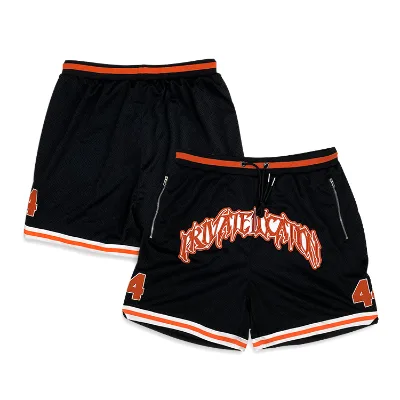


Basketball Short for Men Board Jersey Short N Ba Basketball Shorts Sports Pants
$18.00 - $25.00
MOQ: 6 Pieces


Comprehensive Sourcing Guide
Strategic Sourcing Guide for Vintage Rip-Stop Basketball Shorts
The global market for athletic apparel continues to evolve, with a distinct segment of buyers seeking retro-inspired performance gear. When sourcing vintage rip-stop basketball shorts, procurement professionals must navigate a landscape where aesthetic nostalgia meets modern functional requirements. The core keyword implies a specific fabric construction—rip-stop—designed to resist tearing, combined with a vintage aesthetic often characterized by bold patterns, lettering, or specific colorways. However, the available supply chain data reveals a complex ecosystem of manufacturers offering diverse specifications. This guide provides an evidence-based framework for evaluating suppliers, understanding technical constraints, and managing the procurement lifecycle for these specialized items without relying on unverified claims or specific vendor recommendations.
Technical Specifications and Fabric Composition
The foundation of any successful procurement strategy lies in a precise understanding of the technical specifications. In the context of basketball shorts, the fabric composition is paramount. The observed market data indicates a strong prevalence of 100% Polyester and generic Polyester materials. This material choice is consistent with the requirements for performance sportswear, offering durability and ease of care. The fabric weight observed in the supply chain ranges around 160 grams, a specification that balances breathability with structural integrity. For a "vintage" aesthetic, the weave method is equally critical; the data points to Knitted fabrics, which provide the necessary stretch and comfort for athletic movement.
A critical distinction must be made regarding the "rip-stop" attribute. While the core keyword specifies rip-stop, the supplied product facts frequently list "Mesh" as the fabric type. In the context of basketball shorts, mesh is often used for ventilation panels or as the primary fabric for a lightweight feel. Buyers must verify if the "rip-stop" texture is a specific weave variation of the polyester or if the mesh fabric itself possesses the tear-resistant properties required. The single package size varies significantly, with observations of 30x25x2 cm and 40x30x2 cm. These dimensions suggest that the product may be folded or rolled differently depending on the manufacturer's packing standards, which can impact shipping costs and inventory storage.
Furthermore, the product type is explicitly categorized as Sportswear, with specific styles ranging from "Shorts" to "Bermuda Shorts" and "Casual" wear. The closure type is predominantly Drawstring, a standard feature for athletic shorts that allows for a secure fit during high-intensity activity. The gender specification varies between Men and Unisex, indicating that buyers should clarify the target demographic before placing orders. The pattern types observed include "Bermuda Shorts," "Letter," and "Patterned," which aligns with the vintage aesthetic often associated with retro basketball culture.
Customization Capabilities and Production Flexibility
One of the most significant advantages of sourcing from the current supply base is the high degree of customization available. The data confirms that customization is a standard offering, with suppliers providing OEM (Original Equipment Manufacturer) services. This allows buyers to tailor the product to their specific brand identity. The printing methods listed include Digital Print and Digital Printing, which are ideal for reproducing complex vintage graphics, lettering, and custom logos with high fidelity. The technical capabilities extend to Automated Cutting and Embroidery, offering multiple avenues for brand differentiation.
The minimum order quantities (MOQ) for customization vary, with observed ranges from 10 pieces to 50 pieces. This flexibility is crucial for small to medium-sized brands that wish to test the market without committing to massive inventory levels. The "Customize MOQ" of 10 PCS is particularly notable for startups, while the 50 PCS threshold may apply to more complex customizations involving unique patterns or specific fabric treatments. The supply type is consistently listed as OEM Service, and the supplier type is identified as Manufacturer, suggesting a direct relationship with the production facility rather than a trading intermediary.
Buyers should also note the availability of custom labels and custom designs. The ability to accept custom labels allows for brand reinforcement at the point of wear, while custom designs enable the creation of unique vintage-inspired graphics. The color options are described as "Custom Color" and "Customized," implying that buyers are not limited to a standard palette but can request specific shades to match their brand guidelines. The packing options are equally flexible, ranging from 1PC/Polybag to 50PCS/CTN, or even fully custom packaging solutions. This adaptability in packing is essential for buyers who need to optimize their logistics and retail presentation.
Cost Drivers and Pricing Dynamics
Understanding the cost structure is vital for maintaining healthy profit margins. The observed price range in the market is between 2 and 25 USD. This wide variance suggests that pricing is heavily influenced by the level of customization, the complexity of the design, and the specific fabric weight or quality. A product at the lower end of the spectrum likely represents a standard, off-the-shelf item with minimal customization, while the higher end reflects fully custom designs, premium fabric treatments, or smaller order quantities that incur higher per-unit costs.
The single gross weight of the product is another significant cost driver, with observations of 0.150 kg and 0.300 kg. These discrepancies indicate that different manufacturers or product variations have different packing densities or fabric weights. Since shipping costs are often calculated based on weight and volume, a heavier product or one with larger package dimensions (such as the 40x30x2 cm size) will incur higher freight charges. Buyers must calculate the landed cost by factoring in these weight variations, especially when shipping from the observed origin of China.
The supply ability is reported as 100,000 pieces per month, indicating a robust manufacturing capacity that can support large-scale orders. However, the lead times for samples and production must be carefully managed. The sample lead time is noted as "Within 1-2 Weeks" or "7 Days Sample Order Lead Time," which is relatively fast. The production lead time is estimated at 2-3 weeks. These timelines are standard for the industry but can fluctuate based on the complexity of the customization and the current order backlog of the manufacturer. Buyers should factor in these lead times into their inventory planning to avoid stockouts, particularly during peak seasons.
Compliance, Certification, and Quality Verification
When sourcing from international markets, particularly from China, compliance and quality verification are non-negotiable. While the supplied data does not list specific certifications or test results, buyers must proactively request this information. The absence of explicit certification data in the product facts means that buyers cannot assume compliance with international standards such as OEKO-TEX, ISO, or specific fire safety regulations without direct verification.
The fabric composition of 100% Polyester is generally safe, but buyers should verify the chemical treatments used, especially if the product claims features like "Anti-UV," "Anti-Static," or "Quick-Drying." These performance claims require specific testing to validate. The data lists these features as attributes, but they should be treated as observations rather than guaranteed performance metrics for every listed product. Buyers should request third-party test reports to confirm that the fabric actually meets the claimed specifications for moisture-wicking and breathability.
Quality control should be a continuous process throughout the procurement cycle. The weaving method is listed as Knitted, which can vary in quality depending on the tension and the density of the knit. Buyers should establish clear quality acceptance criteria, including checks for loose threads, color fastness, and the integrity of the drawstring closure. The "Patterned" and "Letter" designs require precise alignment and color consistency, which can be difficult to achieve in mass production. Implementing a pre-shipment inspection is highly recommended to ensure that the final product meets the agreed-upon standards before it leaves the factory.
Supplier Evaluation and Long-Term Procurement Strategy
Selecting the right supplier is critical for long-term success. The data identifies the supplier type as Manufacturer, which is generally preferable to trading companies as it offers better control over production and pricing. However, buyers should conduct a thorough due diligence process to verify the manufacturer's capabilities. This includes reviewing their production facilities, checking their supply chain resilience, and assessing their ability to handle custom orders consistently.
The ability to support a "7 Days Sample Order Lead Time" is a strong indicator of operational efficiency. Buyers should test this capability by placing a small sample order to evaluate the quality of the work and the responsiveness of the communication. The "Supply Ability" of 100,000 pieces per month suggests that the manufacturer can handle large orders, but buyers should confirm their capacity to scale up or down based on demand fluctuations.
Long-term procurement considerations should focus on building a strategic partnership rather than a transactional relationship. This involves negotiating favorable terms for repeat orders, establishing clear communication channels, and collaborating on product development. The availability of "Custom Designs" and "Customized Logo" services indicates that the supplier is willing to invest in the buyer's brand growth. Buyers should leverage this flexibility to create a unique product line that stands out in the competitive vintage sportswear market.
Typical Applications and Market Positioning
The versatility of these basketball shorts allows for a wide range of applications. While primarily categorized as Sportswear, the "Casual" style and "Bermuda Shorts" pattern suggest that they can also be marketed as lifestyle apparel. The "Vintage" aesthetic appeals to a demographic that values retro fashion, making these shorts suitable for streetwear brands, retro sports clubs, and casual fashion retailers. The "Unisex" gender specification further expands the potential market, allowing buyers to target a broader audience.
The features such as "Breathable," "Quick-Drying," and "Moisture-Wicking" make these shorts suitable for actual basketball play, gym workouts, and other high-intensity activities. However, the "Vintage" design elements may also make them popular for casual wear, where comfort and style are prioritized over high-performance features. Buyers should clearly define the intended use case to ensure that the product specifications align with customer expectations. For example, if the target is serious athletes, the focus should be on the technical performance of the fabric. If the target is fashion-conscious consumers, the emphasis should be on the aesthetic details and the vintage appeal.
Summary of Key Procurement Parameters
To facilitate a clear comparison of the observed market data, the following table summarizes the key parameters that buyers should consider when sourcing vintage rip-stop basketball shorts. This summary consolidates the technical, logistical, and customization aspects into a single reference point.
| Parameter | Observed Range / Value | Procurement Consideration |
|---|---|---|
| Material | 100% Polyester, Polyester | Verify fabric weight (160g) and weave (Knitted/Mesh). |
| Style | Shorts, Bermuda, Casual | Confirm fit and intended use (Sport vs. Lifestyle). |
| Customization | Available (OEM) | MOQ varies (10-50 PCS); check printing methods (Digital/Embroidery). |
| Lead Time | Sample: 1-2 Weeks; Production: 2-3 Weeks | Plan inventory accordingly; verify sample quality. |
| Packing | 1PC/Polybag, 50PCS/CTN, Custom | Check package dimensions (30x25x2 cm or 40x30x2 cm). |
| Origin | China | Factor in shipping costs and import regulations. |
| Price Range | 2-25 USD | Correlate price with customization level and MOQ. |
| Features | Breathable, Quick-Drying, etc. | Request test reports for performance claims. |
By adhering to these evidence-based guidelines, buyers can navigate the complexities of sourcing vintage rip-stop basketball shorts with confidence. The key lies in balancing the aesthetic demands of the vintage market with the technical requirements of modern sportswear, while maintaining rigorous quality control and supplier evaluation standards. This approach ensures a sustainable and profitable procurement strategy in a competitive global market.
FAQs
What materials are used for vintage rip-stop basketball shorts?
The products are primarily made of 100% Polyester or generic Polyester. This material choice ensures durability and ease of care while maintaining the required stretch for athletic movement.
Can I order custom designs with a low minimum quantity?
Yes, customization is available with minimum order quantities ranging from 10 to 50 pieces. This flexibility allows small brands to test the market without committing to massive inventory levels.
How long does it take to receive a sample order?
Sample orders are supported with a lead time of 7 days or within 1 to 2 weeks. This relatively fast turnaround enables buyers to evaluate product quality before placing larger production orders.
Which printing methods are available for custom logos?
Digital Print and Digital Printing methods are available for reproducing complex graphics. These techniques also support Automated Cutting and Embroidery for high-fidelity brand differentiation on the shorts.
What is the typical price range for these basketball shorts?
The observed price range in the market is between 2 and 25 USD. Pricing varies based on the level of customization, design complexity, and specific fabric weight or packing requirements.
Can the shorts be customized with specific colors and labels?
Buyers can request custom colors and accept custom labels for brand reinforcement. The supply type is OEM Service, allowing for tailored designs that match specific brand guidelines.