Source Vintage Tennis Racket Necklace for gifts, decoration, and fashion
Compare 30 listings for Vintage Tennis Racket Necklace options featuring custom logos and various materials like stainless steel and alloy. Buyers can evaluate MOQs, plating finishes, and delivery times from suppliers in China.
Key considerations
Products List


Hip Hop Style Diamond Cross Pendant Tennis Chain Necklace Fashion Jewelry
$5.69 - $5.89
MOQ: 20 Pieces


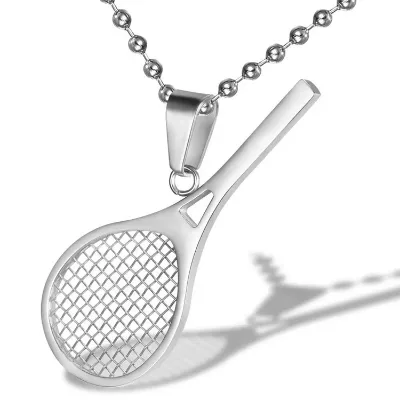
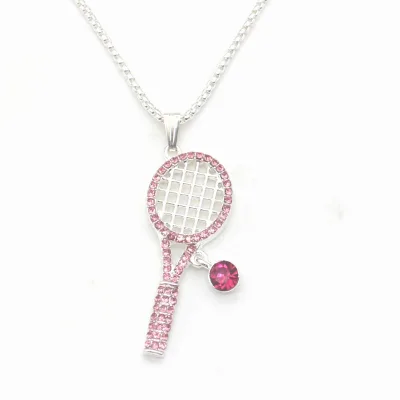


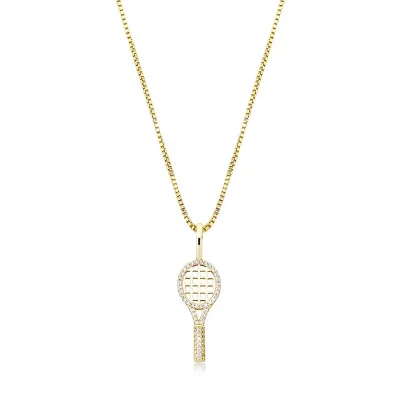

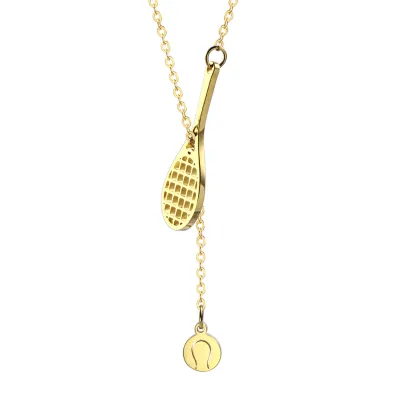


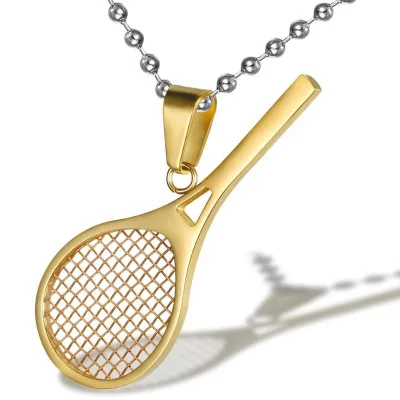
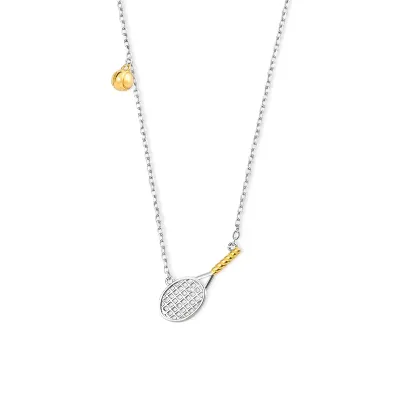
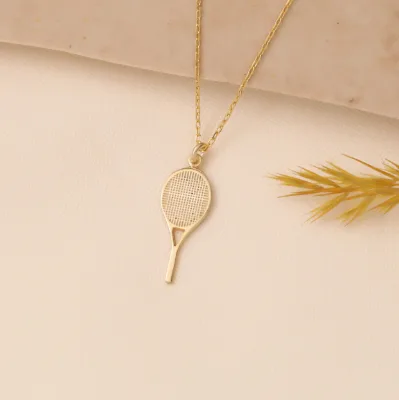
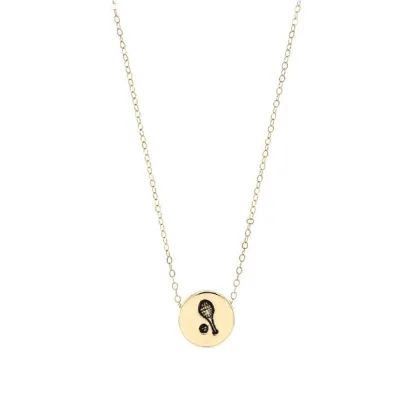
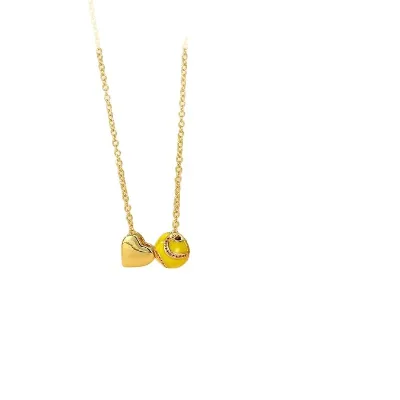
Comprehensive Sourcing Guide
Strategic Sourcing Guide for Vintage-Style Tennis Racket Necklaces
Understanding Product Specifications and Design Variations
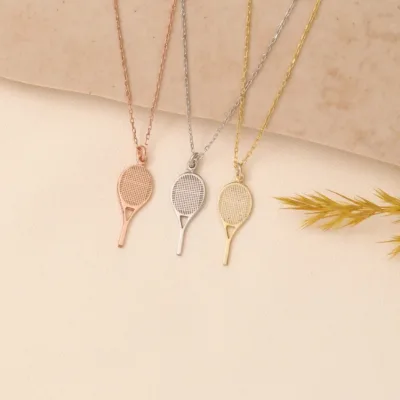
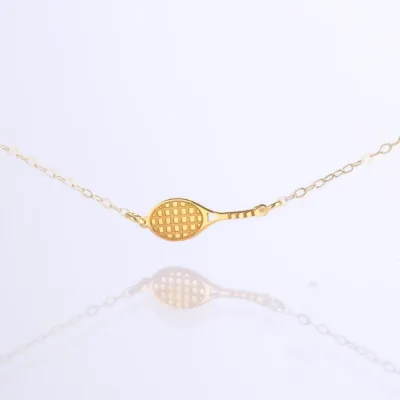
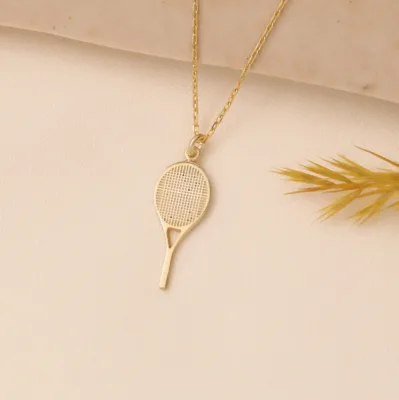
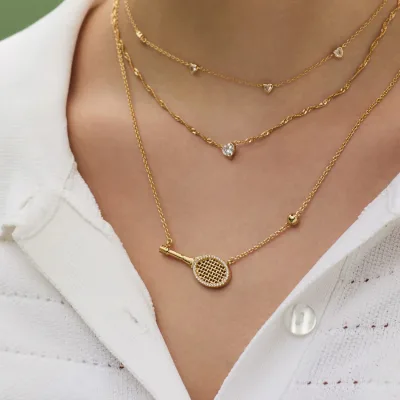
When sourcing a Vintage Tennis Racket Necklace, buyers must first distinguish between literal replicas of sports equipment and fashion jewelry that incorporates tennis-themed motifs. The supplied product data indicates a diverse range of attributes that define the market landscape. While the core keyword suggests a specific sports aesthetic, the actual available inventory often spans various materials and styles. For instance, observed listings include products made from stainless steel and alloy, with some featuring pearl settings. The shape of the pendant is a critical differentiator; while the keyword implies a racket shape, the data shows a prevalence of round, cross, and circle pendant shapes. This suggests that "vintage tennis racket" may be a thematic category where buyers encounter a mix of literal racket designs and broader fashion interpretations.
The style attributes observed in the market range from "Star Fashion" and "Elegant" to "Simple" and "Fashion." This variation requires buyers to be precise in their search parameters. A vintage aesthetic often implies specific plating options, such as gold, rhodium, or copper, which are explicitly listed in the supplier data. Furthermore, the gender suitability varies; some items are targeted specifically at females, while others are designed for males, females, children, and the elderly. This broad demographic reach indicates that the vintage tennis racket motif is versatile enough to be marketed as a unisex accessory or a specific gendered fashion statement. The length of the chain is another technical specification to consider, with observed ranges extending from 40cm to 45cm, which dictates the visual proportion of the necklace on the wearer.
Material Composition and Plating Standards
The durability and aesthetic longevity of a Vintage Tennis Racket Necklace are heavily dependent on the base material and the quality of the plating. The supplied facts confirm that stainless steel and alloy are the primary materials used in this category. Stainless steel offers a robust foundation that resists corrosion, making it suitable for daily wear, while alloy provides a lighter alternative that allows for intricate detailing. The plating process is equally critical for achieving the desired vintage look. Data points indicate that gold, rhodium, and copper plating are available options. For a vintage appearance, a gold or copper finish is often preferred to mimic the look of aged metal, whereas rhodium provides a bright, silver-like sheen that can be used for a more modern or high-contrast vintage style.
Buyers must verify the thickness and quality of the plating, as this is not explicitly quantified in the general product descriptions but is a standard industry concern. The presence of "SGS" certification in the supply chain suggests that third-party testing is available for certain products, which can be a proxy for material safety and plating adherence. However, the data also notes that some products are made with pearl settings, introducing a mixed-material approach. In such cases, the compatibility between the metal setting and the organic pearl material must be assessed to ensure that the plating does not degrade the pearl or vice versa. The "Wax Setting" mentioned in the specifications implies a specific method of securing the pendant or gemstone, which may affect the overall structural integrity and the ease of repair if the item is damaged.
Compliance, Certification, and Safety Verification
Navigating the compliance landscape for jewelry sourced from China requires a rigorous approach to certification and safety standards. The supplied information highlights "SGS" as a relevant certification for certain products in this category. SGS is a recognized international inspection, verification, testing, and certification company, and its presence suggests that the product has undergone some level of quality assurance regarding material composition or safety. However, buyers should not assume that all vintage tennis racket necklaces carry this certification. The data shows that some products list "Custom" or "5mm*40cm" as their standard, indicating that standards can vary significantly between suppliers.
For international procurement, buyers must verify that the products comply with the regulations of their target market, such as the REACH regulations in the European Union or the Consumer Product Safety Improvement Act (CPSIA) in the United States. These regulations often focus on the presence of heavy metals like lead, cadmium, and nickel, which are common concerns in alloy and plated jewelry. While the provided facts do not list specific test results for heavy metal content, the mention of "QC" (Quality Control) and "OEM/ODM" services implies that suppliers are equipped to handle custom compliance requests. Buyers should explicitly request material safety data sheets (MSDS) or specific test reports from the supplier to ensure that the plating and base metals do not contain prohibited substances. The "Made in China" and "Yiwu Zhejiang" origins are standard, but the specific factory location can influence the ease of auditing and the consistency of compliance adherence.
Cost Drivers and Minimum Order Quantity Analysis
The cost structure for vintage tennis racket necklaces is influenced by several variables, including material choice, customization level, and order volume. The observed price range in the market spans from $0.10 to $400, a vast disparity that reflects the difference between mass-produced fashion jewelry and high-end, custom-crafted pieces. The lower end of the spectrum likely corresponds to simple alloy or stainless steel items with basic plating, while the higher end may involve complex designs, pearl settings, or premium materials. The minimum order quantity (MOQ) is another significant cost driver. The data indicates an MOQ range of 1 to 100 pieces, with specific listings showing MOQs of 20 pieces or 100 pieces.
For buyers testing the market, an MOQ of 1 or 20 pieces allows for low-risk sampling and small-batch testing. However, achieving a lower unit cost typically requires scaling up to the 100-piece threshold. The "Custom" logo and "Custom" standard attributes suggest that personalization adds a layer of cost and complexity. Customization often involves setting up new molds or adjusting plating processes, which can increase the unit price and extend the lead time. The packaging is also a cost factor; while "OPP" bags are standard for individual items, the use of "Strong Carton" for bulk shipping and the option for "Customer's Requirement" packaging can add to the overall expense. Buyers should factor in these variables when calculating the total landed cost, as the base price of the necklace is only one component of the procurement budget.
Supplier Evaluation and Service Capabilities
Selecting the right supplier for vintage tennis racket necklaces requires a thorough evaluation of their service capabilities and operational flexibility. The data reveals that suppliers offer "OEM" (Original Equipment Manufacturing) and "ODM" (Original Design Manufacturing) services, indicating a willingness to produce custom designs or manufacture based on buyer specifications. This is crucial for buyers seeking a unique vintage aesthetic that differs from off-the-shelf inventory. The "QC" service mentioned suggests that quality control is integrated into the production process, but buyers should verify the specific stages at which QC is performed to ensure consistency.
Lead times and sample availability are critical factors in supplier evaluation. The observed delivery time ranges from 20 to 30 days, which is a standard window for production and shipping from China. However, the sample time is noted as "Within 15 Work Days," which is a reasonable timeframe for prototyping. Buyers should assess whether the supplier can meet tighter deadlines if the project requires expedited delivery. The "Service" attribute also encompasses the ability to handle custom packaging and branding, which is essential for creating a cohesive brand identity. Suppliers located in "Guangzhou, China" and "Yiwu Zhejiang" are known for their jewelry manufacturing clusters, offering a high density of potential partners. However, buyers should verify the specific factory's capacity and reputation through independent channels, as the location alone does not guarantee quality or reliability.
Quality Control and Long-Term Procurement Strategy
Implementing a robust quality control strategy is essential for maintaining the integrity of vintage tennis racket necklaces over time. The "QC" service mentioned in the product data should be leveraged as a baseline, but buyers must define their own acceptance criteria. Key areas of focus include the adhesion of the plating, the structural integrity of the chain and clasp, and the consistency of the pendant shape. For items with pearl settings, the security of the setting and the condition of the pearl are paramount. The "Wax Setting" method noted in the specifications requires specific inspection to ensure that the wax does not degrade over time or affect the appearance of the jewelry.
Long-term procurement considerations involve building a sustainable relationship with suppliers who can maintain consistent quality across multiple orders. The "Custom" nature of many products means that the initial sample approval is critical; any deviation in the final production run from the approved sample can lead to significant losses. Buyers should establish clear communication channels for feedback and resolution of quality issues. Additionally, the "OEM/ODM" capability suggests that suppliers can adapt to changing design trends, which is valuable for maintaining a competitive edge in the fashion jewelry market. By focusing on suppliers who offer comprehensive QC services and flexible customization, buyers can ensure a steady supply of high-quality vintage tennis racket necklaces that meet their brand standards and customer expectations.
Typical Applications and Market Positioning
The Vintage Tennis Racket Necklace serves multiple applications, ranging from personal fashion accessories to promotional gifts and religious or decorative items. The data indicates that the product is suitable for "Gift" purposes, highlighting its potential as a corporate giveaway or a personalized present. The "Decoration" usage is also prominent, suggesting that these necklaces are used to enhance personal style or home decor in a unique way. The "Religious" and "Health" usage attributes, while less common for a tennis racket motif, indicate that some designs may incorporate symbolic elements that appeal to specific subcultures or belief systems.
The market positioning of these necklaces is diverse, catering to different demographics and style preferences. The "Female" and "Male" suitability, along with options for "Children" and "Elderly," suggests a broad market appeal. The "Star Fashion" and "Elegant" styles indicate that these products can be positioned as trendy accessories for younger consumers or as classic pieces for a more mature audience. The "Simple" style option appeals to those who prefer understated elegance. Buyers should align their product selection with their target market's preferences, ensuring that the design, material, and price point match the intended application. Whether for a fashion boutique, a corporate gift program, or a specialized religious store, the Vintage Tennis Racket Necklace offers a versatile and engaging product category that can be tailored to meet specific market needs.
FAQs
What materials are used for vintage tennis racket necklaces?
Stainless steel and alloy are the primary materials used for these necklaces. Some designs also incorporate pearl settings with wax setting methods to secure the pendant.
Which plating options are available for these jewelry pieces?
Gold, rhodium, and copper plating are available options for the metal components. Buyers can select specific finishes to achieve a vintage aesthetic or a modern contrast.
Can I find vintage tennis racket necklaces with SGS certification?
Yes, certain products in this category are available with SGS certification. This indicates third-party verification of material safety and quality standards for international compliance.
What is the minimum order quantity for custom logo necklaces?
Minimum order quantities range from 1 to 100 pieces depending on the supplier. Specific listings show MOQs of 20 pieces for some items and 100 pieces for others.
How long does it take to receive samples for these necklaces?
Sample delivery typically occurs within 15 work days. This timeframe allows buyers to verify design and quality before committing to larger production runs.
Which packaging types are standard for bulk orders of necklaces?
Standard packaging includes individual OPP bags and strong cartons for shipping. Suppliers also offer custom packaging requirements to meet specific branding needs.