Source Vintage Washed Denim Jacket for Fashion, Work, and Outdoor Use
Explore 30 listings for the Vintage Washed Denim Jacket, comparing features like cotton and polyester blends, seasonal suitability, and customization options. Buyers can evaluate MOQs, styles, and packing details to find suitable suppliers for apparel needs.
Key considerations
Products List


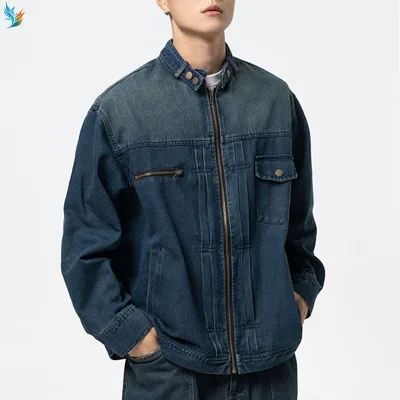

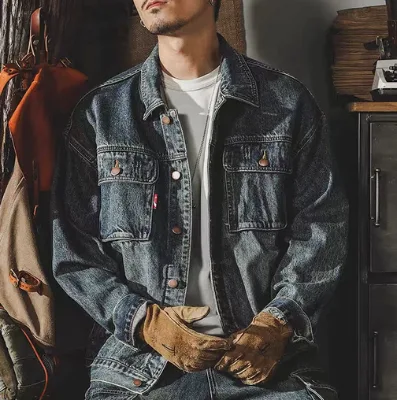
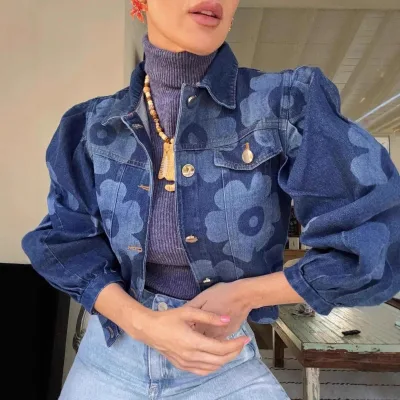
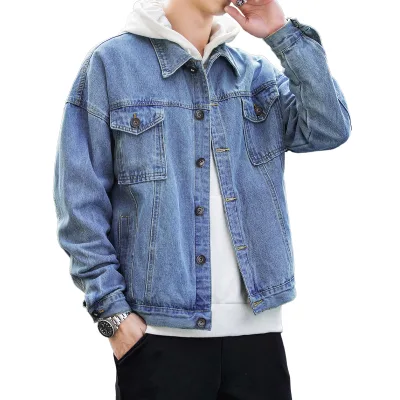
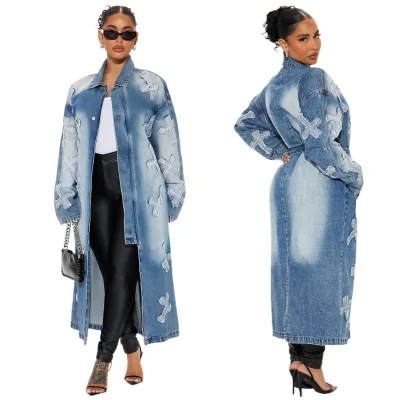

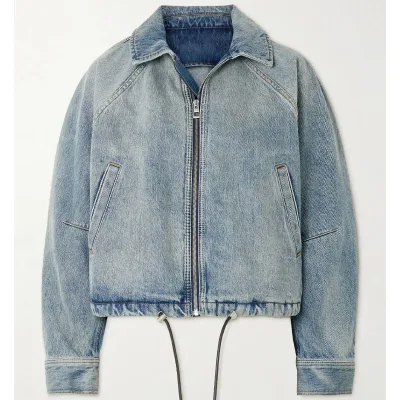


Unisex Two in One Oversized Denim Jacket with Hood Soft Washed Vintage Style
$8.00 - $18.00
MOQ: 100 Pieces



Comprehensive Sourcing Guide
Strategic Sourcing Guide for Vintage Washed Denim Jackets
Navigating the global market for vintage washed denim jackets requires a disciplined approach that balances aesthetic authenticity with rigorous supply chain verification. Buyers seeking this specific garment type must understand that "vintage washed" is not merely a marketing term but a complex combination of fabric composition, dyeing techniques, and finishing processes. The following guide synthesizes available product attributes and industry standards to provide a framework for evaluating suppliers, ensuring quality, and managing procurement risks without relying on unverified claims or specific supplier names.
Technical Specifications and Material Composition
The foundation of a high-quality Vintage Washed Denim Jacket lies in its material composition and weaving process. Based on observed product data, the primary material for this category is often cotton or a blend such as Polyester Cotton Denim. The standard for 100% cotton is a frequent benchmark, yet buyers must verify if the specific lot adheres to this or utilizes a blend to achieve specific weight or stretch properties. The "Vintage Washed" aesthetic is heavily dependent on the weaving process, which is frequently observed as either Striped or Checked, or utilizing Yarn Dyed techniques. Yarn dyeing is particularly critical for achieving the depth of color and the characteristic fading associated with vintage styles.
When evaluating technical specifications, attention must be paid to the fabric type and knitting methods. While denim is traditionally woven, some variations in the market may utilize Knit methods or Satin Fabric for specific sub-styles, though these deviate from traditional denim construction. The "Washed" craft is a definitive attribute, indicating a post-production treatment that softens the fabric and creates the desired aged look. Buyers should verify if the washing process includes enzyme treatments, stone washing, or chemical bleaching, as these affect the hand feel and durability.
Furthermore, the physical dimensions and fit are crucial. Observed data indicates a wide range of sizes, from S to 3XL, with specific models like JK003 or 509 representing different cuts. The style is often described as Loose or Casual, with a Crew Neck collar being a common feature. Sleeve length is typically Long Sleeve with a Regular Sleeve type, though decorative methods such as Spliced detailing can alter the silhouette. The pattern type is often Solid, but Printed options exist, and the Dyed Color can range from standard Blue to White. Understanding these variables is essential for matching the product to the target demographic, which is predominantly adult men, though the style often transcends gender boundaries.
Compliance, Certification, and Quality Standards
In the B2B procurement of denim garments, compliance and certification are non-negotiable, yet the market data presents a mixed picture regarding formal standards. While the product attributes list "High Quality" as a general claim, specific certification status such as GOTS (Global Organic Textile Standard) or OEKO-TEX is noted only as low-confidence background information. This distinction is vital; buyers cannot assume a supplier holds these certifications based on general product listings. Instead, procurement teams must treat these as verification targets rather than guaranteed attributes.
The product standard field in the data shows entries like "no" or specific volume measurements like "0.04CBM," which suggests that formal textile standards may not be uniformly applied across all listings. Consequently, buyers must actively request proof of compliance. This includes verifying that the "100% cotton" standard is met through third-party testing, especially if the marketing claims organic or eco-friendly processing. The absence of a specific certification in the initial data means the buyer must include a clause in the purchase agreement requiring the supplier to provide valid test reports for chemical residues, color fastness, and fiber content before shipment.
Quality assurance also extends to the packaging and origin. The product origin is consistently listed as China, a major hub for denim manufacturing. The packing methods vary significantly, ranging from "1PC Per Polybag" to "Sack" or "Carton." These variations impact logistics costs and product protection. A "Carton" packing method is generally preferred for bulk shipments to prevent crushing and moisture damage, whereas "Polybag" might be suitable for smaller, direct-to-consumer shipments. The "Custom" logo availability and "OEM Service" indicate that branding is a key component of the supply chain, requiring strict quality control on the application of logos to ensure they do not compromise the fabric integrity or the vintage aesthetic.
Cost Drivers and Pricing Dynamics
The pricing for vintage washed denim jackets is influenced by a complex interplay of material costs, labor intensity, and customization requirements. The observed price range in the market spans from $0.90 to $49.55 USD, a disparity that reflects differences in material quality, wash complexity, and order volume. The lower end of this spectrum likely corresponds to basic polyester-cotton blends with standard washing processes and minimal customization. Conversely, the higher end suggests 100% cotton construction, complex yarn-dyed patterns, and extensive hand-finished washing techniques.
Minimum Order Quantity (MOQ) is another significant cost driver. The data indicates an MOQ range of 1 to 800 units, with a specific high-confidence observation of 100PCS. Suppliers with an MOQ of 100PCS are typical for OEM services, allowing for smaller batch testing without the prohibitive costs of large-scale production. However, buyers should be aware that lower MOQs often come with a higher unit price due to the setup costs for dyeing and washing. The "Customization" attribute further impacts cost; adding a custom logo or specific spliced designs requires additional setup time and labor, which will be reflected in the final quote.
Lead times and logistics also play a role in the total cost of ownership. While specific lead times are not provided in the data, the complexity of the "Washed" craft implies a longer production cycle compared to standard garment manufacturing. The washing process alone can take several days, and if the supplier is in China, shipping times must be factored into the inventory planning. Buyers should negotiate pricing based on the total landed cost, including packaging (Carton vs. Polybag) and any potential tariffs, rather than focusing solely on the FOB price.
Typical Applications and Market Segmentation
Understanding the application of vintage washed denim jackets is crucial for aligning procurement with market demand. The product attributes clearly identify the target user as "Adults" and the gender as "Men," with a seasonal focus on Spring/Autumn and Winter. This suggests that the primary application is in the casual wear sector, specifically for outerwear that provides warmth and style during transitional weather. The "Loose" style and "Casual Clothes" type indicate that these jackets are designed for everyday wear, street fashion, and leisure activities.
The versatility of the denim jacket allows for diverse applications across different market segments. The "Denim" style and "Leisure Jacket" pattern make it suitable for retail chains, boutique fashion stores, and direct-to-consumer e-commerce platforms. The "Custom" logo feature opens opportunities for corporate branding, promotional merchandise, and private label brands. For instance, a company might order jackets with a custom logo for employee uniforms or promotional events, leveraging the "High Quality" perception of the garment.
Seasonal variations also dictate application. While the primary season is Spring/Autumn, the data also lists "Summer" and "Winter" as attributes. This indicates that the market offers variations in fabric weight and lining. Lightweight versions may be marketed for summer evenings, while heavier, washed denim is ideal for winter layering. Buyers must ensure that the supplier can provide the appropriate weight and thermal properties for the specific season they are targeting. The "Printed" or "Solid" pattern options allow for differentiation in the market, catering to consumers who prefer bold statements versus those who favor classic, understated looks.
Supplier Evaluation and Verification Protocols
Evaluating suppliers for vintage washed denim jackets requires a multi-faceted approach that goes beyond simple price comparisons. Given the "OEM Service" and "Customization" capabilities, buyers should prioritize suppliers who demonstrate transparency in their production processes. The presence of specific model numbers like JK003, 509, 15, and 70 suggests that established manufacturers have defined product lines, which can be a proxy for experience and consistency.
Buyers should verify the supplier's ability to handle the "Washed" craft consistently. Inconsistent washing can lead to variations in color and texture, which is unacceptable for a brand building a reputation for quality. Requesting pre-production samples is essential to verify the "High Quality" claim and the "100% cotton" standard. Additionally, the "Custom" logo capability must be tested to ensure the application method (e.g., embroidery, printing, patch) does not degrade the fabric or look unprofessional.
The "Service" attribute of OEM implies that the supplier should be flexible regarding design changes and packaging. Buyers should assess the supplier's communication responsiveness and their ability to provide detailed technical packs. The variation in packing methods (Polybag, Sack, Carton) indicates that the supplier should be able to adapt to the buyer's logistical needs. Finally, the "Low-confidence" status of certifications like GOTS or OEKO-TEX means that buyers must conduct their own due diligence, potentially requesting third-party audit reports or visiting the factory to verify compliance with labor and environmental standards.
Quality Control and Long-Term Procurement Strategy
Implementing a robust quality control (QC) strategy is paramount for maintaining the integrity of vintage washed denim jackets. The "Washed" process introduces variables that can affect color fastness and shrinkage. Buyers should establish clear acceptance criteria for these attributes, including specific test results for color bleeding and dimensional stability. The "Craft" of washing must be consistent across the entire batch to avoid "lot-to-lot" variation, which can damage brand credibility.
Long-term procurement considerations involve building a sustainable relationship with suppliers who can scale with demand. The observed MOQ of 100PCS allows for initial testing, but buyers should plan for volume increases that may require negotiating lower unit costs. The "Customization" aspect suggests that as the brand grows, the design complexity may increase, requiring a supplier with advanced capabilities in splicing, dyeing, and finishing.
Buyers should also consider the environmental impact of the washing process. While specific certifications are not guaranteed, adopting a strategy that prioritizes suppliers with water recycling systems or eco-friendly washing chemicals can align with modern sustainability goals. The "100% cotton" standard is a positive attribute, but the sourcing of that cotton should be verified to ensure it meets ethical standards. Finally, maintaining a buffer stock of popular models like JK003 or 509 can help mitigate supply chain disruptions, ensuring that the brand can meet market demand during peak seasons like Spring/Autumn.
Comparative Analysis of Product Attributes
To facilitate decision-making, the following table summarizes key attributes observed in the market data, highlighting the variations buyers must navigate.
| Attribute Category | Observed Variations | Procurement Implication |
|---|---|---|
| Material | Cotton, Polyester Cotton Denim, Stretch Denim | Verify fiber content; blends affect cost and feel. |
| Weaving Process | Striped, Checked, Yarn Dyed | Yarn dyed is preferred for authentic vintage look. |
| Season | Spring/Autumn, Winter, Summer | Ensure fabric weight matches target season. |
| Style | Loose, Denim, Casual Clothes | Define fit requirements (e.g., Crew Neck, Regular Sleeve). |
| Packing | Polybag, Sack, Carton | Carton is best for bulk; Polybag for small orders. |
| MOQ | 1 to 800 (Common: 100PCS) | Lower MOQ increases unit cost; negotiate for volume. |
| Customization | Logo, OEM, Custom Pattern | Essential for branding; verify application quality. |
| Origin | China | Standard hub; verify logistics and lead times. |
By adhering to these guidelines and maintaining a rigorous focus on verified facts, buyers can successfully source high-quality vintage washed denim jackets that meet both aesthetic and operational requirements. The key lies in balancing the artistic elements of the "vintage" aesthetic with the practical necessities of B2B procurement, ensuring that every order delivers on the promise of quality and consistency.
FAQs
Can I order a Vintage Washed Denim Jacket with a custom logo?
Yes, custom logo application is available for this product. The supplier offers OEM service allowing you to add your branding to the jacket, provided you meet the minimum order quantity of 100 pieces for production.
What material is used for the Vintage Washed Denim Jacket?
The jacket is primarily made from cotton or a polyester cotton denim blend. Some specific models utilize 100% cotton standards, while others may use stretch denim to achieve a specific fit and comfort level for the wearer.
Which sizes are available for the Vintage Washed Denim Jacket?
Available sizes range from Small to 3XL, including S, M, L, XL, 2XL, and 3XL options. Specific models like JK003 and 509 may have distinct sizing charts, so verify the exact model dimensions before placing a bulk order.
How is the Vintage Washed Denim Jacket packaged for shipment?
Packaging varies by order type, ranging from one piece per polybag to bulk sacks or cartons. Cartons are generally preferred for protecting the garments during long-distance shipping, while polybags suit smaller direct-to-consumer shipments.
What is the minimum order quantity for a Vintage Washed Denim Jacket?
The standard minimum order quantity is 100 pieces for this product line. However, some suppliers may accept orders as low as one piece for sampling, though unit pricing will likely be higher for smaller quantities.
Can I find a Vintage Washed Denim Jacket made in China?
Yes, the product origin is consistently listed as China for these denim jackets. This location is a major hub for denim manufacturing, offering access to various weaving processes like yarn dyeing and striped or checked patterns.
Which season is the Vintage Washed Denim Jacket suitable for?
The jacket is designed for Spring, Autumn, and Winter seasons due to its cotton or denim composition. Some variations may be marketed for Summer evenings, but the primary application is casual outerwear for cooler transitional weather.