Source Vintage Unisex Finger Ring for Wedding, Decoration, Gift
Explore 30 listings of Vintage Unisex Finger Ring options featuring stainless steel and alloy materials. Buyers can compare styles like round, square, and flower shapes with customization services available for wedding, decoration, and gift occasions.
Key considerations
Products List


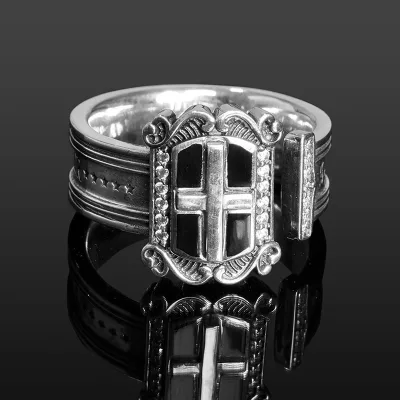
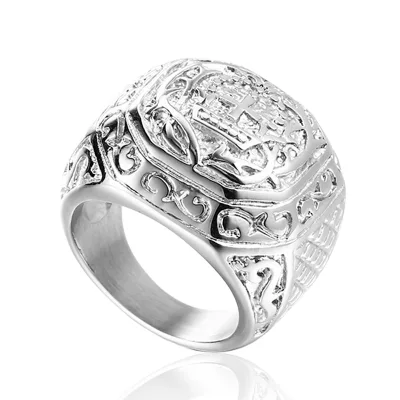

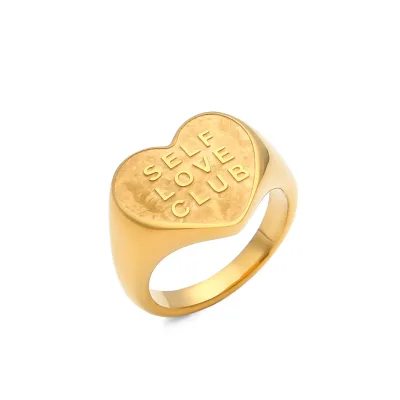
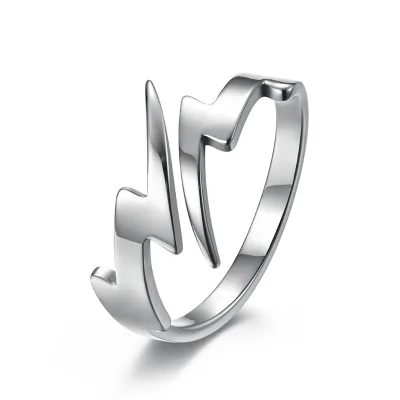
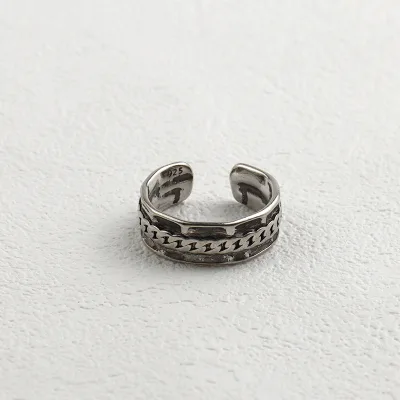
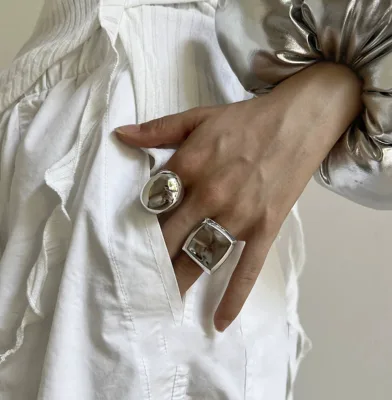
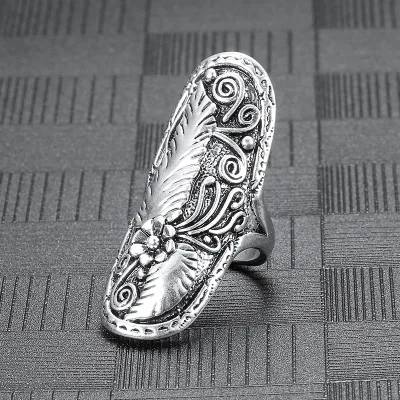


Wholesale Sunflower Rotating Fashionable Relieving Sunflower Finger Ring
$0.60 - $0.68
MOQ: 1500 Pieces

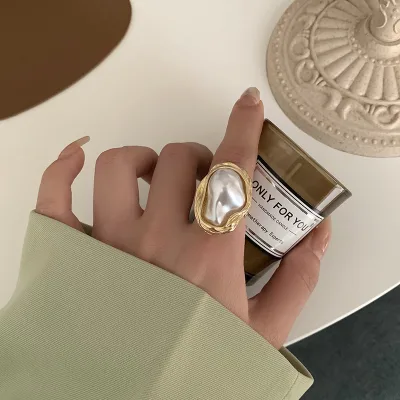
Hot Selling Round Zircon Ring Niche Simple Finger Fashionable Versatile Ring
$1.05 - $1.18
MOQ: 900 Pieces




Comprehensive Sourcing Guide
Vintage Unisex Finger Ring Sourcing Guide
Sourcing vintage-style unisex finger rings requires a nuanced understanding of material versatility, aesthetic diversity, and manufacturing precision. The market for this category is characterized by a wide spectrum of designs, ranging from simple bands to intricate inlaid or cross-patterned pieces, catering to both male and female demographics as well as unisex audiences. Buyers must navigate a landscape where "vintage" is not a single standardized product but a stylistic umbrella covering retro, elegant, and fashion-forward interpretations. The core challenge lies in aligning the desired aesthetic with the correct material properties, such as stainless steel for durability or alloy for cost-effective plating, while ensuring the final product meets the specific usage requirements of weddings, decorations, or gifts.
This guide provides a structured approach to evaluating suppliers and products within this niche. It focuses on verifying technical specifications, understanding cost drivers, and establishing quality control measures based on observed market signals. By adhering to evidence-based procurement practices, buyers can mitigate risks associated with inconsistent finishes, inaccurate sizing, and non-compliant materials. The following sections detail the critical steps for sourcing high-quality vintage unisex rings, emphasizing the importance of clear communication with suppliers regarding customization, packaging, and origin details.
Product Scope and Observed Listing Signals
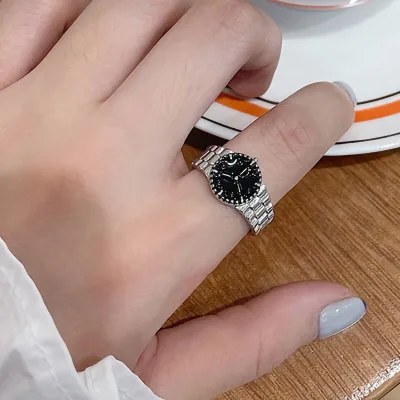
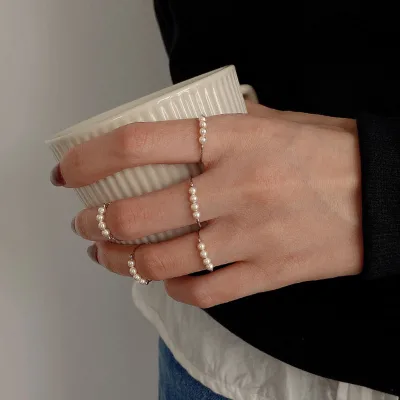
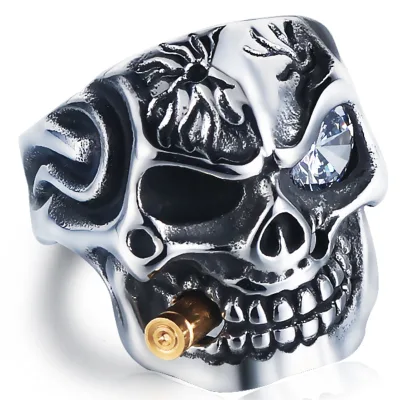
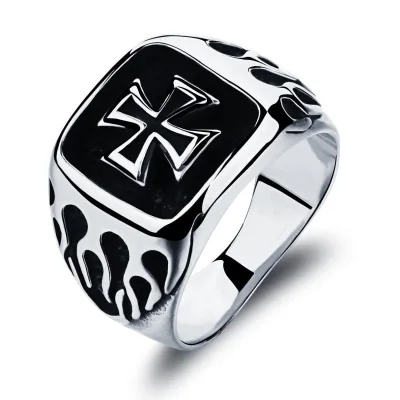
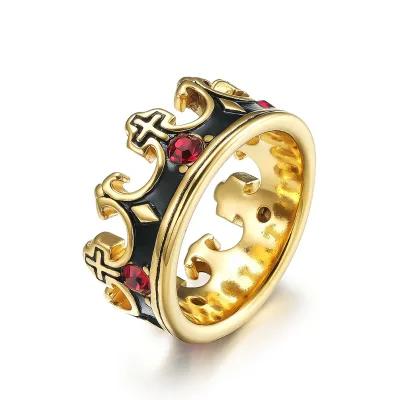
The observed product landscape for vintage unisex rings reveals a diverse array of styles, including prime rings, inlaid rings, and pieces with cross or flower patterns. Materials vary significantly, with stainless steel and alloy being the most common bases, each offering distinct advantages in terms of weight, durability, and finish. Stainless steel options often feature polishing processes and come in colors like white or black, while alloy rings may utilize electroplating techniques to achieve gold or black zinc finishes. These material choices directly influence the ring's appearance, tactile feel, and suitability for different occasions, such as anniversaries or general decoration.
Listing signals indicate that customization is a key differentiator in this market, with many suppliers offering logo services and accepting customized designs. Products are frequently described with specific attributes such as "fade-resistant" finishes, adjustable sizes, and specific packing methods like OPP or PP bags. The presence of multiple model numbers, such as R30629, R30626, and XR0800, suggests a high degree of variety in design and specification. Buyers should note that while some products are marketed as unisex, others may be specifically targeted toward male or female demographics, requiring careful review of product descriptions to ensure alignment with target audience expectations.
Technical Specifications to Verify
Verifying material composition is the first critical step in technical evaluation. Buyers must confirm whether the ring is made from stainless steel or alloy, as this determines its longevity, hypoallergenic properties, and resistance to tarnishing. For stainless steel rings, the polishing process should be inspected to ensure a smooth, high-quality finish that meets aesthetic standards. For alloy rings, the electroplating process must be verified to ensure the plating is durable and resistant to fading, especially if the ring is intended for frequent wear. The weight of the ring, often around 10g for certain models, should also be confirmed to ensure it meets the desired heft and quality perception.
Sizing and dimensional accuracy are equally important, particularly for unisex products that must fit a wide range of finger sizes. Some listings indicate adjustable sizes, which can be a significant advantage for reducing return rates, while others specify fixed sizes such as 7#. Buyers should verify the standard dimensions, such as 578cm or 578mm, to ensure the product matches the intended design scale. Additionally, the origin of the product, often Zhejiang, China, should be noted as it can impact shipping logistics and lead times. Understanding these technical details helps buyers make informed decisions about inventory management and customer satisfaction.
Compliance and Safety Documentation
While specific certification statuses are not universally provided in all listings, buyers must proactively request documentation to ensure compliance with international safety standards. For rings intended for direct skin contact, verifying the absence of harmful substances such as lead, cadmium, and nickel is essential. This is particularly relevant for alloy rings with electroplated finishes, where the plating process must adhere to strict environmental and safety regulations. Buyers should ask suppliers for test reports from accredited laboratories to confirm that the materials used are safe for prolonged wear and do not cause allergic reactions.
Packaging standards also play a role in compliance and product protection. Listings indicate the use of OPP bags, PP bags, or specific packing dimensions like 578cm. Buyers should ensure that the packaging materials are non-toxic and suitable for the intended market, especially if the rings are being sold in regions with strict environmental regulations. Additionally, verifying that the supplier adheres to standard production practices in their region of origin, such as Zhejiang, China, can provide assurance of consistent quality and regulatory compliance. Clear communication with suppliers regarding these documentation requirements is crucial to avoid potential legal and reputational risks.
Cost Drivers and Commercial Terms
The cost of vintage unisex rings is influenced by several factors, including material choice, manufacturing complexity, and customization requirements. Stainless steel rings, due to their durability and polishing processes, may command a higher price than alloy rings, which often rely on electroplating for their finish. Customization services, such as logo engraving or specific design modifications, add to the overall cost and should be factored into the budget. Buyers should also consider the minimum order quantity (MOQ), which can range from 5 to 1500 units, as this impacts the per-unit cost and inventory holding expenses.
Pricing structures in this market are often flexible, with observed price ranges varying significantly based on the specific model and customization level. Buyers should negotiate clear commercial terms, including payment methods, shipping costs, and lead times. It is important to clarify whether the quoted price includes packaging, such as OPP or PP bags, and any additional services like logo printing. Understanding these cost drivers helps buyers develop accurate budgets and avoid unexpected expenses during the procurement process. Transparent communication with suppliers regarding pricing and terms is essential for building a sustainable supply chain.
Supplier Qualification and Quality Control
Evaluating supplier qualifications is critical to ensuring consistent product quality and reliable service. Buyers should assess the supplier's experience in manufacturing vintage-style rings, their production capacity, and their ability to handle customization requests. Suppliers located in Zhejiang, China, often have established supply chains and expertise in metalworking, but buyers should verify their track record through references or past performance data. Requesting samples before placing bulk orders is a best practice to evaluate the quality of materials, finishes, and overall craftsmanship.
Quality control measures should be clearly defined and agreed upon with the supplier. This includes specifying acceptance criteria for visual defects, dimensional accuracy, and finish durability. Buyers should establish a process for inspecting incoming goods, including checks for packaging integrity and product labeling. Regular communication with the supplier regarding production progress and any potential issues can help prevent delays and ensure that the final product meets the agreed-upon standards. Implementing a robust quality control system helps minimize the risk of receiving substandard products and maintains customer satisfaction.
Long-Term Procurement Checks
Establishing long-term relationships with suppliers requires ongoing monitoring and evaluation of performance metrics. Buyers should regularly review supplier performance based on criteria such as on-time delivery, product quality, and responsiveness to issues. Maintaining open lines of communication and providing constructive feedback can help improve the supplier's performance over time. Additionally, buyers should stay informed about market trends and changes in consumer preferences to ensure that the sourced rings remain relevant and competitive.
Continuous improvement in the procurement process is essential for long-term success. Buyers should periodically reassess their supplier base to identify opportunities for cost savings, quality improvements, or risk mitigation. This may involve exploring new suppliers, negotiating better terms, or implementing new quality control measures. By staying proactive and adaptable, buyers can build a resilient supply chain that supports their business goals and meets the evolving needs of their customers. Regular audits and performance reviews help ensure that the procurement process remains efficient and effective.
FAQs
What customization options are available for these rings?
Customization is available for these rings, allowing buyers to request specific designs or logos. The product page confirms that logo services are offered and customized orders are accepted. This flexibility supports unique branding needs for wedding, decoration, or gift purposes.
Which materials are used to manufacture these vintage rings?
These rings are manufactured using stainless steel and alloy materials. The product attributes list stainless steel for some models and alloy for others, ensuring durability. Both materials are processed through polishing or electroplating to achieve the desired finish and style.
Can buyers find rings with adjustable sizes?
Yes, buyers can find rings with adjustable sizes among the available options. One specific model is listed with an adjustable ring size, making it suitable for various finger dimensions. This feature is particularly useful for unisex designs intended for gifts or decorations.
What shapes and styles are offered for these rings?
The rings come in round, square, flower, and cross shapes with styles ranging from fashion to retro. Options include elegant and simple designs suitable for both male and unisex wearers. The variety ensures that buyers can select a style matching their specific occasion or preference.
How are these rings packaged for shipment?
These rings are packaged in OPP bags or PP bags, with some items packed as one piece per bag. The packaging is designed to protect the product during transit while maintaining a clean presentation. This standard packing method applies to the various models listed on the product page.
What is the origin location of these ring products?
The origin location for these rings is China, specifically Zhejiang. This region is known for its manufacturing capabilities in jewelry and accessories. The products listed are sourced from this location, ensuring consistent quality and availability for international buyers.