Source Visible Fluid UPVC Sampling Pipe for Irrigation, Water Supply, and Chemical Handling
Find 30 listings for Visible Fluid UPVC Sampling Pipe designed for agricultural irrigation, drinking water supply, and chemical liquid transport. Buyers can compare specifications like pressure grade, material, and customization options from verified suppliers in China.
Key considerations
Products List


Factory Direct Sale UPVC Pressure Pipe for Water Supply UPVC Water Pipe
$1.20 - $1.35
MOQ: 1000 Meters


UPVC Reducer Pipe PVC Plastic Tube UPVC Water Supply Pipe PVC Water Pipe
$0.86 - $2.58
MOQ: 1000 Pieces





Comprehensive Sourcing Guide
Strategic Sourcing Guide for Visible Fluid UPVC Sampling Pipes
Understanding the Technical Profile of Transparent UPVC Sampling Pipes
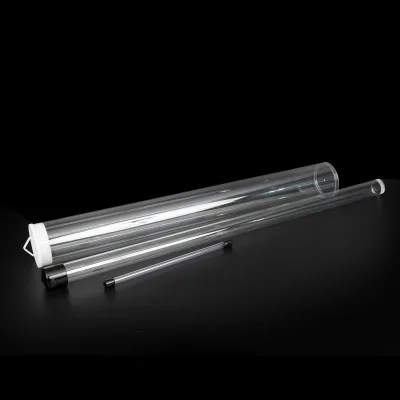
When sourcing a Visible Fluid UPVC Sampling Pipe, the primary objective is to identify a product that combines the chemical resistance of unplasticized polyvinyl chloride (UPVC) with the optical clarity required for real-time fluid monitoring. Based on available market data, these products are fundamentally categorized as thermoplastic pipes designed specifically for applications where the visibility of the conveyed medium is critical. The core material specification consistently points to UPVC plastic, which offers a robust balance of durability and transparency.
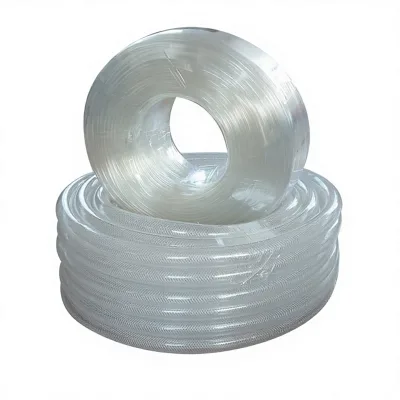
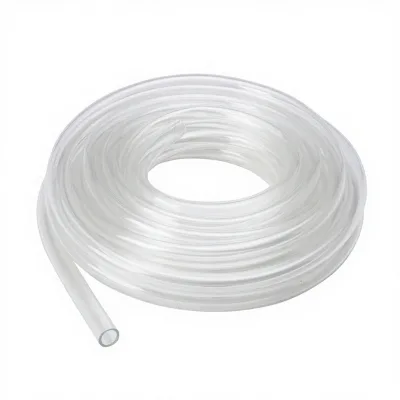
The physical attributes of these pipes are distinct. The shape is universally round, facilitating standard flow dynamics and connection compatibility. A defining characteristic is the hollow construction, which allows for the passage of various media. The hardness is classified as a "Hard Tube," indicating a rigid structure that maintains its form under pressure without the need for external reinforcement in standard applications. The color profile is notably transparent, a feature that directly supports the "Visible Fluid" capability. This transparency is not merely aesthetic; it is a functional requirement for applications such as agricultural irrigation monitoring, chemical liquid sampling, and drinking water supply checks.
The optical performance is a key differentiator. High light transmittance is a documented feature, ensuring that operators can clearly observe the fluid's state, color, and potential particulate matter without the need for external sensors or sampling ports. This feature is particularly valuable in scenarios where immediate visual feedback is necessary to prevent contamination or to verify flow integrity. The pipes are engineered to handle specific pressure grades, with Pn16 being a standard rating observed in the market, suggesting suitability for medium-pressure industrial and municipal applications.
Technical Specifications and Dimensional Standards
Selecting the correct dimensions is paramount for system integration. The market offers a wide range of nominal diameters (DN) to accommodate diverse flow requirements. General parameters indicate a broad spectrum from DN15 to DN300, though specific product models often narrow this range to DN15-200 or even DN10 for specialized sampling needs. In metric terms, models are frequently listed with dimensions ranging from 20mm to 400mm, providing flexibility for both small-scale laboratory sampling and large-scale agricultural irrigation.
Length specifications are another critical variable. Standard offerings often include a fixed length of 6 meters, but the market also supports custom requests, allowing buyers to tailor the pipe length to their specific installation geometry. This customization extends to the connection forms, with threaded connections being a prevalent option. This ensures compatibility with a wide array of existing fittings and valves in both agricultural and industrial settings.
The following table summarizes the typical dimensional and structural specifications observed in the current market for these products:
| Specification Category | Observed Range / Value | Notes |
|---|---|---|
| Material | UPVC Plastic | Unplasticized Polyvinyl Chloride |
| Shape | Round | Standard circular cross-section |
| Hardness | Hard Tube | Rigid structure, no flexibility |
| Color | Transparent | High light transmittance |
| Nominal Diameter (DN) | DN10 to DN300 | Specific models may range DN15-200 |
| Metric Diameter | 20mm to 400mm | Covers small to large scale needs |
| Pressure Grade | Pn16 | Standard pressure rating observed |
| Standard Length | 6 meters | Custom lengths available upon request |
| Connection Form | Thread | Compatible with threaded fittings |
| Usage | Agricultural Irrigation, Water Supply, Chemical Liquid | Dual-purpose for supply and sampling |
It is essential for buyers to verify that the specific model number, such as ZX260701-2 or others, aligns with the required pressure and diameter for their specific project. The "Standard" designation often refers to the manufacturing consistency rather than a specific international code, so cross-referencing with ASTM, DIN, or ISO standards is necessary for compliance-heavy projects.
Compliance, Certification, and Standard Verification
In the B2B procurement of industrial piping, relying solely on manufacturer claims is insufficient. Buyers must rigorously verify compliance with recognized international standards. While some product listings mention adherence to ASTM, DIN, and ISO standards, the specific standard applicable to a given batch must be confirmed. The "Standard" attribute in product data often appears as "Customized" or "Standard," which indicates that the manufacturer can adapt to specific regulatory requirements but does not guarantee a pre-set certification.
For applications involving drinking water, the material must be certified as safe for potable use. The "Applicable Medium" attribute explicitly lists "Drinking Water" and "Chemical Liquid," implying that the UPVC formulation is chemically inert and non-toxic. However, buyers should request specific test reports or certificates of analysis (CoA) that validate the pipe's compliance with local health and safety regulations, such as NSF/ANSI 61 for drinking water in the United States or WRAS in the UK.
Regarding chemical resistance, the "Anti-Corrosion" feature is a significant selling point. UPVC is inherently resistant to a wide range of acids, bases, and salts, making it ideal for chemical liquid transport. Nevertheless, the specific chemical compatibility chart for the exact grade of UPVC used should be reviewed. The "Visible Fluid" capability does not compromise the pipe's structural integrity or chemical resistance, but it does require that the transparency is maintained over time without yellowing or degradation, which is a common failure mode in lower-quality transparent plastics.
Buyers should also verify the "Standard" designation against the specific application. For instance, agricultural irrigation may have different pressure and UV resistance requirements compared to indoor chemical sampling. The "Customized" standard option suggests that manufacturers can tailor the product to meet specific project standards, but this requires clear communication of those standards during the procurement phase.
Cost Drivers and Pricing Dynamics
The pricing structure for visible fluid UPVC sampling pipes is influenced by several factors, including material costs, dimensional specifications, and customization levels. The observed price range in the market is exceptionally broad, spanning from $0.01 to $40,000. This variance is not indicative of quality differences alone but rather reflects the scale of the order and the specific product configuration. A single small-diameter pipe will naturally cost a fraction of a large-diameter, high-pressure, or custom-length assembly.
The Minimum Order Quantity (MOQ) is a significant cost driver. Data indicates an MOQ range of 1 to 1000 pieces. Buyers seeking small quantities for prototyping or pilot projects may find suppliers with low MOQs, but these often come with a higher unit price. Conversely, bulk orders that meet or exceed the 1000-piece threshold typically benefit from economies of scale, significantly reducing the per-unit cost. The "Number of Pieces" attribute in some listings suggests that large-scale orders can reach volumes of 10,000 pieces, which would likely trigger the most favorable pricing tiers.
Customization is another major factor affecting cost. The "Customization: Available" attribute confirms that buyers can request specific diameters, lengths, or connection types. However, custom orders often incur additional setup fees or higher unit costs due to the non-standard production runs. The "OEM: Accepted" and "Brand: Skr/OEM Customizable" attributes indicate that branding and packaging can be tailored, which adds to the overall cost but may be necessary for brand consistency in large projects.
Packaging also plays a role in the final landed cost. Options include pallets, carton boxes, or plastic bags inside standard cartons. The choice of packaging affects shipping efficiency and protection during transit. For international shipping, robust packaging like pallets is often required to prevent damage, which can increase the overall weight and volume of the shipment, thereby influencing freight costs.
Typical Applications and Usage Scenarios
The versatility of visible fluid UPVC sampling pipes makes them suitable for a diverse array of industrial and agricultural applications. The primary use cases identified include agricultural irrigation, water supply systems, and chemical liquid handling.
In the agricultural sector, these pipes are utilized for irrigation systems where monitoring water flow and quality is essential. The "Visible Fluid" feature allows farmers and agronomists to quickly detect blockages, air pockets, or contamination in the irrigation lines. The "High Light Transmittance" ensures that even in low-light conditions, the fluid status can be assessed. The "Anti-Corrosion" property is particularly valuable in this context, as irrigation water often contains fertilizers and pesticides that can degrade standard metal pipes.
For water supply systems, the pipes serve as both distribution lines and sampling points. The ability to see the water flowing through the pipe helps in verifying the clarity and safety of the supply. The "Easy Sampling" feature is a critical advantage here, as it allows for direct visual inspection without the need for complex sampling valves or additional equipment. This is especially useful in municipal water treatment plants and building water supply systems where the "Applicable Medium" includes drinking water.
In industrial settings, the pipes are employed for chemical liquid transport. The UPVC material's resistance to corrosion makes it ideal for handling aggressive chemicals. The transparency allows for immediate detection of leaks, phase separation, or unexpected color changes in the chemical stream, which is vital for safety and process control. The "Drainpipe" and "Water Supply Pipe" usage labels further expand their utility in building construction and facility management.
Supplier Evaluation and Quality Control Protocols
Evaluating suppliers for visible fluid UPVC sampling pipes requires a multi-faceted approach. The "Place of Origin" is frequently listed as China, with specific regions like Shandong and Fujian emerging as manufacturing hubs. While these regions have established supply chains, buyers should verify the specific factory capabilities and quality control systems. The "Craft" attribute suggests a focus on manufacturing technique, but this should be validated through site audits or third-party inspections.
Quality control should begin with the raw material verification. The "Raw Material" is specified as UPVC Plastic, but the grade and purity can vary. Buyers should request material data sheets (MDS) to confirm the resin type and the absence of harmful additives that could compromise transparency or safety. The "Warrantion: 50 Years" claim is a significant selling point, but it must be backed by a comprehensive warranty document that outlines the terms and conditions, including coverage for material defects and performance failures.
Lead time and delivery reliability are critical for project planning. The "Deliver Day" and "Delievery time" attributes show a range from 7 days to 15 working days. Buyers must clarify whether these timelines apply to stock items or custom orders. The "Transport" options, including sea, air, rail, and courier services like FedEx, UPS, and DHL, offer flexibility, but the choice of transport method will impact the delivery timeline and cost.
Sample availability is a crucial step in the evaluation process. The "Sample: Availiable" attribute indicates that suppliers are willing to provide samples for testing. Buyers should request samples to verify the transparency, hardness, and connection quality before committing to a large order. The "Installation: Customized" attribute suggests that the supplier may offer technical support for installation, which can be a valuable service for complex projects.
Long-Term Procurement and Lifecycle Management
Procuring visible fluid UPVC sampling pipes is not just a one-time transaction but a long-term commitment to system reliability. The "Warrantion: 50 Years" claim suggests a focus on durability, but buyers must understand the factors that influence the actual lifespan of the pipes. UV exposure, temperature fluctuations, and chemical compatibility are key variables that can affect the pipe's performance over time.
Maintenance and replacement planning should be integrated into the procurement strategy. The "Easy Sampling" feature reduces the need for invasive maintenance, but regular visual inspections are still necessary to ensure the transparency remains intact. If the pipe begins to yellow or cloud, it may indicate degradation, and replacement should be considered.
The "OEM: Accepted" and "Brand: Skr/OEM Customizable" attributes offer opportunities for long-term partnerships. By working with suppliers who offer OEM services, buyers can ensure consistent branding and product specifications across multiple projects. This consistency simplifies inventory management and reduces the risk of compatibility issues when replacing sections of the piping system.
Finally, buyers should consider the environmental impact of their procurement decisions. UPVC is a recyclable material, and sourcing from suppliers who adhere to sustainable manufacturing practices can align with corporate social responsibility goals. The "Standard: Customized" option allows for the selection of materials and processes that meet specific environmental regulations, ensuring that the procurement strategy supports both operational needs and sustainability targets.
FAQs
What material is used for visible fluid UPVC sampling pipes?
These pipes are manufactured from UPVC plastic to ensure durability and chemical resistance. The material provides high light transmittance for visible fluid monitoring while maintaining a hard tube structure suitable for agricultural and industrial applications.
Can these pipes handle drinking water and chemical liquids?
Yes, the applicable medium includes both drinking water and chemical liquids. The UPVC formulation offers anti-corrosion properties, making it safe for potable water supply and resistant to aggressive chemical environments in industrial settings.
What is the pressure grade rating for these transparent pipes?
The standard pressure grade observed for these products is Pn16. This rating indicates suitability for medium-pressure applications, ensuring structural integrity during operation in water supply and chemical transport systems.
How can I customize the dimensions of the sampling pipe?
Customization is available for nominal diameters ranging from DN10 to DN300 and lengths up to 6 meters or specific requests. Buyers can also request custom connection forms and packaging options to fit their specific project requirements.
What is the typical delivery time for these transparent pipes?
The standard delivery time is approximately 7 days for ready stock items. For customized orders, the lead time may extend to 15 working days depending on the specific production schedule and order volume requirements.
Which connection forms are supported for these round pipes?
Threaded connections are the standard form provided for these round pipes. This ensures compatibility with a wide array of existing fittings and valves used in agricultural irrigation and building water supply systems.
What are the minimum order quantities for purchasing these pipes?
The minimum order quantity ranges from 1 piece for small samples to 1000 pieces for bulk orders. Specific listings may require a minimum of 1000 pieces, so buyers should verify the MOQ with the specific manufacturer.