Source Vitamin C Anti-Aging Facial Serum and Cream Set for Face, Eyes, Neck
Compare 30 listings of Vitamin C Anti-Aging Facial Serum and Cream Set from Guangdong suppliers. Review OEM services, ingredients like hyaluronic acid and Vitamin C, and certifications such as GMPC and MSDS for face, body, and eye care needs.
Key considerations
Products List
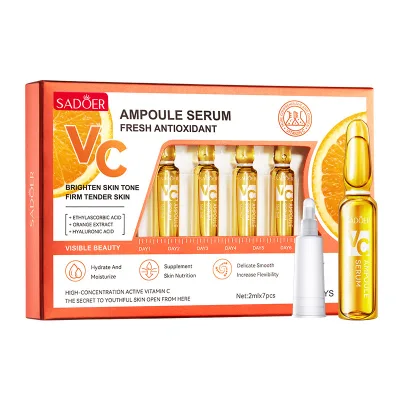
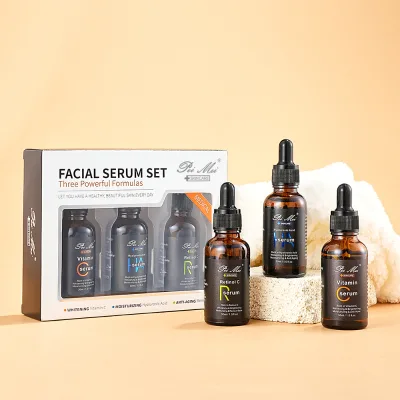
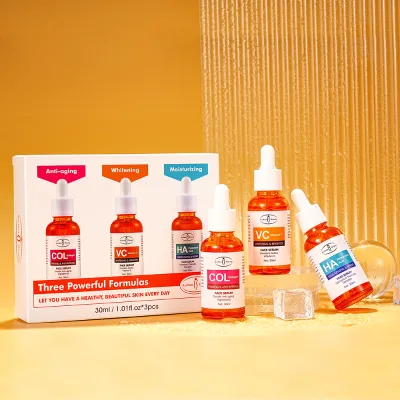
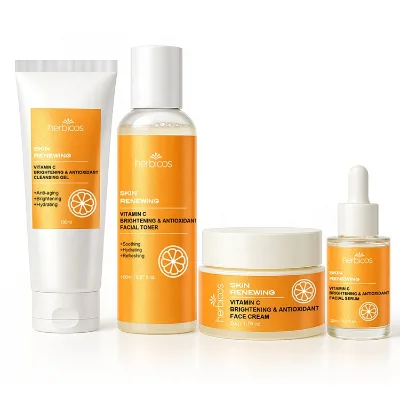
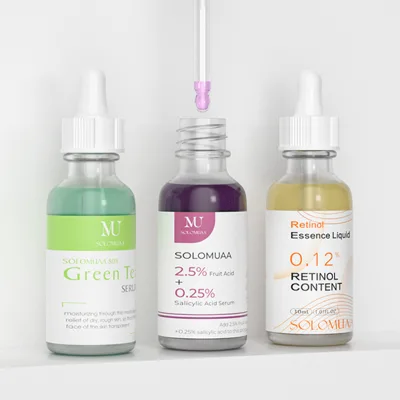
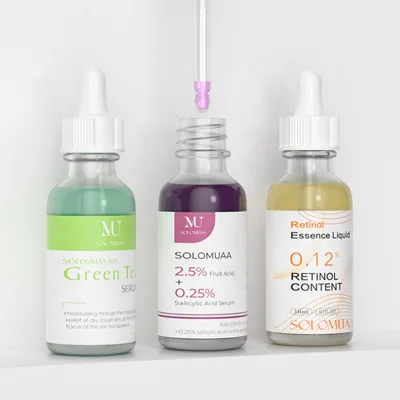
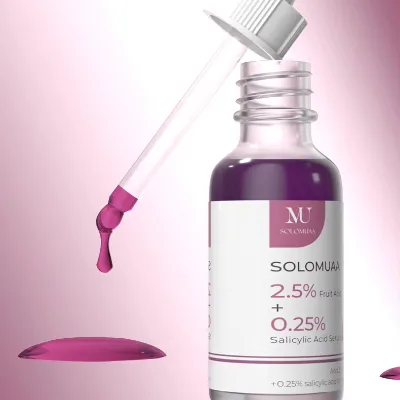


Skincare Firming & Brightening Vitamin CE Serum Anti Aging Face Serum
$2.02 - $2.52
MOQ: 3000 Pieces



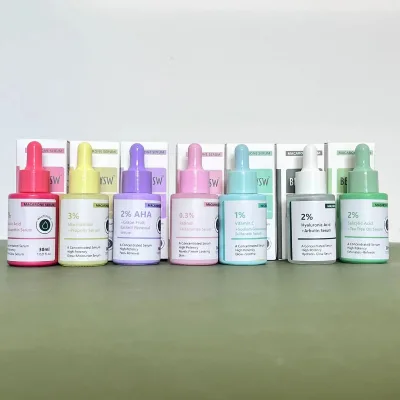
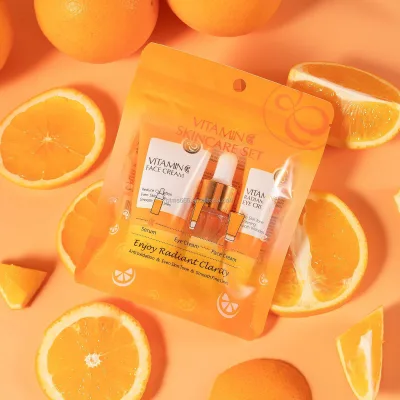
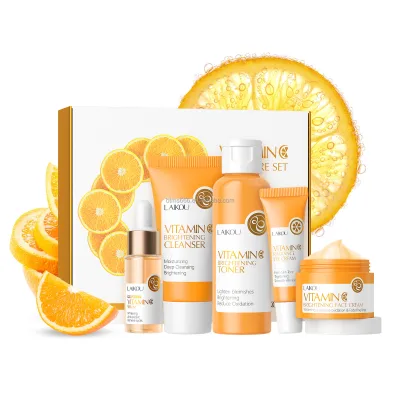

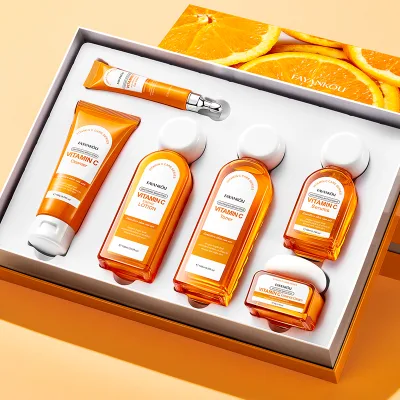


Comprehensive Sourcing Guide
Strategic Sourcing Guide for Vitamin C Anti-Aging Facial Serum and Cream Sets
Understanding Product Composition and Technical Specifications
When sourcing a Vitamin C anti-aging facial serum and cream set, the primary focus must be on the precise formulation and physical specifications that define the product's efficacy and stability. Based on available market data, the core active ingredients frequently cited in this category include Vitamin C, Hyaluronic Acid, and Retinol. These components are selected for their synergistic ability to address multiple skin concerns, specifically targeting brightening, moisturizing, and the reduction of fine lines. The presence of Aloe Vera and organic compounds is also observed in certain listings, suggesting a market segment that values soothing properties alongside potent anti-aging agents.
The physical form of these products is predominantly liquid, classified under the broader category of serums and essences. Volume specifications vary, with 30ml being a standard unit size, often available in customized configurations. Buyers should note that while some products are sold as single items, the specific keyword "set" implies a bundled offering. In observed data, a "Facial Serum Set" configuration includes a packing specification of 30ml per piece with a quantity of three pieces per set. This packaging format is critical for inventory planning and retail presentation.
The target application areas are extensive, covering the face, eyes, nose, and neck. This versatility requires the formulation to be safe for sensitive zones like the eye area while delivering the concentrated benefits required for the face and neck. The product is designed for daily care usage, intended for adult demographics, and is typically marketed toward female consumers. The texture and consistency are liquid, which necessitates specific packaging to prevent leakage and ensure the stability of the active ingredients, particularly Vitamin C, which can degrade when exposed to light and air.
Compliance, Certification, and Regulatory Verification
Navigating the regulatory landscape is a non-negotiable aspect of sourcing cosmetic products, especially those making claims related to anti-aging and skin revitalization. In the observed product data, specific certifications such as GMPC (Good Manufacturing Practice for Cosmetics) and MSDS (Material Safety Data Sheet) are highlighted. These documents serve as foundational evidence of a supplier's adherence to safety and quality management systems. GMPC certification indicates that the manufacturing facility follows standardized procedures to ensure product safety and consistency, which is vital for international distribution.
The MSDS is equally critical, providing detailed information on the chemical composition, handling, storage, and emergency measures related to the product. For a product containing active ingredients like Retinol and Vitamin C, the MSDS helps buyers understand potential hazards and ensures compliance with transport regulations. However, buyers must verify that these certifications are current and issued by recognized bodies, as the mere presence of a label does not guarantee ongoing compliance.
Beyond these specific certifications, the ingredient profile offers another layer of compliance verification. Products are frequently described as Paraben-Free, Silicone-Free, and Sulfate-Free. These "free-from" attributes are significant market differentiators that align with growing consumer demand for cleaner beauty products. The presence of mineral and herbal ingredients further supports a natural positioning. Buyers should request batch-specific test reports to confirm that the "Paraben-Free" and "Sulfate-Free" claims are backed by laboratory analysis, ensuring that no cross-contamination has occurred during the manufacturing process.
Cost Drivers and Pricing Structure Analysis
The pricing of Vitamin C anti-aging sets is influenced by a complex interplay of factors, including formulation complexity, packaging materials, and the extent of customization services. The observed price range in the market spans from $0.42 to $19.00 USD. This wide variance is not merely a reflection of brand value but is heavily driven by the level of OEM (Original Equipment Manufacturer) and ODM (Original Design Manufacturer) services provided.
At the lower end of the spectrum, products often utilize standard formulations with minimal customization, relying on generic packaging and basic labeling. These items may have a lower MOQ (Minimum Order Quantity), sometimes as low as one unit for sampling, but the unit cost increases significantly with volume. Conversely, the higher price points typically correspond to sets that include premium ingredients, such as high-concentration Vitamin C or specialized Retinol blends, along with custom packaging designs and private labeling services.
The "Professional Skin Care" advantage and the "20+ Years Experiences" of the supplier are also cost drivers. Suppliers with extensive experience often command higher prices due to their ability to formulate stable, effective products and navigate complex regulatory environments. Additionally, the customization of the net weight and volume, such as the 30ml standard versus custom sizes, impacts the final cost. Buyers must evaluate whether the cost premium for a specific supplier translates into tangible value, such as superior stability of the Vitamin C or more robust packaging that reduces shipping damage.
Supplier Evaluation and Service Capabilities
Selecting the right supplier requires a rigorous evaluation of their service capabilities, particularly regarding OEM and ODM arrangements. The market data indicates that many suppliers offer "OEM ODM Private Label Service," allowing buyers to create unique brand identities. This service includes customizing the product name, ingredient profile, and packaging design. For a buyer looking to launch a private label line, the supplier's ability to handle the entire process from formulation to final packaging is crucial.
The "Place of Origin" is consistently listed as Guangdong, China, a region known for its robust manufacturing infrastructure for cosmetics. This concentration of suppliers facilitates competitive pricing and efficient logistics. However, buyers should verify the specific factory capabilities within this region. The "Single package size" varies, with dimensions ranging from 5x5x10 cm for single items to 15.2x12.4x3.7 cm for sets. These dimensions directly impact shipping costs and storage requirements. A supplier that can optimize packaging to reduce volume without compromising product integrity offers a significant logistical advantage.
Furthermore, the "Available Quantity" of 100,000 units suggests that suppliers have the capacity to handle large-scale orders. Buyers should confirm if this capacity is consistent across different product lines and if the supplier can scale production up or down based on seasonal demand. The "Shelf Life" of 5 years is a notable attribute that reduces the risk of inventory obsolescence, allowing for longer distribution cycles. However, buyers must verify if this shelf life applies to the unopened product and how it changes once the seal is broken.
Quality Control and Performance Verification
Quality control is paramount when sourcing products with active ingredients like Vitamin C and Retinol, which are prone to oxidation and degradation. The observed product attributes include "Skin Perfect Moisturizing" and "Anti-Aging" effects, but these are functional claims that require verification through testing. Buyers should request stability testing reports to ensure that the product maintains its efficacy and color over its stated shelf life. The "Color" options listed as 1, 2, 3 indicate that the product may come in different shades or formulations, and consistency across batches is essential.
The "Single gross weight" of approximately 0.300 kg for single items and 0.279 kg for sets provides a baseline for logistics planning. Discrepancies in weight can indicate filling errors or packaging defects. Quality control protocols should include checks for leakage, seal integrity, and label accuracy. For a "Facial Serum Set," the packaging must protect the individual bottles from breakage and light exposure. The "Type" is listed as "Liquild" (Liquid), which requires careful handling during transport to prevent spillage.
Buyers should also evaluate the supplier's ability to provide samples for in-house testing. This allows for a direct assessment of the product's texture, scent, and absorption rate. The "Advantage" of "Professional Skin Care" suggests that the supplier may have access to professional-grade formulations, but this must be validated through sensory evaluation and, if possible, third-party efficacy testing. The "Target Area" of Face, Body, Hands, and Eyes requires that the product be gentle enough for the delicate eye area while effective for the face, a balance that is difficult to achieve without rigorous formulation testing.
Long-Term Procurement and Market Considerations
Sourcing a Vitamin C anti-aging set is not a one-time transaction but a strategic partnership that requires long-term planning. The "Model Number" and "Brand Name" fields in the data show variations, with some products labeled as "OEM/ODM" and others under specific names like "PeiMei." This indicates that suppliers may operate under different brand identities or white-label arrangements. Buyers must establish clear contracts regarding intellectual property, ensuring that their private label design and formulation are protected.
The "Usage" category of "Skincare Essence" and "Daily Care" suggests a high-frequency product with repeat purchase potential. This makes supply chain reliability critical. A supplier with a "20+ Years Experiences" advantage may offer better stability in supply and quality consistency, which is vital for maintaining brand reputation. Buyers should also consider the "Keyword" optimization, such as "Serum Face" and "Face Serum Oem Service," which indicates the product's alignment with current search trends.
Finally, the "Net Weight" being listed as "OEM" for some items and "30 ml" for others highlights the need for precise specification in purchase orders. Ambiguity in weight or volume can lead to disputes and inventory discrepancies. Buyers should define these parameters clearly in their contracts. The "Gender" specification of "Female" is standard, but buyers should verify if the formulation is suitable for all skin types, as anti-aging products often need to accommodate sensitive or oily skin variations. Long-term success depends on a supplier's ability to adapt to changing market trends and consumer preferences while maintaining the high standards of quality and compliance established at the outset.
| Attribute Category | Observed Data Points | Procurement Verification Requirement |
|---|---|---|
| Ingredients | Vitamin C, Hyaluronic Acid, Retinol, Aloe Vera | Request batch-specific analysis for active concentration and purity. |
| Certifications | GMPC, MSDS | Verify current validity and issuing authority for all batches. |
| Packaging | 30ml*3pcs, 5x5x10 cm, 15.2x12.4x3.7 cm | Confirm seal integrity and light-protection features for Vitamin C. |
| Shelf Life | 5 Years | Validate stability testing data for unopened and opened states. |
| Service | OEM/ODM, Private Label | Define IP rights and customization limits in the contract. |
| Origin | Guangdong, China | Assess logistics lead times and potential supply chain disruptions. |
| MOQ | 1 - 3000 | Align order quantities with cash flow and storage capacity. |
| Price Range | $0.42 - $19.00 USD | Correlate price with ingredient quality and service level. |
FAQs
What certifications do the serum sets have?
The serum sets hold GMPC and MSDS certifications to ensure safety and quality. GMPC confirms adherence to good manufacturing practices, while MSDS provides chemical handling details for compliance during transport and storage.
Can I customize the volume and packaging?
Yes, the volume is available as 30ml or customized to your needs. Packaging options include single items or sets like the 30ml x 3pcs configuration, allowing flexibility for your specific inventory requirements.
What are the main ingredients in the serum?
Main ingredients include Vitamin C, Hyaluronic Acid, and Retinol for anti-aging benefits. Some formulations also feature Aloe Vera and organic compounds to provide soothing and moisturizing effects for the skin.
Where are these products manufactured?
All listed products originate from Guangdong, China, a hub for cosmetic manufacturing. This location supports efficient production and logistics for international buyers seeking reliable supply chains for skincare items.
What is the shelf life of the serum set?
The product has a shelf life of 5 years for unopened items. This extended duration helps reduce inventory obsolescence risks, though buyers should verify specific stability conditions for opened products.
Do you offer private label services?
Yes, OEM and ODM private label services are available for brand customization. Suppliers can handle formulation adjustments, packaging design, and labeling to create a unique identity for your skincare line.