Source Antioxidant Vitamin C Skincare Set for Hydration, Brightening, and Anti-aging
Find and compare 30 Antioxidant Vitamin C Skincare Set options from verified Chinese manufacturers. Evaluate formulations featuring Vitamin C, Glycerin, and herbal extracts for moisturizing, whitening, and nourishing benefits across all skin types.
Key considerations
Products List


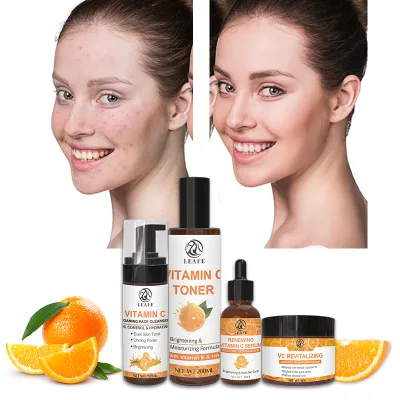
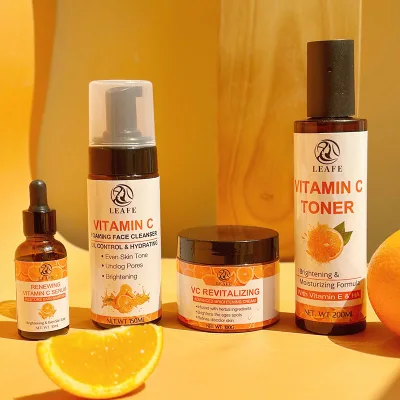

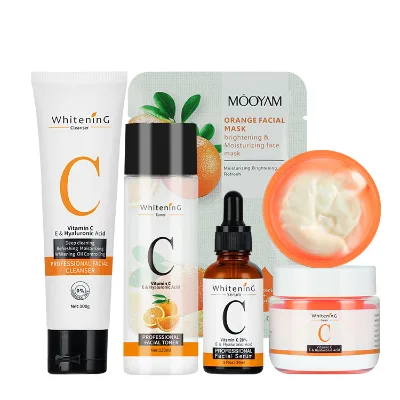
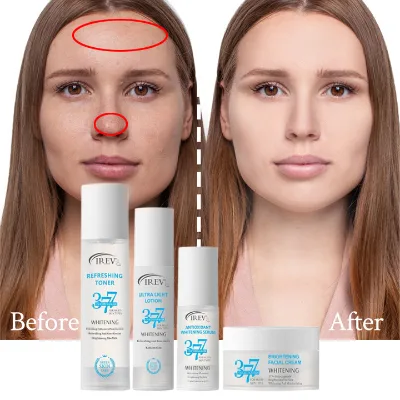
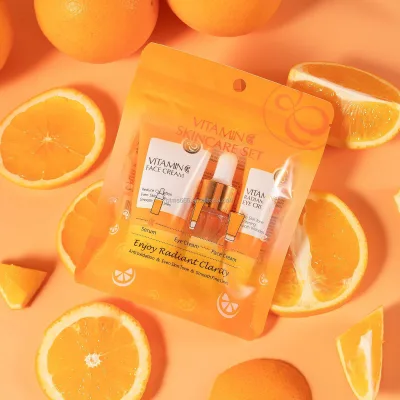

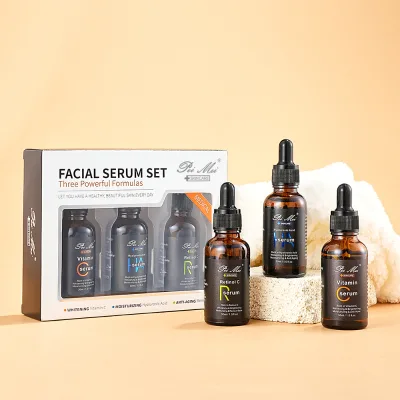
Organic Vc Whitening Brightening Vitamin C Facial Lightening Skincare Set
$1.99 - $3.99
MOQ: 1000 Pieces


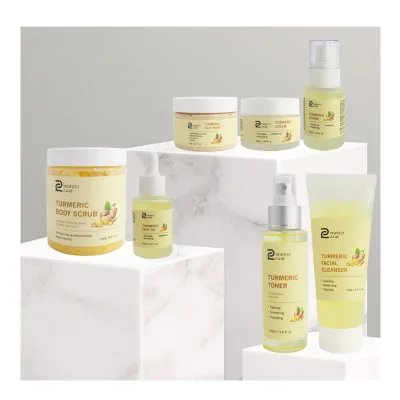
Wholesale Vegan Custom Vitamin C Moisture Skincare Set Organic Whitening
$6.78 - $10.40
MOQ: 500 Pieces

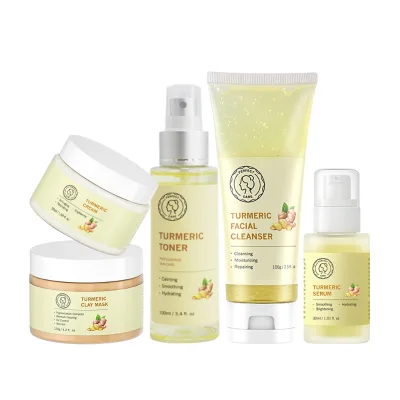
Custom Skincare Set Vitamin C Kit Whitening Repairing Anti-Aging Nature Organic
$10.20 - $13.55
MOQ: 500 Pieces







Comprehensive Sourcing Guide
Antioxidant Vitamin C Skincare Set Sourcing Guide
Sourcing an Antioxidant Vitamin C Skincare Set requires a nuanced understanding of both the chemical stability of active ingredients and the commercial realities of private label manufacturing. These sets typically bundle multiple product formats—such as serums, toners, creams, and cleansers—to provide a comprehensive routine that leverages the brightening and anti-aging properties of vitamin C. Buyers must navigate a landscape where formulation integrity is paramount, as vitamin C derivatives are prone to oxidation, which can compromise efficacy and shelf life. The procurement process involves selecting suppliers who can maintain ingredient potency while offering the customization options necessary for brand differentiation.
The market for these sets is characterized by a wide variance in packaging, ingredient profiles, and minimum order quantities. Observations from current listings indicate that suppliers offer configurations ranging from basic four-piece sets to more elaborate bundles, with packaging materials varying from simple paper boxes to luxurious cartons. Buyers should recognize that while the core active ingredient remains consistent, the supporting formulations—such as the inclusion of glycerin, orange extract, or vitamin E—significantly impact the final product’s texture, scent, and target skin type. Understanding these variations is essential for aligning product offerings with specific consumer demographics and retail positioning.
Product Scope and Observed Listing Signals
The observed product scope reveals a diverse array of configurations designed for adult consumers with various skin types, including normal, dry, oily, sensitive, and dark skin. Listings indicate that these sets are marketed with functions such as moisturizing, hydrating, whitening, firming, and nourishing, appealing to a unisex audience seeking anti-aging benefits. The typical composition includes a serum, face cream, toner, and cleanser, with volumes ranging from 30ml for serums to 200ml for toners. This multi-step approach allows brands to offer a complete regimen, which can enhance customer retention and perceived value compared to single-product purchases.
Packaging and presentation play a critical role in the perceived value of these sets, with suppliers offering options that range from standard bottles and paper boxes to more luxurious carton packaging. The single package size for these sets varies, with some listings indicating compact dimensions suitable for individual retail display, while others suggest larger carton sizes for bulk shipping. Buyers should note that the "style" of the product is often described as luxurious, which implies a need for high-quality packaging materials and finishes. Additionally, the availability of customization services, including OEM and ODM options, allows brands to tailor the product name, branding, and specific ingredient profiles to meet unique market demands.
Technical Specifications to Verify
When evaluating technical specifications, buyers must prioritize the stability and concentration of the vitamin C active ingredient. The main ingredients observed include vitamin C, often combined with vitamin E, vitamin B5, glycerin, and orange extract, which serve to enhance stability and provide additional nourishing benefits. It is crucial to verify the specific derivative of vitamin C used, as different forms offer varying levels of stability and skin penetration. Buyers should request detailed ingredient lists to ensure that the formulation aligns with their brand’s claims regarding organic, herbal, or vegan attributes, as these are frequently highlighted in supplier listings.
Packaging specifications are equally important for preserving product integrity and ensuring logistical efficiency. The observed single gross weight for a set is approximately 1.260 kg, with single package sizes ranging from 11x7x3 cm to 30x10x20 cm, depending on the configuration. Buyers should verify the compatibility of the packaging material with the formulation, particularly for serums and creams that may require airless pumps or opaque bottles to protect against light degradation. Additionally, the shelf life of these products typically ranges from two to three years, but this can vary based on the preservative system and active ingredient stability. Confirming these details with the supplier is essential for accurate inventory planning and consumer communication.
Compliance and Safety Documentation
Compliance with international manufacturing standards is a non-negotiable aspect of sourcing skincare sets. Suppliers often cite certifications such as GMPC, ISO 22716, and COA (Certificate of Analysis) as indicators of quality control and regulatory adherence. GMPC ensures that the manufacturing processes meet good manufacturing practices, while ISO 22716 specifically addresses cosmetics, providing a framework for quality management systems. Buyers should request copies of these certificates to verify their validity and ensure they cover the specific facilities producing the ordered sets. This documentation is critical for mitigating risk and ensuring that the products meet the regulatory requirements of the target market.
In addition to manufacturing certifications, buyers must ensure that the products comply with local labeling and safety regulations. This includes verifying that the ingredient lists are accurate and that all allergens are properly disclosed. The COA provides specific test results for each batch, confirming that the product meets predefined specifications for potency, pH, and microbial limits. Buyers should establish a protocol for reviewing COAs upon receipt of goods to ensure consistency and quality. Furthermore, understanding the regulatory landscape of the destination country is essential, as requirements for cosmetic products can vary significantly, particularly regarding claims related to whitening, anti-aging, and skin lightening.
Cost Drivers and Commercial Terms
The cost of antioxidant vitamin C skincare sets is influenced by several factors, including the complexity of the formulation, the quality of packaging materials, and the volume of the order. Observed minimum order quantities (MOQs) range widely, from as low as 10 sets to 3000 sets, reflecting the flexibility of suppliers to accommodate both small boutique brands and large retailers. Buyers should consider the trade-off between MOQ and unit price, as higher volumes typically result in lower per-unit costs. However, it is important to balance cost savings with inventory management capabilities to avoid overstocking and potential expiration issues.
Commercial terms also play a significant role in the total cost of ownership. Buyers should negotiate clear terms regarding payment methods, shipping responsibilities, and return policies. The supply type, whether OBM (Original Brand Manufacturing) or OEM/ODM, can impact pricing and lead times. OEM/ODM services allow for greater customization but may involve higher setup costs and longer lead times. Additionally, buyers should inquire about any additional fees for design services, sample production, or quality inspections. Understanding these commercial dynamics is essential for accurate budgeting and ensuring a smooth procurement process.
Supplier Qualification and Quality Control
Qualifying suppliers requires a thorough assessment of their manufacturing capabilities, quality control processes, and customer service responsiveness. Buyers should verify the supplier’s production capacity and lead times to ensure they can meet demand peaks and seasonal fluctuations. It is also important to assess the supplier’s ability to handle customization requests, including private labeling and unique packaging designs. Suppliers that offer comprehensive OEM and ODM services are often better equipped to support brands with specific product requirements and market positioning.
Quality control should be integrated into the procurement process from the outset. Buyers should establish clear quality standards and inspection criteria, including visual checks, packaging integrity, and product performance tests. Regular audits of the supplier’s facilities can provide insights into their operational efficiency and commitment to quality. Additionally, buyers should implement a robust incoming inspection process to verify that received goods meet the agreed-upon specifications. Building a strong relationship with the supplier through open communication and collaborative problem-solving can help ensure consistent product quality and timely delivery.
Long-Term Procurement Checks
Long-term procurement success depends on continuous monitoring of product performance and market trends. Buyers should track customer feedback and sales data to identify any issues related to product stability, efficacy, or packaging. Regular reviews of supplier performance, including on-time delivery rates and defect rates, can help identify potential risks and areas for improvement. Maintaining a diversified supplier base can also mitigate risks associated with supply chain disruptions or quality issues.
As the skincare market evolves, buyers must stay informed about emerging ingredients, packaging innovations, and regulatory changes. This includes monitoring advancements in vitamin C stability technologies and sustainable packaging solutions. Buyers should also consider the environmental impact of their procurement decisions, such as the use of recyclable materials and ethical sourcing practices. By staying proactive and adaptable, buyers can ensure that their antioxidant vitamin C skincare sets remain competitive and compliant in the long term.
FAQs
What is the MOQ for antioxidant vitamin c skincare sets?
The minimum order quantity varies by supplier, typically ranging from 10 to 500 sets. Some vendors accept orders as low as one set for sampling, while others require bulk purchases of up to 3000 units. Buyers should verify the specific MOQ with the manufacturer before placing an order to ensure it aligns with their inventory needs.
Can I get custom branding for these skincare sets?
Yes, customization is available through OEM and ODM services. Many suppliers offer private label options, allowing you to customize packaging, branding, and formulations. This service supports both small and large orders, enabling brands to create unique products that meet specific market demands and regulatory requirements in their target regions.
What certifications do these vitamin C sets have?
Products often carry GMPC, ISO22716, and COA certifications. These standards ensure quality and safety for cosmetic manufacturing. Buyers should request valid certificates from suppliers to verify compliance. Certifications help ensure the products meet international safety standards and are suitable for export to various global markets with strict regulatory requirements.
What are the main ingredients in these sets?
Common ingredients include Vitamin C, Glycerin, orange extract, Vitamin E, and Vitamin B5. Some formulations also feature herbal, organic, or vegan components. These ingredients provide moisturizing, whitening, and anti-aging benefits. Buyers can select sets based on specific skin types, including dry, sensitive, oily, or normal skin, for optimal results.
Where are these skincare sets manufactured?
Manufacturing locations include Hangzhou and Guangdong, China. These regions are known for their robust cosmetic production capabilities. Buyers can source products directly from these origins to ensure quality control and efficient logistics. The specific origin may influence lead times and shipping costs, so verifying the place of origin is essential for planning.
What is the shelf life of these products?
The shelf life typically ranges from two to three years. This duration ensures product stability and efficacy until opened. Buyers should check the expiration date on the packaging upon receipt. Proper storage conditions can help maintain the integrity of the Vitamin C and other active ingredients throughout the product's usable life.