Source Whitening Turmeric Face Cream for Moisturizing, Brightening, and Anti-Aging
Compare 30 Whitening Turmeric Face Cream options featuring ingredients like shea butter and vitamin C. Buyers can evaluate customization, certifications, and pricing for moisturizing, brightening, and anti-aging needs.
Key considerations
Products List


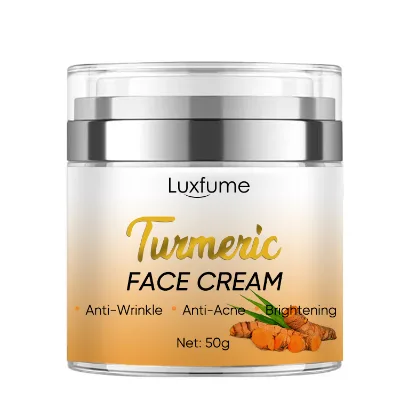


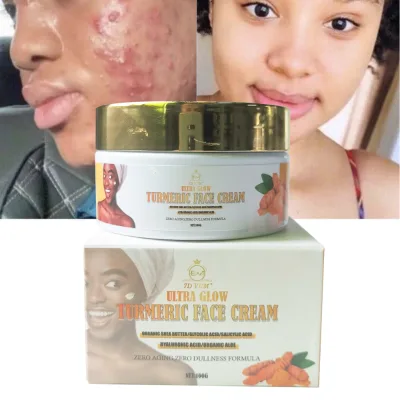
Beauty Cosmetics Skin Care Brighten Improves Complexion Turmeric Clay Mask
$1.85 - $2.85
MOQ: 50 Pieces
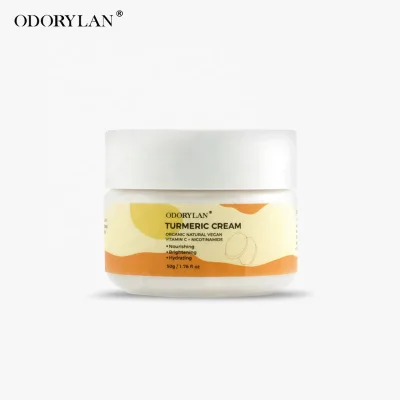
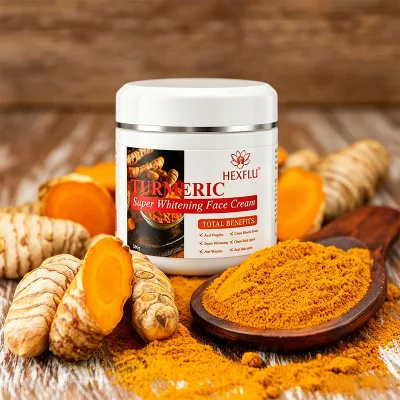


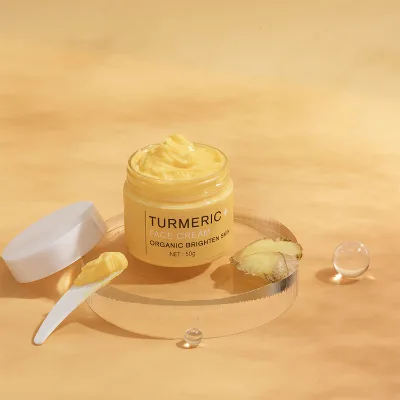


Comprehensive Sourcing Guide
Strategic Sourcing Guide for Whitening Turmeric Face Cream
Understanding Product Specifications and Formulation Variations
The procurement of Whitening Turmeric Face Cream requires a granular understanding of the diverse specifications available in the global market. Based on current product data, the core formulation centers on turmeric, often combined with Vitamin C, to deliver specific skin benefits. The primary active ingredients identified in high-volume listings include Shea Butter, Turmeric, and Vitamin C, which collectively support the product's claimed functions of nourishing, moisturizing, and whitening. Buyers must recognize that while the core ingredient is consistent, the specific ratios and additional components vary significantly between suppliers.
Volume and packaging are critical differentiators in this category. The market presents a wide spectrum of sizes, ranging from standard 30ml units to 50g or 50ml containers, with many suppliers offering fully customized volume options to meet private label requirements. The physical dimensions of the single package are also standardized in many cases, with typical single package sizes observed around 4x4x6 cm and a single gross weight of approximately 0.100 kg. However, packaging materials are not uniform; some listings specify blank bags, while others utilize OEM paper packaging or standard cartons. The color of the cream itself is typically yellow, reflecting the natural hue of turmeric, though this can be adjusted through formulation.
When evaluating product models, buyers will encounter various designations such as "32" or specific names like "Curcumin turmeric face cream." These model numbers often correlate with specific batch formulations or packaging configurations. The shelf life for these products is generally reported as three years, a standard duration that allows for extended logistics and inventory management. It is essential for buyers to verify the specific model number against the intended application, as some formulations are designated for night use only, while others are marketed for day and night usage. The target demographic also varies; while some products are explicitly labeled for all ages and all skin types, others are targeted specifically at adults or female consumers.
Compliance Framework and Certification Verification
Navigating the regulatory landscape for cosmetic products is a paramount responsibility for any B2B buyer. The supply chain for turmeric face creams is heavily influenced by certification requirements, which serve as proxies for manufacturing quality and safety. The most frequently cited certifications in the current market data include CE, FDA, GMP, and MSDS. These certifications indicate that the product meets specific safety, manufacturing, and chemical documentation standards. For instance, GMP (Good Manufacturing Practice) ensures that the facility adheres to strict hygiene and production controls, while MSDS (Material Safety Data Sheet) provides critical safety information regarding the chemical composition of the cream.
However, buyers must exercise caution when interpreting certification claims. While CE and FDA are frequently listed, the specific scope of these certifications can vary. CE certification typically relates to European conformity for safety, health, and environmental protection, whereas FDA registration often pertains to facility listing rather than product approval, depending on the jurisdiction. The presence of these certifications does not automatically guarantee that every SKU from a supplier is compliant; rather, they indicate the supplier's capability to produce certified goods. Buyers should request valid, up-to-date certificates for the specific batch or model they intend to purchase, rather than accepting generic supplier claims.
In addition to the high-confidence certifications, there are background references to standards such as ISO 22716, which is the international standard for cosmetic Good Manufacturing Practices. While this standard is widely respected, it should be treated as a verification target rather than an assumed fact. Similarly, certifications like BSCI (Business Social Compliance Initiative) may appear in background data, indicating social compliance in the supply chain, but these should be confirmed directly with the supplier. The absence of a specific certification in a product listing does not necessarily imply non-compliance, but the presence of a certification without supporting documentation is a significant red flag. Buyers must verify that the certification covers the specific region of import, as standards vary between the EU, North America, and Asia.
Cost Drivers and Pricing Structure Analysis
The pricing structure for Whitening Turmeric Face Cream is influenced by a complex interplay of factors, including raw material costs, packaging complexity, and order volume. The observed price range in the market spans from $0.30 to $5.00 USD per unit. This wide variance suggests that the base price is highly sensitive to the specific configuration of the product. Lower price points are often associated with basic packaging, such as blank bags or standard cartons, and smaller order quantities. Conversely, higher price points typically reflect premium packaging, such as custom-designed paper boxes, and the inclusion of additional active ingredients like Vitamin C or organic extracts.
Minimum Order Quantity (MOQ) is a primary driver of unit cost. The market data indicates an MOQ range from 10 to 30,000 units, with a common baseline of 100 to 1,000 pieces for standard private label orders. Suppliers often structure their pricing tiers to reward larger volumes; for example, an order of 100 pieces may carry a higher unit cost compared to an order of 1,000 or 5,000 pieces. The availability of 500,000 units in some listings suggests that large-scale manufacturers can offer competitive pricing for bulk procurement, provided the buyer can meet the volume requirements.
Customization is another significant cost factor. The availability of customized private logos and tailored packaging options adds value but also increases the unit price. The "Advantage" of 17 years of experience cited by some suppliers often correlates with a more stable pricing structure and better negotiation leverage for large orders. Buyers should also consider the cost of compliance; products with FDA, GMP, or MSDS certifications may command a premium due to the administrative and testing costs associated with maintaining these standards. When budgeting, it is crucial to distinguish between the base product cost and the additional fees for customization, certification verification, and logistics.
Typical Applications and Functional Claims
The functional positioning of Whitening Turmeric Face Cream is diverse, catering to a wide array of consumer needs. The primary applications identified in the market data include nourishing, moisturizing, and whitening. These core functions are supported by secondary benefits such as anti-aging, anti-wrinkle, firming, and acne treatment. The product is marketed as a skin revitalizer that can improve skin radiance, reduce dark circles, and shrink pores. The inclusion of Shea Butter and Vitamin C suggests a dual focus on hydration and brightening, making the product suitable for consumers seeking both immediate moisture and long-term skin tone improvement.
Usage patterns vary based on the specific formulation. Some products are designed for night use, leveraging the restorative properties of turmeric and other ingredients during sleep, while others are formulated for day and night application. The target skin types are generally inclusive, with many listings specifying suitability for all skin types. However, specific formulations may be optimized for particular concerns, such as acne treatment or deep cleansing. The "Effect" of the product is often described as improving skin radiance and firming the skin, which aligns with the anti-aging and whitening claims.
Buyers should be aware that while the functional claims are consistent across many listings, the actual performance can vary based on the concentration of active ingredients. For instance, the "Whitening" and "Lightening" features are prominent, but the degree of efficacy depends on the specific blend of turmeric and Vitamin C. The product is categorized as a skin care beauty product, and its usage is typically applied topically to the face. The gender targeting is often female, but the functional benefits are generally applicable to all consumers regardless of gender. Understanding these application nuances is essential for matching the right product to the target market segment.
Supplier Evaluation and Operational Capabilities
Evaluating suppliers for Whitening Turmeric Face Cream requires a focus on operational stability, customization capabilities, and geographic location. The majority of suppliers in this sector are located in China, with specific hubs in Guangdong and Guangzhou. These regions are known for their robust cosmetic manufacturing infrastructure and supply chain efficiency. The "Advantage" of 17 years of experience cited by some suppliers indicates a mature manufacturing base capable of handling complex orders. Buyers should prioritize suppliers who demonstrate a clear track record of OEM (Original Equipment Manufacturer) and ODM (Original Design Manufacturer) services, as these capabilities are essential for private label development.
Customization is a key differentiator in supplier selection. The market data confirms that customization is available for logos, packaging, and product volume. Suppliers offering "Customized Private Logo" and "OEM Papar Package" options provide the flexibility needed for brand differentiation. However, buyers must verify the extent of these customization services. Does the supplier handle the design, or do they only print pre-approved files? What are the lead times for custom packaging? The ability to customize the product standard, such as offering 50g or 30ml options, is also a critical factor.
Geographic location impacts logistics and lead times. Suppliers in Guangdong and Guangzhou benefit from proximity to major ports, which can streamline export processes. However, buyers should not assume that all suppliers in these regions have the same logistical capabilities. It is advisable to request detailed information on production capacity, lead times, and shipping terms. The "Service" aspect, including OEM and ODM support, should be evaluated alongside the technical capabilities. A supplier with strong service capabilities can provide better support during the product development phase, ensuring that the final product meets the buyer's specifications and quality expectations.
Quality Control and Long-Term Procurement Strategy
Implementing a robust quality control (QC) strategy is essential for maintaining product integrity in the Whitening Turmeric Face Cream sector. Given the variability in formulations and the potential for regulatory non-compliance, buyers must establish clear QC protocols before placing orders. This includes verifying the shelf life, which is typically three years, and ensuring that the product remains stable throughout its intended lifespan. Buyers should also verify the net weight and gross weight specifications to ensure consistency in packaging. The single package size and weight should be confirmed to prevent shipping discrepancies and ensure compliance with carrier regulations.
Long-term procurement considerations involve building a sustainable relationship with suppliers who can consistently deliver high-quality products. The availability of 500,000 units in some listings suggests that suppliers have the capacity to scale, but buyers must ensure that this capacity does not compromise quality. Regular audits, sample testing, and third-party verification are recommended to maintain quality standards. Buyers should also consider the environmental and social impact of their procurement, looking for suppliers who adhere to standards like ISO 22716 and BSCI, even if these are not explicitly listed in every product description.
The market's observed price range and MOQ flexibility offer opportunities for strategic sourcing. Buyers can leverage the range of 10 to 30,000 units to negotiate better terms and manage inventory risks. By understanding the cost drivers and functional variations, buyers can make informed decisions that align with their brand strategy. Ultimately, the success of a procurement program for Whitening Turmeric Face Cream depends on a balanced approach that prioritizes quality, compliance, and supplier reliability over short-term cost savings.
FAQs
What certifications are available for Whitening Turmeric Face Cream?
Products typically hold FDA, GMP, and MSDS certifications. Some listings also mention CE compliance. Buyers must verify specific batch certificates rather than assuming all SKUs from a supplier are certified.
How much is the minimum order quantity for this cream?
The minimum order quantity ranges from 100 to 1000 pieces depending on the supplier. Some vendors list an MOQ of 100 pieces while others require 1000 pieces for standard private label orders.
Can I get a customized private logo on the packaging?
Yes, customized private logos are available for most listings. Suppliers offer options like blank bags or OEM paper packaging to accommodate specific branding requirements for your product line.
What is the shelf life of the turmeric face cream?
The standard shelf life is three years for these products. This duration supports extended logistics and inventory management before the product expires.
Which main ingredients are used in the formulation?
Core ingredients include turmeric, Vitamin C, and Shea Butter. These components work together to provide nourishing, moisturizing, and whitening effects for various skin types.
Where are the manufacturers located?
Most suppliers are located in China, specifically in Guangdong and Guangzhou. These regions offer robust manufacturing infrastructure and efficient supply chains for cosmetic exports.
What volume options are available for the product?
Standard volumes include 50g, 50ml, and 30ml options. Many suppliers also provide fully customized volume options to meet specific private label requirements.