Source Vitamin C Bio Serum for Face, Eyes, and Body Care
Explore 30 options for Vitamin C Bio Serum designed for face, eye, and body applications. Buyers can compare features like anti-aging and moisturizing properties, along with certifications such as CE, GMP, and FDA from manufacturers in China.
Key considerations
Products List


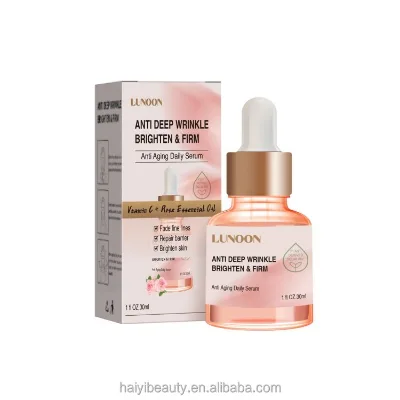


High Quality Sale of Anti-Wrinkle Smoothing and Firming Vitamin C Serum
$2.60 - $3.50
MOQ: 1000 Pieces


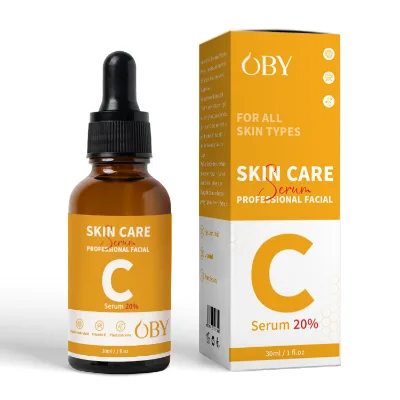

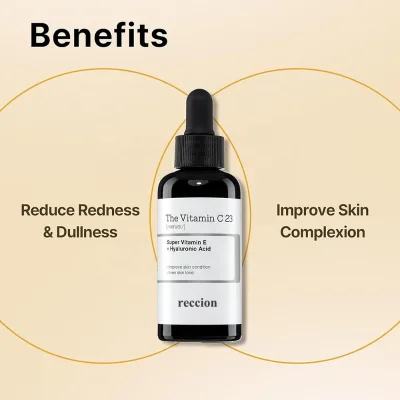


Beauty Cosmetics Skin Care Hyaluronic Acid Serum Vitamin C Serum Anti Aging
$1.50 - $2.65
MOQ: 100 Pieces

Comprehensive Sourcing Guide
Sourcing Strategy for Vitamin C Bio Serum in B2B Markets
The global demand for Vitamin C Bio Serum has surged as consumers increasingly prioritize evidence-based skincare solutions that address aging, pigmentation, and overall skin vitality. For B2B procurement professionals, sourcing this category requires a nuanced understanding of formulation science, regulatory compliance, and supply chain reliability. The market is characterized by a wide variance in product specifications, ranging from standard liquid formulations to highly customized private label solutions. This guide provides a structured approach to navigating the procurement landscape, ensuring that buyers select suppliers who can deliver consistent quality, adhere to international standards, and meet specific business requirements without compromising on safety or efficacy.
Technical Specifications and Formulation Analysis
When evaluating Vitamin C Bio Serum products, the primary focus must be on the technical specifications that define the product's stability and efficacy. The core ingredient profile often includes Vitamin C, Hyaluronic acid, Niacinamide, Vitamin E, and Collagen. These components work synergistically to provide moisturizing, firming, and lightening effects. However, the specific formulation varies significantly between suppliers. Some products list "vitamine" and "collagen" as primary ingredients, while others specify a more complex blend including Aloe Vera, Dead Sea Salt, Emu oil, Glycerin, Green Tea, Pearl, and Shea Butter.
The physical form of the serum is almost exclusively liquid, packaged in bottles or boxes. Standard volume specifications observed in the market include 30ml, 40ml, and 1 Fl. Oz (approximately 30ml). The product model identifiers, such as "VC," "VCU," or "serum," often denote specific formulation strengths or target areas. Buyers must verify the exact concentration of active ingredients, as Vitamin C is notoriously unstable and requires precise formulation to maintain potency. The shelf life is a critical technical parameter, with many suppliers indicating a standard duration of 3 years, provided the product is stored correctly.
Furthermore, the target application area is a key differentiator. While many serums are marketed for general face use, specific formulations target the eye, neck, hand, and nose areas. Some products are designed for night use, while others are suitable for general home use. The gender targeting is predominantly female, though the efficacy of the ingredients often transcends gender lines. Procurement teams should request detailed ingredient lists and concentration data sheets to ensure the formulation aligns with the intended market positioning and regulatory requirements of the destination country.
Compliance, Certification, and Regulatory Standards
Navigating the regulatory landscape is perhaps the most critical aspect of sourcing Vitamin C Bio Serum. The market exhibits a high degree of certification diversity, with suppliers holding various combinations of CE, FDA, GMP, and MSDS certifications. These certifications are not merely marketing tools but are essential indicators of a supplier's adherence to quality management systems and safety standards.
GMP (Good Manufacturing Practice) certification ensures that the product is consistently produced and controlled according to quality standards, which is vital for skincare products applied to sensitive areas like the eyes and face. FDA certification indicates compliance with United States Food and Drug Administration regulations, which is a prerequisite for selling in the American market. CE marking demonstrates conformity with health, safety, and environmental protection standards for products sold within the European Economic Area. MSDS (Material Safety Data Sheet) provides essential information on the chemical composition and safety handling of the ingredients, which is crucial for logistics and regulatory clearance.
Buyers must verify that the specific product listing holds the necessary certifications for their target market. For instance, a product intended for the European market must have valid CE and GMP certifications, while a product for the US market requires FDA compliance. The presence of multiple certifications, such as CE, FDA, GMP, and MSDS simultaneously, suggests a robust quality assurance system. However, buyers should not assume that all products from a supplier carry all certifications; verification of the specific batch or product line is necessary. Additionally, the origin of the product, often listed as China or specifically Guangdong, China, should be cross-referenced with local import regulations to ensure that the manufacturing location meets the destination country's standards for cosmetic production.
Cost Drivers and Pricing Structures
The pricing of Vitamin C Bio Serum is influenced by several factors, including the complexity of the formulation, the quality of raw materials, packaging customization, and order volume. The observed price range in the market spans from $0.70 to $30.00 USD, reflecting the vast disparity between basic generic formulations and premium, highly customized private label products.
The primary cost driver is the ingredient profile. Serums containing a complex blend of active ingredients like Hyaluronic acid, Niacinamide, and organic extracts typically command a higher price point than those with simpler formulations. Packaging also plays a significant role; options range from standard bottles to custom-designed boxes and private label packaging, which incur additional tooling and design costs. The "Custom Packaging" and "Private Customize Packaging" options mentioned in supplier listings indicate that buyers can tailor the visual identity of the product, but this customization comes at a premium.
Order volume is another critical factor. The Minimum Order Quantity (MOQ) ranges from 0 to 10,000 units, offering flexibility for both small startups and large enterprises. Suppliers with lower MOQs may charge a higher unit price to cover setup costs, while larger orders typically benefit from economies of scale. Buyers should negotiate based on their specific volume requirements and the level of customization needed. It is essential to request a detailed cost breakdown that separates the base product cost, packaging fees, and any customization charges to understand the true cost structure.
Typical Applications and Target Market Segmentation
Vitamin C Bio Serum is a versatile product with applications across multiple skin types and concerns. The primary features associated with these serums include Anti-Aging, Anti-Wrinkle, Blemish Clearing, Dark Circles reduction, Lightening, Moisturizing, Nourishing, and Skin Revitalization. Some formulations also offer specific benefits such as Anti-Puffiness, Black Head Removal, Firming, and Sunscreen protection.
The target areas for application are diverse, covering the face, neck, eyes, hands, and nose. This versatility allows suppliers to market their products to different consumer segments. For example, a serum targeting the eye area would focus on Dark Circles and Anti-Puffiness, while a general face serum would emphasize Anti-Aging and Whitening. The "Time Used" attribute indicates that some products are specifically formulated for night use, leveraging the skin's natural repair cycle, while others are designed for daytime application.
The Age Group is primarily Adults, reflecting the focus on anti-aging and skin revitalization. However, the specific needs of different age groups within the adult demographic should be considered. Younger adults may prioritize Blemish Clearing and Lightening, while older adults may focus more on Firming and Anti-Wrinkle properties. Understanding these nuances helps buyers align their product selection with the specific needs of their target customer base.
Supplier Evaluation and Quality Control Protocols
Selecting the right supplier requires a rigorous evaluation process that goes beyond surface-level product descriptions. Buyers should assess the supplier's manufacturing capabilities, quality control protocols, and ability to meet customization requirements. The availability of customization options, such as "Be Customized by Customers" and "Private Customize Packaging," indicates a supplier's flexibility and willingness to work with buyers to create unique products.
Quality control is paramount in the skincare industry. Buyers should verify that the supplier has established procedures for testing raw materials, in-process controls, and final product testing. The presence of certifications like GMP and FDA is a strong indicator of a supplier's commitment to quality. Additionally, buyers should request samples to evaluate the texture, scent, and absorption of the serum, as well as the stability of the Vitamin C content over time.
It is also important to evaluate the supplier's supply chain reliability. The product origin, often listed as China or Guangdong, China, should be verified to ensure that the manufacturing facilities meet international standards. Buyers should inquire about lead times, production capacity, and the ability to scale up production as demand increases. A reliable supplier should be able to provide consistent quality and timely delivery, even during peak seasons.
Long-Term Procurement Considerations and Strategic Sourcing
Sourcing Vitamin C Bio Serum is not just a transactional activity but a strategic decision that impacts the long-term success of a brand. Buyers should consider the scalability of the supplier, the potential for future product line extensions, and the ability to adapt to changing market trends. The customization options available, such as specific ingredient blends and packaging designs, offer opportunities for brand differentiation and market positioning.
Long-term procurement also involves building a strong relationship with the supplier. Open communication, regular quality audits, and collaborative product development can lead to better outcomes for both parties. Buyers should also stay informed about regulatory changes and market trends that may affect the product's compliance and demand. For instance, the increasing consumer preference for organic and natural ingredients may require suppliers to adjust their formulations accordingly.
Finally, buyers should develop a contingency plan for supply chain disruptions. Diversifying the supplier base and maintaining a buffer stock can help mitigate risks associated with production delays or quality issues. By focusing on these strategic considerations, buyers can ensure a stable and profitable supply of Vitamin C Bio Serum that meets the evolving needs of their customers.
Comparative Overview of Product Attributes
To facilitate decision-making, the following table summarizes the key attributes observed in the market for Vitamin C Bio Serum. This comparison highlights the variability in specifications, certifications, and customization options that buyers should consider.
| Attribute Category | Observed Variations | Key Considerations for Buyers |
|---|---|---|
| Main Ingredients | Vitamin C, Hyaluronic acid, Niacinamide, Vitamin E, Collagen, Aloe Vera, Dead Sea Salt, Emu oil, Glycerin, Green Tea, Pearl, Shea Butter | Verify active ingredient concentrations and compatibility with target skin types. |
| Certifications | CE, FDA, GMP, MSDS (various combinations) | Ensure certifications match the regulatory requirements of the target market. |
| Product Standard | 30ml, 40ml, 1 Fl. Oz, Custom | Confirm volume aligns with packaging constraints and consumer expectations. |
| Packaging | Bottle, Box, Custom Packaging, Private Customize Packaging | Assess customization costs and lead times for branded packaging. |
| Target Areas | Face, Eye, Neck, Hand, Nose, Body | Match product features to specific skin concerns (e.g., dark circles vs. wrinkles). |
| Features | Anti-Aging, Anti-Wrinkle, Lightening, Moisturizer, Firming, Blemish Clearing, etc. | Prioritize features based on market demand and brand positioning. |
| Shelf Life | 3 years (standard) | Verify storage conditions and expiration date labeling requirements. |
| Origin | China, Guangdong, China | Check for import regulations and quality standards associated with the origin. |
By carefully analyzing these attributes and adhering to the guidelines outlined in this sourcing guide, buyers can make informed decisions that ensure the procurement of high-quality Vitamin C Bio Serum products. The key lies in balancing technical specifications, regulatory compliance, cost efficiency, and strategic alignment with market needs.
FAQs
What certifications do Vitamin C Bio Serum products typically hold?
Products typically hold CE, GMP, MSDS, and FDA certifications. These ensure compliance with international safety and quality standards for manufacturing and export to regions like the European Economic Area and the United States.
How is the shelf life of Vitamin C Bio Serum determined?
The standard shelf life is three years when stored correctly. This duration applies to liquid formulations packaged in bottles or boxes, provided the active ingredients like Vitamin C remain stable.
Can buyers request custom packaging for Vitamin C Bio Serum?
Yes, private label and custom packaging options are available for buyers. Suppliers offer flexibility to customize bottle designs and box structures to meet specific brand identity requirements.
What are the main ingredients found in these serums?
Common ingredients include Vitamin C, Hyaluronic acid, Collagen, Niacinamide, and Vitamin E. Some formulations also feature organic extracts like Aloe Vera, Green Tea, or Shea Butter for added nourishment.
Which product specifications are available for volume and model?
Standard volumes include 30ml, 40ml, and 1 Fl. Oz with models labeled as VC, VCU, or serum. Buyers can select specific models based on their target skin area or formulation strength.
What is the typical price range for bulk orders?
The observed price range spans from 0.70 to 30.00 USD per unit. Pricing varies based on ingredient complexity, packaging customization, and the total order volume requested by the buyer.
Where are these Vitamin C Bio Serum products manufactured?
Products originate primarily from China, with specific manufacturing hubs in Guangdong. Buyers should verify that facilities in these locations meet the import regulations of their target destination markets.